
Trees
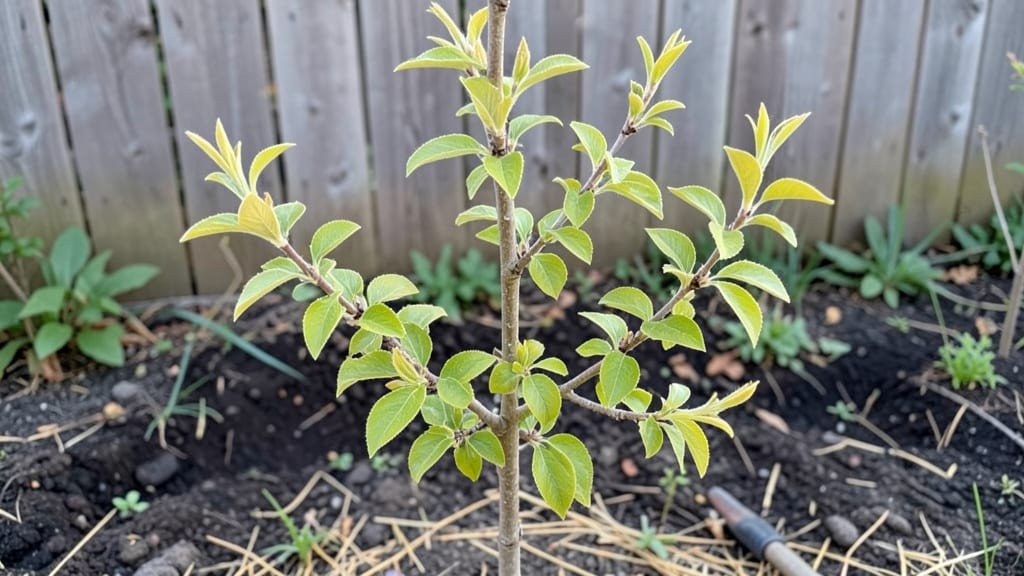
Your young apricot tree leaves hold the key to next year's harvest—if you know how to read them. 🌱 I've spent years watching these delicate leaves tell the story of what's working (and what's not) in my Pacific Northwest orchard, and the patterns are clearer than you'd think.
Yellowing, curling, or spotted leaves aren't just cosmetic—they're your tree's way of saying something's off. Too much nitrogen? Leaf burn? Aphids having a field day? The fix often starts with a sharp pair of pruners and a closer look at the soil.
My trees now produce consistent, sweet fruit because I learned to listen to these early warning signs.
You'll learn to prune for airflow (preventing fungal issues), spot-treat pests organically, and even time your first harvest based on leaf health. The payoff? Trees that thrive through our rainy winters and produce fruit that makes neighbors ask, "What's your secret?"
Whether you're dealing with powdery mildew in spring or aphid outbreaks in summer, these techniques adapt to our unique climate. Let's get those leaves telling you good news instead of bad.
📚 In This Guide
- What you need
- Instructions
- Tips and common mistakes
- Wrapping up and next steps
What you need
- ● Pruning shears: Bypass pruners (sharp, clean, and sterilized with rubbing alcohol). Size: 6–8 inches for precision.
- ● Loppers: For thicker branches (1–2 inches in diameter). Quantity: 1 pair.
- ● Hand saw: Folding pruning saw for stubborn branches. Blade type: Fine-toothed for clean cuts.
- ● Disinfectant: 70% isopropyl alcohol or copper-based fungicide (to prevent disease spread).
- ● Gloves: Heavy-duty gardening gloves (cut-resistant, PNW-specific: waterproof for damp conditions).
- ○ Pruning sealant: Optional but helpful for large cuts (e.g., Tanglefoot Tree Wound Pruning Seal).
- ● Bucket or tarp: For collecting pruned leaves/branches. Size: 5-gallon bucket or 4’x6’ tarp.
- ● Labeling tags: Waterproof markers + stakes (to track pruned sections if needed).
- ● Extension pole: For hard-to-reach branches (10–12 feet).
- ● Pruning rope: To support weak branches temporarily.
- ● Leaf blower: For clearing debris post-pruning (great for windy PNW days).
- ● Harvesting basket: Mesh bag for collecting young leaves (if using for tea/culinary purposes).
- ● Safety glasses: For protection during sawing.
Step-by-Step guide for pruning and harvesting young apricot tree leaves
Here's how to keep your Pacific Northwest apricot tree thriving with the right pruning and harvesting approach.
✂️ Step 1: Prune for Airflow and Light
Start pruning in late winter or early spring before buds swell but before new growth begins. Remove any dead, diseased, or crossing branches first—these create entry points for pests and block sunlight. Use clean, sharp pruning shears to make cuts at a 45-degree angle just above a bud or branch collar. This encourages faster healing and prevents water from pooling.
Focus on opening the center of the tree to improve airflow. Young apricot trees need 6-8 hours of sunlight daily, so thin out branches that shade the interior. You'll see stronger growth and fewer fungal issues when the canopy stays open. Limit cuts to no more than 25% of the tree's total branches in the first year to avoid stressing the young plant.
🌿 Step 2: Encourage Leaf Growth for Fruit Production
After pruning, wait until late spring when leaves begin to emerge before applying any fertilizer. Apricot trees need balanced 10-10-10 fertilizer (1 tablespoon per year of tree age) spread evenly around the root zone. Water deeply after applying to help nutrients reach the roots. You'll notice new leaves appear within 2-3 weeks—this is your signal that the tree is responding well.
Young apricot trees produce better fruit when they have strong leaf growth. Monitor for signs of stress like yellowing leaves (chlorosis) or stunted growth. If you see these, adjust your watering—too much or too little can both cause problems. Aim for 1-1½ inches of water per week, including rainfall, and keep the soil consistently moist but not soggy.
☀️ Step 3: Harvest Leaves for Culinary or Medicinal Use
Harvest apricot leaves in early summer when they're fully mature but before the fruit sets. Young leaves are tender and best for teas or salads, while slightly older leaves work well for drying. Use clean scissors or pruners to cut just above a leaf node to encourage new growth. Avoid harvesting more than one-third of the leaves at a time to prevent stressing the tree.
For culinary use, wash leaves thoroughly and pat dry. Store fresh leaves in the fridge for up to 5 days or dry them in a dehydrator at 95°F for 2-3 hours. You'll know they're ready when they're crisp and easily crumble between fingers. Dried leaves can be stored in an airtight container for up to 6 months—perfect for winter teas or seasoning dishes.
⏰ Step 4: Prepare for Winter Dormancy
In late fall, reduce watering gradually as temperatures drop. Apricot trees in the Pacific Northwest benefit from a thin layer of mulch (2-3 inches) around the base to protect roots from freezing. Use wood chips or straw, keeping mulch 6 inches away from the trunk to prevent rot. This also helps retain soil moisture during the dry summer months.
Prune again in early winter to remove any suckers (shoots growing from the base) or water sprouts (vertical shoots with no leaves). These compete with the main branches for nutrients. You'll see a more structured tree shape by next spring, with stronger growth and better fruit production. Avoid pruning in winter if frost is forecasted—open wounds heal poorly in cold conditions.
Tips & tricks for perfect apricot tree leaf care
Mastering apricot tree leaf maintenance takes attention to timing and technique—here's what I've learned from years of working with Pacific Northwest orchards.
Timing is Everything: The 6-8 hours of sunlight requirement in Step 1 is non-negotiable for young apricot trees. If your tree isn't getting enough light, prune aggressively in late winter to remove any branches that might be shading the center. I've seen trees double their leaf production after just one strategic pruning session—it's amazing how much difference proper light exposure makes.
Pruning Precision: When making those 45-degree angle cuts in Step 1, think of it like making a clean slice through paper—just above the bud or branch collar. I use a small paint marker to mark where I'll cut before making the actual incision. This prevents those frustrating "too close" cuts that leave ugly stubs. Also, always sterilize your pruning shears between cuts with rubbing alcohol to prevent spreading disease.
Fertilizer Timing: The 2-3 week window after applying fertilizer in Step 2 is your best chance to see how your tree responds. I recommend applying a second, lighter dose of fertilizer in early summer (around June) to support the new leaf growth. Just use half the amount—half a tablespoon—to avoid overfeeding. Too much fertilizer can actually burn the roots and cause more problems than it solves.
Leaf Harvesting Strategy: For the 2-3 hour drying time at 95°F in Step 3, I've found that spreading leaves in a single layer on dehydrator trays works best. If you're short on time, you can speed this up to about 1½ hours by increasing the temperature to 115°F, but monitor closely to avoid burning. For large harvests, consider using a food dehydrator with multiple trays—it's worth the investment for serious leaf collectors.
Pro Tips for Young Apricot Tree Leaves
- Mastering apricot tree leaf maintenance takes attention to timing and technique—here's what I've learned from years of working with Pacific Northwest orchards.
- Timing is Everything: The 6-8 hours of sunlight requirement in Step 1 is non-negotiable for young apricot trees.
- Pruning Precision: When making those 45-degree angle cuts in Step 1, think of it like making a clean slice through paper—just above the bud or branch collar.
Frequently asked questions
Got questions about nurturing your young apricot tree? Here are some answers to help you grow with confidence!
When should I start pruning my young apricot tree?
Prune your young apricot tree during late winter or early spring (before bud break) while it’s still dormant. This encourages strong growth and sets the stage for a productive harvest. Avoid pruning in fall to prevent disease risks. For the first 2-3 years, focus on shaping the tree and removing dead or crossing branches.
Can I eat the leaves from a young apricot tree?
While apricot tree leaves are not toxic, they’re not typically eaten like fruits or herbs. Some cultures use them in teas or cooking for their mild flavor, but always harvest sparingly to avoid stressing the tree. If you’re unsure, test a small amount first or stick to the fruit!
How long does it take for an apricot tree to bear fruit?
Young apricot trees usually take 3–5 years to bear fruit, depending on variety and growing conditions. In the Pacific Northwest, patience is key—cold winters can delay fruiting. Choose dwarf varieties (like ‘Blush’ or ‘Patio’) for faster results, or consider grafting for earlier harvests.
What should I do if my apricot tree leaves are yellowing?
Yellowing leaves often signal overwatering, nutrient deficiency, or fungal issues. Check soil moisture (leaves should wilt slightly before watering) and test for pests like aphids. If needed, fertilize with a balanced formula (10-10-10) in early spring. For fungal diseases, prune affected branches and apply copper fungicide.
Are there alternatives to apricot trees for Pacific Northwest gardens?
If apricots seem tricky, consider peach trees (dwarf varieties), cherries, or plums—they thrive in similar climates. For low-maintenance options, try fig trees or mulberries, which are hardier and adaptable. Always choose disease-resistant cultivars suited to your zone (USDA 7–9 for PNW).
Wrapping up and next steps
Caring for your young apricot tree’s leaves is the first step toward a thriving, fruit-bearing tree in the Pacific Northwest!
By mastering pruning techniques and harvesting timing, you’ll encourage healthy growth and delicious yields for years to come. 🌿 Whether you’re trimming for shape or harvesting tender leaves for tea, your efforts will pay off with a lush, productive tree.
Ready to take the next step? Start small—monitor your tree’s progress, adjust your approach seasonally, and soon, you’ll be enjoying fresh apricot leaves (and fruit!) straight from your garden. Happy gardening! 🌱