
Pruning
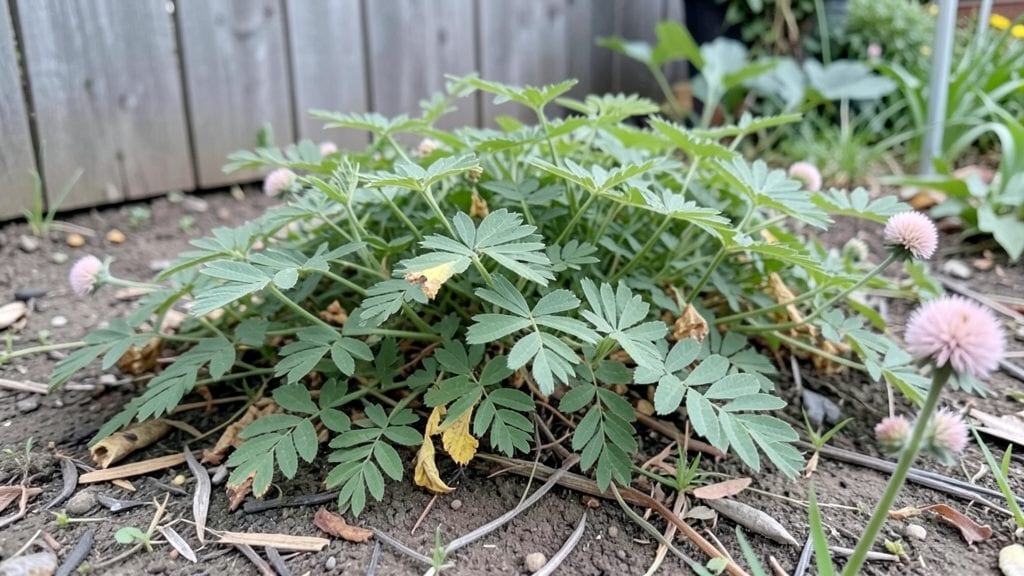
Growing a mimosa pudica tree in the Pacific Northwest means mastering frost-resistant pruning—because this sensitive plant needs careful handling to survive our damp winters. 🌿 The trick isn’t just cutting back; it’s timing those snips to protect its delicate foliage while encouraging fresh, vibrant growth before spring.
I’ve learned that pruning too late or too aggressively can leave it vulnerable, but with the right approach, you’ll have a thriving plant that bounces back stronger every year.
The key starts with understanding its needs: mimosa pudica loves bright, indirect light and well-draining soil, but it hates soggy roots. In our rainy climate, that means raised beds or containers with drainage holes are your best friends.
When pruning, focus on removing dead or yellowing leaves first—those are signs the plant’s struggling—and then shape it to encourage bushier growth. Think of it like giving your plant a haircut: trim just enough to keep it healthy, not a drastic overhaul.
By late winter, you’ll see new growth popping up, and with proper pruning, your plant will reward you with those iconic, fast-moving leaves that close at the slightest touch. The payoff? A lush, interactive plant that thrives even in our chilly, wet winters.
Just remember: patience is key—this isn’t a fast-growing tree, but with the right care, it’ll become a standout feature in your garden or indoor space.
Whether you’re pruning outdoors or keeping it as a houseplant, the same rules apply: less is more, and timing matters. Start with a small trim in early spring, then adjust as needed.
Before you know it, your mimosa pudica will be the talk of the neighborhood—literally, if you’ve ever seen its leaves "dance" when you brush past them.
📚 In This Guide
- What you need
- Instructions
- Tips and common mistakes
- Wrapping up and next steps
What you need
- ● Pruning shears: Bypass pruners (sharp, sterilized) for clean cuts on smaller stems (budget: $15–$30). For thicker branches, use loppers (12–18 inches, $20–$40).
- ● Hand pruners: Anvil-style for emergency cuts (avoid for mimosa pudica’s sensitive branches).
- ● Pruning saw: Folding saw with fine teeth (for branches >1 inch thick, $10–$25).
- ● Gloves: Heavy-duty, cut-resistant (e.g., Mechanix or gardening gloves, $10–$20). Mimosa pudica can be spiky!
- ● Disinfectant: 70% isopropyl alcohol or horticultural spray (to sterilize tools between cuts and prevent disease).
- ● Rubbing alcohol wipes: 1–2 packs (for quick tool cleanups in the field).
- ● Trash bags: Heavy-duty (10–20 gallon) for pruned debris (2–3 bags).
- ● Garden twine or zip ties: (3–5 feet) to secure supports for leggy growth.
- ● Ladder: Extendable (6–10 feet) if your tree is tall (mimosa pudica can reach 3–5 feet in PNW climates).
- ● Plant food: Balanced 10-10-10 fertilizer (1–2 lbs) to nourish roots post-pruning.
- ● Mulch: Pine bark or straw (2–3 inches thick) to protect roots during PNW’s chilly winters.
- ● Camera/phone: To document your tree’s progress (because before/after shots are satisfying!).
- ● First-aid kit: For minor scrapes (mimosa thorns are real!).
Step-by-Step pruning guide for mimosa pudica trees
Here's how to keep your sensitive plant thriving in the Pacific Northwest's cooler climate.
✂️ Step 1: Time Your Pruning for Optimal Growth
Prune your mimosa pudica tree in early spring—just as new growth begins to emerge. This timing ensures you remove any frost-damaged branches while encouraging fresh, vigorous shoots. The Pacific Northwest's mild winters often leave some cold-sensitive branches looking brown or crispy, so wait until you see bright green buds forming before cutting.
Never prune in late summer or fall, as this can stimulate tender new growth that won't survive winter. If you missed the spring window, a light pruning in early summer is better than none at all. Just avoid heavy cuts during the hottest months, as the plant needs energy to recover before cooler weather arrives.
🌿 Step 2: Identify and Remove Damaged or Weak Branches
Start by examining each branch for signs of frost damage—look for brown, brittle stems or leaves that don't fold when touched. Healthy branches should feel firm and spring back when gently squeezed. Use clean, sharp pruning shears to cut just above a leaf node (the point where leaves attach), making the cut at a 45-degree angle to prevent water from pooling.
Remove any branches that are crossing or rubbing against each other, as these create wounds that can invite disease. Thin out crowded areas to improve air circulation, which is especially important in the Pacific Northwest's damp climate. You'll know you're doing well when the plant's center looks open and light can reach all the way to the base.
☀️ Step 3: Shape for Better Light Exposure and Airflow
Mimosa pudica thrives in bright, indirect light, so your goal is to encourage a bushy, open shape that lets sunlight penetrate the entire plant. Step back and visualize how light moves through your tree—cut back any branches that are blocking light from reaching the inner leaves. Aim for a rounded, slightly dome-like shape, which helps the plant retain heat in cooler Pacific Northwest nights.
Focus on pruning the outer third of the plant first, then work your way inward. Avoid cutting more than one-third of the plant's total foliage in a single session, as this can stress the mimosa pudica. If you're unsure, err on the side of caution and prune lightly—you can always do more next year.
🪴 Step 4: Encourage Bushier Growth with Strategic Trimming
To promote a fuller, more compact plant, trim back the longest stems by about one-third of their length. This signals the plant to branch out instead of growing tall and leggy. Look for stems that are growing outward rather than upward—these are the ones that will help fill out the tree's shape. Make your cuts just above a set of leaves or a bud, where new growth will emerge.
If your mimosa pudica has become too leggy, you can also prune the tips of the main branches to encourage side shoots. This is especially helpful if your plant has been growing toward a window or light source. After pruning, give the plant a light fertilizer application to support its recovery. You'll notice new growth within 2-3 weeks, signaling that the pruning was successful.
⏰ Step 5: Post-Pruning Care for a Strong Recovery
After pruning, water your mimosa pudica deeply but thoroughly, ensuring the soil is moist but not soggy. The Pacific Northwest's cooler, wetter climate means your plant may need slightly more frequent watering during recovery. Place the plant in a bright, indirect light spot for a few days to reduce stress, then gradually reintroduce it to its usual light conditions.
Monitor the pruned areas for any signs of stress, such as yellowing leaves or wilting. If you notice these symptoms, reduce watering slightly and ensure the plant has good airflow. Within 4-6 weeks, you should see new growth emerging from the pruned areas, indicating that your mimosa pudica is recovering well. This is the perfect time to adjust future pruning as needed to maintain its shape and health.
Tips & tricks for perfect mimosa pudica tree pruning
Here's what I learned from years of pruning these sensitive plants in our Pacific Northwest garden—these tricks make all the difference.
Timing is Everything: The early spring timing in Step 1 is non-negotiable for PNW climates. If you're unsure when to start, check for those bright green buds—when you see them, it's time to prune. I've found that waiting until after the last frost (usually late March to early April in our area) gives the plant a head start on recovery. For those who miss spring, remember that early summer is your second chance, but avoid heavy cuts during July and August when the plant needs all its energy for summer growth.
Tool Prep Matters: Before you start cutting in Step 2, sterilize your pruning shears with rubbing alcohol to prevent spreading disease between cuts. I also recommend using bypass pruners—they make cleaner cuts than anvil pruners, which can crush stems and create entry points for infections. And here's a pro move: sharpen your blades before the season starts. Dull tools tear plant tissue instead of cutting cleanly, which slows healing.
Light Visualization Technique: When shaping your plant in Step 3, I've developed a simple trick: stand back and hold your hand up to block light from different angles. Wherever your shadow falls on the plant's center, those are the branches you need to trim to let light penetrate. This method helps create that perfect dome shape that retains heat so well in our cooler nights. Think of it as giving your plant a "light massage" to encourage even growth.
Recovery Monitoring: After your post-pruning care in Step 5, set a reminder to check on your plant every 7-10 days during the first month. Look for new growth at the leaf nodes where you made cuts—this is your plant's way of saying "thank you" for the pruning. If you notice any yellowing leaves, it's usually a sign of overwatering rather than stress from pruning. The PNW's damp climate can trick even experienced gardeners into watering too much during recovery.
Pro Tips for Mimosa Pudica Tree
- Here's what I learned from years of pruning these sensitive plants in our Pacific Northwest garden—these tricks make all the difference.
- Timing is Everything: The early spring timing in Step 1 is non-negotiable for PNW climates.
- Tool Prep Matters: Before you start cutting in Step 2, sterilize your pruning shears with rubbing alcohol to prevent spreading disease between cuts.
Frequently asked questions
Got questions about growing and pruning your Mimosa pudica tree in the Pacific Northwest? Here are some common concerns—and their answers—to help you keep your sensitive plant thriving, even in cooler climates.
Can Mimosa pudica survive frost in the PNW?
The Mimosa pudica is not frost-tolerant—it thrives in USDA zones 10-11. In the PNW (zones 7-9), grow it as an annual or overwinter indoors near a sunny window. If you must keep it outside, use a frost cloth or move pots to a sheltered spot before temps drop below 32°F (0°C). Pro tip: Mulch the soil to retain warmth!
When is the best time to prune Mimosa pudica in the PNW?
Prune your Mimosa pudica in early spring (March-April) before new growth begins. Avoid heavy pruning in fall—it stresses the plant before winter. Focus on removing dead or leggy stems and shaping it lightly to encourage bushier growth. Never prune after frost, as it can harm tender new shoots. Timing matters: Wait until soil temps rise above 50°F (10°C).
How do I encourage my Mimosa pudica to grow bushier?
To promote a fuller, bushier plant, prune the tips of stems (just above a leaf node) to stimulate branching. Also, ensure it gets 6+ hours of sunlight daily and well-draining soil. Pinch back leggy growth regularly, and fertilize lightly with a balanced 10-10-10 mix every 4-6 weeks during growing season. Bonus: Rotate the pot occasionally for even growth!
Why is my Mimosa pudica dropping leaves or wilting?
Leaf drop or wilting often signals overwatering, underwatering, or stress. Check soil moisture—it should stay lightly moist but not soggy. Yellow leaves? Likely overwatering or poor drainage. Brown, crispy leaves? Underwatering or low humidity. Move the plant to a shadier spot if leaves scorch in hot PNW summers. Fix it fast: Adjust watering and monitor humidity!
Can I grow Mimosa pudica from cuttings in the PNW?
Yes! Take 4-6 inch cuttings from healthy stems, remove lower leaves, and dip in rooting hormone. Plant in sandy, well-draining soil and keep humid (use a plastic bag or propagator). Place in bright, indirect light and mist daily. Roots should form in 2-4 weeks. Patience pays off: Keep soil moist but not waterlogged!
Wrapping up and next steps
The Mimosa pudica is a fascinating, frost-resistant plant that thrives in the Pacific Northwest’s unique climate—when pruned with care! 🌿 By following the right timing, tools, and techniques, you’ll encourage healthier growth, vibrant blooms, and even better resilience against cold snaps.
Whether you’re a seasoned gardener or just starting, this guide gives you the confidence to master pruning like a pro.
Ready to transform your garden? Start small: pick one section of your Mimosa pudica to prune this weekend, and observe how it responds. Before you know it, you’ll have a lush, thriving plant that’s the envy of the neighborhood! 🌱✨