
Trees
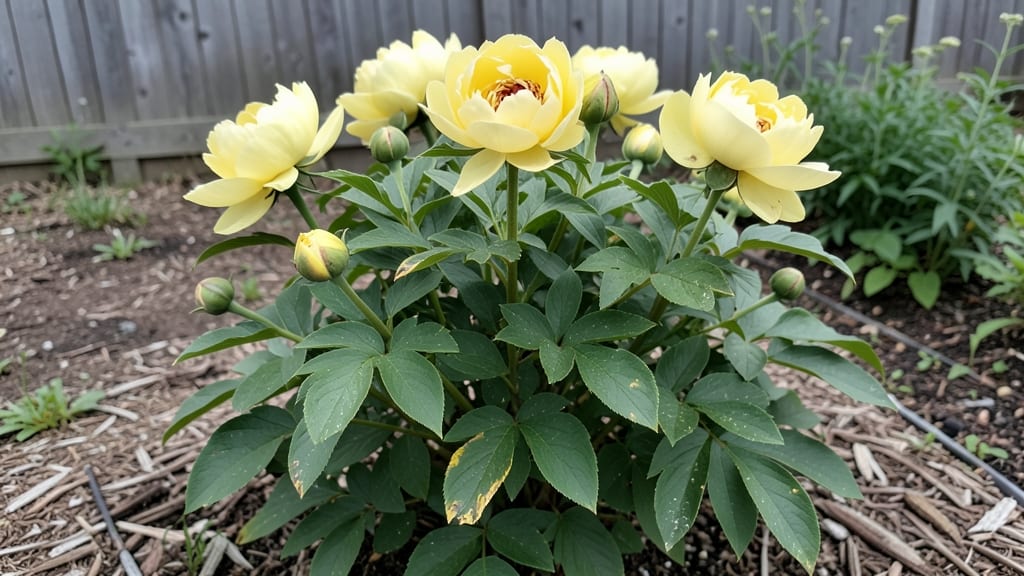
The yellow tree peony (Paeonia ostii) brings sunshine to gardens where few perennials dare—its bold blooms endure Pacific Northwest winters like a champion. 🌸 I planted mine last spring, and by summer, the sunburst-yellow flowers stood out against the rain-soaked greenery, proving this isn’t just another pretty face—it’s a hardy powerhouse that thrives where others falter.
This isn’t your average diva plant. Yellow tree peonies love full sun to partial shade, tolerate zones 4-8, and handle wet winters better than most. The secret? Well-draining soil—amend heavy clay with compost—and minimal fuss once established.
Prune spent blooms in late summer, and watch as sturdy stems return year after year, blooming reliably for decades.
📚 In This Guide
- What you need
- Instructions
- Tips and common mistakes
- Wrapping up and next steps
What you need
- ● Yellow Tree Peony Plant: 1–3 Paeonia ostii (yellow tree peony) tubers or bare-root plants (choose a reputable nursery for cold-hardy varieties like ‘Duchesse de Nemours’ or ‘Yellow Queen’).
- ○ Optional: Seeds (if propagating from scratch—germination takes 2–3 years!).
- ● Planting Site: Full sun to partial shade (6+ hours of sunlight daily).
- ● Well-draining soil (amend heavy clay with compost or sand).
- ● Space: 3–4 feet between plants (they grow 3–5 feet tall/wide).
- ● Digging Tools: Garden trowel or spade (for transplanting tubers).
- ● Grafting knife (if grafting scions onto rootstock).
- ● Soil Amendments: Compost or aged manure (5–10 lbs per planting hole).
- ● Bone meal or phosphorus-rich fertilizer (1–2 tbsp per hole).
- ○ Optional: Mycorrhizal fungi (boosts root health in PNW’s acidic soils).
- ● Mulch: Wood chips or straw (2–3 inches thick; protects roots in winter).
- ● Watering: Hose with adjustable nozzle or drip irrigation system.
- ● Patience: Tree peonies take 3–5 years to bloom fully.
- ● Cold-hardiness: Choose varieties rated for USDA Zones 4–8 (PNW-friendly!).
- ● Pro Tip: Plant in early spring or fall (avoid summer heat stress!).
Step-by-Step instructions for planting and establishing yellow tree peonies
Here's how to plant these stunning, frost-hardy perennials for long-lasting blooms in your Pacific Northwest garden.
🌱 Step 1: Choose the Perfect Planting Location and Time
Yellow tree peonies thrive in full sun to partial shade, with at least 6 hours of direct sunlight daily. In the Pacific Northwest's cooler climate, a spot with morning sun and afternoon shade works beautifully—this prevents afternoon leaf scorch while ensuring strong blooms. The best time to plant is in early spring or early fall, when soil temperatures are 50-60°F.
Dig a hole twice as wide as the root ball but only 1-2 inches deeper than the container's base. Tree peonies hate having their crowns buried too deep—this leads to rot and weak stems. If your soil drains poorly, amend with compost or organic matter to improve aeration. I always test drainage by filling the hole with water and watching how quickly it drains.
🪴 Step 2: Plant with Care to Ensure Proper Root Spread
Gently remove the tree peony from its container and loosen the roots if they're circling. Position the plant so the top of the root ball sits 1-2 inches below soil level—this ensures stability and prevents crown rot. Spread the roots outward in the hole, making sure they're not bent or crowded.
Fill the hole halfway with native soil mixed with a balanced organic fertilizer (like 5-5-5), then water deeply to settle the soil around the roots. Backfill the rest of the hole, pressing gently to eliminate air pockets. Avoid compacting too firmly—tree peonies need loose, well-aerated soil to establish strong roots. Water again until the soil is evenly moist but not soggy.
☀️ Step 3: Mulch and Water for Strong Establishment
Spread a 3-inch layer of organic mulch (like wood chips or shredded bark) around the base, keeping it 6 inches away from the trunk to prevent rot. Mulch helps retain moisture, regulate soil temperature, and suppress weeds—critical for Pacific Northwest gardens where winter rains can be heavy. I always use a coarse mulch because fine mulch compacts and smothers roots over time.
Water deeply once a week during the first growing season, providing 1-2 inches of water per week (more in summer heat). Yellow tree peonies are drought-tolerant once established, but young plants need consistent moisture to develop strong roots. You'll know watering is right when the top 2 inches of soil feel moist but not waterlogged—stick your finger in to check.
✂️ Step 4: Prune and Support for Healthy Growth
After the first flush of blooms, cut back spent stems to just above the first set of leaves using clean, sharp pruners. This encourages a second bloom cycle in warmer climates (like the PNW's inland areas). Avoid heavy pruning in fall—tree peonies store energy in their roots, and aggressive cuts weaken next year's flowers. I also remove any suckers that appear at the base, as they divert energy from the main plant.
Install a light support stake (like a bamboo stake) if your tree peony grows taller than 3 feet—their woody stems can get top-heavy with blooms. Tie stems loosely with soft twine to prevent wind damage, but don't cinch too tight. In winter, leave the mulch in place—it insulates roots from freezing temperatures, which these frost-resistant plants appreciate.
⏰ Step 5: Monitor and Adjust for Long-Term Success
Check the plant's progress in late spring when new growth emerges. Healthy tree peonies have deep green, glossy leaves and sturdy stems. If leaves yellow or wilt, it's often a sign of overwatering or poor drainage—amend the soil with more compost next time. Adjust mulch thickness yearly, adding a fresh layer in early spring to maintain moisture and suppress weeds.
By year three, your yellow tree peony should establish a strong root system and produce abundant blooms. These plants reward patience—some varieties take 3-5 years to reach full maturity. In the Pacific Northwest, they'll bloom reliably for decades with minimal care, making them a true garden investment.
Tips & tricks for perfect yellow tree peony planting
These pro strategies will help you avoid common pitfalls and ensure your yellow tree peonies thrive for decades in your Pacific Northwest garden.
Soil Preparation Secret: Before planting, mix a handful of compost directly into the backfill soil—this gives roots an immediate nutrient boost. I also recommend adding a slow-release organic fertilizer (like 5-5-5) to the hole during Step 2. This prevents nutrient deficiencies that cause weak stems and sparse blooms, especially in our region's nutrient-poor soils.
Root Ball Handling: When removing your tree peony from its container in Step 2, gently tease apart any circling roots with your fingers—this prevents girdling as the plant matures. If roots are severely tangled, make a few strategic cuts with clean pruners to encourage outward growth. Never force roots into the hole; they should spread naturally when planted at the correct depth.
Watering Wisdom: The 1-2 inches per week guideline in Step 3 is perfect for our climate, but timing matters. Water in the early morning to reduce evaporation and fungal risks. For the first month after planting, I recommend checking soil moisture daily—tree peonies need consistent moisture to establish roots, but soggy soil leads to rot. Use your finger to test the top 2 inches of soil before watering.
Pacific Northwest Climate Adaptation: Our region's heavy winter rains and cool summers require special attention. In Step 3, increase mulch thickness to 4 inches during winter to provide extra insulation against freezing temperatures. For summer watering, increase to 2-3 inches per week when temperatures exceed 80°F, as our dry summers can stress young plants. Monitor leaves—if they curl or yellow, it's often a sign of underwatering.
Pro Tips for Yellow Tree Peony
- These pro strategies will help you avoid common pitfalls and ensure your yellow tree peonies thrive for decades in your Pacific Northwest garden.
- Soil Preparation Secret: Before planting, mix a handful of compost directly into the backfill soil—this gives roots an immediate nutrient boost.
- Root Ball Handling: When removing your tree peony from its container in Step 2, gently tease apart any circling roots with your fingers—this prevents girdling as the plant matures.
Frequently asked questions
Got questions about growing yellow tree peonies? You’re not alone! Here are answers to the most common queries from gardeners—especially those in the Pacific Northwest—to help you cultivate these stunning, frost-hardy blooms with confidence.
When is the best time to plant a yellow tree peony?
The ideal window is early spring (March–April) or fall (September–October) in your region. Planting in early spring allows roots to establish before summer heat, while fall planting gives them time to root before winter. Avoid planting when the ground is frozen or too dry.
How cold can yellow tree peonies tolerate?
These beauties are USDA Zone 4–8 hardy, meaning they can survive down to -30°F (-34°C)! In the Pacific Northwest, they thrive in winter, but protect young plants with a light mulch (2–3 inches) to shield roots from extreme cold snaps.
Why aren’t my yellow tree peony buds opening?
Bud blast (failed blooms) is common in wet springs or overly rich soil. Try these fixes:
- Ensure well-draining soil—amend clay with compost.
- Prune dead buds in late winter to encourage new growth.
- Avoid high-nitrogen fertilizers; opt for balanced (10-10-10) in early spring.
Can I grow yellow tree peonies in containers?
Yes! Use a large container (at least 20 gallons) with drainage holes and a loamy, well-draining mix. Move pots to partial shade in summer to prevent stress. However, container-grown peonies may bloom slightly less than in-ground plants.
What pests should I watch for with yellow tree peonies?
Keep an eye out for:
- Peony sawfly larvae (chew leaves—handpick or use neem oil).
- Aphids (suck sap; spray with soapy water).
- Japanese beetles (skeletonize leaves; use milky spore or traps).
Healthy plants with good airflow resist pests best!
Pro Tip:
For bigger blooms, stake tall stems early in the season (before heavy rain). Yellow tree peonies often need support—don’t wait until flowers are fully open!
Wrapping up and next steps
The yellow tree peony is a stunning, low-maintenance addition to Pacific Northwest gardens—its vibrant blooms and frost-hardy nature make it a winner for both beginners and seasoned gardeners. 🌸 With the right care, this beauty will reward you with years of color and resilience, proving that stunning landscapes don’t require complicated upkeep.
Ready to plant your own? Start by selecting a sunny spot, prepping the soil, and choosing healthy nursery stock. Then, give it time to establish—soon, you’ll be the envy of the neighborhood with your thriving yellow tree peony! 🌱✨