Pruning
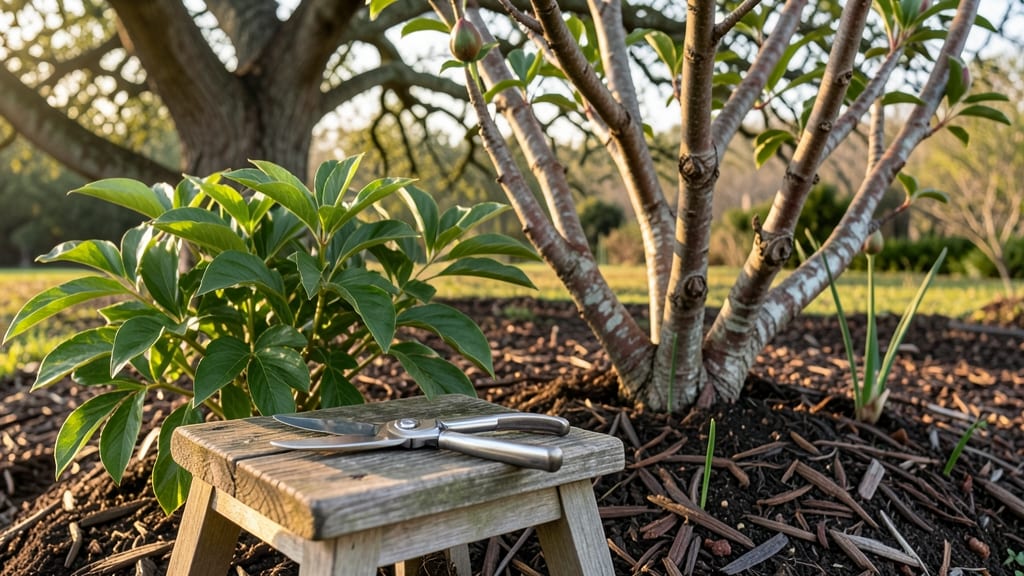
Pruning tree peonies after they bloom is the secret to those showstopping clusters of blooms year after year. I’ve seen firsthand how a single misplaced cut can turn a healthy tree peony into a leggy shadow of its former self—so timing, technique, and patience make all the difference.
The right approach keeps your plant thriving while avoiding the common pitfalls that leave gardeners frustrated.
You’ll need just three things: sharp bypass pruners, a clean pair of gloves, and a clear afternoon to work. The goal is simple: remove spent blooms, thin crowded stems, and shape the plant without overdoing it.
Tree peonies are forgiving, but they reward precision—think of it like sculpting, not hacking. Most gardeners over-prune, which stresses the plant and reduces next year’s flowers.
By the time you’re done, you’ll have a tree peony that looks neater and produces more blooms than ever before. The key is cutting just above the first set of healthy leaves, never more than one-third of the plant at once.
This method keeps the plant balanced, encourages strong new growth, and prevents disease by improving airflow.
Whether you’re dealing with a mature specimen or a young plant, the principles stay the same. The biggest mistake? Pruning too early or too late in the season.
We’ll cover exactly when to step in—and how to tell if you’ve gone too far. Ready to transform those floppy stems into a showcase-worthy centerpiece?
📚 In This Guide
- What you need
- Instructions
- Tips and common mistakes
- Wrapping up and next steps
What you need
- ● Pruning shears or loppers: Sharp, clean, and disinfected (70% isopropyl alcohol works great). Opt for bypass pruners (for clean cuts) or loppers (for thicker stems, up to 1.5 inches in diameter).
- ● Gloves: Heavy-duty gardening gloves to protect your hands from thorns and rough stems.
- ● Disinfectant solution: 1 part bleach to 9 parts water (or a commercial pruning sealant) to prevent disease spread between cuts.
- ○ Rake or leaf blower: For clearing away debris after pruning (optional but helpful!).
- ● Notebook & pen: To jot down notes on your tree peony’s growth habits (e.g., stem locations, bloom patterns).
- ● Pruning saw: For stubborn, woody stems that pruners can’t handle.
- ● Hand pruners with a bypass blade: For precision trimming of smaller stems.
- ● Mulch (compost or shredded bark): To replenish nutrients after pruning.
- ● Plant food (balanced fertilizer): 10-10-10 or similar, applied post-pruning for a growth boost.
- ● Knee pad or stool: For comfort if your tree peonies are tall or thick.
Instructions for pruning tree peonies
Here's the straightforward method I use every spring to keep my tree peonies blooming abundantly for years.
Time Your Pruning Correctly
Prune tree peonies immediately after they finish blooming, typically in late spring or early summer. This timing ensures you remove spent flowers while leaving the plant's energy reserves intact for next year's buds. I wait until the blooms wilt completely and the foliage begins to yellow—this usually happens about 6-8 weeks after flowering.
Never prune in fall or winter. Tree peonies store energy in their roots and stems for next season's growth, and cutting back too early disrupts this process. If you prune at the wrong time, you risk reducing next year's bloom count significantly.
Use the Right Tools and Technique
Grab clean, sharp pruning shears or loppers—dull blades crush stems and invite disease. I sterilize my tools with rubbing alcohol before each use to prevent spreading any potential pathogens. Make cuts about ½ inch above a bud or branch node, always cutting at a slight angle to prevent water from pooling on the wound.
Remove only the dead or dying stems first. You'll know which ones to cut by their brown, crispy appearance. Leave the healthy stems alone—they're the ones that will produce next year's flowers. Tree peonies are surprisingly resilient, so don't worry about making perfect cuts.
Thin Out Overcrowded Growth
Look for stems that are crossing or rubbing against each other. These stems compete for sunlight and nutrients, weakening both plants. Use your shears to remove about 10-20% of the oldest, thickest stems each year. This rejuvenates the plant by allowing younger stems to grow stronger.
Pay attention to stems that grow straight up without branching—they're called "water sprouts" and should be removed completely. These stems don't produce flowers and take energy away from the flowering stems. After thinning, step back and admire your plant's new shape—you'll see how much more open and airy it looks.
Clean Up and Monitor Progress
After pruning, collect all the cuttings and dispose of them properly. Don't leave them on the ground where they can harbor pests or diseases. I like to compost the healthy-looking stems, but diseased ones should go in the trash. Water the base of the plant thoroughly to help it recover from the pruning.
Watch for new growth in the following weeks. Healthy tree peonies will show fresh green leaves and new buds forming at the base of the remaining stems. If you see yellowing leaves or wilting stems, your plant might be stressed—give it some extra care with regular watering and mulching.
Maintain Through the Growing Season
Keep the area around your tree peony free of weeds and debris. Spread a 2-3 inch layer of mulch around the base, but leave a gap of a few inches around the stem to prevent rot. Water deeply once a week during dry spells, aiming for 1-1.5 inches of water per week.
In late fall, after the foliage turns yellow and dies back, you can add a balanced fertilizer to the soil. This gives the plant a nutrient boost for next year's growth. Remember, tree peonies are long-lived plants—proper pruning now ensures beautiful blooms for decades to come.
Tips & tricks for pruning tree peonies
These simple strategies will help you prune your tree peonies like a pro and keep them blooming beautifully for years to come.
Timing is Everything: The 6-8 week window after flowering is critical—this gives your peonies time to store energy for next year's blooms. If you're unsure when to prune, mark the day your flowers fully open and count forward 6 weeks. I always set a reminder in my phone for this exact date to avoid missing the window.
Tool Prep Makes All the Difference: Sterilizing your pruning shears with rubbing alcohol before each use prevents spreading diseases between plants. I keep a small bottle of 70% isopropyl alcohol in my gardening toolkit for quick sterilization. Also, make sure your blades are sharp—dull shears crush stems, which invites infection and weakens the plant.
Identify Water Sprouts: These straight-up, unbranched stems are energy vampires—they don't produce flowers and take nutrients from your blooming stems. Look for them in Step 3 when you're thinning. I like to snap them off at the base rather than cutting, as this prevents any potential disease entry points from pruning wounds.
Post-Pruning Care: After you've finished pruning, give your tree peony a thorough watering to help it recover. I always add a 1-inch layer of mulch around the base (keeping it away from the stem) to retain moisture and suppress weeds. This simple step can make a huge difference in your plant's health during the growing season.
Pro Tips for Pruning Tree Peonies
- These simple strategies will help you prune your tree peonies like a pro and keep them blooming beautifully for years to come.
- Timing is Everything: The 6-8 week window after flowering is critical—this gives your peonies time to store energy for next year's blooms.
- Tool Prep Makes All the Difference: Sterilizing your pruning shears with rubbing alcohol before each use prevents spreading diseases between plants.
Frequently asked questions
Got questions about pruning your tree peonies? You’re not alone! Here are answers to the most common concerns—so you can confidently shape your plants for stunning blooms.
When is the best time to prune tree peonies?
Prune after flowering, typically in late spring to early summer (May–June). Avoid pruning in fall or winter, as it can stimulate new growth that may be damaged by frost. If you missed the window, wait until early spring before buds swell—but never prune in fall.
How much can I cut back my tree peony?
Remove 1/3 to 1/2 of the previous year’s growth, focusing on dead, weak, or crossing branches. Never cut more than 50% of the plant’s height—tree peonies bloom on old wood, so drastic cuts reduce next year’s flowers. Aim for an open center to improve airflow and sunlight.
What if I prune at the wrong time?
Pruning too early (before blooms fade) removes next year’s flower buds. Fall pruning can stress the plant, making it vulnerable to disease or winter dieback. If you’ve already pruned incorrectly, don’t panic—just adjust future timing and focus on light maintenance cuts in upcoming seasons.
Will pruning kill my tree peony?
No—proper pruning encourages healthier growth! Over-pruning (cutting too much or at the wrong time) is the real risk. Tree peonies are hardy and resilient; with correct technique, they’ll bounce back with even more vibrant blooms. Think of it like a haircut: less is more!
Can I prune tree peonies the same way as herbaceous peonies?
Not exactly! Herbaceous peonies die back to the ground in winter and can be cut to the base in early spring. Tree peonies, however, keep their foliage year-round. Prune them only after blooming, and never cut into old wood—this is where next year’s buds form.
Wrapping up and next steps
Pruning tree peonies might seem tricky, but with the right timing and technique, you’ll unlock vibrant blooms and healthier growth for years to come! Remember to prune after flowering (late summer to early fall), remove spent blooms, and avoid over-trimming to keep your peonies thriving.
Patience and care will pay off with stunning, long-lasting flowers.
Now that you’re ready to prune, grab your tools and get started—your garden will thank you! For extra tips, check out our guide on peony care or join a local gardening group to share your progress. Happy pruning! 🌸✂️