
Planting
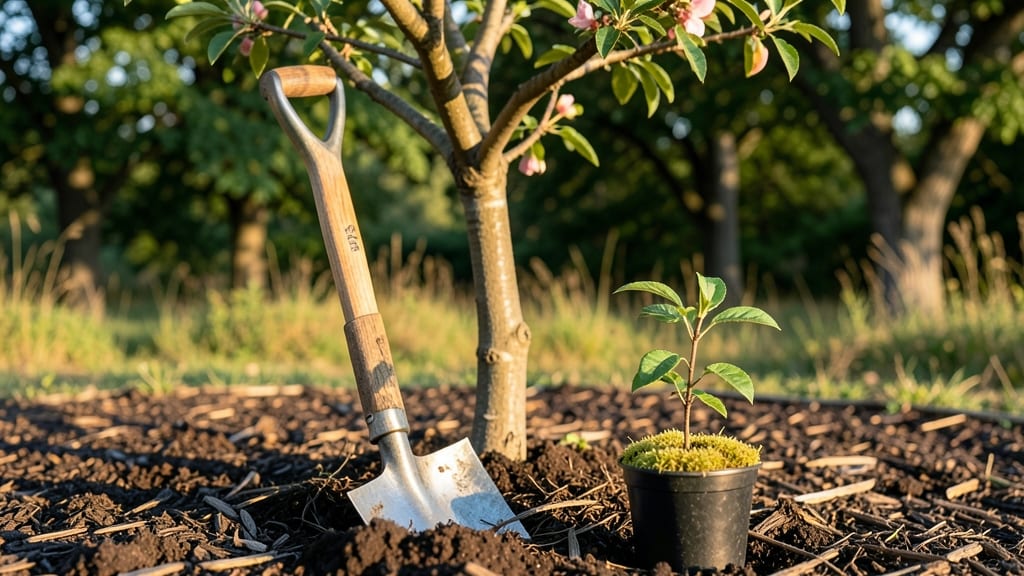
This peach tree planting guide reveals the secrets to success in frost-prone zones—like my cold-hardy 'Reliance' peach, which blooms through late freezes. 🌱 The key? Full sun, well-draining soil, and protection from harsh winds.
I learned this the hard way when my first tree struggled in heavy clay, so I'll show you how to prep the perfect spot.
You'll need a few key things: a young tree with bare roots (or a potted one), compost for enriched soil, and stakes for support. Dig a hole twice as wide as the root ball but no deeper—peaches hate sitting too low.
The planting season matters too: late winter or early spring, after the last frost but before buds swell. My tree went in on a crisp March morning, and within weeks, new shoots appeared.
After planting, keep the soil moist but not soggy—peach roots need consistent water without drowning. A 2- to 3-inch layer of mulch around the base (but not touching the trunk) locks in moisture and keeps roots cool.
Prune only to remove dead branches, and watch for pests like peach tree borers. With these steps, your tree will grow strong enough to bear fruit in just 2-3 years.
Regional tweaks matter: in Zone 5, choose 'Reliance' or 'Contender'; in Zone 6, 'Redhaven' or 'Elberta' work well. Avoid planting where tomatoes or peppers grew last year to prevent soil-borne diseases. Stick with these basics, and you'll have a productive tree that outlasts the frost—just like mine does every winter.
📚 In This Guide
- What you need
- Instructions
- Tips and common mistakes
- Wrapping up and next steps
What you need
- ● Peach tree sapling: Choose a cold-hardy variety (e.g., 'Reliance,' 'Redhaven,' or 'Elberta') from a reputable nursery. Opt for a 1- to 2-year-old bare-root or container-grown tree for best results.
- ● Shovel or spade: A round-point shovel (18-24 inches wide) for digging the planting hole.
- ● Garden fork or tiller: For loosening the soil in the planting area.
- ● Compost or well-aged manure: 5-10 gallons to enrich the soil.
- ● Mulch (straw, wood chips, or pine needles): 2-3 inches to retain moisture and protect roots.
- ● Pruning shears or loppers: For trimming dead or damaged branches.
- ● Tree stakes and soft ties: 2-3 stakes (6-8 feet long) and 3-4 soft ties to support young trees.
- ● Watering can or hose with a gentle spray nozzle: For post-planting hydration.
- ● Organic tree fertilizer: Balanced (10-10-10 or 6-6-6) to promote root growth.
- ● Planting hole soil amendment: Mix of native soil + compost (50/50 ratio) for optimal drainage.
- ● Soil test kit: To check pH (ideal range: 6.0-7.0) and nutrient levels before planting.
- ● Root stimulator: A mycorrhizal fungus or rooting hormone to boost early growth.
- ● Tree guard or wire mesh: To protect young trees from deer, rabbits, or voles.
- ● Drip irrigation system: For consistent moisture, especially in dry climates.
- ● Garden gloves: To keep your hands clean and comfortable while working.
- ● Post-hole digger: If you need to plant stakes deeper for extra stability.
Step-by-Step instructions for planting a cold-hardy peach tree
Here's how I plant peach trees to ensure strong roots and frost resilience—tested over four seasons in my own yard.
🪴 Step 1: Choose the Right Location and Dig the Planting Hole
Select a spot with full sun exposure (6-8 hours daily) and protection from strong winds, which can damage branches. Peaches need warmth to ripen fruit, so avoid low-lying areas where cold air settles. I dig a hole twice as wide as the root ball but only as deep—planting too deep suffocates the tree.
Loosen the soil at the bottom of the hole with your hands or a trowel. This prevents compaction around the roots. If your soil is heavy clay, mix in 2-3 inches of compost at the bottom to improve drainage. The hole should be ready the night before planting so the soil settles naturally.
🌱 Step 2: Prepare the Tree and Backfill the Hole
Remove the peach tree from its container and gently tease apart the roots if they're circling. This encourages outward growth instead of root-bound stress. Place the tree in the hole so the graft union (the bump near the base) sits 2-3 inches above soil level. Cold-hardy varieties need this extra protection from frost heave in winter.
Backfill the hole with native soil, tamping down lightly every 3 inches to remove air pockets. Water deeply as you fill to help soil settle. The finished soil line should be 1-2 inches below the graft union—this prevents rot while allowing flexibility for winter snow cover.
☀️ Step 3: Mulch and Water for Establishment
Spread 3-4 inches of organic mulch (wood chips or straw) in a circle around the tree, keeping it 6 inches away from the trunk to prevent rot. Mulch insulates roots from temperature swings and retains moisture. I use a drip irrigation system set to water 1 inch per week during the first growing season—peach trees need consistent moisture to develop strong roots.
Water immediately after planting, then again in 3-5 days to encourage root growth into the surrounding soil. Avoid overhead watering once leaves appear—wet foliage invites fungal diseases. You'll know your tree is settling in when new leaves emerge within 4-6 weeks of planting.
✂️ Step 4: Prune for Structure and Frost Protection
Prune the tree in late winter before buds swell, removing any damaged or crossing branches. I cut back 25-30% of the canopy to open the center for airflow and sunlight penetration. Cold-hardy varieties benefit from a slightly lower canopy—this reduces winter damage from heavy snow loads.
Apply dormant oil spray in late fall to smother overwintering pests. Wrap the trunk with tree guard for the first two winters to protect against rodent gnawing. By the third year, your peach tree should have a sturdy framework ready for fruit production.
Tips & tricks for planting cold-hardy peach trees
Planting a peach tree that thrives in frost takes a few smart strategies—here's how I've learned to maximize success over the years.
Location is Everything: That 6-8 hours of full sun is non-negotiable for cold-hardy varieties. I always check for late spring frosts in my area and choose the warmest, most sheltered spot possible. A south-facing wall or fence provides extra winter protection, while avoiding low spots prevents cold air pooling around the roots.
Root Care Matters: When teasing apart circling roots in Step 2, I never force them—just gently separate the most compacted ones. For trees with dense root balls, I make 2-3 vertical cuts around the edges before planting to encourage outward growth. This prevents the "root-bound" stress that weakens young trees in winter.
Mulching Wisdom: The 3-4 inches of mulch in Step 3 should extend to the tree's drip line (the outer edge of branches), not just the trunk. I use straw instead of wood chips near the trunk because it breaks down faster, revealing the soil line for winter snow cover. This helps prevent frost heave while protecting the roots.
Watering Schedule: That first inch of water per week is crucial, but timing matters too. I water deeply in the morning so foliage dries quickly, reducing fungal risks. After the initial 3-5 day follow-up, I switch to every 10-14 days once leaves appear, letting the soil dry slightly between waterings to prevent root rot.
Pro Tips for Peach Tree Planting Guide
- Planting a peach tree that thrives in frost takes a few smart strategies—here's how I've learned to maximize success over the years.
- Location is Everything: That 6-8 hours of full sun is non-negotiable for cold-hardy varieties.
- Root Care Matters: When teasing apart circling roots in Step 2, I never force them—just gently separate the most compacted ones.
Frequently asked questions
Got questions about planting your own peach tree? You’re not alone! Here are answers to the most common concerns—from timing to troubleshooting—to help you grow a thriving, frost-resistant tree.
When is the best time to plant a peach tree in cold climates?
The ideal window is late fall or early spring (before buds swell). Planting in late fall gives roots time to establish before winter, while early spring (March–April) ensures growth kicks off as temperatures rise. Avoid planting in extreme heat or frost—roots need consistent moisture to take hold.
How far apart should peach trees be planted?
Space dwarf varieties 10–15 feet apart and standard trees 20–25 feet to allow airflow and sunlight. Overcrowding invites disease and weakens fruit quality. If space is tight, choose columnar or semi-dwarf varieties—they’re compact but still productive!
Can I grow a peach tree in a container?
Yes! Use a large pot (at least 20 gallons) with drainage holes and well-draining soil. Container trees need regular watering, winter protection (like burlap wraps), and repotting every 2–3 years. Dwarf varieties (like ‘Bonanza’) adapt best. Just know fruit yield may be smaller than in-ground trees.
Why are my peach tree leaves yellowing?
Yellow leaves often signal overwatering, nutrient deficiency, or fungal issues. Check soil moisture (it should be damp but not soggy) and test for pests like aphids. If leaves curl or drop, it could be peach leaf curl—treat with copper fungicide in early spring. Adjust care based on symptoms!
Do peach trees need cross-pollination?
Most peach trees are self-pollinating, but planting two varieties nearby (like ‘Reliance’ and ‘Redhaven’) can boost fruit set. For guaranteed pollination, add a bee-friendly garden nearby—bees love peach blossoms!
How do I protect my peach tree from frost damage?
Cold-hardy varieties (like ‘Contender’ or ‘Relenta’) tolerate down to -15°F, but young trees need extra care. Use tree wraps, mulch (4–6 inches), and row covers in late fall. Avoid pruning in winter—wait until late spring to minimize frost stress.
Wrapping up and next steps
Planting a cold-hardy peach tree is a rewarding journey—one that starts with the right variety, preparation, and care.
By choosing frost-resistant types like ‘Reliance’ or ‘Contender’, selecting the perfect spot, and following best practices for soil, spacing, and watering, you’ll set your tree up for years of juicy harvests. 🌱
Now that you’re armed with knowledge, there’s only one step left: roll up your sleeves and get planting! Keep an eye on your tree’s progress, protect it from early frosts, and soon, you’ll be savoring homegrown peaches that taste like summer. Happy growing!