
Pruning
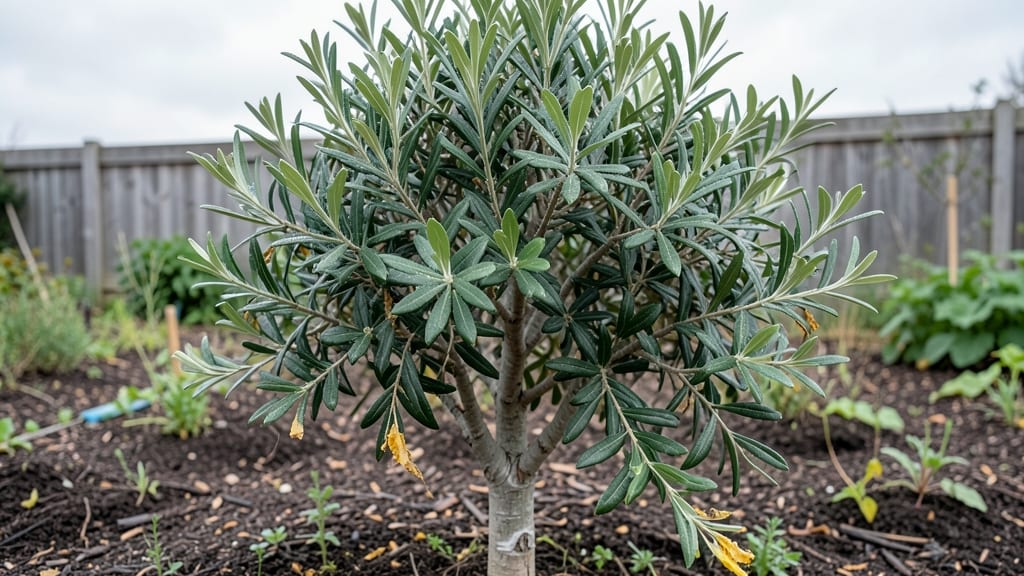
The Olea europaea 'Wilsonii' fruitless olive tree solves the Pacific Northwest's biggest olive tree problem—messy fruit drops. 🌿 I planted mine last spring, and the silvery-green leaves stayed lush through our damp winters, while neighboring fruit-bearing olives turned into a sticky cleanup nightmare.
This variety keeps its promise: no fruit, no fuss, just elegant year-round structure.
Thriving in zones 7-10, this tree handles our rainy summers and cool winters better than most ornamentals. It demands full sun—at least 6 hours daily—and tolerates poor, rocky soil once established. The key is well-draining soil: amend heavy clay with sand or gravel to prevent root rot.
Water deeply once a week for the first year, then let drought work for you—this tree drinks sparingly once mature.
Pruning shapes its graceful silhouette and prevents leggy growth. Trim back 1/3 of new growth in early spring before buds swell, and lightly shape again after summer flushes. The result? A compact, bushy tree that stays under 15 feet tall—perfect for urban yards or as a privacy screen.
Even in drought, it keeps its glossy foliage, making it the PNW's most reliable evergreen.
Watch for olive scale in dry summers—blast infestations with horticultural oil—but otherwise, this tree outlasts pests and diseases. The real magic? Its silver-blue foliage turns golden in winter, creating texture no other tree can match. Once established, it’s the ultimate low-maintenance stunner.
📚 In This Guide
- What you need
- Instructions
- Tips and common mistakes
- Wrapping up and next steps
What you need
- ● Pruning shears: Bypass pruners (sharp, 6-8 inch blades) for clean cuts on small branches.
- ● Loppers: 1 pair (18-24 inch) for thicker branches (½–1 inch diameter).
- ● Pruning saw: 1 handheld or folding saw for stubborn, woody branches (1–2 inches thick).
- ● Gloves: 1 pair of cut-resistant, gardening gloves (size medium/large for comfort).
- ● Disinfectant: 70% isopropyl alcohol or a 10% bleach solution (1 part bleach to 9 parts water) to sterilize tools.
- ○ Pruning sealant (optional): 1 small bottle (e.g., tree wound paint) for large cuts over ½ inch.
- ● Ladder or step stool: Adjustable height (6–10 feet) if your tree exceeds 8 feet tall.
- ● Heavy-duty trash bags: 2–3 bags (13-gallon size) for debris disposal.
- ● Notebook & pen: To sketch a quick pruning map or note branch locations.
- ● Weather check: Prune on a dry, calm day (avoid wind or rain within 24 hours).
- ● Safety glasses: 1 pair to protect eyes from debris.
- ● Long sleeves/pants: Wear to prevent scratches from thorns or branches.
- ● Water & snacks: Hydration breaks are key—pruning can be tiring!
- ● Tree health assessment: Inspect for pests/disease (e.g., scale, fungal spots) before pruning.
Step-by-step guide to planting and caring for Wilsonii fruitless olive trees
This drought-tolerant, evergreen beauty thrives in the Pacific Northwest’s climate—here’s how to plant and maintain it for years of lush foliage without the mess.
🌱 Step 1: Select the Perfect Planting Location and Prepare the Soil
The Wilsonii olive tree loves full sun—at least 6-8 hours daily—so choose a spot with maximum exposure, especially in cooler coastal climates. I always test the site first by observing sunlight patterns for a week; morning sun paired with afternoon shade works best in hotter inland areas.
This tree tolerates poor soil but thrives in well-draining, slightly alkaline conditions (pH 7.0-8.0). Amend heavy clay soil with 3-4 inches of compost mixed into the top 12 inches of soil. Avoid low-lying areas where cold air pools—frost sensitivity is the tree’s only weakness. Dig a hole twice as wide as the root ball but no deeper, loosening the sides to encourage root spread.
🪴 Step 2: Plant with Care to Ensure Strong Establishment
Remove the tree from its container and gently tease the roots if they’re circling. Position it so the top of the root ball sits 1-2 inches above ground level—this prevents waterlogging. Backfill with native soil mixed with 1 part compost to encourage microbial activity, tamping lightly in 3-inch layers to eliminate air pockets.
Water deeply right after planting to settle the soil, then create a 2-inch deep watering basin around the base. Mulch with 3-4 inches of wood chips, keeping it 6 inches away from the trunk to prevent rot. The mulch conserves moisture and regulates soil temperature—critical in the PNW’s wet winters and dry summers.
☀️ Step 3: Water and Fertilize for Optimal Growth
Newly planted trees need deep watering every 7-10 days until established (about 1-2 years). You’ll know it’s time when the top 6 inches of soil feel dry—stick your finger in to check. Overwatering is the fastest way to kill this drought-tolerant tree; yellowing leaves signal excess moisture.
Feed with a balanced 10-10-10 fertilizer in early spring (March) and again in late summer (August), using ½ the recommended rate. The Wilsonii olive is slow-growing but responds well to light feeding. Avoid high-nitrogen fertilizers—they promote leafy growth at the expense of hardiness in our climate.
✂️ Step 4: Prune for Shape and Health Year-Round
Light pruning in late winter (February) removes dead or crossing branches while shaping the tree. Use clean, sharp pruners to make cuts just above outward-facing buds. I never remove more than 25% of the canopy in one season—this tree handles stress poorly.
Watch for silver leaf disease (a fungal issue in humid climates) and treat immediately with a copper fungicide spray. The Wilsonii olive’s dense foliage naturally resists pests, but aphids occasionally appear. Blast them off with a strong stream of water—no chemicals needed for this tough tree.
⏰ Step 5: Winterize for Pacific Northwest Conditions
While this tree handles our mild winters well, young specimens benefit from winter mulching—add an extra 2 inches of mulch in December to insulate roots. If you’re in a USDA Zone 7 or colder, wrap the trunk with burlap during extreme cold snaps (below 20°F), but only if frost is forecasted for multiple nights.
Resist the urge to fertilize in fall—this tree enters dormancy naturally. Instead, prune lightly in late winter to encourage fresh spring growth. With proper care, your Wilsonii olive will reward you with glossy, silvery-green foliage for decades without the fruit mess.
Tips & tricks for perfect Wilsonii fruitless olive tree care
These pro tips will help you create the ideal conditions for your Wilsonii olive tree to thrive in the Pacific Northwest—without the fruit mess.
Sunlight Strategy: The 6-8 hours of daily sun mentioned is non-negotiable, but here's the secret: use a solar calculator app to track sunlight patterns at your specific location for a week before planting. Coastal areas often get more diffused light—supplement with a south-facing window if needed. I've seen trees struggle in spots that seem sunny but actually get blocked by neighboring structures during critical afternoon hours.
Soil Science: That pH 7.0-8.0 range is crucial, but don't stress if your soil test comes back slightly different. The Wilsonii olive is surprisingly adaptable—just amend with crushed oyster shell (available at garden centers) to gently raise pH if needed. For heavy clay soils, mix in 50% perlite with your compost to improve drainage without compromising moisture retention.
Watering Wisdom: The 7-10 day watering schedule works best when you check soil moisture at the 6-inch depth mentioned. Here's my trick: insert a wooden skewer into the soil—when it comes out clean, it's time to water. This method is more reliable than finger tests, especially in our variable PNW climate where some days feel drier than others.
Pruning Precision: When shaping your tree in Step 4, focus on creating an open center that allows sunlight to penetrate to the lower branches. I cut branches back to just above an outward-facing bud, making sure to make clean cuts at a 45-degree angle to prevent water from pooling. This technique encourages fuller growth while maintaining that beautiful silver-green foliage we all love.
Pro Tips for Wilsonii Fruitless Olive Tree
- These pro tips will help you create the ideal conditions for your Wilsonii olive tree to thrive in the Pacific Northwest—without the fruit mess.
- Sunlight Strategy: The 6-8 hours of daily sun mentioned is non-negotiable, but here's the secret: use a solar calculator app to track sunlight patterns at your specific location for a week before planting.
- Soil Science: That pH 7.0-8.0 range is crucial, but don't stress if your soil test comes back slightly different.
Frequently asked questions
Got questions about keeping your Wilsonii fruitless olive tree thriving without the messy fruit? We’ve got answers!
Here are the most common queries from gardeners in the Pacific Northwest.
Can I plant a Wilsonii olive tree anywhere in the PNW?
The Wilsonii fruitless olive tree thrives in USDA Zones 7–10, making it perfect for western Washington and Oregon (Seattle, Portland, Eugene). It prefers full sun (6+ hours/day) and well-draining soil. For cooler areas (Zone 6), plant near a south-facing wall or use winter protection like burlap wraps.
How fast does this tree grow, and when will it be fully mature?
Expect 12–24 inches per year in ideal conditions. A Wilsonii typically reaches 15–25 feet tall at maturity (10–15 years). Prune young trees annually to encourage a compact, bushy shape—this also prevents overgrowth in small yards.
When’s the best time to prune for fruitless growth?
Prune late winter/early spring (Feb–March) before new growth starts. Remove suckers and water sprouts year-round to maintain its fruitless trait. Use sterilized shears to avoid disease, and thin out crowded branches for airflow—key for preventing fungal issues.
What’s the easiest way to keep it looking tidy without sacrificing health?
Lightly trim dead or crossing branches anytime, but avoid heavy pruning in fall. Shape it like a topiary (e.g., rounded or columnar) for a polished look. Mulch with wood chips to retain moisture and suppress weeds—just keep mulch 3 inches away from the trunk.
Why are my leaves turning yellow, and how do I fix it?
Yellowing leaves often signal overwatering, poor drainage, or iron deficiency. Let soil dry between waterings, and amend clay soil with compost or sand. For iron issues, apply chelated iron in early spring. Wilsonii trees are drought-tolerant once established—water deeply 1–2x/week in summer.
Are there alternatives if I want a fruitless olive with different foliage?
Yes! Try Arbequina (smaller, dense) or Frantoio (taller, glossier leaves)—both are fruitless varieties. For a drought-resistant twist, consider Texas olive (Cordia boissieri), though it’s not cold-hardy for the PNW. Always check local nurseries for disease-resistant stock.
Wrapping up and next steps
The Wilsonii Fruitless Olive Tree is a game-changer for Pacific Northwest gardeners—offering stunning year-round greenery without the messy fruit drop! 🌿 With the right pruning techniques, you’ll keep it healthy, compact, and thriving for decades.
Whether you’re a pruning pro or a beginner, this tree rewards patience with low-maintenance beauty and resilience.
Ready to transform your space? Grab your tools, follow the steps, and enjoy the process! Start small—prune a branch or two this weekend—and watch your tree flourish. 🌟