
Pruning
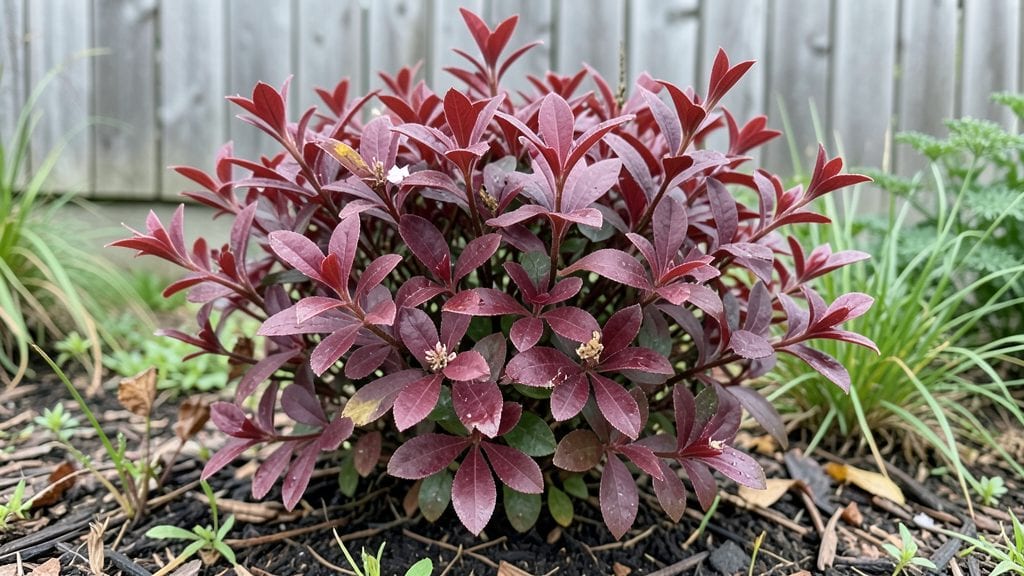
The Ruby Loropetalum tree brings fiery color to Pacific Northwest gardens year-round, and its pruning schedule is the secret to keeping it vibrant. 🌿 I’ve watched mine transform from a scraggly specimen into a showstopper by following a simple seasonal rhythm—one that even my clumsy pruning hands can’t mess up.
This evergreen shrub thrives in partial shade to full sun and tolerates a wide range of soils, though it rewards you best with well-draining, slightly acidic soil. Water it deeply once a week after planting, then taper off to just occasional moisture—it’s surprisingly drought-tolerant once established.
The real magic happens in late winter or early spring when you prune to shape it, encouraging those deep red, almost velvety leaves that turn even more intense in colder months.
By summer, you’ll be rewarded with clusters of tiny pink flowers that hum with pollinators, followed by bright red berries that add another layer of winter interest.
The key is pruning lightly in late spring to encourage new growth without overdoing it—this tree handles neglect better than most, but a little attention keeps it lush and full.
Whether you’re shaping it as a hedge, a small tree, or a container plant, the Ruby Loropetalum adapts beautifully to Pacific Northwest’s mild winters and wet springs. Let’s get into the seasonal pruning routine that keeps yours thriving all year.
📚 In This Guide
- What you need
- Instructions
- Tips and common mistakes
- Wrapping up and next steps
What you need
- ● Pruning shears: Sharp, bypass shears (for clean cuts on small branches). Recommended: Felco F-2 or similar (1 pair).
- ● Loppers: For thicker branches (½"–1.5" diameter). Recommended: Fiskars PowerGear or equivalent (1 pair).
- ● Pruning saw: For branches thicker than 1.5". Recommended: Fiskars X7 or similar (1 saw).
- ● Disinfectant: 70% isopropyl alcohol or bleach solution (1:9 ratio with water) to sterilize tools between cuts. 🧴
- ● Gloves: Heavy-duty gardening gloves (1 pair) to protect hands from thorns and sap.
- ○ Pruning sealant (optional but helpful): For large cuts (e.g., Tangle-Foot or Pruning Wax).
- ● Ladder or step stool: If your tree is taller than 6–8 feet (adjustable height as needed).
- ● Trash bags or bucket: For collecting pruned branches (1–2 bags/bucket).
- ● Hand pruners with anvil blades: For quick, rough cuts (backup tool).
- ● Extension pole saw: For high branches (e.g., Fiskars X27).
- ● Marking spray: To highlight branches to remove (e.g., white spray paint).
- ● Safety glasses: Protects eyes from debris.
- ● Notebook & pen: To jot down pruning notes or track growth patterns.
Step-by-Step guide to pruning Ruby Loropetalum in the Pacific Northwest
This evergreen beauty thrives with strategic pruning—here’s how to keep it lush year-round.
⏰ Step 1: Late Winter (February-March) – Structural Pruning
Start your pruning routine in late winter when the tree is still dormant but before new growth begins. This is the best time to shape the Ruby Loropetalum’s structure, as the branches are easier to see and work with. Use sharp, clean pruning shears to make cuts just above a bud or branch collar—never leave stubs, as they invite disease.
Focus on removing any dead, diseased, or crossing branches first. These are easy to spot—they’ll be brown, brittle, or growing inward toward the center of the tree. Thin out about 20-30% of the canopy to improve airflow and sunlight penetration. If your tree has grown too wide, you can also lightly prune the outer branches to encourage a more compact shape. Here’s the thing—Ruby Loropetalum responds well to pruning, but don’t overdo it. You’ll know you’ve done enough when you can see light filtering through the branches without too much resistance.
☀️ Step 2: Early Summer (June-July) – Light Maintenance Pruning
Once the tree has finished flowering—typically around early summer—it’s time for a lighter touch. This isn’t about heavy shaping but rather tidying up. Remove any suckers or water sprouts that have popped up since the last pruning. These are the fast-growing, weak shoots that appear at the base of the tree or along the branches. They drain energy from the main structure, so snip them off at the base.
You’ll also want to trim back any branches that have grown too long or leggy. Look for branches that are stretching outward or upward excessively—these often lose their vibrant foliage and become less dense. Cut just above a leaf node or bud to encourage bushier growth. Avoid pruning more than 10-15% of the canopy during this session, as heavy summer pruning can stress the tree and reduce its winter hardiness. If you’re unsure whether a branch should stay or go, err on the side of caution and leave it—you can always prune more next time.
✂️ Step 3: Early Fall (September-October) – Final Pruning for Winter
As the growing season winds down, give your Ruby Loropetalum one last check before winter sets in. This is a great time to remove any branches that have grown too close together or are rubbing against each other. Friction weakens the bark and can create entry points for pests and diseases. Prune these out now to give the tree a strong start in the colder months.
You can also lightly shape the tree if needed, but avoid heavy pruning now. The goal is to clean up rather than reshape. Focus on removing any dead or dying foliage and any branches that might have been damaged by summer storms or pests. Seal any larger cuts with pruning sealant if they’re over ½ inch in diameter, but skip it for smaller cuts—the tree’s natural healing response is usually sufficient. By the time you’re done, your tree should look tidy and ready to handle the Pacific Northwest’s wet winters. Real talk: this final pruning session is often the most satisfying, as you’ll see the tree’s natural beauty shine through.
🌿 Step 4: Year-Round – Monitoring and Adjusting
Pruning isn’t just a seasonal task—it’s an ongoing conversation with your tree. Throughout the year, keep an eye out for any branches that look unhealthy, diseased, or out of place. If you notice a branch dying back suddenly, prune it out immediately to prevent the issue from spreading. The Ruby Loropetalum is generally low-maintenance, but it does appreciate your attention to detail.
Pay special attention to how the tree responds to each pruning session. If you notice new growth is sparse or the foliage looks less vibrant, you might have pruned too aggressively. On the other hand, if the tree looks dense and full with no signs of stress, you’re on the right track. Adjust your approach as needed—maybe you’ll need to prune a little less in early summer or focus more on shaping in late winter. The key is to stay observant and responsive. Over time, you’ll develop a rhythm that keeps your Ruby Loropetalum thriving for years to come.
Tips & tricks for pruning Ruby Loropetalum trees
These seasoned insights will help you master the art of pruning your Ruby Loropetalum with confidence and precision.
Tool Preparation: Before you begin, sterilize your pruning shears with rubbing alcohol to prevent disease transmission between cuts. I've made the mistake of skipping this step—once, I accidentally spread a fungal infection that took months to clear up. Always clean your tools between each cut, especially when working with multiple branches. For larger branches, consider using a pruning saw with a fine-toothed blade to avoid tearing the bark.
Seasonal Timing: The late winter timing in Step 1 is critical because the tree's sap flow is at its lowest, minimizing stress. If you're in a particularly mild Pacific Northwest winter, don't wait until March—start as early as February when the tree is still dormant. During early summer pruning (Step 2), time your session after flowering but before the heat of July to avoid summer stress. The fall pruning in Step 3 gives the tree time to heal before winter's wet conditions set in.
Canopy Management: When thinning 20-30% of the canopy in Step 1, focus on removing branches that grow inward or downward. These branches compete with others for sunlight and nutrients, creating weak growth. I learned this the hard way after over-pruning—my tree struggled to recover for two seasons. Always prioritize branches that are dead, diseased, or crossing others. For a more compact shape, target the outer branches that grow horizontally rather than vertically.
Cutting Technique: The branch collar is your guide—make cuts just above it where the branch meets the trunk. This natural swelling helps the tree seal the wound properly. I used to make flush cuts, which created ugly scars and made the tree more vulnerable to pests. Remember, the goal is to heal cleanly, not create perfect lines. For larger branches over ½ inch in diameter, use three cuts: an undercut, a top cut, and a final clean cut to avoid bark tearing.
Pro Tips for Ruby Loropetalum Tree
- These seasoned insights will help you master the art of pruning your Ruby Loropetalum with confidence and precision.
- Tool Preparation: Before you begin, sterilize your pruning shears with rubbing alcohol to prevent disease transmission between cuts.
- Seasonal Timing: The late winter timing in Step 1 is critical because the tree's sap flow is at its lowest, minimizing stress.
Frequently asked questions
Got questions about keeping your Ruby Loropetalum Tree thriving in the Pacific Northwest? You’re not alone! Here are answers to the most common concerns—from pruning to care—so you can enjoy its stunning foliage year-round.
When is the best time to prune my Ruby Loropetalum in the PNW?
The ideal time is late winter to early spring (February–March), just before new growth begins. This timing promotes healthy blooms and prevents frost damage. Avoid heavy pruning in fall, as it can stimulate tender growth vulnerable to cold snaps. For minimal pruning, a light trim after flowering (summer) keeps shape without stressing the tree.
Can Ruby Loropetalum survive PNW winters?
Yes! This tree is hardy to USDA Zones 7–9, making it well-suited for the PNW’s mild winters. However, young trees or those in exposed areas may need winter mulch (2–3 inches of wood chips) and burlap wraps for extra protection. Prune damaged branches in early spring to encourage recovery.
Why isn’t my Ruby Loropetalum blooming?
Blooming depends on sunlight, pruning timing, and age. Ensure it gets 6+ hours of sun daily—shadier spots reduce flowers. Over-pruning (especially in late summer/fall) can also limit blooms. If your tree is 3+ years old and still sparse, check for nutrient deficiencies (fertilize with acid-loving plant food in early spring).
How do I shape my Ruby Loropetalum without harming it?
Use sharp, sterilized pruners and make cuts at a 45-degree angle just above a bud or branch collar. Avoid topping (cutting back to stubs), which stresses the tree. For a natural shape, prune selectively—remove <1/3 of the canopy per year. Thin out crowded branches to improve airflow and reduce disease risk.
What’s a good alternative if Ruby Loropetalum is too high-maintenance?
If you want year-round color with lower upkeep, consider:
- Dwarf Fountain Weigela (Hydrangea paniculata ‘Little Quick’) – Blooms summer to fall, cold-hardy.
- Oakleaf Hydrangea (Hydrangea quercifolia) – Stunning fall foliage, thrives in shade.
- Dwarf Crape Myrtle (Lagerstroemia ‘Natchez’) – Drought-tolerant, vibrant blooms.
Wrapping up and next steps
The Ruby Loropetalum is a stunning, low-maintenance addition to your Pacific Northwest garden, offering vibrant foliage and resilience year-round. By following this pruning calendar, you’ll keep it healthy, encourage lush growth, and enjoy its beauty for seasons to come.
Whether you’re a seasoned gardener or just starting, these steps make caring for your tree simple and rewarding!
🌿 Ready to transform your garden? Grab your pruners, mark your calendar, and give your Ruby Loropetalum the TLC it deserves—your future self (and your neighbors!) will thank you. Start pruning today!