
Pruning
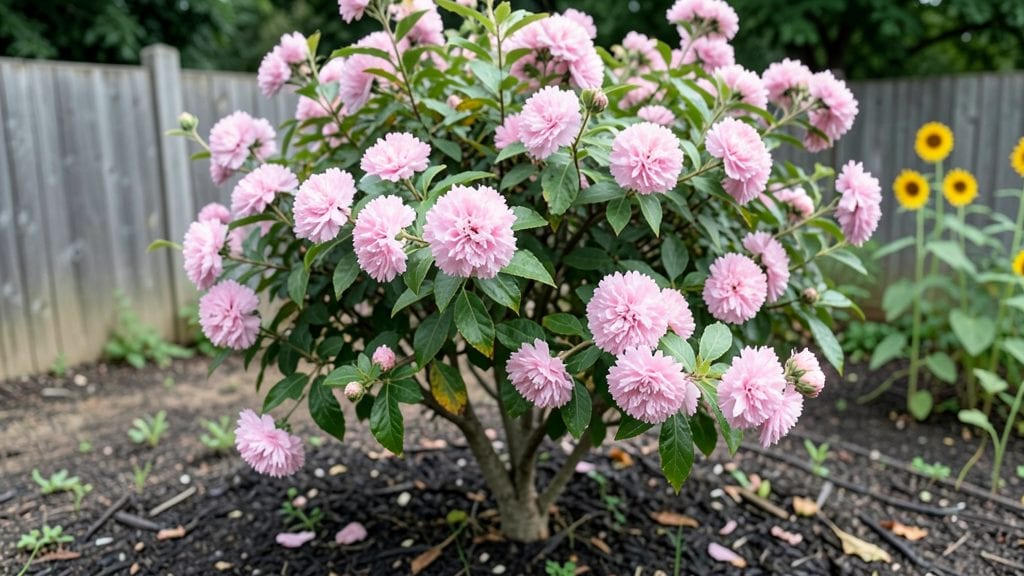
That pink fluffy flowering tree in your yard isn’t just pretty—it’s the Pacific Northwest’s secret weapon for year-round color, handling frost like a champ while turning heads with its cloud-like blooms.
I’ve watched my Star Magnolia (the star of this show) stand tall through winter’s chill, then burst into soft pink puffs by early spring, long before most gardens even think about blooming.
The magic starts with the right spot: partial shade to full sun, well-draining soil, and a little winter protection in colder zones.
These trees thrive where others struggle, and their layered blooms—from Eastern Redbud’s heart-shaped flowers to Rose of Sharon’s velvety petals—create a garden that feels like a postcard all season. Pair them with dwarf conifers or bleeding hearts for a textured, ever-evolving display.
By late summer, you’ll have a canopy of lush green foliage hiding the skeleton branches of winter, then a fresh wave of blooms in fall for those who prune just right.
The best part? These trees grow 15-25 feet tall, making them perfect as focal points, privacy screens, or even street-tree stars in urban gardens.
Whether you’re designing a small courtyard or a sprawling woodland garden, these trees adapt—just give them space to stretch their branches and show off their frost-resistant charm. Let’s get yours planted before next spring’s color rush!
📚 In This Guide
- What you need
- Instructions
- Tips and common mistakes
- Wrapping up and next steps
What you need
- ● Pruning shears – Bypass-style (sharp, clean cuts), 6–8-inch blades for small branches.
- ● Loppers – Bypass or anvil type (for thicker branches, 18–24-inch handles).
- ● Pruning saw – Curved-tooth for branches >1 inch in diameter.
- ● Gloves – Garden-grade, cut-resistant (thorns or rough bark can be sneaky!).
- ● Disinfectant – 70% isopropyl alcohol or rubbing alcohol (to sterilize tools between cuts).
- ○ Tree pruning sealant – Optional but helpful for large wounds (look for Tanglefoot Tree Wound Pruning Sealer).
- ● Ladder or step stool – Sturdy, non-slip (reach those high branches safely!).
- ● Trash bags or bucket – For collecting pruned branches and debris.
- ● Hand pruners – For precision trimming of tiny branches or dead blooms.
- ● Extension pole pruners – For high branches (saves ladder time!).
- ● Tree bandage or wrap – For protecting wounds (if sealant isn’t available).
- ● Notebook & pen – To sketch your tree’s shape or track pruning progress.
- ● Safety glasses – Protective eyewear (just in case!).
Step-by-step guide to planting and caring for Pacific Northwest pink flowering trees
Transform your landscape with these hardy, frost-resistant beauties that thrive year-round.
🌱 Step 1: Select the Right Tree Variety for Your Climate
For the Pacific Northwest’s USDA Zones 6-9, focus on Japanese flowering cherry (Prunus serrulata) or Osoberry (Oemleria cerasiformis)—both deliver pink, fluffy blooms while enduring winter frosts. Avoid tender varieties like Bradford pear, which struggle below 20°F. Check your specific microclimate: coastal areas stay milder, while inland valleys drop faster.
I always verify a tree’s mature height (many dwarf varieties max out at 15-20 feet) and spread (some develop 25-foot canopies). Plant at least 15 feet from structures—these trees grow fast and need space for their roots to establish. For smaller spaces, ‘Kanzan’ cherry (20 feet tall) or ‘Flowering Almond’ (Prunus triloba) are excellent choices.
🪴 Step 2: Prepare the Planting Site for Optimal Growth
Choose a location with full sun (6+ hours daily)—partial shade reduces bloom intensity. Test your soil’s pH (6.0-7.0 ideal) and amend with compost or aged manure if needed. Dig a hole twice as wide as the root ball but no deeper—planting too deep suffocates roots and causes stress.
Loosen the root ball’s edges before placing the tree in the hole. Backfill with native soil mixed with 30% compost to improve drainage. Water deeply to settle the soil, then add a 3-inch layer of mulch (avoid wood chips near the trunk). This protects roots from temperature swings and retains moisture without smothering the base.
☀️ Step 3: Plant and Water for Strong Establishment
Position the tree so the root flare (where roots meet trunk) sits 1-2 inches above ground level. Fill the hole gradually, tapping the sides to remove air pockets. Water again until the soil is evenly moist to 12 inches deep. Overwatering now causes root rot—wait until the top 2 inches of soil feel dry before watering again.
Stake the tree only if your area experiences strong winds (common in coastal PNW). Use two stakes on opposite sides and tie with soft fabric strips to avoid girdling the trunk. Prune only to remove dead or crossing branches—never shape the tree at planting. Fertilize lightly with balanced 10-10-10 in early spring to encourage root growth without burning tender roots.
✂️ Step 4: Maintain Through Seasons for Year-Round Color
Prune late winter (before buds swell) to remove dead wood and suckers. Avoid heavy pruning—these trees bloom on old wood, so aggressive cuts reduce next year’s flowers. Thin the canopy by 20-30% if needed, focusing on inner branches to improve airflow and prevent disease.
Fertilize annually in early spring with slow-release granules (follow package rates). Water deeply once weekly during the first year, then every 10-14 days once established. In drought-prone summers, increase frequency to every 5-7 days and monitor for wilting leaves—a sign of underwatering. Mulch annually in late fall to protect roots from winter frost.
⏰ Step 5: Winterize for Frost Resistance
Pacific Northwest winters test even hardy trees. Water deeply in late fall (before the ground freezes) to build root reserves. Wrap the trunk of young trees (under 5 years) with tree guard to prevent rodent damage. Avoid heavy mulch piles—3 inches max—to prevent suffocation.
Prune damaged branches in early spring after the last frost. Watch for silver leaf disease (common in cherries)—remove infected branches immediately and sterilize pruners with 70% alcohol. With proper care, your tree will reward you with pink, fluffy blooms for decades, even in frost-prone winters.
Tips & tricks for perfect pink fluffy flowering trees in the Pacific Northwest
These pro tips will help you avoid common mistakes and maximize those stunning pink blooms year after year.
Climate-Specific Selection: When choosing between Japanese flowering cherry and Osoberry, consider your exact microclimate. Coastal areas like Seattle can handle ‘Kanzan’ cherry with its dramatic 20-foot height, while inland valleys might prefer the hardier ‘Flowering Almond’ that thrives below 20°F. I always check the USDA zone map for my specific neighborhood—sometimes even within a city, microclimates vary by just a few degrees.
Root Ball Preparation: Before planting, gently loosen the root ball's edges with your fingers to encourage root spread. This simple step prevents transplant shock that can cause wilting for weeks. I also soak the root ball in water for 10-15 minutes before planting—this ensures the roots start hydrated and establishes better water uptake immediately. Remember, the 30% compost mix in Step 2 is crucial for drainage while retaining moisture.
Winter Protection Strategy: For young trees under 5 years, I double up on winter protection by combining tree guards with a layer of straw mulch (3 inches) around the base. The straw insulates better than wood chips and breaks down to nourish the soil. Don't forget to water deeply in late fall—this builds root reserves that help trees survive winter dormancy. The 20°F threshold is critical: any colder, and even hardy varieties can suffer frost damage.
Pruning Precision: When pruning in late winter, focus on removing branches that cross or rub against each other—these create entry points for disease. I use sharp, sterilized pruners and make cuts just outside the branch collar to prevent tearing. The 20-30% thinning recommendation is perfect for improving airflow, but never remove more than one-third of the canopy in a single year. These trees bloom on old wood, so aggressive cuts reduce next season's spectacular pink blooms.
Pro Tips for Pink Fluffy Flowering Tree
- These pro tips will help you avoid common mistakes and maximize those stunning pink blooms year after year.
- Climate-Specific Selection: When choosing between Japanese flowering cherry and Osoberry, consider your exact microclimate.
- Root Ball Preparation: Before planting, gently loosen the root ball's edges with your fingers to encourage root spread.
Frequently asked questions
Got questions about your pink fluffy flowering tree?
You’re not alone! Here are answers to the most common queries—from planting to pruning—so you can keep your tree thriving in the Pacific Northwest’s climate.
What’s the best time to plant a pink fluffy flowering tree?
Plant in early spring (March–April) or fall (September–October) for optimal root establishment. Avoid extreme heat or frost—these trees hate soggy roots but also struggle in drought. Amend soil with compost for drainage, and water deeply after planting. Pro tip: Mulch 2–3 inches around the base (but not touching the trunk!) to retain moisture.
How do I prune to encourage more pink blooms?
Prune in late winter or early spring (before buds swell) to shape and stimulate flowers. Remove dead, crossing, or overcrowded branches first, then thin selectively to improve airflow. Avoid heavy pruning—these trees bloom on old wood, so leave most branches intact. For frost-prone areas, prune after the last frost to prevent damage. Warning: Never prune in fall—it can spur tender growth vulnerable to winter cold.
Can pink fluffy flowering trees survive PNW winters?
Yes! Most varieties (like Washington hawthorn or Amelanchier) are USDA Zones 5–8 hardy, handling temps down to -15°F. However, young trees may need winter protection—wrap trunks with burlap or use mulch. If leaves brown but buds survive, it’s normal! Prune damaged branches in spring. For extra safety, plant in a sheltered spot (e.g., near a fence or building).
What if my tree isn’t flowering?
Lack of blooms often stems from age, light, or stress. Young trees (under 3 years) may not flower yet—be patient! Ensure it gets full sun (6+ hours/day) and well-draining soil. Over-fertilizing (especially nitrogen) can also delay flowers. Try a balanced bloom booster in early spring. If pests (like spider mites) are present, treat with neem oil. Bonus: Some varieties need cross-pollination—plant two trees for guaranteed blooms!
Are there drought-tolerant alternatives?
If your soil drains poorly or you’re in a dry microclimate, consider:
- Amelanchier alnifolia (Serviceberry): Drought-tolerant once established, with white/pink blooms and edible berries.
- Cotoneaster dammeri (Bearberry Cotoneaster): Low-water, pink spring flowers, and red fall berries.
- Physocarpus capitatus (Ninebark): Tough, pink pom-pom flowers, and thrives in poor soil.
Wrapping up and next steps
Transforming your Pacific Northwest garden into a year-round pink paradise is easier than you think! With the right pink fluffy flowering tree—like the Amelanchier or Cercis canadensis—and a few pruning tricks, you’ll enjoy vibrant blooms and lush foliage for seasons to come. 🌸✨
Ready to take the next step? Start small:
- Pick one tree variety and research its ideal pruning window.
- Grab your tools and follow our step-by-step guide.
- Share your progress—we’d love to see your garden glow!