
Trees
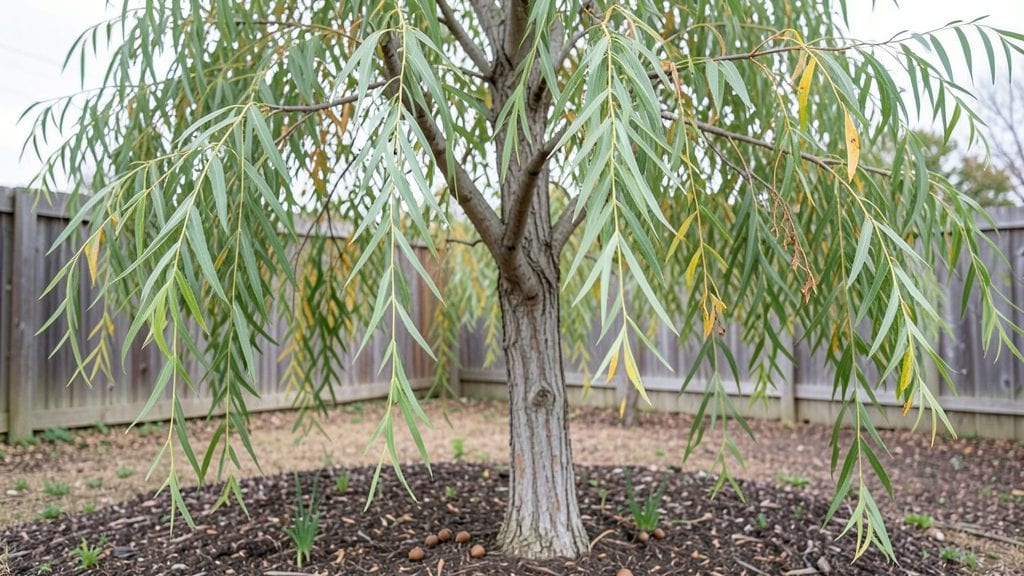
Growing willow oak trees from acorns is one of the most rewarding ways to bring this hardy Pacific Northwest native into your landscape. 🌱 The key to success starts with collecting fresh, plump acorns in late fall—before the squirrels get to them—and knowing exactly how to break dormancy for reliable germination.
Most people skip the stratification step, which is why their acorns never sprout. I’ve learned the hard way that soaking acorns in water for 24 hours and then chilling them in a damp paper towel for 60 days in the fridge mimics winter’s natural dormancy break.
Once stratified, germination happens within 2-4 weeks when planted in well-draining, sandy loam soil.
What you’ll end up with is a fast-growing, drought-tolerant tree that thrives in the PNW’s mild winters and handles heat better than many native oaks. The glossy, lobed leaves and sturdy branches create year-round interest, and mature trees provide shade while supporting wildlife.
Just be patient—it takes 3-5 years for acorns to appear, but the wait is worth it.
This method works equally well in containers for small spaces or directly in the ground for larger properties. The biggest challenge is avoiding deer browsing on young seedlings, but a simple wire cage solves that. Let’s get those acorns growing!
📚 In This Guide
- What you need
- Instructions
- Tips and common mistakes
- Wrapping up and next steps
What you need
- ● Willow oak acorns (10–20 fresh, plump acorns—avoid shriveled or worm-infested ones!)
- ● Well-draining potting mix (2–3 gallons; blend equal parts peat moss, perlite, and sand for optimal aeration)
- ● Small pots or seed trays (4–6 inches deep, with drainage holes—2–4 pots depending on acorn quantity)
- ● Plastic wrap or humidity dome (to retain moisture during germination)
- ● Spray bottle (for gentle watering)
- ● Garden trowel or small shovel (for transplanting seedlings)
- ○ Mulch (optional but recommended) (shredded bark or wood chips to protect seedlings from frost)
- ● Patience! Willow oak acorns can take 4–6 weeks to germinate in ideal conditions.
- ● Stratification setup (if planting in fall/winter): Place acorns in a damp paper towel in the fridge for 60–90 days to mimic natural cold treatment.
- ● Sunny location (6+ hours of sunlight daily for seedlings; partial shade for mature trees in hot summers).
- ● Cold-hardiness awareness: Willow oaks thrive in USDA Zones 6–9—perfect for the PNW’s chilly winters!
- ● Seedling heat mat ($10–$15) to speed up germination in cool climates.
- ● Epsom salt (1 tsp per gallon of water) for a magnesium boost during early growth.
- ● Tree guards (plastic or metal) to protect young saplings from deer or pets.
- ● Soil pH test kit (ideal range: 5.0–7.0 for oak trees).
How to grow willow oak trees from acorns in the Pacific Northwest
Here's my foolproof method for turning Pacific Northwest acorns into sturdy, frost-hardy oak trees.
🌱 Step 1: Collect and Stratify the Acorns
Harvest acorns in fall when they've fallen naturally—they'll have the highest viability. Look for plump, firm acorns with intact caps, avoiding any that feel hollow when tapped or show signs of insect damage. Store them in a breathable container like a mesh bag in the refrigerator for 90-120 days—this cold stratification mimics winter conditions and breaks their dormancy.
I like to label each bag with the collection date—this helps track which acorns are ready for planting. The cold treatment is critical; without it, most acorns simply won't sprout. After stratification, you'll see the first signs of life when the acorn's tip starts to swell slightly—this is your cue that germination is about to begin.
☀️ Step 2: Prepare the Planting Site and Sow
Willow oaks thrive in well-draining soil with full sun to partial shade, making them perfect for Pacific Northwest gardens. Choose a site with 6-8 feet of vertical space—these trees can reach 50-70 feet at maturity. Before planting, loosen the soil to a depth of 12 inches and mix in 2-3 inches of compost to improve drainage and fertility.
Plant the acorns 1 inch deep in early spring, about 10-15 feet apart if you're planting multiple trees. I like to plant 2-3 acorns per hole since not all will germinate. Water the area thoroughly after planting to settle the soil around the acorns. The key here is patience—germination can take 3-6 weeks, so don't disturb the soil until you see the first tiny sprouts.
💧 Step 3: Maintain Moisture and Protect Young Saplings
Keep the soil consistently moist but not soggy for the first 2 years—young oak seedlings are particularly sensitive to drought. Water deeply once a week during dry spells, aiming for 1-2 inches of water per week. You'll know you're doing it right when the top 2 inches of soil stay slightly damp but not waterlogged.
Pacific Northwest winters can be harsh on young oaks, so protect your saplings by wrapping the base with tree guard or burlap during the first winter. This shields them from rodent damage and prevents temperature swings that can stress the roots. In late spring, once the new growth reaches 6-12 inches, you can gradually reduce watering to encourage deeper root development.
✂️ Step 4: Prune and Train for Strong Growth
Prune your young oak in late winter or early spring before new growth begins. Remove any dead, diseased, or crossing branches, and thin out the canopy to allow light to reach the lower branches. For the first 3-5 years, focus on shaping the tree by pruning back any suckers or water sprouts—these compete with the main trunk for nutrients.
Here's the thing—willow oaks grow fast, but they need space. If you're growing them in a smaller garden, prune aggressively to keep the height under 20 feet. You'll see the most dramatic growth in the second and third years, so this is when you'll want to monitor closely. Avoid heavy pruning after summer solstice, as new growth won't harden off before winter.
⏰ Step 5: Monitor for Pests and Disease
Willow oaks are generally pest-resistant, but keep an eye out for oak leaf rollers and gypsy moths, which can be common in the Pacific Northwest. If you spot chewed leaves or silken webs, treat the tree with neem oil or introduce beneficial insects like ladybugs. I've found that a weekly inspection during peak growing season (May-July) catches issues before they spread.
Fungal diseases like powdery mildew can appear if the foliage stays too wet, so avoid overhead watering. If you notice white powdery spots on the leaves, improve air circulation by pruning the canopy and apply a copper fungicide if needed. Healthy willow oaks develop thick, leathery leaves by their third year—this is a sign they're thriving and building resilience against local pests.
Tips & tricks for perfect willow oak tree acorns growth
A few key tricks will help you maximize your success with Pacific Northwest acorns and grow sturdy, frost-resistant oak trees.
Acorn Selection Matters: When harvesting acorns, focus on those with intact, plump shells that feel heavy for their size. Tap them gently—hollow-sounding acorns won't germinate. I've found that acorns with a slight "cap" (the little hat) tend to have higher viability. For best results, collect acorns from multiple trees to ensure genetic diversity in your future forest.
Stratification Timing: The 90-120 day cold stratification period is non-negotiable for breaking dormancy. I recommend starting this process in early November so your acorns will be ready to plant in March. Place them in a breathable container with a bit of moisture (like a damp paper towel) to prevent mold while they stratify. You'll know it's working when you see the first signs of swelling at the tip—this usually happens around 60-70 days into the process.
Soil Preparation Secret: Before planting, mix your compost into the loosened soil to create a perfect growing medium. I like to add a handful of sand if my soil is particularly clay-heavy, which is common in Pacific Northwest gardens. This improves drainage while retaining enough moisture for those sensitive young roots. The goal is a soil texture that crumbles easily between your fingers when moist.
Watering Wisdom: The first two years are critical for establishing deep roots. I've learned that watering deeply once a week is better than light daily watering—this encourages roots to grow downward where they'll find more stable moisture. Use a rain gauge or tuna can to measure your 1-2 inches of water per week. In summer, you might need to water twice weekly during heatwaves, but always let the top 2 inches of soil dry slightly between waterings to prevent fungal issues.
Pro Tips for Willow Oak Tree Acorns
- A few key tricks will help you maximize your success with Pacific Northwest acorns and grow sturdy, frost-resistant oak trees.
- Acorn Selection Matters: When harvesting acorns, focus on those with intact, plump shells that feel heavy for their size.
- Stratification Timing: The 90-120 day cold stratification period is non-negotiable for breaking dormancy.
Frequently asked questions
Got questions about growing willow oak trees and their acorns in the Pacific Northwest?
Here are answers to the most common queries to help you navigate planting, care, and troubleshooting like a pro!
When is the best time to plant willow oak tree seedlings?
The ideal time to plant willow oak seedlings in the PNW is early spring (March–April) or fall (September–October). This gives roots time to establish before summer heat or winter frost. Avoid planting in extreme heat or freezing temperatures—root shock is a real risk! For container-grown trees, you can plant year-round if soil isn’t frozen.
How long does it take for willow oak trees to produce acorns?
Willow oaks typically take 10–15 years to mature enough to produce acorns, depending on growing conditions. In the PNW’s mild climate, they may fruit slightly sooner (around 8–10 years) if planted in well-drained, sunny spots. Patience is key—young trees focus on root and canopy growth first!
Are willow oak trees truly frost-resistant in the PNW?
Yes! Willow oaks are hardy to USDA Zones 6–9, making them perfect for the PNW’s frost-prone winters. Their fast growth rate and tough bark help them recover from light freezes. However, young seedlings may need mulch or burlap wraps during harsh winters (below 10°F) to prevent damage.
What can I do if squirrels or wildlife eat my acorns before they fall?
Squirrels and birds love willow oak acorns—here’s how to protect them:
- Install netting over branches when acorns ripen (late fall).
- Harvest acorns early (when caps turn brown but before they drop).
- Use bird feeders elsewhere to distract wildlife.
- Plant in less accessible areas (e.g., near fences or dense shrubs).
Can I grow willow oak trees in containers, or do they need ground planting?
Willow oaks prefer ground planting due to their large root systems, but young trees (under 3 years old) can thrive in 50+ gallon containers with:
- Well-draining soil (mix sand and compost).
- Drainage holes to prevent root rot.
- Regular watering (keep soil moist but not soggy).
Wrapping up and next steps
Growing willow oak tree acorns in the Pacific Northwest is a rewarding way to add hardy, frost-resistant beauty to your garden. With the right soil, spacing, and care, these trees thrive even in cooler climates—offering shade, wildlife support, and stunning fall color. 🌳
Now that you’re equipped with the knowledge, take the next step! Start by sourcing acorns or saplings from a trusted nursery, then prepare your site with well-draining soil. Whether you’re a seasoned gardener or just beginning, your willow oak will flourish with patience and care. Happy planting! 🌱