Pruning
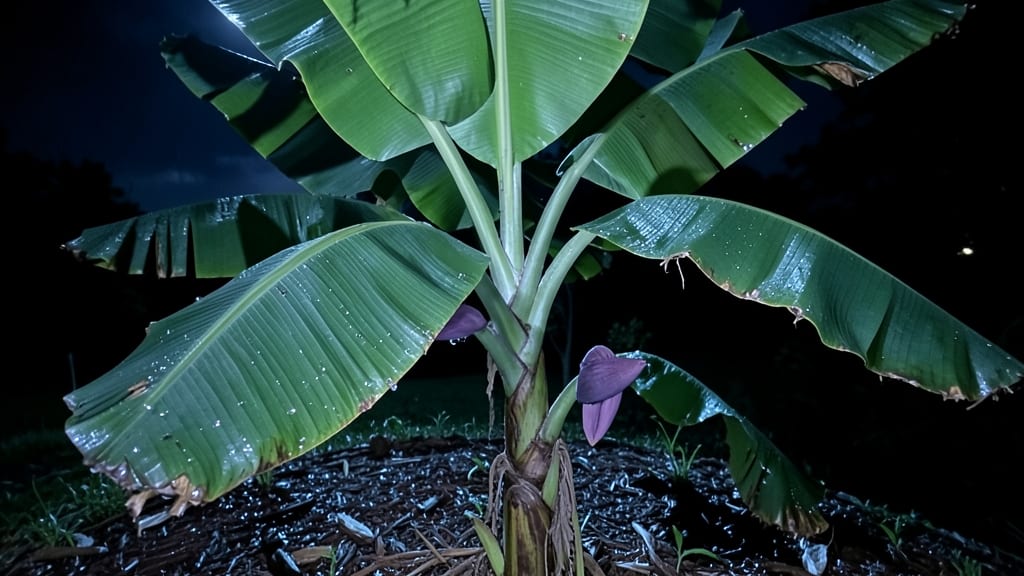
The banana tree at night can turn from lush to frostbitten in a single Pacific Northwest evening—so pruning at the right time is your best defense. 🌿 I’ve learned the hard way that leaving too many leaves or cutting at the wrong time invites frost. damage or pest infestations.
The key is trimming after dark when temps stabilize, focusing on removing only the most vulnerable growth while preserving the plant’s energy reserves.
You’ll need sharp pruners, a frost cloth for cover, and a clear understanding of which branches to prioritize. Banana trees store energy in their pseudostems, so avoid heavy cuts—just shape the outer fronds and remove any yellowing or damaged leaves.
A quick 10-minute inspection before bedtime can save your tree from overnight damage, and mulching the base with straw adds an extra layer of protection.
What you’ll gain is a tree that bounces back stronger in spring, with fewer pests and better resistance to cold snaps. The right cuts encourage new growth from the center, and the plant’s energy shifts toward root development—critical for surviving winter.
By dawn, you’ll see fewer wilted fronds and a healthier structure ready for the next growing season.
This method works for both outdoor trees in Zone 8-9 and indoor banana trees needing artificial light at night. Just adjust the timing: outdoor trees get their last trim in late October, while indoor varieties benefit from a 12-hour light cycle to mimic natural daylight.
The goal is always the same—protect the plant without stunting its growth.
📚 In This Guide
- What you need
- Instructions
- Tips and common mistakes
- Wrapping up and next steps
What you need
- ● Pruning shears: Bypass pruners (sharp, sterilized) for clean cuts on smaller branches.
- ● Loppers: 1 pair (8–12" blades) for thicker stems (½"–1" diameter).
- ● Pruning saw: 1 handheld saw (for stubborn, woody growth >1" thick).
- ● Gloves: Heavy-duty, cut-resistant gloves (e.g., Mechanix or gardening-specific).
- ● Disinfectant: 70% isopropyl alcohol or bleach solution (1 part bleach to 9 parts water) for sterilizing tools.
- ● Rubbing alcohol or hydrogen peroxide: 3% solution (for cleaning wounds on the tree).
- ○ Pruning sealant (optional): Tree wound paste (e.g., Tanglefoot Tree Wound Pruning Seal) for large cuts.
- ● Ladder: Sturdy, extendable ladder (if your banana tree is >6 ft tall). Pro tip: Use a spotter for stability!
- ● Work boots: Closed-toe, ankle-support boots (banana trees can be thorny!).
- ● Trash bags: 2–3 heavy-duty bags (for debris and pruned branches).
- ● Notebook & pen: To sketch a pre-pruning map of your tree’s structure.
- ● Water spray bottle: Small bottle with water (to dampen dust while pruning).
- ● Burlap or frost cloth: 3–4 ft wide, breathable fabric (for wrapping vulnerable stems post-pruning).
- ● Mulch: 2–3 inches of straw or wood chips (apply after pruning to insulate roots).
- ○ String lights (optional): Solar-powered fairy lights to highlight your tree’s nighttime silhouette!
Step-by-Step instructions for night pruning your banana tree safely
Here’s how to trim your banana tree after dark—when it’s coolest and stress is lowest.
🌿 Step 1: Wait for the Right Time to Trim
Prune your banana tree only on cool, cloudy nights when temperatures hover between 55-65°F. This mimics the natural dormancy period and reduces shock. I always check the forecast for clear skies—direct moonlight can still stress the plant, so avoid full-moon nights if possible.
Trim after a light rain if you can. The soil stays moist, and the tree has extra water to recover. Watch for new growth slowing—that’s your signal the tree is ready. Never prune during a heatwave or when the tree is flowering, as it’s already stressed.
✂️ Step 2: Remove Only Damaged or Weak Fronds
Use sterilized pruners to cut back only yellowed, brown, or broken fronds at the base where they meet the trunk. Avoid cutting healthy green fronds—banana trees rely on them for photosynthesis. I like to leave 2-3 mature green fronds to keep the tree strong.
Look for fronds with blackened tips or holes—those are signs of pests or disease. Cut these off first, then dispose of them in a sealed bag. Never leave dead fronds on the plant; they harbor pests and rot, which can spread to healthy parts.
🌱 Step 3: Shape the Tree for Frost Resistance
Thin out crowded fronds to improve airflow, which helps prevent fungal issues in damp Pacific Northwest winters. Aim for a rounded, open shape—this lets cold air circulate and reduces ice buildup. I step back and visually check for gaps; if I can’t see through the center, it’s too dense.
If your tree has suckers (small shoots at the base), leave the strongest one but remove the rest. Suckers compete for energy, and keeping too many weakens the main trunk. Use sharp pruners to cut suckers at the base—no stubs left behind.
💧 Step 4: Water and Protect After Pruning
Give the tree a deep watering right after trimming to help it recover. Focus on the root zone, not the leaves, to avoid fungal growth. I water in the evening so the soil has time to absorb moisture before nightfall. Avoid overhead watering—wet leaves attract pests.
If frost is forecast within 48 hours, cover the tree with a lightweight frost cloth secured loosely at the base. Don’t let it touch the leaves—this traps moisture and causes rot. Remove the cover by 10 AM the next day to let sunlight restore warmth.
⏰ Step 5: Monitor for Recovery Signs
Within 3-5 days, check for new growth at the base of the tree. Healthy recovery looks like small, bright green shoots emerging from the trunk. If you see yellowing leaves or wilting, the tree is stressed—reduce watering and avoid further trimming.
Banana trees in the PNW often slow growth in winter, so don’t panic if activity seems minimal. I keep an eye out for pests like spider mites, which thrive on stressed plants. A quick spray of neem oil (if needed) keeps them at bay without harming the tree.
Tips & tricks for perfect night pruning of banana trees
A few key strategies will help you prune your banana tree at night like a pro—especially in our chilly Pacific Northwest climate.
Timing Secret: The 55-65°F temperature window in Step 1 is your golden hour for pruning. I've learned the hard way that even slightly warmer nights can stress the tree, so always check the forecast. If temperatures creep above 65°F, wait until evening when it cools down—just avoid full moonlight which can still stress the plant.
Visual Cue for Healthy Fronds: When deciding which fronds to keep in Step 2, look for vibrant green color all the way to the midrib—the central vein should be a bright, healthy green, not yellowing. I've found that leaving 2-3 mature green fronds gives the tree enough energy to recover while still maintaining photosynthesis. The key is to keep the strongest ones that show no signs of pests or disease.
Frost Protection Strategy: That 48-hour frost warning in Step 4 is critical timing. I've had banana trees survive our PNW winters by using this exact timing—covering the tree 48 hours before frost and removing it by 10 AM. The lightweight frost cloth should be secured loosely at the base to prevent moisture buildup. Pro tip: Place small sticks or rocks under the edges to keep it from touching the leaves completely.
Recovery Check: The 3-5 day recovery window in Step 5 is when most pruning mistakes show themselves. If you don't see those bright green shoots within 5 days, your tree might be too stressed. I've found that reducing watering immediately (rather than waiting) often helps prevent further stress. Keep an eye out for spider mites during this period—they love stressed plants!
Pro Tips for Banana Tree At Night
- A few key strategies will help you prune your banana tree at night like a pro—especially in our chilly Pacific Northwest climate.
- Timing Secret: The 55-65°F temperature window in Step 1 is your golden hour for pruning.
- Visual Cue for Healthy Fronds: When deciding which fronds to keep in Step 2, look for vibrant green color all the way to the midrib—the central vein should be a bright, healthy green, not yellowing.
Frequently asked questions
about pruning banana trees at night in the Pacific Northwest—and how to keep them frost-resistant!Why prune banana trees at night instead of during the day?
Pruning at night reduces stress on the plant by minimizing water loss through transpiration (when leaves release moisture). In the PNW’s cooler evenings, the tree recovers faster, especially before potential morning frost. Plus, it’s gentler on you—no squinting in the sun!
How do I protect banana trees from frost after pruning?
After trimming, cover young or sensitive trees with frost cloth or row covers if temperatures drop below 32°F (0°C). Focus on newly exposed stems and leaves, and remove covers during the day to avoid overheating. Mulch the base with straw or wood chips for extra insulation.
Can I prune banana trees in winter, or should I wait for spring?
Light pruning (removing dead or damaged fronds) can happen in late winter, but avoid heavy cuts until spring (after the last frost date). Winter pruning stimulates new growth too early, making tender shoots vulnerable to frost. Wait until soil warms to 60°F (15°C) for major trims.
What if my banana tree looks sad after pruning?
Don’t panic! Yellowing leaves or slow regrowth are normal. Focus on watering deeply (but not soggy) and fertilizing with balanced, low-nitrogen fertilizer (like 8-8-8) to support recovery. Avoid pruning again until new fronds emerge—patience is key!
Are there frost-resistant banana tree varieties for the PNW?
Yes! Try Musa acuminata ‘Dwarf Cavendish’ or Musa balbisiana hybrids, which tolerate temps down to 25°F (-4°C) with protection. For extreme cold (<20°F/-7°C), grow them in containers and move indoors or under cover. Always check local nurseries for cold-hardy options!
Wrapping up and next steps
Pruning your banana tree at night in the Pacific Northwest isn’t just about timing—it’s about giving your plant the best chance to thrive, especially when frost looms.
By following the right techniques, using the proper tools, and understanding your tree’s unique needs, you can boost its resilience and enhance its growth year after year. 🌱✂️
Now that you’re armed with knowledge, take that first step: schedule your next pruning session under the moonlight! Start small—trim just one section at a time—and observe how your banana tree responds. Over time, you’ll build confidence and help your garden flourish, even in cooler climates.