
Pruning
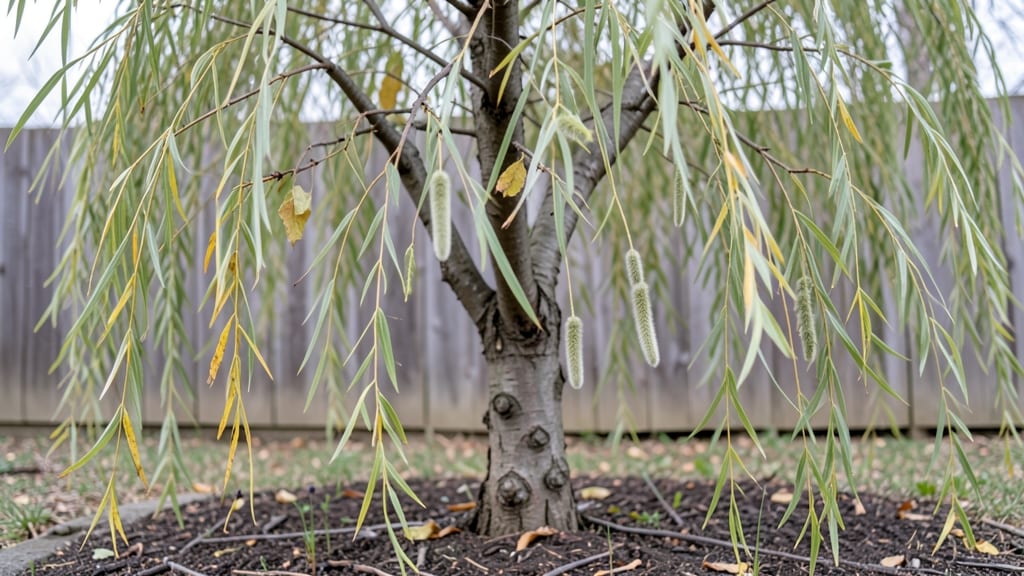
The weeping willow tree (Salix babylonica) drapes your Pacific Northwest landscape in graceful, arching branches that dance with the wind—frost-resistant and perfectly suited for our rainy climate.
I planted mine near a pond last spring, and within months, its cascading foliage became the focal point of the yard, even through winter freezes. The key isn’t just the planting—it’s the how: soil prep, strategic pruning, and managing those aggressive roots before they become a headache.
This tree thrives in moist, well-draining soil and full sun, but it’s surprisingly adaptable to partial shade if you’re working with a shadier spot. Watering is the real secret weapon—keep the soil consistently damp for the first year, then let nature take over.
The pruning schedule is what separates a wild tangle from a showstopper: late winter or early spring is prime time to shape it, while avoiding heavy cuts in fall. Just be warned—those roots spread like wildfire, so give it plenty of space or install a root barrier from day one.
What you’ll love most is how it transforms your outdoor space: velvety green canopies in summer, golden hues in fall, and even skeletal beauty in winter when the branches catch the light.
It’s the kind of tree that makes neighbors stop and stare, but with a few smart moves, you’ll avoid the common pitfalls—like litter buildup or invasive roots choking nearby plants. The trade-offs are worth it for that dramatic, almost fairy-tale presence in your garden.
Perfect for large yards, waterfront properties, or even as a striking centerpiece in a park-like setting. If you’ve ever wanted a tree that feels both majestic and effortless to grow, this is it—just don’t plant it too close to your septic system. Ready to make it yours?
📚 In This Guide
- What you need
- Instructions
- Tips and common mistakes
- Wrapping up and next steps
What you need
- ● Pruning shears: Bypass pruners (sharp, 6-8 inch blades) for clean cuts on small branches.
- ● Loppers: Bypass or anvil type (for branches ½–2 inches thick). Look for ratcheting handles for extra leverage.
- ● Pruning saw: Curved-tooth saw (for branches 2+ inches thick). A foldable design saves space.
- ● Gloves: Heavy-duty, cut-resistant (e.g., mechanics' gloves or pruning gloves with reinforced palms).
- ● Ladder: Aluminum extension ladder (24–32 feet, non-slip feet, and wide base for stability). Safety tip: Never stand on the top two rungs!
- ● Disinfectant: 70% isopropyl alcohol or rubbing alcohol + old rag to sterilize tools between cuts (prevents disease spread).
- ○ Heavy-duty trash bags: 2–3 large bags (for debris disposal). Optional: A wheelbarrow for hauling branches.
- ● First-aid kit: Basic kit with bandages, antiseptic wipes, and tweezers (for splinters or minor cuts).
- ● Pole pruner: For high branches (extendable up to 10–12 feet).
- ● Safety glasses: ANSI-rated to protect against debris.
- ● Tree wound dressing: Pruning sealant (controversial—skip if unsure; healthy trees heal better without it!).
- ● Notebook + pen: To sketch a pruning map of cuts before starting.
- ● Buddy system: A helper for large branches (safety in numbers!).
- ● Weather check: Prune on a dry, overcast day (avoid rain or wind).
- ● Timing: Best done in late winter or early spring (before new growth).
- ● Tree health: Inspect for disease or pests (e.g., willow blight) before pruning.
- ● Local regulations: Check if your area requires a permit for tree removal (even partial pruning).
Step-by-step guide to planting and caring for a weeping willow tree
This is the method I've used to establish healthy weeping willows in Pacific Northwest climates.
Select the Right Location and Prepare the Soil
Choose a spot with full sun exposure—at least 6 hours of direct sunlight daily—and near a water source like a pond, stream, or lake. The weeping willow thrives in moist, well-draining soil, so avoid low-lying areas where water pools after rain. Test the soil by digging a 12-inch deep hole; if it feels compacted or clay-heavy, mix in 2-3 inches of compost to improve drainage and aeration.
Weeping willows have aggressive root systems, so plant at least 20 feet away from buildings, sidewalks, or septic systems to prevent root damage. If your soil is sandy, add a layer of peat moss to help retain moisture, which these trees love. The ideal soil pH for a weeping willow is slightly acidic, between 6.0 and 7.5, so a simple soil test kit will confirm if amendments are needed.
Dig the Planting Hole and Plant the Tree
Dig a hole twice as wide as the root ball but no deeper than the container the tree is in. This encourages the roots to spread outward rather than settling too deeply, which can lead to instability. Gently remove the weeping willow from its container and loosen any circling roots with your fingers—this prevents girdling as the tree matures. Place the tree in the hole so the top of the root ball sits level with the surrounding soil—burying too deep can suffocate the trunk.
Backfill the hole with the native soil you removed, tamping it down lightly every 6 inches to eliminate air pockets. Water the tree deeply to settle the soil around the roots. You’ll know you’ve done it right when the soil surface looks slightly firm but not rock-hard. Avoid using amended soil for backfilling unless your native soil is extremely poor, as it can disrupt the tree’s natural rooting process.
Water and Mulch for Healthy Growth
Water the weeping willow deeply once a week during the first growing season, providing 10-15 gallons of water per tree. This encourages deep root growth rather than shallow, drought-prone roots. Check moisture by sticking your finger 2 inches into the soil—if it feels dry, it’s time to water. In the Pacific Northwest’s cooler, wetter climate, you may need to adjust this schedule, especially during dry spells in summer.
Apply a 3-inch layer of mulch around the base of the tree, keeping it 6 inches away from the trunk to prevent rot. Use organic mulch like wood chips or shredded bark, which will break down over time and improve soil quality. Replenish the mulch annually to maintain its protective layer. Avoid piling mulch against the trunk, as this can trap moisture and invite pests or disease.
Prune and Monitor for Long-Term Health
Prune your weeping willow in late winter or early spring before new growth begins. Remove any dead, diseased, or crossing branches, cutting back to the nearest healthy bud or branch collar. Avoid heavy pruning in the first few years, as this can stress the tree. Focus on shaping the canopy to encourage that signature weeping form while maintaining an open center for airflow. Use sterilized pruning shears to prevent spreading disease.
Monitor the tree regularly for signs of stress, such as yellowing leaves, wilting branches, or excessive leaf drop. These can indicate overwatering, underwatering, or pest issues like aphids or willow borers. In the Pacific Northwest, willow borers are a common threat, so inspect the bark for small holes or sawdust-like frass. If you spot signs of infestation, treat with an insecticidal soap or consult a local arborist for organic solutions.
Protect Against Frost and Winter Conditions
The weeping willow is frost-resistant, but young trees benefit from extra protection during the first few winters. In areas with hard freezes below 10°F, wrap the trunk with tree guard or burlap to shield it from cold winds and sun scald. Avoid wrapping the entire canopy, as this can trap moisture and encourage fungal growth. Instead, focus on the trunk and lower branches.
Prune any damaged branches in early spring, as frost can cause splitting or cracking. If your tree is near a water feature, ensure the ice doesn’t build up against the trunk, which can lead to bark damage. In the Pacific Northwest’s mild winters, this step is often minimal, but it’s worth a quick check after heavy snowfall or ice storms to prevent long-term harm.
Tips & tricks for perfect weeping willow growth
Planting a weeping willow in the Pacific Northwest takes some special considerations to ensure it thrives in our unique climate. Here are the key insights I've gathered from years of growing these beautiful trees.
Location is Everything: That 6 hours of direct sunlight requirement is non-negotiable for healthy growth. In the Pacific Northwest, this means choosing a spot that gets morning sun and possibly some filtered afternoon light. I've found that planting near a pond or stream not only provides the moisture these trees love but also creates a stunning natural landscape. The 20-foot buffer from structures is critical—willow roots can spread aggressively and damage foundations or underground utilities.
Soil Preparation Matters: When testing your 12-inch deep hole, pay special attention to how the soil drains. In our region, clay soils are common, so adding 2-3 inches of compost is often essential. For sandy soils, that peat moss layer will help retain moisture during our occasional dry spells. I've learned the hard way that skipping soil amendments can lead to poor root development and stress the tree during our wet winters.
Planting Depth is Critical: Getting the planting depth right is one of those details that separates a healthy tree from a struggling one. The top of the root ball should be level with the surrounding soil—never buried deeper. I've seen many gardeners bury the trunk too deeply, which can suffocate the tree. After backfilling, give the soil a gentle press every 6 inches to eliminate air pockets, but don't compact it too firmly—you want the roots to be able to spread naturally.
Watering Wisdom: While weeping willows love moisture, they hate soggy roots. The 10-15 gallons per week guideline works well, but in our cooler climate, you might need to adjust. Check that 2-inch moisture test regularly—if it's dry, water. And here's a pro tip: water deeply but less frequently to encourage deep root growth. Shallow, frequent watering leads to weak, drought-prone roots that struggle during our summer dry periods.
Pro Tips for Weeping Williw Tree
- Planting a weeping willow in the Pacific Northwest takes some special considerations to ensure it thrives in our unique climate.
- Location is Everything: That 6 hours of direct sunlight requirement is non-negotiable for healthy growth.
- Soil Preparation Matters: When testing your 12-inch deep hole, pay special attention to how the soil drains.
Frequently asked questions
Got questions about caring for your Weeping Willow Tree? You’re not alone! Here are the most common queries—and their answers—to keep your tree thriving in the Pacific Northwest’s frosty climate.
How often should I prune a Weeping Willow?
Prune your Weeping Willow once a year, ideally in late winter or early spring (before new growth starts). This timing helps avoid disease and promotes healthy regrowth. Avoid heavy pruning in fall—it can stimulate tender new shoots that won’t survive frost. Pro tip: Never remove more than 25% of the tree’s canopy in a single session!
Is the Weeping Willow truly frost-resistant?
Yes! While young trees may need protection in extreme cold (below 10°F), mature Weeping Willows handle frost well. Their flexible branches and deep roots make them resilient. For extra safeguards: Wrap the trunk with burlap in harsh winters, and mulch the base to insulate roots. Pacific Northwest’s mild winters? No worries—this tree’s built for it!
Why are my Weeping Willow’s branches dying?
Dying branches often signal over-pruning, disease (like canker), or root stress. Check for:
- Brown, brittle branches → Likely dead; prune them back to healthy wood.
- Oozing sap or fungal growth → Trim infected areas below the damage and sterilize tools with rubbing alcohol.
- Yellowing leaves → Could be nutrient deficiency (fertilize in early spring) or overwatering.
If the issue persists, consult a local arborist—some Pacific Northwest soils may lack the right pH for optimal growth.
Can I grow a Weeping Willow in a small yard?
Weeping Willows need space—their roots spread aggressively (up to 50 feet!) and branches can reach 30+ feet wide. For small yards, consider:
- A dwarf variety (like Salix babylonica ‘Tortuosa’), though growth will still be substantial.
- Planting near a pond or large container to contain roots (but expect some escape!).
- Opting for a non-invasive alternative, like a Japanese Maple or River Birch, if space is tight.
Warning: Willows are notorious for clogging drains and damaging foundations—plan accordingly!
What’s the best way to prune dead wood?
Use these steps for clean cuts:
- Sterilize tools with rubbing alcohol to prevent disease.
- Cut ¼” above a healthy bud or branch collar (the swollen area where branches meet the trunk).
- Avoid leaving stubs—they invite pests and rot.
- Seal large cuts (2”+ diameter) with pruning sealant to protect from moisture loss.
For Weeping Willows, focus on removing crossing branches, water sprouts, and deadwood to maintain their iconic weeping shape.
Wrapping up and next steps
The Weeping Willow Tree is a stunning, frost-resistant beauty that thrives in the Pacific Northwest’s unique climate—when pruned with care. By mastering the right tools, timing, and techniques, you’ll ensure its graceful branches stay healthy, vibrant, and weeping just as nature intended. 🌿
Ready to take the next step? Roll up your sleeves and schedule your first pruning session this spring! Whether you’re a seasoned gardener or a curious beginner, every trim brings your tree—and your green space—closer to perfection. Happy pruning! ✂️💚