
Trees
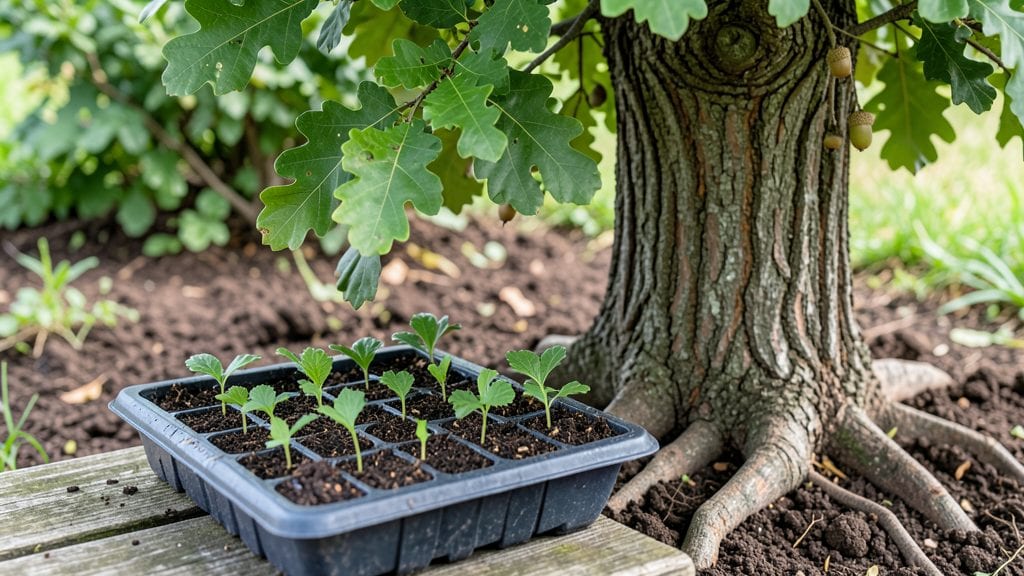
Growing trees in extra large planter pots means you can finally plant that majestic oak or towering maple without digging up the yard. 🌳 I’ve watched my own container-grown trees thrive in the right-sized pots—no more stunted roots or top-heavy struggles.
The secret lies in matching pot dimensions to root systems, using sturdy materials, and ensuring proper weight distribution so your tree doesn’t tip over in the first wind.
You’ll need pots with at least 15-20 gallons for small trees, scaling up to 50+ gallons for mature specimens like redwoods or fruit trees. Fabric grow bags offer flexibility and weight savings, while heavy ceramic or fiberglass provides stability for windy areas.
Drainage holes are non-negotiable—root rot from soggy soil will kill even the hardiest tree.
What you’ll end up with is a tree that grows strong, straight, and full—no more leaning or circling roots. The right pot also makes moving trees effortless, whether you’re rotating them for even sunlight or bringing them indoors for winter.
Plus, you can mix and match styles to match your garden’s aesthetic, from rustic wooden half-barrels to sleek modern fiberglass.
Perfect for patios, rooftops, or small yards where digging isn’t an option. The key is balancing size, material, and drainage to keep your tree happy for years. Let’s get those roots settled in the right home!
📚 In This Guide
- What you need
- Instructions
- Tips and common mistakes
- Wrapping up and next steps
What you need
- ● Extra Large Planter Pot: Minimum 24-inch diameter (or larger for mature trees).
- ● Depth: At least 18–24 inches (deeper for root-bound trees).
- ● Material: Fiberglass, resin, or heavy-duty plastic (for durability).
- ● Drainage holes: Pre-drilled or DIY-added (critical!).
- ● Growing Medium: 50% high-quality potting mix (e.g., peat-based or coconut coir).
- ● 30% perlite or pumice (for aeration).
- ○ 20% compost or slow-release fertilizer (optional but recommended).
- ○ Tree Support (Optional but Helpful): Stakes or tree ties (for young/saplings).
- ● Burlap or landscape fabric (to prevent soil erosion).
- ● Tools: Trowel or garden spade (for digging).
- ● Wheelbarrow or bucket (for mixing soil).
- ● Level (to ensure pot stability).
- ● Drill & bits (if adding drainage holes).
- ● Gloves & knee pads (for comfort!).
- ● 🌱 Tree Readiness: Ensure your tree is root-bound or recently transplanted (check for circling roots).
- ● 📏 Location Scout: Pick a spot with full sun/partial shade (matching your tree’s needs) and protection from strong winds.
- ● 🚧 Surface Prep: Clear the area of debris and level the ground (or use a pot stand for elevation).
- ● 💧 Water Access: Have a hose or watering can nearby for post-planting hydration.
How to select and use extra large planter pots for mature trees
Here's how to give your tall specimens the room they need to thrive—without the guesswork.
🪴 Step 1: Measure Your Tree's Root Space Requirements
Start by measuring your tree's trunk diameter at 6 inches above the soil line. Multiply that number by 10 to determine the minimum pot diameter your tree needs. For example, a 4-inch trunk requires at least a 40-inch diameter pot. This ensures roots have room to spread without circling, which strangles growth.
Depth matters too—aim for a pot that's 2-3 times the root ball diameter. If you're transplanting a mature tree, dig around the root ball to check its actual size. I've seen gardeners underestimate this and end up with pots that look huge but aren't deep enough. Measure twice, buy once.
☀️ Step 2: Choose the Right Material for Longevity
For trees, heavy-duty plastic or fiberglass pots are my top picks because they won't crack under weight or shift in wind. Avoid lightweight plastic—it tips easily when filled with wet soil and roots. Look for pots with built-in drainage holes (at least 4-6 holes for pots over 30 inches in diameter).
If you prefer natural materials, cedar or redwood planters work well but require more maintenance. Treat them with a rot-resistant sealant every 2-3 years to prevent water damage. I've seen untreated wood pots fail within a year when planted with thirsty trees like willows or poplars.
💧 Step 3: Prepare the Pot and Soil Mix
Clean the pot thoroughly with soapy water and a 10% bleach solution to kill any existing pathogens. Rinse well and let it dry completely before planting. Line the bottom with 2-3 inches of gravel or broken pottery to improve drainage—this prevents soggy roots, which cause root rot in large containers.
Use a well-draining potting mix designed for trees or shrubs. Avoid garden soil—it compacts and suffocates roots. I blend 60% potting mix, 20% perlite, and 20% compost for my large pots. This mix holds moisture without staying soggy, which is critical for trees in containers.
🌱 Step 4: Plant With Proper Root Support
Place your tree in the pot and fill around the root ball with soil, pressing gently to remove air pockets. Leave a 2-inch gap between the soil and pot rim—this prevents soil from spilling out when you water. For trees over 6 feet tall, add stakes and ties to stabilize the plant, especially in windy areas.
Water deeply until it runs out the drainage holes, then let the pot drain completely. This first watering settles the soil and helps roots make contact with the new medium. I like to water again 3-4 days later to encourage root expansion into the fresh soil.
⏰ Step 5: Maintain Moisture and Fertility Long-Term
Check soil moisture once a week by sticking your finger 2 inches deep—if it feels dry, water thoroughly. Large pots dry out slower than small ones, but trees in containers still need consistent moisture. Use a moisture meter for accuracy, especially in hot climates.
Fertilize every 4-6 weeks during the growing season with a slow-release, balanced fertilizer (10-10-10 or 20-20-20). Trees in pots deplete nutrients faster than in-ground plants. I avoid liquid fertilizers—they can burn roots if overapplied. Instead, I top-dress with organic compost twice a year for steady nutrition.
Tips & tricks for perfect extra large planter pots for trees
These practical tips will help you avoid common mistakes and get the most out of your large planter pots for mature trees.
Material Matters: When selecting between heavy-duty plastic and fiberglass, consider your climate. Plastic pots retain more moisture, which is ideal for drought-prone areas, while fiberglass handles temperature fluctuations better in extreme heat. For wood planters, I've found that cedar lasts longer than redwood in humid conditions—just remember to seal them every 2-3 years as mentioned in Step 2. The extra effort prevents rot that can happen within months if neglected.
Root Ball Inspection: Before planting, carefully examine the root ball's actual size—it's not always what you'd expect. If you're transplanting, gently loosen the roots at the edges with your hands or a fork to encourage outward growth. This prevents the "root circling" problem that strangles trees in containers. I've seen mature trees struggle because their roots were too tightly bound when potted.
Drainage Layer Hack: For the 2-3 inch gravel layer at the bottom, use clean river rocks or even broken terracotta pots instead of regular gravel. These materials create better airflow between the drainage layer and soil, preventing that foul smell from stagnant water. This small tweak makes a big difference in preventing root rot, especially for moisture-loving trees like willows.
Stabilization Strategy: For trees over 6 feet tall, use at least two stakes positioned diagonally from each other, not just one. This creates a more stable triangle support system. I like to use flexible tree ties that can adjust as the tree grows—regular twine can cut into the bark if left too tight. This simple adjustment prevents the pot from tipping over during windy weather.
Pro Tips for Extra Large Planter Pots For Trees
- These practical tips will help you avoid common mistakes and get the most out of your large planter pots for mature trees.
- Material Matters: When selecting between heavy-duty plastic and fiberglass, consider your climate.
- Root Ball Inspection: Before planting, carefully examine the root ball's actual size—it's not always what you'd expect.
Frequently asked questions
Got questions about extra-large planter pots for trees?
You’re not alone! Here are answers to the most common concerns to help you choose, use, and maintain these root-friendly containers with confidence.
What size extra-large planter pot is best for my mature tree?
The rule of thumb is at least 12–18 inches of soil depth per foot of tree height and a diameter 3–4 times the trunk width. For example, a 10-foot tree needs a pot with 100+ gallons of soil volume. Always check the manufacturer’s guidelines for weight limits—some oversized pots can weigh hundreds of pounds when filled!
When is the best time to plant a tree in an extra-large planter pot?
Plant in early spring or fall when temperatures are mild and rainfall is consistent. Avoid extreme heat (which stresses roots) or frost (which can damage tender new growth). If repotting an established tree, do it before bud break in spring for the best recovery. Pro tip: Water thoroughly before and after transplanting to reduce shock.
Can I use extra-large planter pots for trees indoors or on balconies?
Yes, but with critical adjustments! Ensure the pot has drainage holes and a saucer to prevent root rot. Choose lightweight materials like resin or fiberglass for easy moving, and opt for self-watering designs if you travel often. Limit indoor use to dwarf or container-friendly species (e.g., Japanese maples or citrus trees)—most large trees need outdoor space for root expansion.
How often should I repot a tree in an extra-large container?
Repot every 2–3 years or when roots circle the pot’s base (a sign of root-bound stress). Look for roots growing through drainage holes or soil drying out too quickly. Spring is ideal for repotting—prune 1/3 of the roots during transplanting to encourage new growth. Use fresh, well-draining soil to refresh nutrients.
What should I do if my tree’s leaves turn yellow or wilt in a large planter pot?
Yellow leaves often signal overwatering, poor drainage, or nutrient deficiency. Check for:
- Soggy soil → Reduce watering and add perlite to improve aeration.
- Compacted roots → Gently loosen roots and repot if needed.
- Pale or stunted growth → Fertilize with a slow-release, tree-specific formula in spring.
Are DIY extra-large planter pots cheaper than buying pre-made ones?
DIY options (like wooden half-barrels or cinder blocks) can save money, but they lack durability and drainage of commercial pots. Pre-made plastic, resin, or fabric pots offer better airflow, UV resistance, and weight distribution. If DIY-ing, line the container with landscape fabric and drill drainage holes. Weigh the long-term cost of root health vs. upfront savings!
Wrapping up and next steps
Choosing the right extra large planter pots for trees is a game-changer for nurturing tall specimens with confidence! 🌳 These root-supporting containers offer the stability, drainage, and space your trees need to thrive—whether you're a seasoned gardener or just starting out.
With the right materials and a little planning, you’ll create a flourishing green space that’s both practical and stunning.
Ready to take the next step? Measure your space, pick your pot, and get planting! Your future tree’s roots will thank you.