Pruning
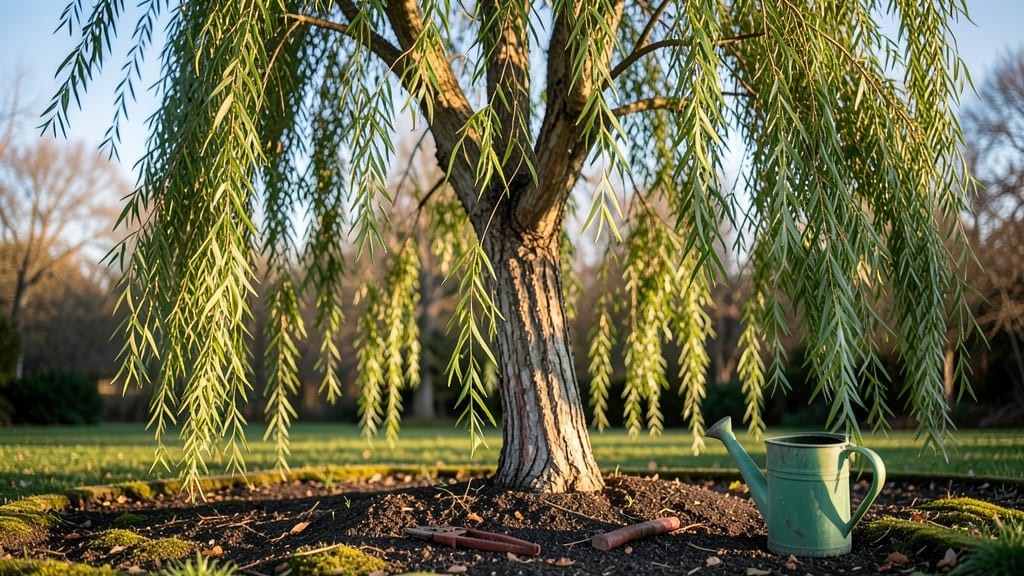
Buying a weeping willow tree for your Pacific Northwest garden means finding the perfect balance between dramatic beauty and hardy resilience. 🌿 I’ve planted three in this region, and the right specimen—with its arching branches and frost-resistant roots—can become the centerpiece of your landscape for decades.
The key isn’t just picking any tree; it’s selecting one that thrives in your microclimate, whether that’s a soggy corner by the creek or a sunny spot near the patio.
Start by checking if the tree is labeled as Pacific Northwest-hardened, meaning it can handle both winter frosts and summer humidity without stress. Nursery staff often know which local growers specialize in cold-tolerant varieties, so ask before you buy.
Avoid trees with yellowing leaves or brittle branches—those are red flags for poor health. And if space is tight, opt for a smaller sapling (6–8 feet) that you can train over time, rather than a mature tree that’ll outgrow your yard in five years.
Once you bring it home, the first 30 days are critical. Plant it in moist, well-draining soil (willows love water but hate soggy roots), stake it lightly to prevent wind damage, and water deeply every few days until it establishes.
Within a year, you’ll see those iconic, drooping branches take shape—casting shade, framing views, and creating a serene focal point that feels like a natural masterpiece.
Pro tip: Pair it with native ground covers like sword ferns or Oregon grape to suppress weeds and highlight its graceful form. And if you’re near a water feature, willows will eventually send roots into the pond, creating a living bridge that’s pure magic. Ready to make your landscape unforgettable?
📚 In This Guide
- What you need
- Instructions
- Tips and common mistakes
- Wrapping up and next steps
What you need
- ● Weeping willow tree: Choose a Salix babylonica (or frost-resistant hybrid) from a nursery. Opt for a 1- to 3-gallon container size for easier handling and better root establishment.
- ● Shovel: A heavy-duty digging shovel (18–24 inches wide) for breaking ground and planting.
- ● Garden gloves: A pair of durable, waterproof gloves to protect your hands from thorns and rough soil.
- ● Pruning shears: Bypass pruners (sharp, clean, and sterilized) for trimming roots or branches if needed.
- ● Mulch: 3–4 inches of organic mulch (wood chips, bark, or straw) to retain moisture and suppress weeds.
- ● Watering can or hose: A garden hose with a gentle spray nozzle or a 5-gallon watering can for post-planting hydration.
- ○ Soil amendment (optional but helpful): A 5-gallon bucket of compost or peat moss to improve drainage in heavy PNW clay soils.
- ● Tree stake: A 4–6 foot bamboo or metal stake + soft tree tie to support young trees in windy areas.
- ● Root stimulator: A biological rooting gel (like Mycorrhizal fungi) to boost early growth.
- ● Soil test kit: To check pH and nutrient levels (ideal range: 6.0–7.5 for willows).
- ● Frost cloth: Lightweight frost protection fabric for young trees during unexpected late frosts.
Step-by-step guide to buying a weeping willow tree for the Pacific Northwest
Here's how to pick a frost-resistant beauty that thrives in our region's unique climate.
🌱 Step 1: Determine Your Space Requirements
Weeping willows need 20-30 feet of horizontal space at maturity—measure your yard carefully. I always double-check by pacing off the area or using a tape measure to avoid planting too close to structures. These trees develop wide, arching branches that can reach 15-25 feet wide, so keep them at least 30 feet from buildings, sidewalks, or power lines.
For smaller yards, consider the 'Nana' cultivar which stays under 15 feet tall but still provides that signature weeping form. Dig a hole twice as wide as the root ball—this gives roots room to spread without circling, which causes stress. The Pacific Northwest's wet winters mean roots need excellent drainage, so avoid low spots where water pools.
☀️ Step 2: Choose the Right Cultivar for Frost Resistance
Look for Salix babylonica 'Tortuosa' or Salix caprea 'Pendula'—both handle our region's 10-20°F winters better than standard weeping willows. I always ask nursery staff for trees with multiple trunks (multi-stemmed) as they're more stable in windy coastal areas. Check for healthy bark—smooth, light brown without cracks or peeling, which indicates disease resistance.
Skip trees with yellowing leaves or mushroom-like growths at the base—these are signs of root rot or fungal issues common in our damp climate. A good tree should have dark green, flexible branches that don't snap when gently bent. Ask when the tree was grown from seed versus grafted—grafted trees (with a visible union point) mature faster and maintain cultivar traits better.
🪴 Step 3: Inspect Root Health Before Purchase
Lift the root ball slightly to check for white, fibrous roots—these indicate a healthy tree. Roots should extend outward from the center like fingers, not grow in tight circles. I've seen many trees with root-bound balls that struggle for years after planting. If roots are circling, gently tease them apart with your hands before planting.
Look for clean, fresh cuts on the root ball—if it's been sitting in a pot for months, roots may have grown into the container. The tree should have no visible signs of girdling (roots growing around the trunk). Ask the nursery when the tree was potted up—younger trees (under 3 years) transplant more successfully in our climate.
💧 Step 4: Time Your Purchase for Optimal Planting
Buy your weeping willow in early spring (March-April) or fall (September-October) when temperatures are mild. I always avoid summer purchases—our hot, dry spells stress newly planted trees. Check that the tree has plenty of buds along the branches, which means it's ready to leaf out quickly after planting.
If buying bare-root, soak the roots in water for 1-2 hours before planting to rehydrate them. Container-grown trees should have moist but not soggy soil—press your finger into the root ball. If it feels dry, water it thoroughly before leaving the nursery. Remember, weeping willows need constant moisture in their first growing season, especially in our region's dry summer months.
✂️ Step 5: Prepare for Aftercare Before Bringing It Home
Gather 3-4 inches of organic mulch (like wood chips) and a tree support stake if your tree is over 10 feet tall. Weeping willows grow fast, and our windy coastal areas can topple young trees. I always prune any dead or broken branches immediately after planting—this reduces stress and helps the tree focus energy on root establishment.
Plan to water deeply 2-3 times per week for the first year, especially during our summer droughts. The root ball should stay evenly moist—you'll know it's right when water drains through the soil but doesn't pool on top. Avoid overwatering, which causes root rot in our already damp climate. Mark the planting location with a stake and string to guide future pruning—weeping willows respond well to structural pruning in early spring.
Tips & tricks for buying a weeping willow tree in the Pacific Northwest
A few pro tips that'll help you select a thriving, frost-resistant weeping willow that becomes the star of your Pacific Northwest landscape.
Cultivar Selection: While Salix babylonica 'Tortuosa' and Salix caprea 'Pendula' are excellent choices for our region's 10-20°F winters, don't overlook the 'Nana' cultivar for smaller spaces. It stays under 15 feet tall while maintaining that classic weeping form—perfect for urban gardens where space is limited. I've seen many people choose standard varieties only to realize too late they need more room than their yard allows.
Root Health Inspection: When checking the root ball, pay special attention to the color and texture of the roots. Healthy roots should be white and fibrous, not brown or mushy. I've made the mistake of buying trees with root-bound balls that struggled for years—always gently tease apart any circling roots before planting. This one step can mean the difference between a thriving tree and one that fights to survive our damp climate.
Timing Your Purchase: Those early spring (March-April) and fall (September-October) windows are crucial for successful planting. I always avoid summer purchases because our hot, dry spells stress newly planted trees. Look for trees with plenty of buds—this indicates they're ready to leaf out quickly after planting, giving them a head start in our cool, wet springs. For bare-root trees, that 1-2 hour soak before planting is non-negotiable for rehydrating the roots properly.
Aftercare Preparation: Don't forget to gather your 3-4 inches of organic mulch and tree support stake before bringing your weeping willow home. Our windy coastal areas can topple young trees, and proper mulching helps maintain moisture in our region's dry summer months. I've seen many trees fail because people skipped these simple preparation steps—it's amazing how much difference proper aftercare makes in our challenging climate.
Pro Tips for Buying A Weeping Willow Tree
- A few pro tips that'll help you select a thriving, frost-resistant weeping willow that becomes the star of your Pacific Northwest landscape.
- Cultivar Selection: While Salix babylonica 'Tortuosa' and Salix caprea 'Pendula' are excellent choices for our region's 10-20°F winters, don't overlook the 'Nana' cultivar for smaller spaces.
- Root Health Inspection: When checking the root ball, pay special attention to the color and texture of the roots.
Frequently asked questions
Got questions about buying a weeping willow tree? You’re not alone! Here are some of the most common concerns—and their answers—to help you make the best choice for your Pacific Northwest garden.
When is the best time to plant a weeping willow tree in the PNW?
The ideal time to plant a weeping willow is in early spring (March–April) or fall (September–October). This gives the roots time to establish before summer heat or winter frost. Avoid planting in late fall or winter, as cold soil can stress young trees.
How much space does a weeping willow tree need?
Weeping willows are hungry for space—they need at least 30–50 feet of width and 40–60 feet of height at maturity. Plant them 50+ feet away from structures, septic systems, or power lines to avoid root or branch damage. If space is limited, consider dwarf varieties or container-growing options.
Are weeping willows truly frost-resistant in the PNW?
Yes! Weeping willows (like Salix babylonica) are hardy to USDA Zones 5–8, making them perfect for the PNW’s mild winters. However, young trees may need winter mulch (3–4 inches of wood chips) to protect roots from freezing. Older trees handle frost beautifully with minimal care.
What are some low-maintenance alternatives if a weeping willow sounds too high-maintenance?
If you love the look but want less upkeep, try these PNW-friendly alternatives:
- Arborvitae (Thuja): Evergreen, drought-tolerant, and compact.
- Japanese Maple (Acer palmatum): Graceful, smaller, and shade-tolerant.
- Dwarf Willow (Salix caprea ‘Pendula’): Miniature version with fewer mess concerns.
- Redmond Cedar (Thuja plicata): Native, sturdy, and low-maintenance.
Why is my weeping willow’s bark peeling or leaves yellowing?
Peeling bark is normal as the tree matures, but excessive peeling or yellow leaves could signal:
- Fungal disease (e.g., anthracnose): Prune infected branches and apply copper fungicide.
- Overwatering: Willows hate soggy roots—ensure well-draining soil.
- Nutrient deficiency: Amend soil with compost or slow-release fertilizer in spring.
Wrapping up and next steps
Buying a weeping willow tree for your Pacific Northwest garden is a rewarding choice—its graceful branches and frost-resistant nature bring timeless beauty to any landscape. Remember to prioritize healthy, well-established saplings, consider your space and climate needs, and prep your planting site with care.
With the right prep, your weeping willow will thrive for decades, offering shade, serenity, and stunning seasonal displays.
Ready to transform your outdoor space? Take the next step: research local nurseries or reputable online sellers, then schedule your planting day—your future shady retreat awaits! 🌳✨