
Pruning
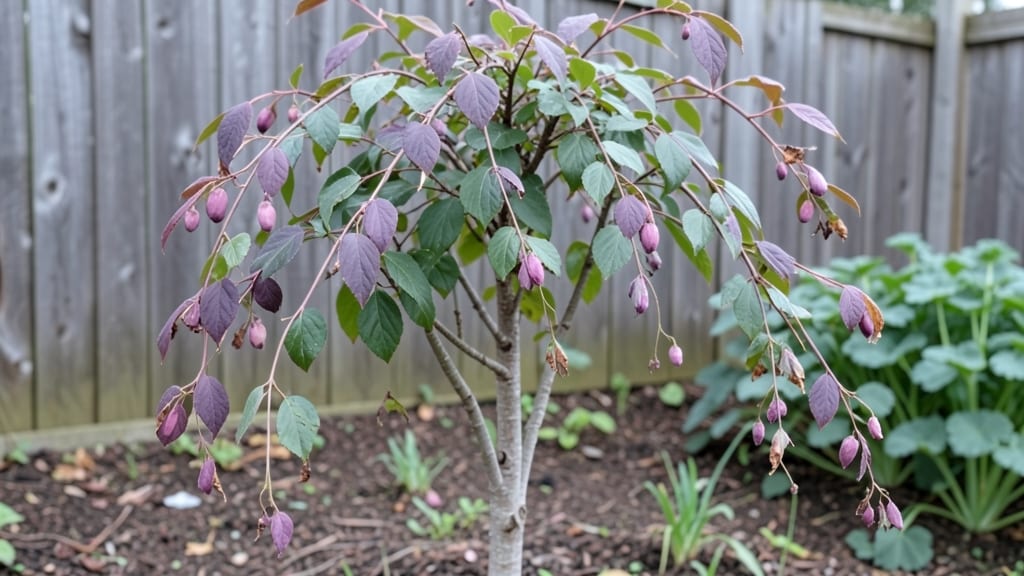
The weeping red bud tree turns spring into a cascade of pink blossoms that no other tree can match. 🌸 I planted mine in my Pacific Northwest yard last year, and the way it drapes like a living waterfall has neighbors stopping to ask what it is—it’s that stunning.
The secret to its success lies in understanding its love for cooler climates, well-drained soil, and that unique weeping habit that makes it a showstopper.
This tree thrives in zones 4 through 8, making it perfect for the Pacific Northwest’s frosty winters and mild summers. It’s not fussy about soil as long as it drains well—sandy loam or clay with added compost works beautifully.
Plant it in full sun for maximum blooms, and give it space to spread its graceful branches, which can reach 10 to 15 feet wide. The key to keeping it happy? A little pruning after flowering to shape it and remove any dead wood.
By late spring, you’ll be rewarded with clusters of vibrant pink flowers that appear before the leaves unfurl—a sight that lasts for weeks. The weeping branches create a natural focal point in any garden, and the tree remains relatively low-maintenance once established.
Just be mindful of powdery mildew in humid summers and keep an eye out for borers, though they’re rarely a serious issue with healthy trees.
Even in colder winters, this tree holds its own, making it a reliable choice for gardeners who want color without the fuss. Whether you’re planting one as a standalone specimen or pairing it with other shade-loving perennials, its beauty and resilience will pay off for years to come.
Ready to grow yours?
📚 In This Guide
- What you need
- Instructions
- Tips and common mistakes
- Wrapping up and next steps
What you need
- ● Pruning shears: Bypass pruners with sharp, clean blades (for cuts up to ½ inch in diameter). Recommended: Felco F-2 or Corona Tools 1000.
- ● Loppers: For thicker branches (½ to 1½ inches in diameter). Look for ratcheting loppers for extra leverage.
- ● Pruning saw: A curved-tooth pruning saw for branches over 1½ inches thick (e.g., Fiskars X7 or Bahco).
- ● Disposable gloves: Heavy-duty gardening gloves to protect your hands from thorns and sap.
- ● Rubbing alcohol (70% isopropyl) or bleach solution: (1 part bleach to 9 parts water) for sterilizing tools between cuts.
- ○ Pruning sealant (optional but helpful): For larger cuts (e.g., Tanglefoot Tree Wound Pruning Sealer).
- ● Ladder or step stool: If your tree is taller than 6 feet, ensure it’s sturdy and safe for reaching branches.
- ● Trash bags or bucket: For collecting pruned branches and debris.
- ● Hand pruners with extendable handles: For precision trimming in hard-to-reach spots.
- ● Tree wound dressing: Natural options like beeswax or commercial products to protect larger cuts.
- ● Marking spray or flags: To tag branches for removal (helpful for complex pruning plans).
- ● Safety glasses: If dealing with large branches or using a saw.
How to plant and care for a weeping red bud tree
This Pacific Northwest favorite thrives with minimal fuss—here's how to grow one that blooms reliably for years.
🌱 Step 1: Choose the Perfect Planting Site
Pick a location with full sun to partial shade—at least 4-6 hours of direct sunlight daily. The weeping red bud loves well-draining soil but tolerates clay common in the PNW. Avoid low spots where cold air pools, as this frost-sensitive tree needs good airflow to prevent winter damage.
I always test the spot by digging a 1-foot deep hole—if water pools after 24 hours, amend the soil with compost or sand to improve drainage. The tree's graceful, arching branches need 8-10 feet of horizontal space, so plant it where it won't crowd sidewalks or power lines.
☀️ Step 2: Plant at the Right Time and Depth
Plant your weeping red bud in early spring or fall, when temperatures are mild and the tree can establish roots before summer heat or winter frost. Dig a hole twice as wide as the root ball but no deeper—planting too deep suffocates the roots and causes stress.
Gently remove the tree from its container and loosen any circling roots with your fingers. Place it in the hole so the top of the root ball sits 1-2 inches above ground level. This prevents soil from settling and burying the trunk over time. Backfill with native soil, tamping lightly to remove air pockets.
💧 Step 3: Water Deeply and Mulch Properly
Water immediately after planting to settle the soil around roots, then give 1 gallon of water weekly during the first growing season. You'll know it's enough when water drains 6-8 inches deep—stick your finger in the soil to check. Overwatering is the fastest way to kill this tree, so let the top 2 inches of soil dry out between waterings once established.
Spread 2-3 inches of mulch around the base, keeping it 6 inches away from the trunk to prevent rot. I use wood chips because they break down slowly and improve soil structure over time. Refresh the mulch annually to maintain protection against winter frost and summer heat.
✂️ Step 4: Prune for Shape and Health
Prune your weeping red bud in late winter or early spring, before new growth begins. Remove any dead, crossing, or rubbing branches first—these compete for energy and can invite disease. Then, shape the tree by trimming back any leggy growth to encourage a fuller, more compact form.
Never prune more than 1/3 of the tree's foliage at once, or you'll shock it into stress. I focus on opening up the center to improve airflow, which prevents fungal issues common in dense, weeping varieties. After pruning, apply a balanced fertilizer to support new growth.
🌿 Step 5: Protect from Late Frost and Winter Damage
The weeping red bud's stunning pink blooms appear before leaves emerge, making them vulnerable to late frosts. Monitor your local forecast and cover the tree with frost cloth if temperatures dip below 28°F. The tree can handle -15°F once established, but young specimens need extra protection their first few winters.
In late winter, rake away any mulch that piled against the trunk during winter—this prevents moisture buildup that can cause rot. A light application of antidesiccant spray (like Wilt-Pruf) helps protect tender new growth from windburn in exposed sites.
Tips & tricks for perfect weeping red bud tree care
Here's what I've learned after watching these stunning trees thrive in my Pacific Northwest garden—simple tricks that make all the difference.
Soil Test Tip: That 24-hour water test in Step 1 is your best friend for avoiding soggy roots. If water pools after 24 hours, mix in equal parts compost and sand to create the perfect drainage. I've seen trees fail within weeks when planted in heavy clay without this adjustment—don't skip the test! The weeping red bud's roots need oxygen just as much as water.
Planting Depth Secret: The 1-2 inches above ground level in Step 2 might seem minor, but it's critical. Too low and you'll smother the trunk; too high and roots won't anchor properly. I use a small stake marked at the correct height as a visual guide. Also, loosen those circling roots gently with your fingers—never cut them, just separate them to encourage outward growth.
Watering Wisdom: Those 6-8 inches of drainage in Step 3 are non-negotiable. I've learned the hard way that letting water pool creates root rot. Use your finger to check moisture—if the top 2 inches are dry, it's time to water. And here's a pro move: water deeply but infrequently. A single gallon weekly is better than daily shallow watering that encourages weak, shallow roots.
Winter Protection Hack: For the 28°F frost threshold in Step 5, I've found that wrapping young trees in burlap (not plastic!) provides better airflow than frost cloth alone. The burlap breathes while still blocking damaging winds. And for established trees, a thick layer of mulch—up to 4 inches in cold climates—creates natural insulation that keeps roots warmer than air temperatures.
Pro Tips for Weeping Red Bud Tree
- Here's what I've learned after watching these stunning trees thrive in my Pacific Northwest garden—simple tricks that make all the difference.
- Soil Test Tip: That 24-hour water test in Step 1 is your best friend for avoiding soggy roots.
- Planting Depth Secret: The 1-2 inches above ground level in Step 2 might seem minor, but it's critical.
Frequently asked questions
Got questions about caring for your weeping red bud tree? Here are some of the most common ones—plus expert tips to keep your tree thriving in the Pacific Northwest’s climate!
When is the best time to prune a weeping red bud tree?
Prune your weeping red bud tree after it finishes blooming in late spring (May–June). Avoid pruning in fall or winter, as this can stimulate new growth that’s vulnerable to frost. Light shaping in early spring (before buds swell) is fine, but never prune during flowering—you’ll cut off next year’s blooms!
How cold can a weeping red bud tree tolerate?
This tree is highly frost-resistant, handling temperatures down to -15°F (-26°C) once established. Young trees may need winter protection (like burlap wraps) in their first few years, especially in exposed areas. Mulch the base with 3–4 inches of organic material to insulate roots—just keep it 6 inches away from the trunk!
Can I grow a weeping red bud tree in a container?
While possible, it’s not ideal long-term. Weeping red bud trees have aggressive root systems and can outgrow containers quickly (they reach 15–25 feet tall!). If you must, use a large, deep pot (20+ gallons) with drainage holes and repot every 2–3 years. Pro tip: Plant in full sun and fertilize monthly in spring/summer.
Why aren’t my weeping red bud tree’s flowers as vibrant?
Dull or sparse blooms often mean over-fertilizing with nitrogen (which promotes foliage over flowers) or poor sunlight. Ensure your tree gets 6+ hours of direct sun daily and use a balanced 10-10-10 fertilizer in early spring. Bonus: Deadhead spent blooms to encourage more flowers next year!
Are there alternatives to weeping red bud trees for shady spots?
If your yard is shady (less than 4 hours of sun), consider these PNW-friendly alternatives:
- Pacific Dogwood (Cornus nuttallii) – Stunning white blooms, thrives in partial shade.
- Oregon Grape (Mahonia aquifolium) – Evergreen, drought-tolerant, and pollinator-friendly.
- Western Red Cedar (Thuja plicata) – Hardy, shade-tolerant, and great for screening.
Wrapping up and next steps
The weeping red bud tree is a stunning, low-maintenance addition to the Pacific Northwest’s landscapes, offering vibrant blooms and resilience against frost. Whether you're a seasoned gardener or just starting out, its adaptability and beauty make it a fantastic choice for enhancing your outdoor space.
Ready to bring this blooming wonder into your garden? Start by gathering your tools, researching your local climate, and planning your planting or pruning schedule. With a little care, you’ll soon enjoy its breathtaking spring display year after year!