
Pruning
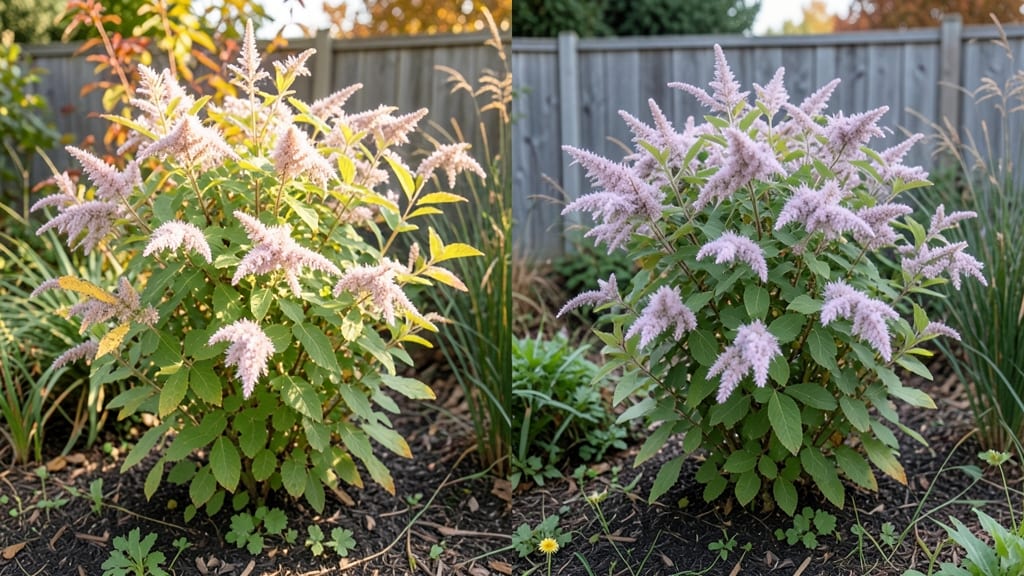
The moment I saw pictures of smoke tree foliage shimmer like cotton candy in autumn, I knew these frost-resistant showstoppers were pruning-worthy—especially with their wispy plumes and fiery fall colors. just right.
The key lies in strategic cuts that preserve their airy form while encouraging dense new growth, and I’ve pruned enough to know exactly when and how to do it without sacrificing that signature "smoky" texture.
You’ll need sharp pruners, a ladder (for taller specimens), and about 30 minutes to tackle the job—though the payoff is worth every minute. Smoke trees thrive on minimal intervention, but a well-timed prune in late winter or early spring keeps them compact, vibrant, and resistant to frost damage.
The trick is removing only 10-20% of the oldest wood each year, focusing on crossing branches and leggy stems that spoil the billowy silhouette.
What you end up with is a tree that looks effortlessly elegant all season long—velvety green leaves in summer, blush-pink or deep purple plumes in fall, and even winter interest when the stems catch the light.
Pruned correctly, these trees become the focal point of any garden, whether planted solo as a specimen or grouped with ornamental grasses and perennials for texture contrast. The best part? They bounce back faster than you’d expect after a hard prune.
This guide works for all Cotinus varieties, from the compact ‘Royal Purple’ to the towering ‘Grace’—just adjust your cuts to match the mature size. Whether you’re refreshing an old tree or shaping a young one, the same principles apply. Let’s get those branches looking their best for next season’s show.
📚 In This Guide
- What you need
- Instructions
- Tips and common mistakes
- Wrapping up and next steps
What you need
- ● Pruning shears: Bypass pruners (sharp, clean, and disinfected with rubbing alcohol to prevent disease). Recommended: Felco F-2 or similar (for small to medium branches).
- ● Loppers: For thicker branches (up to 2" diameter). Look for ratchet-style loppers for extra leverage.
- ● Pruning saw: A curved-tooth saw for branches larger than 2" (e.g., Bahco or Fiskars).
- ● Gloves: Heavy-duty, cut-resistant gloves (e.g., Mechanix or garden-specific brands) to protect your hands.
- ● Ladder or step stool: If your smoke tree is taller than 6 feet—safety first! Use a stable, non-slip ladder.
- ● Disinfectant: 1 part bleach to 9 parts water (or a commercial pruning sealant like Tanglefoot) to sterilize tools between cuts.
- ● Trash bags or bucket: For collecting pruned branches (aim for 2–3 large bags depending on tree size).
- ○ Sharpie or marking pen: To label branches you plan to remove (optional but helpful for planning!).
- ● Hand pruners with a bypass blade: For precision trimming of smaller branches.
- ● Extension pole pruners: If your tree is over 10 feet tall—reaches up to 12 feet!
- ● Mulch: Organic mulch (e.g., wood chips or shredded bark) to protect roots after pruning.
- ● Tree wound dressing: Controversial but some swear by it—like Tanglefoot Tree Wound Pruning Seal for larger cuts.
- ● Camera or phone: To snap before-and-after pictures of your smoke tree’s transformation!
- ● Best time to prune: Late winter or early spring (just as new growth begins). ✨ Pro tip: Avoid pruning in fall—it can stimulate tender growth vulnerable to frost!
- ● Weather check: Choose a dry, calm day (no rain forecast for 24 hours).
- ● Safety gear: Safety glasses (in case of saw kickback) and closed-toe shoes.
- ● Know your tree: Smoke trees thrive in USDA Zones 3–8—if you’re in a colder zone, time pruning to avoid late frosts!
Instructions for pruning smoke trees in the Pacific Northwest
Here's how to keep your smoke tree thriving through PNW winters and summers.
Time Your Pruning for Optimal Growth
Prune your smoke tree in late winter or early spring, just as new growth begins but before buds swell. This timing ensures you remove dead wood while encouraging fresh foliage before summer heat arrives. The Pacific Northwest's mild winters mean you can often prune as late as February, but avoid cutting after buds break—new growth is more vulnerable to frost damage.
Look for dormant branches that are brittle or lack leaves. These are prime candidates for removal. Healthy branches will have a slight green tint at the tips, even in winter. If you're unsure, wait until spring when new growth makes it easier to identify dead wood.
Use the Right Tools for Clean Cuts
Grab your sharp pruning shears or loppers—dull tools crush branches, leaving ragged cuts that heal poorly and invite disease. Sterilize your tools with rubbing alcohol to prevent spreading any fungal spores lurking in your yard. Smoke trees are tough, but clean cuts help them recover faster.
Make cuts just outside the branch collar, the swollen area where the branch meets the trunk. Avoid leaving stubs—these can rot and attract pests. If a branch is thicker than 1 inch, use loppers and cut at a 45-degree angle to shed water away from the wound.
Shape for Airflow and Structure
Step back and assess your tree’s shape. Smoke trees grow in a rounded, layered habit, so aim to maintain that natural form. Remove any crossing branches or those growing inward—they’ll rub against each other and create weak points. Thin out crowded areas to improve airflow, which reduces humidity and fungal risks.
If your tree is leggy, prune back the longest branches by one-third to encourage bushier growth. Focus on the outer third of the tree first—this opens up the center for sunlight and air circulation. Avoid over-pruning; smoke trees are resilient but won’t bounce back from drastic cuts.
Clean Up and Monitor for Recovery
Rake up all clippings and dispose of them—don’t leave them under the tree, as they can harbor pests or disease. Once pruned, water deeply to help the tree recover, especially if the soil feels dry. Smoke trees are drought-tolerant once established, but fresh cuts need moisture to heal properly.
Watch for new growth in 4-6 weeks. Healthy branches will sprout fresh leaves, while dead wood will remain bare. If you notice yellowing leaves or wilting, it could signal over-pruning or stress. Adjust future cuts to be more conservative if needed.
Plan for Winter Protection (If Needed)
While smoke trees are frost-resistant, young trees or those in exposed areas may benefit from a light burlap wrap during harsh PNW winters. Focus on protecting the trunk and lower branches from drying winds. Remove the wrap in early spring once growth resumes.
Mulch around the base with 2-3 inches of organic mulch to insulate roots and retain moisture. Keep mulch 6 inches away from the trunk to prevent rot. This simple step helps smoke trees weather winter without stress, setting them up for vibrant spring growth.
Tips & tricks for pruning Pacific Northwest smoke trees
These practical tips will help you maintain your smoke tree's health while avoiding common pruning mistakes that can stress the plant.
Timing is Everything: The late winter to early spring window is crucial because it lets your smoke tree recover before summer heat arrives. I've seen too many trees stressed by pruning too late—wait until you spot those first green tips emerging but before buds fully swell. In the PNW, February is usually safe, but always check for bud swelling first. The goal is to give your tree time to heal before the growing season kicks into high gear.
Branch Identification Made Easy: Don't second-guess which branches to remove. Healthy branches have a slight green tint at the tips, even in winter, while dead wood feels brittle and lacks leaves. If you're still unsure, wait until spring when new growth makes identification straightforward. I've learned the hard way that cutting healthy branches can set back your tree's growth for the entire season.
Tool Care Prevents Problems: Sterilizing your pruning tools with rubbing alcohol isn't just about cleanliness—it's about preventing disease spread. I always clean my tools between trees in my yard, and I've noticed a significant difference in recovery rates. For branches thicker than 1 inch, that 45-degree angle cut is essential. It helps water shed away from the wound, reducing rot risk. Don't skip this detail—it makes all the difference in long-term tree health.
Recovery Monitoring: Those 4-6 weeks after pruning are critical for monitoring recovery. Watch for new growth as your indicator—healthy branches will sprout fresh leaves while dead wood remains bare. If you notice yellowing leaves or wilting, it's a sign you've over-pruned. In my experience, smoke trees are forgiving, but they do need time to adjust after significant cuts. A little patience goes a long way.
Pro Tips for Pictures Of Smoke Tree
- These practical tips will help you maintain your smoke tree's health while avoiding common pruning mistakes that can stress the plant.
- Timing is Everything: The late winter to early spring window is crucial because it lets your smoke tree recover before summer heat arrives.
- Branch Identification Made Easy: Don't second-guess which branches to remove.
Frequently asked questions
Got questions about smoke trees? You’re not alone! Whether you're admiring their stunning foliage or planning your next pruning session, here are some of the most common inquiries—plus straightforward answers to keep your smoke tree thriving.
What’s the best time of year to prune a smoke tree?
Prune your smoke tree in late winter or early spring (before new growth starts) to avoid damaging buds. You can also do a light trim in summer to shape the plant, but avoid heavy cuts then. Pro tip: Never prune in fall—it can stimulate tender new growth that won’t survive winter!
Are smoke trees really frost-resistant? How cold can they handle?
Smoke trees (Cotinus) are hardy to USDA Zones 5-9 and can tolerate temperatures as low as -20°F (-29°C). Young plants may need winter protection (like mulch or burlap wraps), but mature trees are highly resilient. Their peeling bark and dense foliage naturally insulate against cold.
How much can I prune a smoke tree without harming it?
Smoke trees are highly forgiving—you can prune up to 30% of the plant annually without stress. For dramatic shaping, remove no more than 25% in one season. Focus on dead, crossing, or overcrowded branches first. Warning: Avoid "topping" (cutting back to stubs)—it encourages weak growth and ruins the tree’s natural form.
What if my smoke tree isn’t producing its signature smoke-like foliage?
Several factors could be at play:
- Lack of sunlight: Smoke trees need full sun (6+ hours daily) for vibrant foliage.
- Over-fertilizing: Too much nitrogen = leafy growth, not "smoke." Use a balanced fertilizer (10-10-10) sparingly.
- Disease/pests: Check for powdery mildew (white dust) or spider mites (yellowing leaves). Prune affected areas and treat with neem oil if needed.
- Age/stress: Young trees or those recovering from transplant shock may take 2-3 years to show their signature color.
If the issue persists, consider rejuvenation pruning (cutting back 1/3 of the oldest stems) in late winter.
Can I grow a smoke tree from cuttings? What’s the success rate?
Yes! Smoke trees root easily from semi-hardwood cuttings (taken in late spring or early summer). Here’s the quick method:
- Cut 4-6 inch stems just below a leaf node.
- Remove lower leaves, dip in rooting hormone.
- Plant in moist perlite or sand, cover with a plastic bag.
- Keep in bright, indirect light (no direct sun) and mist daily.
- Roots form in 4-8 weeks—success rates are 70-90% with proper care!
Pro tip: Use a heating mat to speed up rooting in cooler climates.
Wrapping up and next steps
The smoke tree is a stunning addition to any Pacific Northwest garden, offering vibrant foliage and year-round interest—especially when pruned with care. 🌿 Whether you're a seasoned gardener or just starting out, the key takeaway is patience and precision: trim in late winter or early spring, and always prioritize airflow and shape.
Your efforts will reward you with a lush, healthy tree that thrives even in frost!
Ready to give your smoke tree the love it deserves? Grab your pruners, review your notes, and get to work! 🌱 With the right techniques, you’ll be the envy of the neighborhood—and your tree will thank you for years to come.