
Size
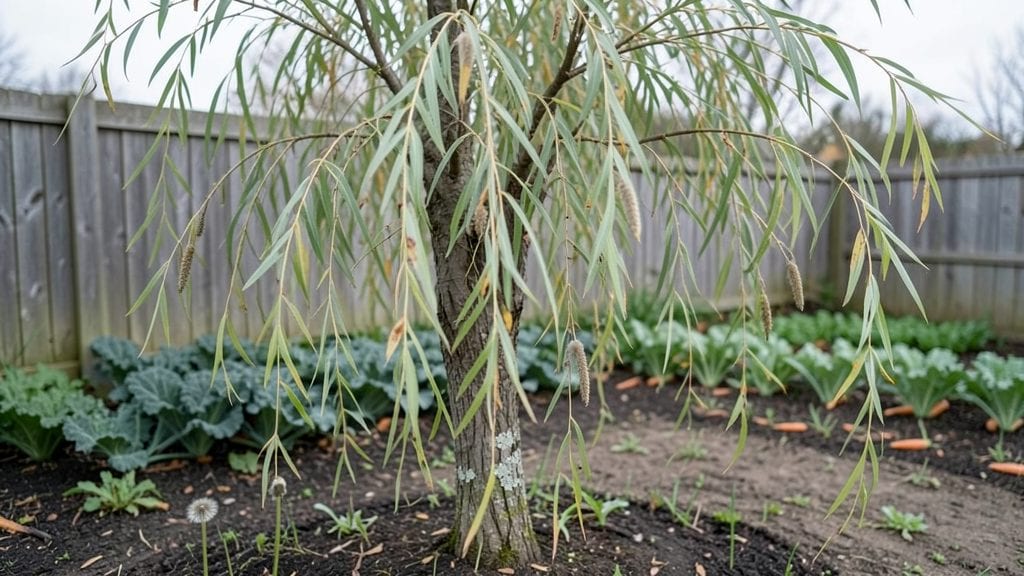
Planting a tall willow tree transforms your Pacific Northwest garden into a lush, frost-proof vertical masterpiece—imagine a graceful archway framing your patio or a living privacy screen that sways in the breeze. 🌿 The way its branches cascade creates natural shade and a serene atmosphere, perfect for creating intimate outdoor spaces or adding drama to large landscapes.
Willows thrive near water features, making them ideal for ponds or streams, but they also adapt beautifully as standalone focal points in open lawns. Pair them with native ferns, hostas, or wildflowers to enhance their natural elegance, and prune selectively to maintain their iconic weeping shape.
Their rustic charm fits seamlessly into cottage, Japanese, or even modern minimalist gardens.
Beyond aesthetics, willows offer practical benefits like erosion control along slopes or banks, while their air-purifying properties make them a thoughtful addition to any outdoor space. You’ll love how they soften hard edges and add movement, especially when planted near seating areas or walkways.
For best results, choose a spot with moist soil and partial sun—though they’re remarkably adaptable. Whether you’re dreaming of a willow arch for a garden entrance or a towering privacy screen, this tree delivers both beauty and function year after year.
📚 In This Guide
- What you need
- Instructions
- Tips and common mistakes
- Wrapping up and next steps
What you need
- ● Tall Willow Tree Sapling: Choose a Salix spp. variety (e.g., Salix babylonica or Salix alba) from a local nursery. Opt for a 3–5 ft tall, 1–2 inch caliper sapling for best frost resistance.
- ● Well-Draining Soil: 5–10 cubic yards of a mix of 60% topsoil, 30% compost, and 10% perlite/sand to prevent waterlogging.
- ● Fertilizer: Slow-release 10-10-10 NPK fertilizer (10 lbs) or organic options like fish emulsion or composted manure.
- ● Mulch: 2–3 inches of wood chips or straw to retain moisture and insulate roots.
- ● Shovel & Spade: For digging a 3 ft deep × 3 ft wide hole.
- ● Wheelbarrow: To transport soil and mulch.
- ● Garden Gloves & Knee Pads: For comfort during planting.
- ● Watering Can or Hose: With a gentle spray nozzle for hydration.
- ● Pruning Shears: Sharp, bypass-style shears (for shaping and maintenance).
- ○ Stakes & Twine (Optional): For young trees needing support in windy PNW climates.
- ● Sunlight: A full-sun to partial-sun location (6+ hours of sunlight daily).
- ● Water Source: Access to consistent watering (willows thrive near ponds or with regular moisture).
- ● Space: Minimum 15–20 ft diameter for mature growth (or vertical garden structure for smaller spaces).
- ● Frost Hardiness: Ensure your zone is USDA 4–9 (PNW is perfect!).
How to plant and care for a tall willow tree in the Pacific Northwest
This elegant tree thrives in our rainy climate—here’s how to establish it for decades of beauty.
🪴 Step 1: Choose the Perfect Planting Location
Willows demand space—plant your tree at least 30 feet from structures, as its roots spread aggressively and branches can reach 20-40 feet wide. In the Pacific Northwest, prioritize locations with full sun (6+ hours daily), though they tolerate partial shade. Avoid low spots where water pools, as soggy soil invites root rot.
Test the soil pH before planting—willows prefer slightly acidic to neutral (6.0-7.0). If your soil is heavy clay, amend with 2-3 inches of compost mixed into the top 12 inches. Dig a hole twice as wide as the root ball but only as deep—planting too deep suffocates roots and causes stress.
🌱 Step 2: Plant with Proper Spacing and Support
Remove the tree from its container and loosen any circling roots—willows hate root-bound stress. Place it in the hole so the top of the root ball sits 1-2 inches above ground level. This prevents water from pooling around the trunk. Backfill with native soil, tamping gently to eliminate air pockets but avoiding compaction.
Stake only if needed—willows grow tall quickly and often stabilize themselves. If your site has strong winds, install two stakes on opposite sides and tie the trunk loosely with rubber tree ties (never wire, which cuts into bark). Water deeply immediately after planting to settle the soil around roots.
☀️ Step 3: Water Deeply and Mulch Correctly
Willows need 1-2 inches of water weekly during their first growing season, more in summer heat. Water deeply 2-3 times per week until the soil feels moist 12 inches down. Overhead watering encourages fungal diseases—always water at the base. Reduce frequency after the first year as roots establish.
Apply 3-4 inches of organic mulch (wood chips or bark) in a 3-foot radius around the trunk, keeping it 6 inches away from the bark to prevent rot. Replenish mulch annually—this conserves moisture, regulates soil temperature, and suppresses weeds without competing with the tree’s shallow roots.
✂️ Step 4: Prune for Health and Structure
Prune willows in late winter or early spring before new growth begins. Remove dead, diseased, or crossing branches first, cutting just outside the branch collar. Thin out 20-30% of the canopy to improve airflow and reduce storm damage—willows grow fast and can become top-heavy.
Never remove more than 1/3 of the canopy in one year. If you’re shaping the tree, make cuts just above a bud or lateral branch to encourage fuller growth. Sterilize pruning tools with 70% rubbing alcohol between cuts to prevent spreading disease.
🌿 Step 5: Monitor for Common Pacific Northwest Challenges
Watch for aphids or scale insects on new growth—treat with a strong spray of water or insecticidal soap if infestations appear. Willow leaf beetles can skeletonize leaves, but they rarely kill the tree. In wet winters, fungal diseases like anthracnose may appear—remove infected leaves immediately and improve airflow with pruning.
Willows handle frost well but may suffer winter dieback if planted in exposed sites. Protect young trees with burlap wraps in harsh winters, and avoid heavy pruning in fall—new growth is vulnerable to cold. With proper care, your willow will thrive for decades, providing shade, wildlife habitat, and that iconic Pacific Northwest charm.
Tips & tricks for perfect tall willow tree planting
A few key strategies will help your willow thrive for decades in our Pacific Northwest climate.
Location Intelligence: Step 1’s 30-foot spacing recommendation isn’t just about roots—it accounts for willows' dramatic growth habits. In our region, where summer heat can be brief, position your tree where it gets morning sun and afternoon shade. This balances photosynthesis while preventing heat stress. The 6+ hours of sun requirement is non-negotiable for robust growth, but partial shade in hot afternoons can be beneficial in inland areas like eastern Washington.
Root Care Secret: When loosening circling roots in Step 2, focus on the outer edges where roots meet the root ball. These are the most restrictive and need special attention. I’ve seen willows planted with perfect spacing fail because of root-bound stress—take 5 extra minutes here to make all the difference. The 1-2 inches above ground level placement is critical too; it prevents water from pooling against the trunk, which can cause rot in our wet winters.
Watering Wisdom: The 2-3 times weekly watering in Step 3 is perfect for our rainy summers, but adjust for your microclimate. In drier inland areas, you might need daily watering until roots establish. Use a moisture meter to check that soil stays moist 12 inches down—this is more reliable than guessing. The mulch radius recommendation of 3 feet is ideal for moisture retention, but in exposed sites, extend it to 4 feet to protect roots from drying winds.
Pruning Precision: When thinning 20-30% of the canopy in Step 4, prioritize removing branches that cross or rub against others. These create entry points for disease in our damp climate. The 1/3 canopy rule prevents stress—willows grow so fast that aggressive pruning can shock them. Always sterilize tools between cuts; our wet winters create perfect conditions for fungal spread if you don’t.
Pro Tips for Tall Willow Tree
- A few key strategies will help your willow thrive for decades in our Pacific Northwest climate.
- Location Intelligence: Step 1’s 30-foot spacing recommendation isn’t just about roots—it accounts for willows' dramatic growth habits.
- Root Care Secret: When loosening circling roots in Step 2, focus on the outer edges where roots meet the root ball.
Frequently asked questions
Got questions about growing or caring for a tall willow tree in the Pacific Northwest? You’re in the right place! Here are some of the most common queries—plus clear, practical answers to help you cultivate this frost-resistant beauty with confidence.
How tall can a tall willow tree grow in the PNW?
A mature Salix babylonica (the classic weeping willow) can reach 40–50 feet in ideal conditions, but dwarf varieties (like Salix caprea) stay between 15–25 feet. In the PNW’s cooler climate, growth may be slightly slower, but with proper care, you’ll still see impressive vertical growth!
Is a tall willow tree truly frost-resistant?
Willows are hardy to USDA zones 4–9, making them perfect for the PNW’s winters. Young trees benefit from light mulching (3–4 inches of wood chips) to protect roots, but established willows bounce back effortlessly after frost. Pro tip: Prune dead branches in early spring to encourage fresh growth!
How much space does a tall willow tree need?
Willows have sprawling root systems and wide canopies. Plant them at least 30–50 feet from structures, fences, or other trees to avoid root competition or structural damage. For smaller yards, consider container-grown dwarf willows (pots ≥24 inches in diameter).
How long does it take for a willow tree to mature?
Expect 5–10 years for full maturity, but willows grow 2–3 feet per year in ideal conditions. In the PNW, growth may slow slightly in winter, but consistent moisture (especially in summer) keeps them thriving. Patience pays off!
What’s the best alternative if I don’t have space for a full-sized willow?
Try these compact, frost-resistant vertical options:
- Salix caprea (Purple Osier Willow) – 15–20 ft tall, vibrant stems.
- Salix integra ‘Hakuro-Nishiki’ (Variegated Willow) – 10–15 ft, striped foliage.
- Amelanchier alnifolia (Saskatoon Serviceberry) – 10–20 ft, edible berries!
All thrive in the PNW’s climate and add year-round interest!
Wrapping up and next steps
The tall willow tree isn’t just a stunning addition to the Pacific Northwest’s landscape—it’s a resilient, frost-resistant powerhouse that brings grace, shade, and wildlife support to any garden.
Whether you’re a seasoned gardener or a curious beginner, its adaptability and vertical charm make it a dream for transforming spaces into serene, functional retreats. 🌿
Ready to plant your own? Start by sketching your design, gathering supplies, and reaching out to local nurseries for the perfect Salix variety. Your future shade haven awaits—dig in and grow! 🌱