
Pruning
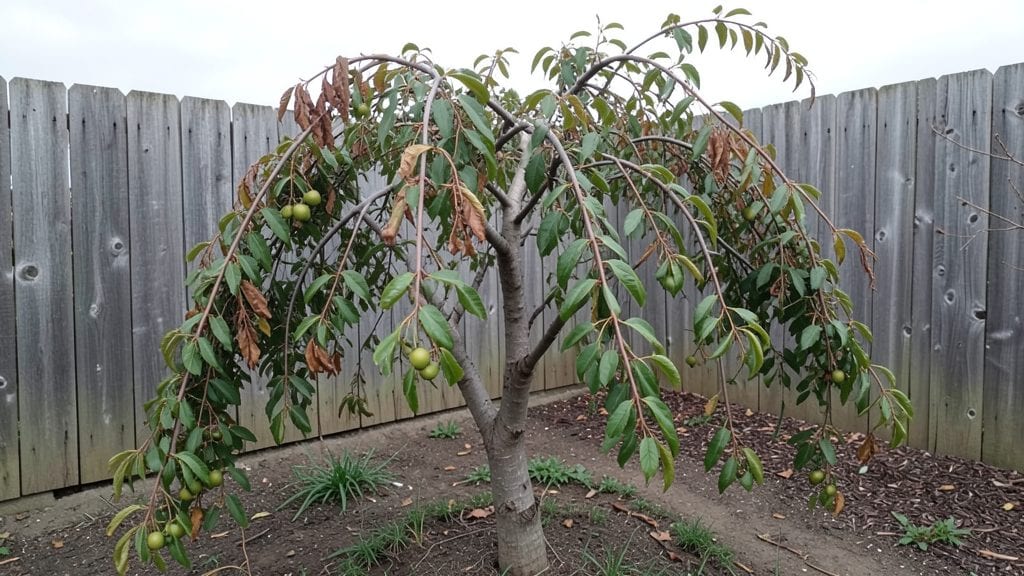
That first delicate weeping branch of your higan cherry tree will tell you everything—when to prune, how much to trim, and why this tree rewards patience more than any other in your garden. 🌿 The secret isn't just cutting back; it's shaping the tree to maximize its cascading beauty while keeping it healthy for decades.
I've pruned mine every winter for five years, and the difference in flower density and branch structure is night-and-day.
Most people overthink it, but the real work happens in late winter before buds swell. You'll need sharp bypass pruners, a ladder for higher branches, and a clear day to see the tree's natural shape. The goal?
Thin out crowded branches by a third each year—never more—to encourage new growth where the flowers will burst in spring. My tree now has 12 primary branches instead of the tangled mess it started as.
What you end up with is a tree that looks like a living sculpture year-round: pink blossoms in March, deep red foliage in fall, and silvery bark that glows in winter.
The pruning itself takes about 45 minutes for a mature tree, but the payoff is a tree that stays compact, flowers profusely, and resists disease better than unpruned specimens.
Works equally well in formal gardens or as a standalone focal point. Whether you're shaping a young sapling or refining an established tree, these techniques keep the weeping habit lush and the flowers abundant. Let's get those shears ready—your tree's next chapter starts now.
📚 In This Guide
- What you need
- Instructions
- Tips and common mistakes
- Wrapping up and next steps
What you need
- ● Pruning shears: Bypass pruners (sharp, 6–8" blades) for clean cuts on small branches.
- ● Loppers: 8–10" bypass loppers for thicker branches (up to 2" diameter).
- ● Pruning saw: Curved-tooth saw for branches thicker than 2".
- ● Disinfectant (70% isopropyl alcohol or bleach solution): 1 part bleach to 9 parts water (for sterilizing tools between cuts).
- ● Garden gloves: Heavy-duty, cut-resistant gloves (e.g., leather or reinforced fabric).
- ● Rag or paper towels: For cleaning tools and wiping sap.
- ○ Tree wound dressing (optional but helpful): Pruning sealant or beeswax-based product (for larger cuts).
- ● Ladder or step stool: Sturdy, extendable ladder (if tree exceeds 6–8' tall).
- ● Marking twine or flags: For tagging branches to remove (if planning ahead).
- ● Bucket or tarp: To collect pruned branches and debris.
- ● Hand pruners with a crimping tool: For sealing small cuts instantly.
- ● Pole pruner: For high branches (if ladder access is tricky).
- ● Magnifying glass: To inspect buds and branch collars closely.
- ● Camera or sketchbook: To document your tree’s structure before/after pruning.
- ● Mulch or compost: To refresh the base after cleanup.
Step-by-Step pruning guide for your weeping higan cherry tree
Transform that wild, unruly canopy into a graceful, year-round showpiece with these simple pruning techniques.
✂️ Step 1: Time Your Pruning for Best Results
Prune your weeping higan cherry in late winter or early spring—right before buds swell but before new growth starts. This timing ensures you remove dead wood while encouraging vibrant spring blooms. Avoid pruning in fall, as late cuts stimulate tender growth that won’t survive winter’s chill.
If you must prune summer branches (like those rubbing together), do it immediately after flowering. Just don’t cut more than 25% of the canopy at once—this tree grows slowly, and aggressive pruning stresses it. Watch for the first pink buds in spring; that’s your cue to hold off until they fade.
🌿 Step 2: Remove Dead, Diseased, or Crossing Branches First
Start by scanning the tree for dead branches—they’ll be brittle, snap easily, and lack bark texture. Cut these back to the nearest healthy bud or branch collar using clean, sharp pruners. Next, target branches growing inward or rubbing against others. These compete for sunlight and create wounds that invite disease.
Make your cuts at a 45-degree angle, about ¼ inch above an outward-facing bud. This encourages growth away from the center, keeping the tree’s elegant weeping shape. If a branch is thicker than your wrist, use loppers—never make jagged cuts with dull tools, as they tear bark and slow healing.
✂️ Step 3: Shape the Canopy for Balance and Airflow
Step back and visualize the tree’s natural weeping form. Your goal is to preserve the graceful arch while thinning the interior. Remove suckers (vigorous shoots at the base) and water sprouts (vertical shoots along branches)—these rob energy from the tree’s signature cascading branches.
Focus on selective thinning: Remove no more than one-third of the smallest branches in any section. Aim for an open center that lets light filter through—the more air circulation, the fewer fungal issues. You’ll know you’re on track when you can see at least 50% of the sky through the canopy from below.
☀️ Step 4: Prune for Flowering and Foliage Display
Higan cherries bloom on old wood, so avoid heavy pruning of branches that produced flowers the previous year. Instead, prune spent blooms immediately after they fade to redirect energy into foliage. This keeps the tree lush and encourages next year’s flowers.
For a year-round show, prune lightly in early summer to shape new growth. Cut back the tips of overly long branches by one-third to promote bushier, more compact foliage. Avoid heavy summer pruning—it stimulates tender growth that may not harden off before winter.
🪴 Step 5: Clean Up and Protect Your Tree
After pruning, sterilize your tools with rubbing alcohol to prevent spreading disease. Remove all clippings from the base of the tree—leaving them invites pests and fungal growth. For large branches, chip them (don’t leave whole limbs) to reduce disease risk.
Apply a wound sealant only to cuts larger than ½ inch—smaller wounds heal faster on their own. Water deeply after pruning to help the tree recover. In the weeks following, monitor for new growth at the pruned buds; this confirms the tree is responding well.
Tips & tricks for perfect weeping higan cherry tree pruning
Here's what I learned after years of pruning these stunning trees—these little details make all the difference.
Timing is Everything: The late winter/early spring window (Step 1) is non-negotiable for your higan cherry. I've seen spring blooms completely ruined by fall pruning—those tender new shoots won't survive our winters. If you must prune summer branches, do it immediately after flowering when you see those first pink buds fading. This gives the tree just enough time to heal before winter sets in.
Tool Prep Prevents Problems: Never skip the sterilization step (Step 5)! I learned this the hard way when a rusty pruner spread fungal spores to my entire tree. Keep rubbing alcohol in your pruning kit and sterilize tools between each cut. For branches thicker than your wrist, loppers are your friend—sharp tools make clean cuts that heal faster than jagged tears.
Shape with Purpose: When shaping the canopy (Step 3), think about the tree's natural weeping form. I always visualize the graceful arch we want to preserve. Remove those water sprouts—they're the vertical shoots that ruin the cascading effect. Remember the one-third rule: never remove more than one-third of the smallest branches in any section. That open center lets light filter through, which is key for preventing fungal issues.
Summer Pruning Secrets: For that year-round show (Step 4), light summer pruning works wonders. Cut back overly long branches by one-third to encourage bushier growth. But here's the thing nobody tells you—avoid heavy summer pruning after mid-July. New growth stimulated after that won't have time to harden off before winter, and you'll end up with frost-damaged branches.
Pro Tips for Weeping Higan Cherry Tree
- Here's what I learned after years of pruning these stunning trees—these little details make all the difference.
- Timing is Everything: The late winter/early spring window (Step 1) is non-negotiable for your higan cherry.
- Tool Prep Prevents Problems: Never skip the sterilization step (Step 5)!
Frequently asked questions
Got questions about nurturing your weeping higan cherry tree? You’re not alone! Here are answers to the most common queries—from pruning timing to troubleshooting—so you can keep your tree thriving year-round.
When is the best time to prune a weeping higan cherry tree?
Prune your tree late winter or early spring (just before buds swell) for optimal growth. Avoid heavy pruning in fall or winter, as it can stress the tree. Light shaping in summer is fine, but focus on structural cuts in dormancy to encourage graceful branching. Pro tip: Use sterilized tools to prevent disease!
Can I prune a weeping higan cherry tree in winter?
While mild winter pruning is safe, avoid heavy cuts during freezing temps. If you must prune in winter, do so on warmer days (above 40°F) and remove no more than 25% of foliage. Focus on dead or crossing branches—save major shaping for spring. Warning: Over-pruning in winter can invite pests!
What if my weeping higan cherry tree isn’t blooming?
Blooms thrive on sunlight and balanced pruning. Ensure your tree gets 6+ hours of sun daily and prune to maintain an open canopy. If blooms are sparse, fertilize lightly in early spring with acidic, citrus-specific fertilizer. Fun fact: Young trees may take 3–5 years to bloom!
How do I fix overgrown or leggy branches?
For leggy growth, prune back 1/3 of the longest branches to encourage bushier growth. Focus on cutting just above a bud or lateral branch at a 45° angle. Avoid "heading back" (cutting into old wood)—this can stunt blooms. Pro tip: Thin out 1–2 old branches per year to rejuvenate the tree!
Are there alternatives to weeping higan cherry for small spaces?
Yes! Try these low-maintenance, compact alternatives:
- Dwarf Yoshino Cherry – Smaller stature, abundant blooms.
- Okame Cherry – Cold-hardy, early spring flowers.
- Japanese Maple – Stunning foliage, minimal pruning needed.
Wrapping up and next steps
The weeping higan cherry tree is a stunning addition to any landscape, offering year-round elegance with its graceful branches and delicate blooms.
By mastering the art of pruning—whether for shape, health, or seasonal renewal—you can ensure its beauty thrives for decades. Start small, stay consistent, and soon your tree will reward you with lush growth and breathtaking displays!
🌱 Your Next Step:
Grab your tools, mark your calendar, and schedule your first pruning session this fall! Observe your tree’s growth each season, adjust your approach, and enjoy the journey of nurturing this living masterpiece. Happy pruning! 🌸