
Size
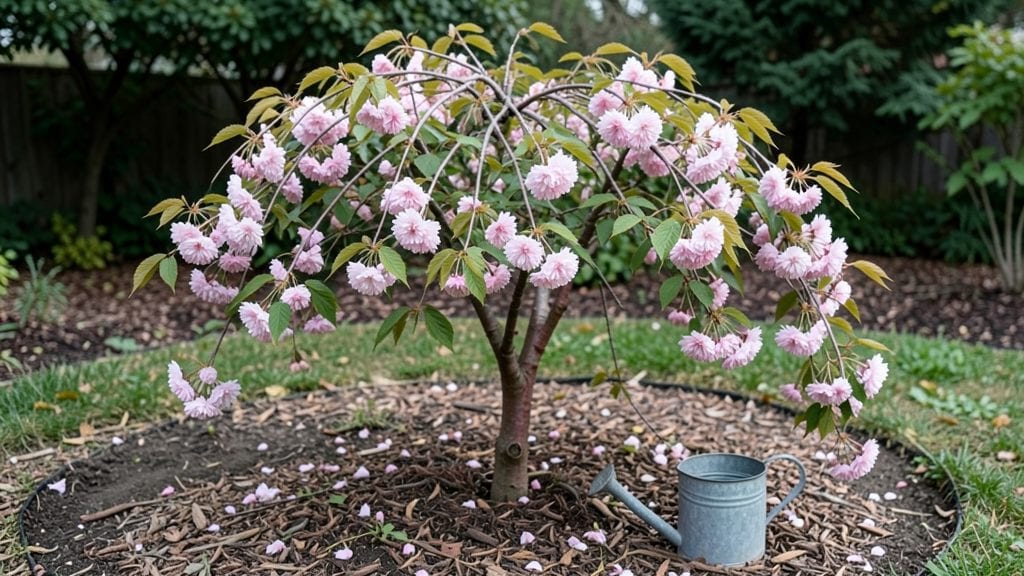
Growing a weeping cherry tree brings dramatic, graceful beauty to any yard—those cascading branches look like something out of a storybook. 🌸 I planted mine five years ago, and every spring, the pink blossoms create a waterfall effect that stops neighbors in their tracks.
The key to success starts with choosing the right variety and site.
You’ll need full sun (6+ hours daily) and well-draining soil—sandy loam works best, but amending clay with compost helps. For containers, pick a 15-gallon pot with drainage holes, since roots need room to spread.
Dwarf varieties like ‘Pendula’ stay manageable, while standard types need 20 feet of space to spread their branches elegantly.
After planting, water deeply twice a week for the first year, then taper to once a week once established. Prune in late winter to shape the tree and remove dead branches—never cut into old wood, or you’ll lose those stunning blooms.
A light layer of mulch keeps roots cool and retains moisture.
With proper care, your weeping cherry will reward you with spring blossoms, summer shade, and fall color for decades. The secret? Patience—these trees grow slowly but become the showstopper of your landscape. Let’s get started!
📚 In This Guide
- What you need
- Instructions
- Tips and common mistakes
- Wrapping up and next steps
What you need
- ● Weeping cherry tree sapling: Choose a healthy 1-3 gallon container-grown tree (e.g., Prunus subhirtella 'Pendula' or Prunus serrulata 'Kanzan').
- ● Well-draining soil: 50 lbs of a mix of 50% native soil, 30% compost, and 20% perlite/sand (for drainage).
- ● Organic mulch: 3-4 cubic feet of wood chips or shredded bark (to retain moisture and regulate temperature).
- ● Slow-release fertilizer: 1 lb of balanced 10-10-10 or 20-20-20 (for young trees) or acid-loving plant fertilizer (for mature trees).
- ● Watering can or hose: With a gentle spray nozzle (to avoid disturbing soil).
- ● Pruning shears: Bypass pruners (sharp, clean, and sterilized with rubbing alcohol).
- ○ Support stake (optional but helpful): A 5-6 ft bamboo or metal stake + soft tree tie (to secure young trees in windy areas).
- ● Garden trowel or spade: For digging the planting hole (3x wider and 2x deeper than the root ball).
- ● Garden gloves: To protect hands from thorns and rough soil.
- ● pH test kit: To ensure soil pH is 5.0–6.5 (cherry trees prefer slightly acidic soil).
- ● Sunlight: A full-sun location (6+ hours/day) with 6+ hours of direct sunlight.
- ● Space: 15–25 ft diameter (for mature tree spread) and 20–30 ft height clearance (avoid power lines!).
- ○ Drip irrigation system (optional): For consistent moisture (especially in dry climates).
Step-by-step guide for planting and caring for a weeping cherry tree
Here’s how to nurture a stunning weeping cherry tree with strong roots and graceful branches.
🌱 Step 1: Select the Right Location and Prepare the Soil
Weeping cherry trees thrive in full sun—choose a spot with at least 6 hours of direct sunlight daily. Avoid low-lying areas where cold air settles, as these trees are sensitive to late frosts. The ideal soil is well-draining, slightly acidic (pH 6.0-6.5), and rich in organic matter. Before planting, loosen the soil to a depth of 12-18 inches with a shovel or tiller, removing any rocks or debris.
If your soil is heavy clay, amend it with 3-4 inches of compost mixed into the top 12 inches of soil. This improves drainage and aeration, which prevents root rot—a common issue with weeping cherries. Test your soil’s pH a few weeks before planting; if it’s too alkaline, work in sulfur or peat moss to adjust it gradually.
🪴 Step 2: Plant at the Correct Depth and Stake for Support
Dig a hole twice as wide as the root ball but only as deep—planting too deep suffocates the roots, while a shallow hole leaves them exposed. Gently remove the tree from its container and loosen any circling roots with your fingers. Place the tree in the hole so the top of the root ball sits level with the surrounding soil—never mound soil against the trunk.
Backfill with native soil, tamping lightly to eliminate air pockets. Water deeply to settle the soil, then stake the tree if needed—young weeping cherries benefit from one or two stakes positioned 6 inches from the trunk to prevent wind rock. Use soft tree ties (never wire) to secure the trunk without constricting it as it grows.
☀️ Step 3: Water Deeply and Mulch to Retain Moisture
Water the tree immediately after planting with 10-15 gallons of water, soaking the root zone thoroughly. Weeping cherries need 1-2 inches of water weekly during the first year, but avoid overhead sprinkling, which can spread fungal diseases. Instead, use a soaker hose or drip irrigation at the base, keeping the foliage dry.
Apply a 3-inch layer of mulch (wood chips or shredded bark) around the base, extending outward 2-3 feet but keeping it 6 inches away from the trunk. Mulch conserves moisture, regulates soil temperature, and suppresses weeds—just remember to replenish it annually as it breaks down. Avoid fresh wood chips, which can rob nitrogen from the soil.
✂️ Step 4: Prune for Structure and Airflow in Early Spring
Weeping cherries develop their signature cascading form naturally, but light pruning in late winter or early spring encourages stronger branching. Remove any dead, diseased, or crossing branches first, cutting just outside the branch collar. Thin out 10-20% of the canopy to improve airflow, which reduces the risk of fungal infections like powdery mildew.
Never prune more than 25% of the tree’s foliage in one season—this stresses the tree and weakens flowering. If you notice water sprouts (suckers growing vertically), remove them promptly, as they divert energy from the main structure. After pruning, apply a balanced fertilizer (10-10-10) to support new growth.
🌿 Step 5: Monitor for Pests and Maintain Seasonal Care
Weeping cherries are relatively low-maintenance, but watch for aphids, scale insects, or borers, which can weaken the tree. Spray with neem oil at the first sign of infestation, or introduce ladybugs for natural pest control. Yellowing leaves often signal overwatering or nutrient deficiency—adjust your watering schedule or test the soil for deficiencies like iron or magnesium.
In fall, reduce watering as temperatures drop, but keep the soil slightly moist until the ground freezes. Apply a thin layer of mulch (1-2 inches) to insulate the roots over winter. Young trees may need winter protection in colder climates—wrap the trunk with tree wrap and cover the root zone with extra mulch to prevent frost heave.
Tips & tricks for perfect weeping cherry tree growth
These essential insights will help you cultivate a thriving weeping cherry tree that flourishes for years. The right approach makes all the difference between a struggling sapling and a stunning landscape centerpiece.
Location is Everything: While the instructions mention full sun, I can't stress enough how critical this is—weeping cherries need that 6 hours of direct sunlight daily to develop their signature cascading branches. If your yard has afternoon shade, consider planting near a south-facing wall that reflects sunlight. I've seen trees in partial shade grow leggy and sparse, with fewer blossoms. Also, avoid planting too close to structures—these trees can grow 15-25 feet wide at maturity, so give them room to spread their graceful branches.
Soil Preparation Secret: The instructions mention loosening soil to 12-18 inches deep, but here's what nobody tells you—if your soil is compacted, rent a hand tamper or use a garden fork to break up the subsoil. I learned this the hard way after watching a weeping cherry struggle for years in dense clay. For the 3-4 inches of compost recommended, I prefer well-aged cow manure compost—it adds beneficial microbes that help roots establish faster. If you're in a hurry, you can use a high-quality bagged compost, but avoid anything with fresh wood chips that could tie up nitrogen.
Staking Strategy: When staking your weeping cherry, position those one or two stakes 6 inches from the trunk at a 45-degree angle rather than straight up. This creates a more stable triangle when tied. I've seen too many trees with stakes that pull straight out when wind hits. Use soft tree ties and check them monthly—they can cut into the bark as the trunk grows. Pro tip: If you're in a windy area, consider adding a third stake on the opposite side for extra support during the first growing season.
Watering Wisdom: The 10-15 gallons of water immediately after planting is crucial, but here's how to do it right—water slowly over 20-30 minutes to let the soil absorb properly, not just run off. For the 1-2 inches weekly during the first year, I measure this by placing an empty tuna can in the planting area—when it collects 1-2 inches of water from rain or irrigation, that's your target. In hot climates, you may need to supplement with additional water, but avoid wetting the foliage to prevent fungal diseases. A soaker hose is your best friend for this.
Pro Tips for Grow A Weeping Cherry Tree
- These essential insights will help you cultivate a thriving weeping cherry tree that flourishes for years.
- Location is Everything: While the instructions mention full sun, I can't stress enough how critical this is—weeping cherries need that 6 hours of direct sunlight daily to develop their signature cascading branches.
- Soil Preparation Secret: The instructions mention loosening soil to 12-18 inches deep, but here's what nobody tells you—if your soil is compacted, rent a hand tamper or use a garden fork to break up the subsoil.
Frequently asked questions
Got questions about nurturing your weeping cherry tree? You’re not alone! Here are answers to the most common queries—from planting to pruning—so you can grow a stunning, healthy tree with confidence.
How long does it take for a weeping cherry tree to mature and bloom?
A weeping cherry tree typically takes 3 to 5 years to mature enough for full blooms, though some varieties may flower sooner (around 2–3 years). Patience is key—consistent care (watering, sunlight, and soil health) speeds up the process. Once established, expect 5–7 weeks of spring blooms and lush foliage year-round.
Can I grow a weeping cherry tree in a pot or container?
Yes, but it’s best for dwarf varieties (like ‘Kanzan’ or ‘Snow Fountain’). Use a large, well-draining pot (at least 18–24 inches deep) with a mix of garden soil and compost. Ensure it gets full sun and water regularly—containers dry out faster! Repot every 2–3 years if roots outgrow the space. Note: Standard weeping cherries need ground planting for full growth.
Why are the leaves on my weeping cherry tree turning yellow or brown?
Yellowing leaves often signal overwatering or nutrient deficiencies (like iron or nitrogen). Brown edges or crispy leaves? It’s likely underwatering or heat stress. Check soil moisture (top 1–2 inches should be dry) and adjust watering. For yellowing between veins, test soil pH (ideal: 6.0–7.0) and amend with compost or iron supplements if needed.
Do weeping cherry trees attract pests? How do I prevent them?
Common pests include aphids, borers, and spider mites. Prevent issues with regular pruning (remove dead branches) and neem oil sprays early in the season. For borers, inspect bark for tunnels and treat with beneficial nematodes. Keep the area around the tree clean (remove fallen leaves) to deter pests. If infestations occur, act fast—weeping cherries are resilient but vulnerable when stressed!
What’s the best alternative if I can’t grow a weeping cherry tree in my climate?
If your zone is too hot (below 5) or too cold (above 8), consider these stunning alternatives:
- Weeping Japanese Maple (Zone 5–8): Delicate foliage, vibrant colors.
- Dwarf Fountain Weeping Willow (Zone 4–9): Fast-growing, drought-tolerant.
- Cry Baby Tree (Pittosporum) (Zone 9–11): Lush, cascading greenery.
- Weeping Birch (Zone 2–7): Cold-hardy with papery bark.
Wrapping up and next steps
Growing a weeping cherry tree is a rewarding journey that adds elegance and charm to any landscape! With the right location, soil prep, and care, you’ll soon enjoy its graceful branches and stunning blooms. Remember, patience is key—these trees thrive with time, attention, and a little love. 🌸
Now that you’re equipped with the know-how, take the next step: visit your local nursery to pick out your tree and start planting! Whether you’re a beginner or a seasoned gardener, your weeping cherry will be a breathtaking centerpiece for years to come.