
Pruning
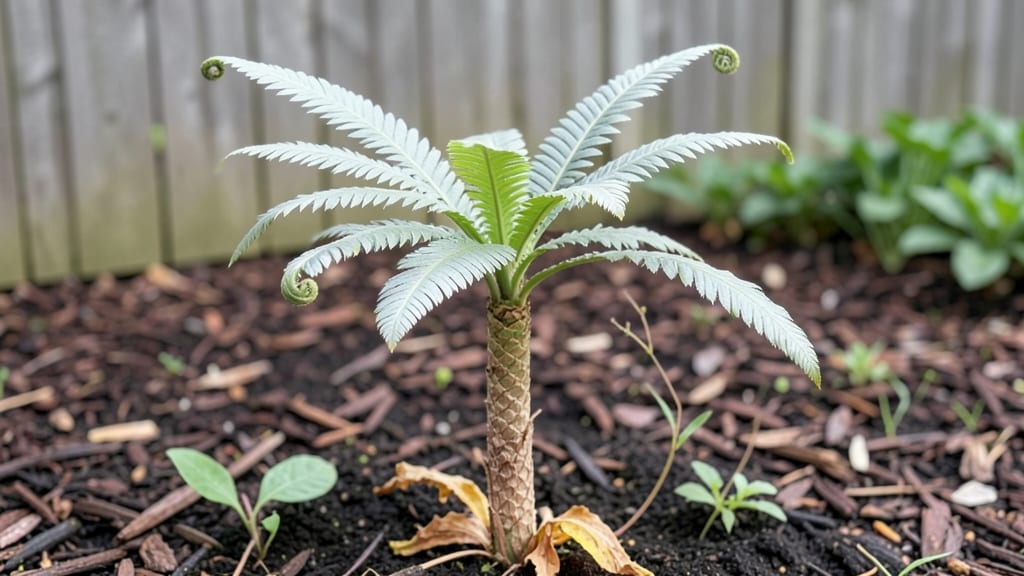
Growing tree fern seedlings into a lush privacy screen in just two years feels like magic—until you see how it works. 🌿 I’ve watched these tropical giants shoot up from tiny fronds, their feathery growth blocking wind and neighbors faster than any hedge.
The secret isn’t luck; it’s matching their exact needs from day one.
Tree ferns demand rich, well-draining soil mixed with peat or coconut coir, and they’ll reward you with 6-12 inches of growth per year if you keep them consistently moist but never soggy.
Unlike finicky shrubs, they thrive in shade or dappled light, making them perfect for tight spaces where sun-loving plants fail. The key? Humidity—these seedlings despise dry air, so mist them daily until established.
By year two, you’ll have a 10-foot-tall living wall that stays green year-round, even in winter. The fronds soften noise, filter dust, and create that “hidden garden” vibe without the upkeep of manicured hedges.
Just avoid overwatering (yellow fronds are a warning) and watch for scale insects, which love new growth.
Works in zones 8-11, but container-grown ferns can overwinter indoors if you live colder. Start with 3-5 seedlings spaced 3 feet apart for a dense screen by summer. Ready to grow your own green fortress?
📚 In This Guide
- What you need
- Instructions
- Tips and common mistakes
- Wrapping up and next steps
What you need
- ● Tree fern seedlings: 10–20 seedlings (depending on desired screen height; spacing ~3–5 feet apart). Choose healthy, disease-free plants with vibrant fronds.
- ● Well-draining soil: 1–2 cubic yards of a mix of peat moss, perlite, and compost (or pre-mixed fern soil). Avoid heavy clay.
- ● Organic mulch: 2–3 inches of pine bark, wood chips, or leaf litter to retain moisture and suppress weeds.
- ● Slow-release fertilizer: A balanced 10-10-10 or 20-20-20 fertilizer (follow label instructions for application rates).
- ● Watering can or hose with a gentle spray nozzle: For deep, even hydration without damaging fronds.
- ● Garden trowel or spade: For planting and soil amendments.
- ● Measuring tape: To ensure proper spacing (3–5 feet apart for optimal growth).
- ● Gloves: Heavy-duty gardening gloves to protect hands from soil and sharp fronds.
- ● Pruners (sterilized): For trimming dead or overgrown fronds as needed.
- ○ Drip irrigation system (optional): Automates watering for consistent moisture, especially in hot climates.
- ○ Shade cloth (optional): 30–50% coverage to protect seedlings from harsh afternoon sun during establishment.
- ● A shady to partially shady location (tree ferns thrive in 4–6 hours of indirect light daily). Avoid full sun.
- ● Well-prepared soil: Test soil pH (ideal range: 5.0–6.5); amend if needed with sulfur or lime.
- ● Proper spacing: Plan your layout in advance—tree ferns grow 6–10 feet tall and wide over 2 years!
How to grow tree fern seedlings into a privacy screen
Here's how to turn delicate seedlings into a lush, fast-growing privacy screen in just two years.
🌱 Step 1: Select and Prepare the Planting Site
Choose a location with dappled shade to partial sun—tree ferns thrive where they get morning light but afternoon shade. Test the soil by squeezing a handful: if it crumbles easily, it’s ready. If it stays clumped, amend with 3 inches of compost mixed into the top 12 inches of soil. Tree ferns hate soggy roots, so ensure the area drains well—dig a test hole, fill it with water, and wait. If it drains within 2 hours, you’re good to go.
Mark your planting spots 6-8 feet apart in rows spaced 8-10 feet apart. This spacing lets your seedlings grow into a dense screen without overcrowding. Use a garden hose to water the area the day before planting—moist soil makes transplanting easier and reduces shock. I like to draw a light outline with chalk to visualize the final screen before digging.
💧 Step 2: Plant Seedlings at the Right Depth and Water Thoroughly
Dig holes slightly wider than the root ball but no deeper—tree ferns dislike being buried too deep. Gently remove each seedling from its container, tease apart any tangled roots, and place it in the hole so the top of the root ball sits level with the surrounding soil. Press the soil around the roots firmly but don’t pack it down—you want air pockets to disappear naturally as the roots settle.
Water each seedling immediately with 1 gallon of water to help the soil settle and eliminate air gaps. After planting, mulch the area with 2-3 inches of organic mulch (like wood chips or shredded bark) to retain moisture and suppress weeds. Keep the mulch 2 inches away from the stem to prevent rot. Water again the next day to encourage root establishment.
☀️ Step 3: Maintain Moisture and Protect Young Growth
Tree ferns need consistent moisture—water 2-3 times per week during the first growing season, more often if your climate is hot or dry. Check the soil 1 inch below the surface with your finger: if it feels dry, it’s time to water. Overwatering is just as harmful, so avoid letting the soil stay soggy. A drip irrigation system set on a timer is ideal for keeping moisture even without overdoing it.
Watch for browning fronds—this usually means too much sun or underwatering. If you see crispy edges, move seedlings to a shadier spot or increase watering. In the first year, protect them from strong winds, which can damage tender fronds. A lightweight burlap wrap around the base can shield them until they establish stronger trunks.
✂️ Step 4: Prune and Fertilize for Faster Growth
Prune dead or damaged fronds in early spring to encourage new growth. Use clean, sharp pruners to make cuts 1 inch above a healthy joint on the trunk. Avoid cutting into the trunk itself—this can invite disease. Fertilize lightly in spring with a balanced, slow-release fertilizer (10-10-10 ratio) mixed into the soil around the base. Too much fertilizer can burn young roots, so stick to half the recommended dose the first year.
By the second year, your seedlings will start filling in. If any fronds grow too close together, thin them out to improve airflow and reduce disease risk. I like to step back every few months to check for gaps—filling them in early ensures a denser screen faster. With consistent care, your privacy screen will reach 6-8 feet tall in just two years, providing the lush, fast-growing barrier you’re after.
Tips & tricks for perfect tree fern seedling growth
Here's what nobody tells you about growing these fast-growing privacy screens—tricks that'll save you time and headaches.
Soil Test is Non-Negotiable: That 2-hour drainage test in Step 1 is critical—don't skip it! If water pools on top after 2 hours, you're looking at root rot. I've seen ferns thrive in amended soil that drains perfectly, but struggle in heavy clay even after adding compost. Consider adding perlite or sand if your native soil is too dense. For the best results, aim for soil that feels like a damp sponge when squeezed.
Planting Depth Secret: In Step 2, when placing seedlings, imagine the root ball sitting just below the soil line—never above it. I've buried them too deep by accident, and within weeks, the fronds start yellowing from lack of oxygen. Use a small stake beside each hole as a reference point before filling in. The goal is to mimic their natural forest floor conditions where roots breathe easily.
Watering Hack: The 2-3 times per week guideline works for most climates, but here's the pro move: water deeply each time rather than frequent light sprinkles. This encourages roots to grow downward where they'll find moisture naturally. I use a rain gauge to track rainfall—if we get 1 inch of rain, I skip a watering day. And always water in the morning so fronds dry before evening, preventing fungal issues.
Fertilizer Timing: That half-dose recommendation in Step 4 is non-negotiable first year. I've seen new growers over-fertilize and end up with crispy, burned fronds. Apply fertilizer when new growth appears in spring, not right after planting. Think of it as a gentle nudge rather than a growth boost—tree ferns grow steadily without dramatic spikes in nutrients.
Pro Tips for Tree Fern Seedlings
- Here's what nobody tells you about growing these fast-growing privacy screens—tricks that'll save you time and headaches.
- Soil Test is Non-Negotiable: That 2-hour drainage test in Step 1 is critical—don't skip it!
- Planting Depth Secret: In Step 2, when placing seedlings, imagine the root ball sitting just below the soil line—never above it.
Frequently asked questions
Got questions about growing tree fern seedlings into a lush privacy screen?
Here are answers to the most common ones—from planting timing to troubleshooting—so you can get started with confidence!
When is the best time to plant tree fern seedlings?
Plant tree fern seedlings in early spring (March–April) or fall (September–October) for the best success. Avoid extreme heat or frost—these ferns thrive in consistent moisture and moderate temperatures (60–75°F). If planting in summer, water deeply daily and provide afternoon shade until established.
How long does it take for tree fern seedlings to grow into a privacy screen?
With ideal conditions (full sun to partial shade, rich soil, and regular watering), tree fern seedlings can reach 6–10 feet tall in 2–3 years. For a dense privacy screen, space seedlings 3–4 feet apart and expect full coverage in 3–5 years. Patience pays off—these fast growers reward consistency!
Why are my tree fern seedlings wilting or turning brown?
Wilting or brown fronds usually signal overwatering, underwatering, or poor drainage. Check soil moisture—tree ferns like consistently damp (not soggy) soil. If roots are mushy, improve drainage by amending soil with perlite or compost. Yellowing fronds may also indicate nutrient deficiency—fertilize lightly with a balanced, organic fertilizer in spring.
Can I grow tree fern seedlings in containers instead of the ground?
Yes! Tree ferns adapt well to large containers (at least 12–18 inches deep) with drainage holes. Use a mix of peat moss, perlite, and compost to mimic their natural habitat. Repot every 2–3 years and keep soil moist. Containers limit root growth, so expect slightly slower (but still fast!) progress compared to in-ground planting.
Are tree fern seedlings prone to pests or diseases?
Tree ferns are generally pest-resistant, but watch for scale insects, slugs, or fungal issues in humid climates. Remove pests manually or use neem oil. For fungal problems (like brown spots), ensure good airflow and avoid overhead watering. Mulch around the base to deter slugs and retain moisture—just keep mulch 2–3 inches away from the trunk to prevent rot.
Do tree fern seedlings need full sun or shade?
Tree ferns prefer partial shade (4–6 hours of morning sun), especially in hot climates. In cooler regions, they tolerate dappled sunlight or full shade. Avoid harsh afternoon sun, which can scorch fronds. If planting in a sunny yard, provide temporary shade (like a sheer cloth) until seedlings establish roots for a few weeks.
Wrapping up and next steps
Growing tree fern seedlings into a lush, fast-growing privacy screen in just two years is not only achievable but also incredibly rewarding! 🌿 With the right soil, spacing, and care, you’ll enjoy a vibrant, low-maintenance green wall that thrives in your climate.
Whether you’re a gardening newbie or a seasoned pro, these hardy plants make the perfect addition to any outdoor space.
Now that you’re armed with all the tips and answers, it’s time to roll up your sleeves and plant! Start small—pick a sunny or partially shaded spot, gather your seedlings, and watch your privacy screen flourish. Happy planting! 🌱