
Propagation
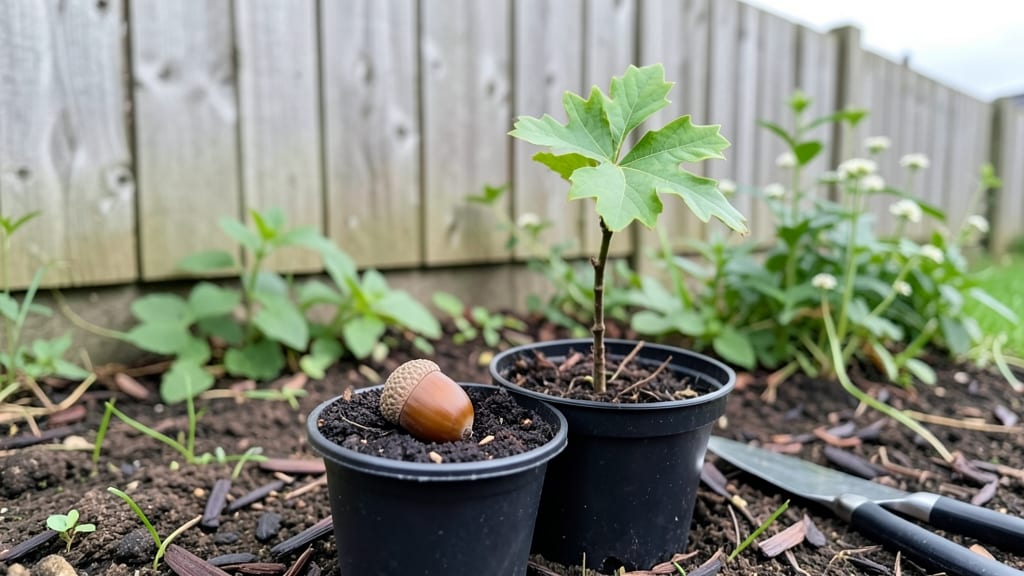
Growing an oak tree from an acorn feels like planting a future century monument in your backyard. 🌱 The process starts with a single acorn, but the wait—five years for meaningful growth—is where the magic happens.
This isn't a quick harvest; it's a long-term promise of shade, wildlife habitat, and that unmistakable oak wood scent on summer days.
The secret weapon here is stratification, a fancy term for mimicking winter to trick the acorn into sprouting. You'll need patience (and a fridge) to break dormancy, then a sunny spot with well-draining soil to give that first seedling room to stretch.
Most people quit after the first year—don't be one of them. That tiny sprout will reward you with 10-foot-tall seedlings by year five if you stay consistent.
What you end up with is a tree that outlives you, its roots running deeper than your shovel ever will. The leaves will turn gold in autumn, the acorns will feed squirrels, and your grandkids might still be telling stories about "the day we planted that acorn."
The real payoff isn't the tree—it's knowing you grew it from nothing.
Fair warning: oak seedlings are stubborn. They'll test your commitment with slow growth and finicky watering needs. But that's part of the charm. Every gardener who's done this knows—there's no greater satisfaction than watching something you nurtured from a single nut become the centerpiece of your landscape.
Let's get those acorns stratified.
📚 In This Guide
- What you need
- Instructions
- Tips and common mistakes
- Wrapping up and next steps
What you need
- ● Fresh acorns: Collect at least 10-20 acorns from mature oak trees (preferably white or red oak). Look for plump, heavy acorns with intact caps—avoid shriveled or worm-eaten ones!
- ● Potting soil: A well-draining mix like a blend of peat moss, perlite, and sand (or coconut coir). You’ll need about 1-2 gallons per batch.
- ● Small pots or containers: Use 3-4 inch diameter pots (biodegradable or plastic) with drainage holes. Plan for 10-20 pots based on your acorn count.
- ○ Seed-starting tray or flat: Optional but helpful for organizing tiny seedlings. A 10x20 inch tray works well.
- ● Spray bottle: For gentle watering—a 16 oz bottle with a fine mist nozzle is ideal.
- ● Plastic wrap or humidity dome: To retain moisture while germination begins. A clear plastic bag or store-bought dome will do.
- ○ Fertilizer (optional): A balanced, water-soluble fertilizer (5-5-5 or 10-10-10) for when seedlings sprout—1 tsp per gallon of water.
- ● Location: A sunny spot (south-facing window or grow light) for 6+ hours of indirect light daily.
- ○ Temperature control: Keep soil between 65–75°F (18–24°C) for germination. A seedling heat mat (optional) can help in cooler climates.
- ● Patience! Germination can take 4–12 weeks, so stay consistent with care.
Step-by-Step instructions for growing an oak tree from an acorn
Here's how to nurture an acorn into a mighty oak—it takes time, but the payoff is worth every season.
🌱 Step 1: Collect and Prepare Healthy Acorns
Gather acorns in late fall from mature, disease-free oak trees—look for full, plump shells with no cracks or holes. The best acorns are 1-1.5 inches long and feel heavy for their size. Store them in a paper bag (not plastic) in the fridge for 3-6 months to break dormancy naturally. This mimics winter's cold spell and tricks the seed into thinking it's time to sprout.
Before planting, soak acorns in warm water for 24 hours to soften the shell slightly. I like to place them in a jar with a mesh screen to keep them submerged but allow airflow. This step isn't mandatory, but it can speed up germination by 1-2 weeks—especially helpful if you're impatient like me.
🪴 Step 2: Plant Acorns in a Controlled Environment
Fill a small pot (4-6 inches deep) with well-draining potting mix—avoid garden soil, which can compact and suffocate roots. Plant 2-3 acorns per pot about 1 inch deep, spacing them 1 inch apart. Cover lightly with soil, then water gently until the mix feels evenly moist but not soggy. The extra acorns give you backup in case some don't sprout.
Place the pot in a warm, shaded spot (65-75°F)—a windowsill with indirect light works well. Keep the soil consistently moist (test by sticking your finger ½ inch deep; if dry, water lightly). Germination can take 4-12 weeks, so don't give up if nothing happens in the first month. Patience is key here—oak trees aren't in a hurry.
☀️ Step 3: Transplant Seedlings to Larger Pots
Once seedlings reach 3-4 inches tall (usually 6-12 months after planting), it's time to move them to 6-inch pots with fresh potting mix. Handle the tiny roots gently—oak seedlings are fragile at this stage. I like to use biodegradable pots so I can transplant them directly into the ground later without disturbing the roots.
Place the seedlings in a bright, indirect light spot (like a south-facing window or under grow lights). Gradually introduce them to direct sunlight over 2-3 weeks to avoid shock. Water when the top inch of soil feels dry, but avoid overwatering—oak seedlings hate soggy roots. You'll know you're doing well when the leaves stay deep green and firm, not yellow or wilted.
🌿 Step 4: Acclimate and Plant Outdoors
After 1-2 years of indoor growth, when seedlings are 1-2 feet tall, they're ready for the great outdoors. Choose a sunny spot with well-draining soil—oak trees despise wet feet. Dig a hole twice as wide as the root ball but only as deep as the pot was. Gently remove the seedling, loosen the roots if they're circling, and place it in the hole.
Backfill with soil, water deeply, and mulch around the base (but not touching the trunk) to retain moisture. The first year outdoors is critical—keep the soil evenly moist but not waterlogged. You'll see new growth in spring, and that's your sign the tree is thriving. Real talk: Some seedlings struggle the first year, but don't pull them up—give them time to establish.
⏰ Step 5: Long-Term Care for a Mighty Oak
For the first 3-5 years, protect young oaks from deer, rabbits, and lawnmowers—they're vulnerable at this size. I've lost more than a few to hungry critters, so I now use tree guards or fencing. Water deeply once a week during dry spells, but reduce frequency as the tree matures. By year 5, your oak should be 6-10 feet tall with a sturdy trunk—still small, but on its way to becoming a giant.
Let it grow! After the first few years, oaks are tough and low-maintenance. Just prune dead or crossing branches in late winter, and watch your tiny acorn turn into a 100-foot monarch in decades to come. That's the magic of oak trees—they're built to last.
Tips & tricks for growing oak trees from acorns
Here's what I've learned from years of growing oaks—these tricks turn good odds into great success.
Selection Tip: In Step 1, don't just grab any acorn! Look for the heaviest ones—they contain the most nutrients for your future tree. Tap two acorns together: the one that makes a deeper, richer sound is your best bet. I've found this simple test saves me from planting dozens of acorns just to have a few sprout.
Germination Secret: That 24-hour soak in Step 1 isn't just about softening the shell—it's a germination trigger. Use lukewarm water (not hot) and add a pinch of cinnamon (a natural fungicide) to prevent mold. I place my jar in a warm spot like near the fridge to maintain consistent temperature. If you're impatient, you can speed this up by stratifying (freezing acorns for 2 weeks), but the fridge method mimics natural winter conditions perfectly.
Lighting Strategy: In Step 2, that warm, shaded spot (65-75°F) is crucial—too much light too soon can scorch delicate seedlings. I use a south-facing window with sheer curtains to diffuse light. If you don't have natural light, a grow light on a timer (12-14 hours/day) works wonders. Watch for purple-tinged leaves—that's a sign of too little light. And remember, oak seedlings are slow starters—don't give up if nothing happens in the first 4-6 weeks.
Transplanting Hack: When moving to 6-inch pots in Step 3, I've found that watering the seedlings thoroughly 24 hours before transplanting reduces shock. Gently squeeze the biodegradable pot to loosen the root ball, then place it directly into the new pot with fresh soil. This keeps the roots intact and gives your seedling a better chance to establish. The key is gentleness—oak seedlings have delicate roots that can break easily.
Pro Tips for How Do You Start An Oak Tree From An Acorn
- Here's what I've learned from years of growing oaks—these tricks turn good odds into great success.
- Selection Tip: In Step 1, don't just grab any acorn!
- Germination Secret: That 24-hour soak in Step 1 isn't just about softening the shell—it's a germination trigger.
Frequently asked questions
Got questions?
Growing an oak tree from an acorn is rewarding but comes with its share of curiosity. Here are answers to the most common ones to help you succeed!
How long does it take for an acorn to sprout?
With proper care—warmth, moisture, and patience—most acorns sprout within 4 to 8 weeks. Some stubborn ones may take up to 3 months. If yours hasn’t sprouted after 3 months, it might not be viable. Don’t give up—try another acorn!
Can I plant an acorn directly in the ground?
Yes, but timing matters! Plant acorns in fall (October–November) for natural winter stratification, or spring (March–April) if you’ve pre-soaked them. Direct planting skips the indoor step, but success rates are lower without stratification.
What if my oak seedling grows too slowly?
Oak trees are slow growers—expect just a few inches per year. To speed things up slightly, ensure it gets full sun (6+ hours/day), well-draining soil, and regular (but not excessive) watering. Patience is key—your future giant needs time to develop a strong root system!
How do I tell if an acorn is healthy enough to plant?
Look for these signs: plump, brown cap (not shriveled), no mold or cracks, and a smooth, unblemished shell. Tap it gently—if it sounds hollow, it’s likely empty. Fresh acorns from mature oaks (like white or red oaks) have the best chances!
Can I use acorns from any oak tree?
Most oak species (white, red, bur, live) can be grown from acorns, but avoid acorns from black oak—they contain toxic tannins. If you’re unsure, research your local oak species or ask a local nursery. When in doubt, opt for acorns from Quercus alba (white oak) for reliability!
Wrapping up and next steps
Starting an oak tree from an acorn is a rewarding journey that blends patience, care, and a touch of nature’s magic. 🌱 While it may take years to see your mighty oak, every step—from soaking the acorn to nurturing the seedling—builds a deeper connection to the earth.
Once your young tree is thriving, consider planting it in a suitable spot or sharing the joy by gifting a sapling to a fellow green thumb!
Ready to watch your tiny acorn grow into a towering giant? The first step is already yours—grab that acorn and let nature work its wonders! 🌳✨