
Trees
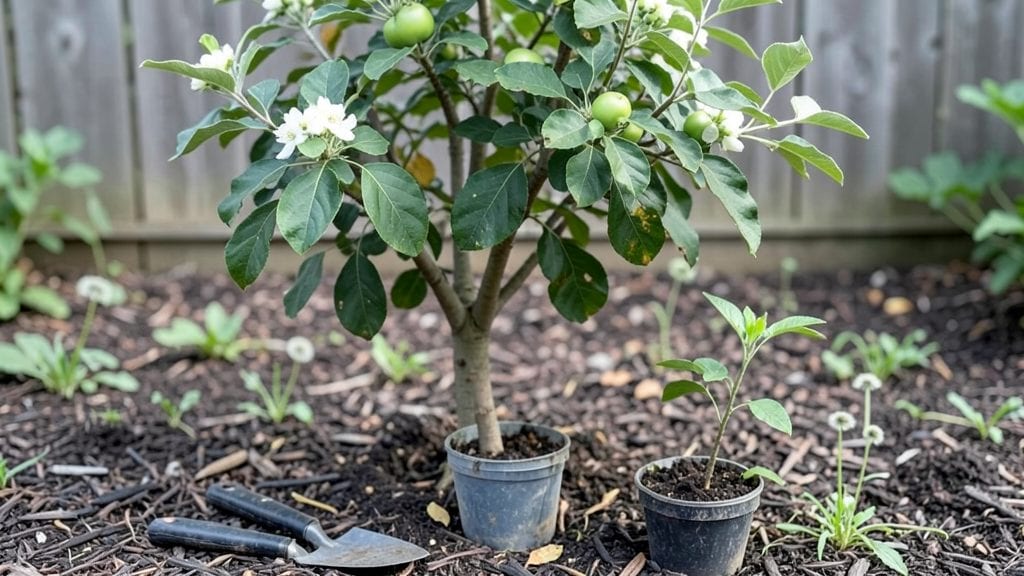
Here are my best tips for growing fruit trees—where my gardening obsession really took off, watching tiny whips blossom into trees laden with fruit. 🌱 The key isn’t just picking the right variety for your zone, but mastering the five techniques that keep trees productive for decades: soil prep that mimics their native conditions, strategic pruning to shape growth, watering that prevents root rot, pest control that works with nature, and seasonal care that adapts to your climate.
Most beginners underestimate how much fruit trees need the right start—skipping soil amendments or planting too deep leads to years of disappointment. I’ve learned the hard way that citrus needs well-draining soil with a pH of 6.0–7.5, while apples thrive in slightly acidic 5.5–6.5 soil.
The first year is all about establishing strong roots, not harvests, and that means deep watering once a week (not daily shallow watering) and mulching to lock in moisture.
By year three, you’ll see the payoff: vibrant green leaves, blossoms that fill the air with fragrance, and fruit that tastes better than anything store-bought.
The real magic happens when you time pruning to late winter (before buds swell) and thin fruit early in the season—this prevents overcrowding and lets each piece grow to full size. Even in small yards, dwarf varieties fit beautifully, and container-growing works for citrus in colder zones.
Here’s where it gets interesting—each fruit tree has its own quirks. Peaches need cross-pollination from another variety, while figs thrive with minimal care once established.
The techniques I’ve perfected over five seasons work for apples, citrus, peaches, and even pomegranates, but the devil’s in the details like chilling hours for stone fruits or frost protection for tender citrus. Let’s get your trees off to the right start.
📚 In This Guide
- What you need
- Instructions
- Tips and common mistakes
- Wrapping up and next steps
What you need
- ● Fruit Tree Saplings: Choose disease-resistant varieties suited to your climate (e.g., dwarf, semi-dwarf, or standard size). Quantity: 1–5+ depending on your space.
- ● High-Quality Soil: Well-draining, slightly acidic soil (pH 6.0–7.0). Mix in compost or organic matter for nutrients. Quantity: 2–3 cubic yards per tree.
- ● Fertilizer: Slow-release organic fertilizer (e.g., 10-10-10 or balanced NPK) or compost tea. Quantity: 1–2 lbs per tree, applied seasonally.
- ● Mulch: Wood chips, straw, or pine bark to retain moisture and suppress weeds. Quantity: 2–3 inches around the base.
- ○ Watering System: Drip irrigation or soaker hoses (avoid overhead sprinklers to prevent disease). Optional: Rainwater collection barrels.
- ● Pruning Tools: Bypass pruners (for small branches)
- ● Loppers (for thicker branches)
- ● Pruning saw (for large limbs)
- ● Support Stakes: 2–3 wooden or metal stakes (4–6 ft tall) + tree ties for young trees.
- ● Pest Control: Neem oil or insecticidal soap (organic)
- ● Bird netting (to protect fruit from pests)
- ● Sunlight: Full sun (6–8 hours daily) for most fruit trees.
- ● Space: Minimum 15–20 ft between trees (varies by variety). Dwarf trees need less.
- ● Climate Suitability: Choose trees adapted to your hardiness zone (check USDA Zone Map).
- ● Time Commitment: Regular watering, pruning, and monitoring for pests/diseases.
Step-by-Step techniques for growing fruit trees year-round
Here’s how to build a thriving orchard that produces fruit reliably, season after season.
🌱 Step 1: Select the Right Variety for Your Climate
Not all fruit trees thrive in every region. For year-round success, choose varieties bred for your USDA hardiness zone—check the tag or catalog notes. Dwarf varieties (like Columnar apples or Patio peaches) are ideal for small spaces, while standard trees need more room but produce larger yields. I always cross-reference with local extension service recommendations to avoid frost-sensitive varieties in cooler zones.
Consider pollination needs too. Some trees (like peaches) require a second variety nearby for fruit set. Planting a pollinator pair ensures consistent harvests. For example, a Elberta peach needs a Redhaven partner within 50 feet for successful pollination. This step saves headaches later when trees bloom but fail to fruit.
☀️ Step 2: Plant in the Optimal Season and Location
Timing matters—plant bare-root trees in late winter or early spring (before buds swell) to avoid transplant shock. Container-grown trees can go in anytime, but spring still gives roots time to establish before summer heat. Dig a hole twice as wide as the root ball but no deeper—planting too low suffocates roots and causes rot.
Sunlight is non-negotiable: most fruit trees need 6-8 hours of direct sun daily. A south-facing site with afternoon shade in hot climates works best. I always test the spot for a full day before planting—shade from nearby structures or trees will stunt growth and reduce fruit quality. Amend heavy clay soil with compost or organic matter to improve drainage.
💧 Step 3: Water Deeply and Mulch Strategically
Newly planted trees need 1-2 inches of water weekly (more in extreme heat). Water deeply at the base—avoid wetting foliage to prevent fungal diseases like powdery mildew. I use a soaker hose or drip irrigation to deliver moisture slowly, encouraging deep root growth. Let the soil dry slightly between waterings to prevent soggy roots, but never let it bake dry.
Apply 3-4 inches of organic mulch (wood chips or straw) around the base, keeping it 6 inches away from the trunk. Mulch retains moisture, regulates soil temperature, and suppresses weeds. Replenish it annually—decomposed mulch loses its effectiveness. This step is critical: proper mulching reduces watering needs by 30-50% in the first two years.
✂️ Step 4: Prune for Structure and Airflow
Prune young trees in late winter or early spring to shape the canopy and remove dead or crossing branches. Use clean, sharp pruners to make cuts just outside the branch collar. I aim for an open-center form (for apples/pears) or central leader form (for citrus), depending on the variety. Thin out crowded branches to improve airflow—this prevents fungal diseases and makes fruit easier to harvest.
Remove suckers (shoots growing from the base) and water sprouts (vertical shoots from the trunk)—they drain energy from fruit production. Prune 10-20% of the canopy annually to maintain health. In established trees, prune after harvest to redirect energy into next year’s growth. This step isn’t just about aesthetics; it directly impacts yield and tree longevity.
🌿 Step 5: Fertilize and Monitor for Pests/Diseases
Test your soil before fertilizing—most fruit trees thrive in slightly acidic to neutral soil (pH 6.0-7.0). Apply a balanced organic fertilizer (10-10-10) in early spring, then switch to a low-nitrogen, high-potassium blend (5-10-10) in late summer to boost fruit development. I avoid synthetic fertilizers; they can burn roots and disrupt soil microbes.
Watch for pests like aphids, codling moths, or scale insects—they’re common on fruit trees. Use neem oil or insecticidal soap for minor infestations, and introduce beneficial predators (ladybugs, lacewings) when possible. Fungal diseases (like apple scab) thrive in wet conditions, so prune for airflow and apply copper fungicide preventatively in spring. Regular monitoring catches issues early, before they spread.
Tips & tricks for perfect fruit tree growth
Here's what nobody tells you about keeping your orchard thriving through every season.
Variety Selection Wisdom: When choosing varieties in Step 1, pay special attention to bloom times—some fruit trees need pollinators active during specific windows. For example, early-blooming varieties like Honeycrisp apples need pollinators when temperatures are still cool, while late bloomers like Gala apples benefit from warmer spring weather. Cross-reference bloom periods with your local pollinator activity calendar for maximum fruit set. This is especially important in cooler climates where pollinators emerge later in the season.
Planting Season Secrets: In Step 2, that late winter/early spring window isn't arbitrary—it's when trees are still dormant but about to break bud. If you must plant outside this window, choose container-grown trees which have more flexible timing. I've found that planting in late fall (before hard freezes) can also work in mild climates, but it requires extra winter protection like burlap wraps and mulch. The key is avoiding active growth periods when trees are vulnerable to transplant shock.
Watering Technique: For Step 3's watering requirements, the 1-2 inches weekly is a baseline—but it's not about frequency, it's about depth. I've learned the hard way that shallow watering encourages shallow roots. Use a trowel to check moisture 6 inches down after watering—if it's dry, you need to water more deeply. In the first year, newly planted trees often need water every 3-4 days during summer heat, not weekly. A simple moisture meter makes this easy to track.
Pruning Strategy: When pruning in Step 4, focus on creating a "scaffold" of main branches at different heights—this prevents fruit from clustering and makes harvesting easier. I aim for 3-5 main branches spaced evenly around the trunk. For established trees, prune during the dormant season to minimize stress, but if you must prune in summer, do it immediately after harvest to redirect energy into fruit development rather than new growth.
Pro Tips for Tips For Growing Fruit Trees
- Here's what nobody tells you about keeping your orchard thriving through every season.
- Variety Selection Wisdom: When choosing varieties in Step 1, pay special attention to bloom times—some fruit trees need pollinators active during specific windows.
- Planting Season Secrets: In Step 2, that late winter/early spring window isn't arbitrary—it's when trees are still dormant but about to break bud.
Frequently asked questions
Got questions about growing fruit trees? You’re not alone! Here are answers to the most common queries to help you cultivate thriving trees with confidence.
How long does it take for a fruit tree to bear fruit?
A young fruit tree typically takes 3–5 years to bear fruit, depending on the variety and growing conditions. Dwarf trees may fruit faster (1–3 years), while standard-sized trees can take longer. Patience pays off—consistent care speeds up the process!
Can fruit trees survive winter frost?
Most fruit trees are hardy and can handle frost, but young trees or tender varieties (like citrus) need protection. Mulch the base, wrap trunks in burlap, and avoid pruning late in the season. Evergreens like figs may need winter covers in colder climates.
What’s the best way to pollinate fruit trees if I only have one?
Cross-pollination isn’t always required—some trees (like apples or pears) need a second tree, but others (like cherries or plums) can self-pollinate. Check your tree’s needs, or hand-pollinate with a paintbrush if bees are scarce. Planting compatible varieties nearby also helps!
How do I keep pests like aphids or borers away?
Prevention is key! Inspect trees regularly, remove infested branches, and use neem oil or insecticidal soap for mild outbreaks. Beneficial insects (like ladybugs) can also help. For borers, apply dormant oil in late winter to smother eggs.
Can I grow fruit trees in containers?
Dwarf varieties (like columnar apples or patio peaches) thrive in large pots (15+ gallons). Use well-draining soil, ensure full sun, and repot every 2–3 years. Just remember: container trees need more frequent watering and may produce smaller yields.
Wrapping up and next steps
Growing fruit trees is a rewarding journey that blends patience, care, and a touch of creativity—whether you're nurturing a backyard orchard or just a single sapling. 🌱 From choosing the right varieties to mastering seasonal techniques, each step brings you closer to a bountiful harvest.
Remember, success isn’t about perfection; it’s about learning, adapting, and celebrating the small victories along the way.
Now that you’re armed with these 5 proven techniques, why not take the next step? Start small—plant that first tree, experiment with pruning, or even share your progress with fellow gardeners. Your future orchard (and taste buds!) will thank you. Happy growing! 🍏🍊