
Trees
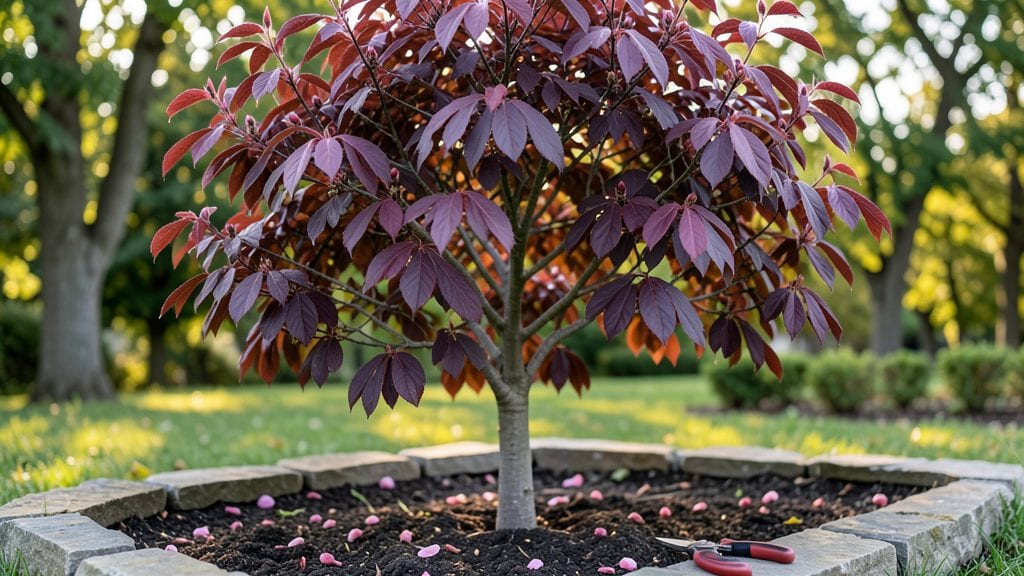
Decorative plum trees turn your Pacific Northwest garden into a four-season masterpiece with their bold pink blooms, glossy foliage, and even edible fruit. 🌸 I fell for them after seeing how they transform a dull winter landscape into something lively—something that makes neighbors stop and admire your yard.
These trees aren’t just pretty; they’re tough, surviving frosts that would kill other ornamentals, and their branches arch beautifully for year-round structure.
Their compact size makes them perfect for small yards, urban courtyards, or as a dramatic focal point near patios. Plant them where they’ll get morning sun and afternoon shade, and pair them with spring bulbs like daffodils or hellebores to extend their show.
The fruit, while not the star, adds a bonus pop of color in late summer—great for jellies or attracting birds. Plus, their fragrant blossoms fill the air with a sweet, almost almond-like scent that’s impossible to ignore.
Imagine your garden in spring: pink clouds of flowers against evergreen shrubs, then summer’s deep green leaves, and finally the autumn fruit glowing like tiny lanterns. These trees work solo as statement pieces or in groups for a romantic, cottage-garden feel.
They’re the kind of plant that makes gardening feel like an art—and your yard the canvas. Ready to see how they’d look in your space?
For urban gardeners, dwarf varieties fit perfectly in large containers, while standard sizes anchor larger landscapes. Just avoid planting them where they’ll block sunlight from other plants, and you’ll have a low-maintenance, high-impact centerpiece that keeps giving.
The best part? They’re happy in the PNW’s mild winters and don’t demand constant care—just a little pruning to shape them just so.
📚 In This Guide
- What you need
- Instructions
- Tips and common mistakes
- Wrapping up and next steps
What you need
- ● Decorative Plum Tree: 1 frost-resistant variety (e.g., Prunus cerasifera ‘New Dawn’ or Prunus ‘Okame’)
- ● Size: Bare-root (1-2 ft tall) or container-grown (3-5 gal pot)
- ● Planting Site Supplies: 1 gallon of well-draining potting mix (or native soil amended with compost)
- ● 1 tbsp slow-release fertilizer (10-10-10 or organic option)
- ● 1 cup mulch (cedar chips or pine bark)
- ● Tools: 1 trowel or spade (for digging)
- ● 1 pruners (sterilized, sharp)
- ● 1 watering can or hose (with gentle spray nozzle)
- ● 1 measuring tape (to mark planting depth)
- ● 1 tree stake (if planting in windy areas)
- ● 1 tree tie or soft fabric strip (to secure stakes)
- ● 1 drip irrigation kit (for consistent watering)
- ● 1 ornamental lighting (solar-powered for winter accents)
- ● 1 seasonal mulch (extra for winter insulation)
- ● 🌡️ Climate Check: Ensure your zone is USDA Hardiness Zones 5-8 (PNW-friendly!)
- ● ☀️ Sunlight Spot: Pick a location with 6+ hours of full sun daily
- ● 💧 Water Access: Nearby hose or irrigation source
- ● 🚫 Avoid: Low-lying areas (risk of frost pockets) or spots with poor drainage
Step-by-Step guide to planting and caring for decorative plum trees
Here's how to establish these stunning, frost-resistant trees for lasting Pacific Northwest charm.
🌱 Step 1: Select and Prepare the Planting Site
Choose a location with full sun exposure (6-8 hours daily) and well-draining soil. Decorative plum trees thrive in the Pacific Northwest's mild climate but need protection from harsh winds. I always test soil drainage by digging a 12-inch deep hole—if water pools after 30 minutes, amend with 3-4 inches of compost to improve aeration.
For best results, plant in early spring when soil temperatures reach 50°F. The tree's root system establishes quickly in cooler weather, giving it a strong start before summer heat. Avoid planting in late fall—young trees won't have time to root before winter dormancy.
🪴 Step 2: Dig and Plant the Tree
Dig a hole twice as wide as the root ball but no deeper—this prevents soil compaction around the roots. Gently remove the tree from its container and loosen any circling roots with your fingers. Place the tree in the hole so the top of the root ball sits 1-2 inches above ground level—this prevents waterlogging during heavy rains.
Backfill with native soil mixed with 2-3 inches of compost to enrich the planting area. Press the soil firmly around the base to eliminate air pockets, then water deeply to settle everything. The soil should be moist but not soggy—you'll see water drain evenly without pooling.
☀️ Step 3: Water and Mulch for Establishment
Water the tree twice weekly for the first 4-6 weeks to encourage root growth. After that, reduce to once weekly unless the weather is unusually hot or dry. You'll know it's time to water when the top 2-3 inches of soil feel dry—stick your finger in to check.
Spread 3-4 inches of mulch (wood chips or bark) around the base, keeping it 6 inches away from the trunk to prevent rot. Mulch conserves moisture and regulates soil temperature, which is especially helpful in the Pacific Northwest's wet winters. Replenish mulch annually to maintain coverage.
✂️ Step 4: Prune and Maintain Year-Round
Prune in late winter or early spring before new growth begins. Remove any dead, diseased, or crossing branches first, then thin the canopy to improve airflow. Decorative plum trees respond well to light pruning—never remove more than 25% of the foliage in one season.
Fertilize in early spring with a balanced 10-10-10 formula (follow package rates). These trees are generally low-maintenance, but a light feeding encourages vibrant blooms and lush foliage. Avoid heavy fertilizers—they can stress the tree and reduce cold hardiness.
⏰ Step 5: Protect During Extreme Weather
The Pacific Northwest's frost-resistant varieties still benefit from winter protection in harsh years. Wrap young trees in burlap during sudden freezes below 20°F, and remove it once temperatures rise above freezing. Mature trees rarely need protection but may appreciate a thick layer of mulch in exposed areas.
Watch for aphids or scale insects—common pests that thrive in the region's mild winters. Spray with neem oil if you spot sticky residue on leaves (a sign of sap-sucking insects). Healthy trees rarely suffer from pests, so focus on proper watering and pruning to keep them strong.
Tips & tricks for perfect decorative plum trees
Here's what I've learned through years of growing these stunning trees—simple secrets that make all the difference in the Pacific Northwest climate.
The Sunlight Secret: While 6-8 hours of direct sunlight is ideal, I've found that plum trees actually tolerate partial shade better than many other fruit trees. If you have a spot with only 4-5 hours of sun, don't worry—these frost-resistant varieties will still thrive, though they may produce slightly fewer blooms. The key is to avoid deep shade where the center never gets any sunlight.
Soil Test Hack: That 30-minute water test in Step 1 is crucial, but here's what nobody tells you—if your soil drains too quickly (water disappears in under 10 minutes), mix in some coconut coir along with the compost. This helps retain moisture while still preventing waterlogging. I've seen trees struggle in both too-dry and too-wet soil, so aim for that perfect middle ground.
Planting Position Pro Tip: When placing your tree in the hole, make sure the root flare (where roots meet trunk) is clearly visible above the soil line. This natural junction should sit about 1-2 inches above finished grade. I've seen many gardeners bury this flare, which can lead to girdling and poor growth. Take your time here—it's worth getting it right from the start.
Winter Prep Strategy: For that 20°F threshold in Step 5, I recommend having burlap wraps ready before winter hits. Wrap young trees snugly but not tightly, leaving room for air circulation. You can also use tree guards or even old blankets in a pinch. The goal is to protect the bark from freeze-thaw cycles that can crack it—this is especially important for newly planted trees in their first winter.
Pro Tips for Decorative Plum Trees
- Here's what I've learned through years of growing these stunning trees—simple secrets that make all the difference in the Pacific Northwest climate.
- The Sunlight Secret: While 6-8 hours of direct sunlight is ideal, I've found that plum trees actually tolerate partial shade better than many other fruit trees.
- Soil Test Hack: That 30-minute water test in Step 1 is crucial, but here's what nobody tells you—if your soil drains too quickly (water disappears in under 10 minutes), mix in some coconut coir along with the compost.
Frequently asked questions
What’s the best time to plant a decorative plum tree in the PNW?
Plant in early spring or fall (September–October or March–April) when soil is workable but not frozen. Avoid summer heat, which stresses young roots. Choose a day with cloudy skies or light rain to reduce transplant shock.
How cold-hardy are these trees, and do they need winter protection?
Most decorative plum varieties (like Prunus cerasifera) tolerate USDA Zones 5–9, handling temps down to -15°F. Still, young trees or grafted varieties benefit from a light mulch (3–4 inches of wood chips) and wrapping the trunk with burlap in harsh winters. Prune dead branches in late winter before new growth starts.
Can I grow a decorative plum tree in a container, or does it need ground planting?
Yes! Dwarf varieties (like ‘New Dawn’ or ‘Flame’) thrive in 15–20 gallon pots with well-draining soil and regular watering. Use a large container (at least 2 feet deep) to accommodate root growth. Move pots to a sunny patio in winter if temps drop below 20°F.
What pests or diseases should I watch for, and how do I treat them?
Common issues include:
- Plum curculio beetles: Handpick adults or use neem oil sprays in spring.
- Powdery mildew: Improve airflow, avoid overhead watering, and apply fungicide if needed.
- Canker disease: Prune infected branches 1 inch below the lesion and sterilize tools with rubbing alcohol.
How often should I prune my decorative plum tree, and when?
Prune once a year in late winter (before buds swell) to:
- Remove dead, crossing, or crowded branches.
- Shape the tree for open airflow (reduces disease risk).
- Avoid heavy pruning—limit to 10–15% of foliage per year.
Wrapping up and next steps
Decorative plum trees bring year-round charm to the Pacific Northwest with their stunning blooms, lush foliage, and frost-resistant beauty. Whether you’re a gardening novice or a seasoned green thumb, these trees offer low-maintenance elegance and adaptability to your landscape. Ready to transform your outdoor space?
🌱 Your Next Step: Plant & Enjoy!
Start by selecting the perfect variety for your climate, then gather your supplies and follow the planting tips. Before you know it, you’ll be savoring the fragrant blossoms and vibrant colors these trees provide—season after season. Happy planting! 🌸