
Pruning
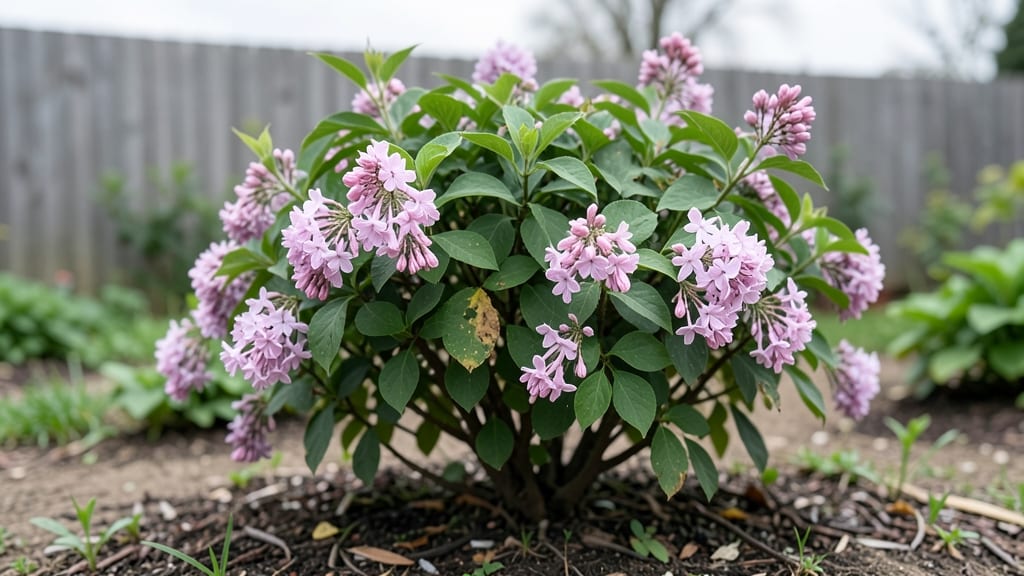
The Tinkerbelle lilac tree thrives in Pacific Northwest gardens where its compact form and fragrant blooms create a showstopping display without overwhelming small spaces.
I fell in love with this variety after my first spring—its delicate lavender clusters perfumed the air for weeks, and the tree stayed neatly contained at just 3-4 feet tall.
The real magic happens when you prune it right: a well-timed cut in late winter keeps it dense, healthy, and bursting with blooms every season.
This lilac loves full sun but handles partial shade better than most varieties, making it perfect for urban yards or mixed borders.
Plant it in well-draining soil with a slightly acidic to neutral pH, and water deeply once established—too much moisture leads to root rot, which I learned the hard way when my first Tinkerbelle struggled in soggy soil.
The dwarf habit means it fits in tight spots where standard lilacs would sprawl, and its disease resistance keeps maintenance low.
By pruning after flowering (not in fall, like other lilacs), you encourage next year’s blooms while keeping the shape tidy. I’ve seen neighbors with leggy, sparse lilacs—don’t let that be you.
With the right cuts, your Tinkerbelle will reward you with prolonged fragrance and a neat silhouette that brightens any garden corner. The key is patience: these trees take 2-3 years to reach full bloom potential, but the wait is worth it.
Works equally well in containers for patios or as a focal point in foundation plantings. Once established, it needs minimal care—just annual pruning and occasional mulch to protect roots in our rainy winters.
The Pacific Northwest’s cool summers actually help Tinkerbelle avoid the heat stress that plagues other lilacs, making it the low-maintenance star of any garden.
📚 In This Guide
- What you need
- Instructions
- Tips and common mistakes
- Wrapping up and next steps
What you need
- ● Pruning shears: Bypass pruners (sharp, clean, and sterilized with rubbing alcohol to prevent disease). Quantity: 1 pair.
- ● Loppers: For thicker branches (1–2 inches in diameter). Quantity: 1 pair.
- ● Garden gloves: Heavy-duty, cut-resistant (to protect from thorns and sap). Quantity: 1 pair.
- ○ Disposable pruning bags or bucket: For collecting clippings (optional but helpful for cleanup!). Quantity: 1–2.
- ● Rag or paper towels: For wiping tools between cuts (sanitation is key!). Quantity: 2–3.
- ○ Hand saw (optional): For stubborn, larger branches. Quantity: 1.
- ○ Pruning sealant (optional): For sealing cuts on larger branches (e.g., Tanglefoot Tree Wound Pruning Seal). Quantity: Small tube.
- ● Timing: Prune your Tinkerbelle lilac right after flowering (late spring/early summer) to avoid cutting off next year’s blooms. Pacific Northwest’s mild winters mean late pruning is safer than in colder climates!
- ● Weather: Choose a dry, overcast day to prevent sap bleeding and fungal risks.
- ● Safety gear: Safety glasses (if using a saw) and long sleeves/pants (lilac thorns are no joke!).
- ● Tree health check: Inspect for pests/diseases (e.g., borers, powdery mildew) before pruning. Treat if needed!
- ● ✨ Sterilize tools between cuts to avoid spreading Verticillium wilt, a lilac nemesis.
- ● 🌡️ Work in layers: Remove dead/diseased wood first, then shape, then thin out crowded branches.
- ● 🎯 PNW-specific hack: If your tree struggles with wet winters, prune to improve airflow and reduce fungal risks.
Step-by-step instructions for growing and pruning Tinkerbelle lilac trees
Here's how I've successfully cultivated these compact, fragrant lilacs in my Pacific Northwest garden—with pruning tips that keep them thriving through our chilly winters.
Choose the Right Planting Location
The Tinkerbelle lilac thrives in full sun—at least 6 hours daily—but tolerates light shade, which is perfect for Pacific Northwest gardens where afternoon sun can be intense. I always plant mine where they'll receive morning sunlight and afternoon shade from nearby trees or structures. This balance prevents leaf scorch while ensuring strong blooms.
Select a spot with well-draining soil, as these lilacs hate soggy roots. If your soil is heavy clay (common in PNW), amend it with 2-3 inches of compost mixed into the top 12 inches of soil. The Tinkerbelle's compact size—6-8 feet tall and wide—makes it ideal for small yards or foundation plantings. Space multiple plants 8-10 feet apart to allow for airflow and prevent disease.
Plant with Proper Depth and Mulch
Dig a hole twice as wide as the root ball but only as deep—planting too deep suffocates the roots. Gently remove the tree from its container and loosen any circling roots with your fingers. Place it in the hole so the top of the root ball sits 1 inch above ground level. This ensures the stem doesn't rot when winter rains come.
Backfill with native soil, pressing lightly to remove air pockets but avoiding compaction. Water deeply to settle the soil, then apply 2-3 inches of mulch (like shredded bark or wood chips) around the base, keeping it 3 inches away from the trunk. Mulch retains moisture and insulates roots during our cold, wet winters. Replenish mulch annually in early spring to maintain this protective layer.
Water Deeply and Establish a Routine
Water your Tinkerbelle lilac deeply once a week during the first growing season, providing 1-2 gallons per plant. You'll know it's enough when water drains 6-8 inches deep into the soil. Overwatering is a common mistake—these trees are drought-tolerant once established, so let the top 2 inches of soil dry out between waterings. Yellowing leaves usually signal overwatering, while wilting indicates thirst.
After the first year, reduce watering to every 2-3 weeks unless we have an extended dry spell. Pacific Northwest summers can be surprisingly dry, so monitor soil moisture by sticking your finger 1 inch deep—if it feels dry, water again. Avoid wetting the foliage when watering to prevent fungal diseases like powdery mildew, which can ruin blooms.
Prune for Frost Resistance and Better Blooms
Prune your Tinkerbelle lilac immediately after flowering (late spring to early summer) to encourage next year's blooms. Remove 1-2 old stems at the base each year to rejuvenate the plant and improve airflow. Cut just above a bud or outward-facing branch to maintain a natural shape. This selective pruning prevents the tree from becoming overcrowded, which is crucial for frost resistance.
Never prune in late summer or fall—new growth won’t harden off before winter, making it vulnerable to frost damage. If you notice dead or diseased branches at any time, remove them immediately with sterilized pruners (wipe blades with rubbing alcohol between cuts). The Tinkerbelle’s compact size makes pruning easy, but avoid heavy pruning—this lilac blooms on old wood, so aggressive cuts reduce flowers.
Protect from Late Frosts and Winter Care
Pacific Northwest gardens often face late spring frosts, which can damage tender lilac blooms. If frost is forecasted after buds form, cover the tree with a frost cloth or lightweight blanket secured with stakes. Remove the covering as soon as temperatures rise to avoid overheating. Water the tree deeply before the first hard frost to help roots withstand winter stress.
In winter, avoid disturbing the mulch or pruning—let the tree rest. The Tinkerbelle’s natural compact form requires minimal winter care, but if you notice brown, shriveled buds in early spring, trim them off to encourage new growth. Fertilize lightly in early spring with a balanced 10-10-10 fertilizer (1 tablespoon per year of plant age) to support blooming without excessive foliage growth.
Tips & tricks for growing Tinkerbelle lilac trees
Here's what I've learned after years of growing these resilient lilacs in our damp Pacific Northwest climate—tricks that'll help you avoid common pitfalls and get the most fragrant blooms possible.
Sunlight Strategy: The Tinkerbelle's love for 6 hours of full sun is non-negotiable for those vibrant blooms, but I've found the morning sun/afternoon shade combo works best in our climate. If your yard only gets 4-5 hours of direct sun, position the tree where it gets the most intense sunlight during the coolest part of the day. This prevents leaf scorch while still giving it enough energy for strong growth. I've seen trees in full afternoon shade produce half as many flowers compared to morning sun placement.
Soil Prep Secret: Don't just add compost—mix that 2-3 inches into the top 12 inches of soil before planting. This creates a proper root zone that drains well but holds moisture. I've had too many soggy spots ruin lilacs before learning this. For heavy clay soil, consider adding a handful of perlite to the mix for even better drainage. The goal is to mimic the well-draining conditions these trees love in their native habitats.
Watering Wisdom: That 1-2 gallons per week during the first year might seem like a lot, but it's crucial for establishing roots. I've seen too many new plantings fail because people watered lightly but frequently. The key is deep watering that reaches 6-8 inches down—this encourages roots to grow downward where they'll find more stable moisture. After the first year, you can reduce to every 2-3 weeks, but always check that 1-inch deep soil before watering.
Pruning Precision: When removing those 1-2 old stems after flowering, look for stems that are thicker than a pencil and have already bloomed. These are the ones to cut back to the base. I've made the mistake of pruning too many stems at once, which reduced next year's flowers dramatically. Always cut just above a bud or outward-facing branch—this maintains the tree's natural shape while encouraging new growth in the right direction. The Tinkerbelle's compact form makes this easier than with larger lilacs.
Pro Tips for Tinkerbelle Lilac Tree
- Here's what I've learned after years of growing these resilient lilacs in our damp Pacific Northwest climate—tricks that'll help you avoid common pitfalls and get the most fragrant blooms possible.
- Sunlight Strategy: The Tinkerbelle's love for 6 hours of full sun is non-negotiable for those vibrant blooms, but I've found the morning sun/afternoon shade combo works best in our climate.
- Soil Prep Secret: Don't just add compost—mix that 2-3 inches into the top 12 inches of soil before planting.
Frequently asked questions
When is the best time to prune my Tinkerbelle Lilac Tree?
The ideal time to prune is late winter or early spring (February–March), before new buds form. This timing ensures you don’t cut off next year’s blooms while avoiding frost damage. For light shaping, you can also prune right after flowering in May or June—just avoid heavy cuts then!
How cold-hardy is the Tinkerbelle Lilac Tree?
This variety is USDA Zone 3–7 hardy, making it perfect for the PNW’s chilly winters! While it tolerates frost, young trees may need winter mulch (2–3 inches of wood chips) to protect roots. If your area dips below -20°F, consider a windbreak or microclimate protection for extra safety.
Can I prune too much? What if I accidentally cut back too far?
Yes—over-pruning (removing more than 1/3 of the canopy) can stress the tree and reduce flowering. If you’ve already trimmed too aggressively, don’t panic! Focus on light maintenance pruning next year and fertilize with balanced 10-10-10 to encourage recovery. Lilacs are resilient but prefer gradual shaping.
Why isn’t my Tinkerbelle Lilac blooming as much as it should?
Common culprits include over-pruning (cutting old wood), poor sunlight (needs 6+ hours of sun), or nutrient deficiencies. Check for dead or crossing branches to remove, and feed with phosphorus-rich fertilizer (like 5-10-5) in early spring. If the tree is young, patience is key—it may take 2–3 years to establish.
Are there dwarf alternatives to Tinkerbelle Lilac?
If space is limited, consider these compact lilac varieties:
- ‘Miss Kim’ Lilac (6–8 ft tall, fragrant, Zone 3–7)
- ‘Dwarf Korean Lilac’ (Syringa meyeri) (3–5 ft, early blooms, Zone 4–8)
- ‘Bloomerang’ Lilac (reblooms twice yearly, 6–8 ft)
Wrapping up and next steps
Growing a Tinkerbelle lilac tree in your Pacific Northwest garden is a rewarding way to add fragrant beauty and resilience to your landscape.
With its frost-proof charm and stunning blooms, this variety thrives with the right care—especially when it comes to pruning for health and vibrancy. 🌸 Now that you’re armed with the knowledge on tools, timing, and techniques, there’s no better time to roll up your sleeves and give your lilac the TLC it deserves.
Ready to transform your garden? Start by scheduling your first prune this fall—just after blooming—and watch your Tinkerbelle lilac flourish for years to come! For extra inspiration, sketch a quick plan of where you’ll plant it or share your progress with fellow gardeners. Happy pruning! 🌿✨