
Blooming
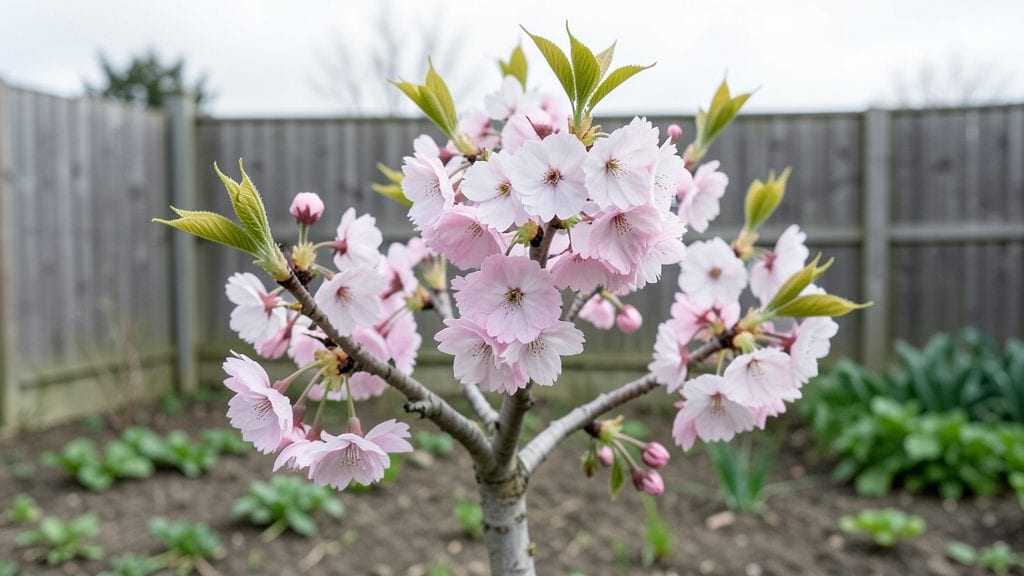
Planting an okame cherry blossom tree means welcoming the Pacific Northwest's most frost-proof floral show—those delicate pink blooms appear weeks before other cherries, and hummingbirds flock to them like magnets. 🌸 I’ve watched mine brave snow and still burst into color, proving this isn’t just another pretty tree, but a hardy survivor that thrives where others fail.
The secret starts with the right spot: full sun (at least 6 hours daily) and well-draining soil—sandy loam works best, but it tolerates clay if amended with compost.
Unlike its fussy cousins, this tree handles Zone 5-9, making it perfect for coastal gardens, city lots, or rural yards where late frosts delay spring. Plant in early fall or late winter for the strongest root establishment before blooming season.
Once established, care is surprisingly low-maintenance: water deeply once a week (more in summer droughts), prune only to shape in late winter, and fertilize lightly in early spring with balanced 10-10-10.
The real magic? Its disease resistance—no powdery mildew, no canker worries—just decades of reliable blooms with minimal fuss. Even my black thumb keeps this one alive.
Watch for aphids on new shoots (blast with water) and cracked bark from winter swings (apply tree wrap). The payoff? A canopy of pink clouds by March, hummingbirds hovering at dawn, and a tree that outlasts trendy ornamentals by years. Ready to plant yours?
📚 In This Guide
- What you need
- Instructions
- Tips and common mistakes
- Wrapping up and next steps
What you need
- ● Okame cherry blossom tree (Prunus incisa 'Okame') – Choose a hardy, disease-resistant cultivar (e.g., 'Okame' or 'Shirotae'). Pro tip: Buy from a nursery specializing in PNW-native plants for the best adaptation.
- ● Planting site – A sunny to partially shaded spot with well-draining soil (avoid soggy areas). 6+ hours of sunlight per day is ideal.
- ● High-quality potting mix or native soil blend – 5+ gallons (or enough to fill the planting hole). Mix in compost (1 part compost to 3 parts soil) for nutrients.
- ● Organic mulch (cedar chips or bark) – 2–3 inches to retain moisture and protect roots.
- ● Garden gloves – A pair of durable, breathable gloves (e.g., Wet & Forget or Fox River Garden).
- ● Shovel or trowel – A round-point shovel for digging and a hand trowel for precision.
- ● Watering can or hose with a gentle spray nozzle – 5+ gallons of water for initial planting.
- ● Pruning shears – Bypass pruners (e.g., Fiskars) for shaping and maintenance.
- ● Slow-release fertilizer – 10-10-10 or 5-10-10 (follow package instructions for PNW climates).
- ● Epsom salt – 1 tablespoon per gallon of water (monthly in spring for magnesium boost).
- ● Hummingbird feeder – A red, nectar-filled feeder (place within 10–15 feet of the tree).
- ● Tree stakes & ties – If planting in windy areas (e.g., Tree Stake Kit).
- ● Soil pH tester – Ensure your soil is slightly acidic (6.0–7.0) (Okame thrives here!).
- ● Drip irrigation system – For low-maintenance watering (especially in dry PNW summers).
Step-by-Step instructions for planting and caring for Okame cherry blossom trees
Here's how to establish your frost-proof hummingbird magnet with minimal fuss.
🌱 Step 1: Choose the Perfect Planting Site
Okame cherries thrive in full sun—select a location with at least 6 hours of direct sunlight daily. In the Pacific Northwest, where morning fog lingers, prioritize southern or western exposures that dry quickly. I always test the site by observing how sunlight moves across the area at different times of day.
Well-draining soil is critical—these trees despise soggy roots. If your soil feels compacted or holds water after 24 hours, amend with 3-4 inches of organic matter like compost or aged bark. Dig a hole twice as wide as the root ball but no deeper, since Okames prefer to sit slightly above ground level for better drainage.
🪴 Step 2: Plant at the Right Time and Depth
Fall planting is ideal in the PNW—between October and November—giving roots time to establish before winter rains. Spring planting works too, but avoid extreme heat or frost periods. Remove the tree from its container and gently loosen any circling roots with your fingers.
Position the tree so the top of the root ball sits 1-2 inches above ground level. Backfill with native soil mixed with a handful of slow-release fertilizer, tamping lightly as you go. Create a watering basin around the base by mounding soil outward—this directs water straight to the roots where it's needed most.
☀️ Step 3: Water Deeply and Mulch Properly
Water immediately after planting, giving the tree 1-2 gallons of water to settle the soil and eliminate air pockets. Check soil moisture weekly by sticking your finger 2 inches deep—if it feels dry, water deeply again. Okames are drought-tolerant once established, but young trees need consistent moisture to root properly.
Apply 2-3 inches of mulch around the base, keeping it 6 inches away from the trunk to prevent rot. Use bark chips or wood shavings—they break down slowly and improve soil structure over time. Replenish mulch annually in early spring to maintain moisture and suppress weeds.
✂️ Step 4: Prune for Health and Bloom
Prune in late winter or early spring before new growth begins. Remove any dead, diseased, or crossing branches first—these compete with the tree's energy. Thin out crowded branches to improve airflow, which reduces fungal risks in the damp PNW climate. I always make cuts just outside the branch collar to encourage fast healing.
To encourage abundant blooms, prune lightly each year, removing no more than 25% of the canopy. Avoid heavy pruning—Okames flower on old wood, so aggressive cuts reduce next year's spectacular pink blossoms. After pruning, apply a balanced fertilizer to support new growth.
🌿 Step 5: Protect and Maintain for Long-Term Beauty
Okame cherries are remarkably low-maintenance once established, but watch for aphids in spring—they love new growth. A strong spray of water usually clears them, but severe infestations may need neem oil. These trees are also deer-resistant, making them ideal for rural PNW properties.
In late winter, apply a 2-inch layer of compost around the drip line to replenish nutrients. Monitor for signs of stress—yellowing leaves often indicate overwatering, while dry, crisp edges signal underwatering. With proper care, your Okame cherry will reward you with 5-7 weeks of stunning blooms and hummingbird visitors year after year.
Tips & tricks for perfect Okame cherry blossom planting
These simple yet powerful tips will help your frost-resistant Okame cherry thrive in the Pacific Northwest's unique climate.
Sunlight Secret: In Step 1, when evaluating sunlight, don't just count hours—observe the quality. Morning fog in the PNW can block sunlight even when the sky appears clear. Test your site by placing a white board where you plan to plant and checking how much direct sunlight it receives between 10am-4pm. This helps you identify microclimates where your Okame cherry might get more consistent sun than the general area.
Soil Test Strategy: Before amending your soil in Step 1, conduct a simple moisture test. Dig a small hole and fill it with water. If the water drains within 10 minutes, your soil is likely well-draining. If it stays wet after 24 hours (as mentioned in instructions), you definitely need that 3-4 inches of organic matter. For extra insurance, mix in some perlite or coarse sand to improve drainage further.
Planting Timing: While fall planting between October-November is ideal, don't stress if you miss this window. Spring planting works too, but be strategic: aim for early spring (March-April) when soil temperatures reach 50°F. This gives roots time to establish before summer heat arrives. If you plant in late spring, give the tree extra water during its first summer to help it establish.
Watering Wisdom: In Step 3, when checking soil moisture 2 inches deep, pay attention to the texture. Sandy soil will dry out faster than clay soil, so adjust your watering schedule accordingly. For the first year, I recommend watering deeply every 5-7 days rather than daily shallow waterings. This encourages deep root growth that makes your Okame cherry more drought-resistant as it matures.
Pro Tips for Okame Cherry Blossom Tree
- These simple yet powerful tips will help your frost-resistant Okame cherry thrive in the Pacific Northwest's unique climate.
- Sunlight Secret: In Step 1, when evaluating sunlight, don't just count hours—observe the quality.
- Soil Test Strategy: Before amending your soil in Step 1, conduct a simple moisture test.
Frequently asked questions
Got questions about the okame cherry blossom tree? You’re not alone! This stunning, frost-resistant beauty is a favorite in the Pacific Northwest, but it’s natural to wonder about care, timing, and more. Below, we’ve rounded up the most common questions—and answers—to help you grow a thriving hummingbird magnet.
How cold can okame cherry blossoms handle?
The okame cherry (Prunus × yedoensis ‘Akebono’) is one of the most frost-hardy cherry trees, surviving temperatures as low as -15°F (-26°C) once established. Young trees may need winter protection (like burlap wraps) in their first few years, but mature specimens are highly resilient. Perfect for Zone 5 and up!
When do okame cherry blossoms bloom, and how long do they last?
Okame cherries are early bloomers, often bursting into pink or white flowers 2–3 weeks before traditional cherry blossoms (like Yoshino). In the PNW, expect blooms in late February to early March, lasting 7–10 days under ideal conditions. For extended displays, plant multiple trees—hummingbirds will thank you!
Can I grow an okame cherry tree in a container?
Yes! Okame cherries adapt well to large containers (20+ gallons), making them great for patios or urban spaces. Use a well-draining soil mix and ensure the pot has drainage holes. However, container-grown trees may bloom slightly later and need annual repotting to accommodate root growth. Winterize pots with insulation if temps dip below 20°F (-7°C).
Why aren’t hummingbirds visiting my okame cherry tree?
Hummingbirds love okame cherries, but a few factors might deter them:
- Timing: Blooms must align with migration (early spring). If flowers fade too fast, try a second variety like ‘Shirofugen’ for a longer nectar supply.
- Pesticides: Avoid chemicals—hummingbirds are sensitive to them. Opt for organic solutions like neem oil.
- Location: Plant near sheltered, sunny spots with easy access to water (a hummingbird feeder nearby helps!).
What’s the difference between okame and Yoshino cherry blossoms?
While both are stunning, okame cherries stand out for their earlier blooms, smaller flowers, and frost tolerance. Yoshino cherries (Prunus × yedoensis) typically bloom 1–2 weeks later, have larger, more abundant flowers, and are less cold-hardy (Zone 6+). Okame’s darker pink buds and slightly smaller leaves also set them apart. Choose okame for reliable early color and hummingbird action!
Wrapping up and next steps
The Okame cherry blossom tree isn’t just a stunning addition to your Pacific Northwest garden—it’s a resilient, hummingbird-loving powerhouse that thrives where others falter. With its early blooms, frost resistance, and minimal fuss, it’s the perfect choice for gardeners who want beauty and practicality.
Whether you’re a seasoned green thumb or a curious beginner, this tree offers a low-maintenance way to welcome spring with vibrant color and buzzing life.
🌸 Ready to transform your outdoor space? Start by researching local nurseries or checking online plant databases for Okame cherry blossom trees. Once you’ve found your perfect specimen, roll up your sleeves—your garden (and hummingbirds!) will thank you. Happy planting! 🌱