
Pruning
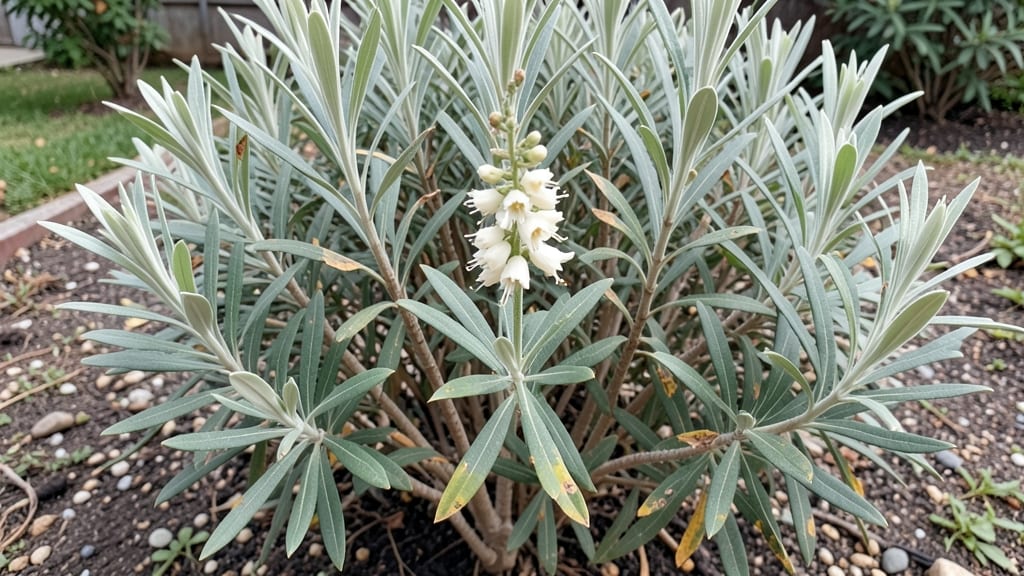
Pruning your tea tree shrub (Melaleuca alternifolia) is the secret to keeping it lush and frost-tolerant in the Pacific Northwest. 🌿 I’ve spent years watching mine thrive through damp winters—here’s how to shape it without sacrificing its hardy nature.
The key lies in timing and technique, not aggressive cuts, which can stress the plant.
Start by pruning in late winter or early spring, just as new growth begins. Use clean, sharp shears to trim back overgrown branches by about a third, focusing on shaping rather than thinning.
Tea trees respond well to light pruning, so avoid heavy cuts—this shrub grows back slowly but reliably. For frost resistance, prioritize airflow by removing dense inner growth.
You’ll end up with a compact, bushy shrub that smells like a spa and repels pests naturally. The aromatic leaves stay fragrant year-round, and the structure holds up better against winter winds. Plus, you’ll encourage more of those medicinal oils that make tea trees so special—just don’t overdo it.
This method works for both young plants and mature shrubs, whether you’re growing one in a container or letting it sprawl in the garden. The Pacific Northwest’s chill won’t phase it if you keep it pruned right. Ready to give it a try?
📚 In This Guide
- What you need
- Instructions
- Tips and common mistakes
- Wrapping up and next steps
What you need
- ● Pruning shears: Bypass pruners (sharp, clean, and sterilized with rubbing alcohol—1 pair). Avoid anvil shears to prevent crushing stems.
- ● Loppers: For thicker branches (½"–1½" diameter)—1 pair with a ratcheting mechanism for ease.
- ● Pruning saw: For stubborn, woody growth (2"+ diameter)—1 handheld saw with a fine-tooth blade.
- ● Gloves: Heavy-duty, cut-resistant gloves (1 pair) to protect from thorns and sap.
- ● Disinfectant: 70% isopropyl alcohol or bleach solution (1 part bleach to 9 parts water) for sterilizing tools between cuts.
- ○ Pruning sealant: Optional but helpful for large cuts (small bottle) to prevent disease entry.
- ● Trash bags: Heavy-duty (2–3 bags) for debris disposal.
- ● Ladder: Sturdy, extendable (8–12 ft) if your tea tree is tall—1 unit.
- ● Timing: Prune after the last frost (late spring/early summer for PNW) to avoid frost damage. Avoid pruning in winter—tea trees are semi-evergreen!
- ● Weather: Choose a dry, overcast day to minimize stress on the plant.
- ● Safety gear: Safety glasses (1 pair) and long sleeves/pants to protect from sap and sharp tools.
- ● Water: Small water bottle to rinse tools if needed.
- ○ Optional: Handheld leaf blower (for cleanup)
- ● Garden kneeler (for comfort)
- ● Notebook/pencil (to track pruning notes)
Step-by-step instructions for pruning tea tree shrubs in the Pacific Northwest
Here's how I keep my tea trees thriving through PNW winters—with pruning that protects against frost while encouraging lush growth.
✂️ Step 1: Time Your Pruning for Frost Resistance
Prune tea trees late winter to early spring, just as new growth begins but before buds swell. This timing lets the plant harden off before summer heat and prepares it to withstand 20-30°F frosts common in the PNW. I avoid pruning in fall—new growth won't have time to mature before winter, making it vulnerable to frost damage.
Watch for first signs of bud swell (tiny green bumps along stems) as your cue. If you prune too early, you risk encouraging tender growth that won't survive winter. If you wait too late, you'll cut back growth that could've provided winter protection for the plant's center.
🌿 Step 2: Remove Dead or Damaged Wood First
Start by cutting out any dead, diseased, or frost-damaged branches using clean, sharp pruners. Tea trees are tough, but dead wood can harbor pests or fungal spores that spread to healthy growth. I make my cuts at a 45-degree angle, about ¼ inch above a healthy bud or branch junction.
Look for branches with brown, mushy centers or those that snap easily—these are clear candidates for removal. Don't worry about leaving small stubs; tea trees heal quickly. Just avoid cutting into the main trunk or large limbs, as these are critical for winter hardiness.
✂️ Step 3: Shape for Airflow and Sunlight
Thin out the canopy by removing 10-20% of the oldest branches to improve airflow and sunlight penetration. Tea trees grow dense, and crowded branches trap moisture, creating ideal conditions for fungal diseases. Focus on branches growing inward or crossing others—these compete for resources and weaken the plant.
Step back frequently to visualize the plant's shape. I aim for an open vase shape that allows sunlight to reach the center. This isn't about creating a perfect silhouette but ensuring every part of the shrub gets adequate light to harden off properly for winter. Avoid heavy pruning of new growth—this can stress the plant before it's ready for winter.
🌱 Step 4: Lighten the Center for Frost Protection
Tea trees can suffer frost damage in the center where cold air pools. To prevent this, remove 2-3 of the oldest, thickest branches from the plant's core. This opens up the center, allowing cold air to move through rather than settling and freezing the plant's heart.
I target branches that are thicker than a pencil and have multiple smaller branches growing from them. Cut these back to a strong outward-facing bud to encourage new growth that will fill in the center more evenly. This step is critical for PNW winters—it's the difference between a tea tree that survives and one that struggles.
☀️ Step 5: Finish with a Post-Pruning Care Routine
After pruning, apply a balanced, slow-release fertilizer (like 10-10-10) around the base of the plant to support new growth. Water deeply to help the plant recover, but avoid overwatering—tea trees hate soggy roots. I mulch with 2-3 inches of wood chips to insulate the roots and retain moisture.
Monitor the plant for new growth within 3-4 weeks. If you see vigorous, dark green shoots emerging, your pruning was successful. If growth is sparse or yellowing, the plant may need more nutrients or protection from late frosts. In the PNW, a light frost cloth can provide extra protection for newly pruned tea trees until they've hardened off.
Tips & tricks for perfect tea tree shrub pruning
A few simple strategies can make all the difference in keeping your tea trees healthy and frost-resistant through PNW winters.
Timing is Everything: The late winter to early spring window is critical because it allows your tea tree to harden off before summer heat arrives. I've learned the hard way that pruning too early can encourage tender growth that won't survive our 20-30°F frosts. Look for those tiny green bumps along the stems—they're your cue that new growth is beginning. In the PNW, this typically happens in February or March, but always check your local frost dates to be safe.
Tool Prep Matters: Before you start cutting, make sure your pruners are clean and sharp. I sterilize mine with rubbing alcohol between cuts to prevent spreading disease. Dull blades can crush stems instead of making clean cuts, which stresses the plant. For larger branches, I use loppers—just make sure they're the right size for the job. The cleaner your cuts, the faster your tea tree will heal and recover.
Visualize the Final Shape: Step back frequently during Step 3 to visualize your tea tree's shape. I aim for an open vase form that lets sunlight reach the center. This isn't about creating a perfect topiary—it's about ensuring every part of the shrub gets adequate light to harden off properly. If you're unsure, imagine how cold air would flow through the plant. You want to create natural pathways for air movement that prevent frost pockets in the center.
Post-Pruning Care is Critical: After you've finished pruning, don't just walk away! The care routine in Step 5 makes all the difference. I always apply that balanced fertilizer within a week of pruning to give the plant a nutrient boost as it recovers. And remember, those 2-3 inches of wood chips aren't just for looks—they insulate roots and retain moisture, which is especially important during our dry PNW summers. Monitor for new growth within 3-4 weeks—that's your sign everything's on track.
Pro Tips for Tea Tree Shrub
- A few simple strategies can make all the difference in keeping your tea trees healthy and frost-resistant through PNW winters.
- Timing is Everything: The late winter to early spring window is critical because it allows your tea tree to harden off before summer heat arrives.
- Tool Prep Matters: Before you start cutting, make sure your pruners are clean and sharp.
Frequently asked questions
Got questions about pruning your tea tree shrub in the Pacific Northwest? You’re not alone!
Here are answers to the most common concerns—from timing to troubleshooting—so you can keep your frost-resistant beauty thriving.
When is the best time to prune a tea tree shrub in the PNW?
Prune your tea tree in late winter or early spring (February–March) before new growth starts. This timing avoids frost damage and promotes healthy blooms. Avoid heavy pruning in fall, as it can stress the plant before winter.
Can tea tree shrubs handle PNW frosts, or do I need to protect them?
Most tea tree varieties (like Leptospermum scoparium) are frost-tolerant down to 15–20°F. However, young plants or severe cold snaps may need burlap wraps or mulch. Prune lightly after frost to remove damaged branches.
How much can I prune without harming the shrub?
Never remove more than 1/3 of the foliage in a single session. Tea trees recover well, but aggressive pruning can stress the plant. For shaping, focus on thinning out dense areas rather than shearing.
What if my tea tree isn’t growing after pruning?
Check for root rot, pests, or overwatering—common culprits. Ensure it’s in well-draining soil and water deeply but infrequently. If growth stalls, fertilize lightly in spring with acidic, slow-release fertilizer.
Are there frost-resistant alternatives to tea tree shrubs?
Yes! Consider Oregon grape (Mahonia), salal (Gaultheria shallon), or evergreen huckleberry (Solanum scabrum). These PNW natives thrive in cold climates and require minimal pruning.
Wrapping up and next steps
The tea tree shrub is a resilient, frost-resistant gem perfect for the Pacific Northwest’s climate—when pruned with care!
By mastering the right timing, tools, and techniques, you’ll encourage lush growth, vibrant blooms, and long-term health. Your next step? Grab those pruners, roll up your sleeves, and give your tea tree the TLC it deserves—your garden will thank you!
🌿 Pro Tip: Keep an eye on your shrub post-pruning—consistent watering and occasional fertilizing will set it up for success!