Pruning
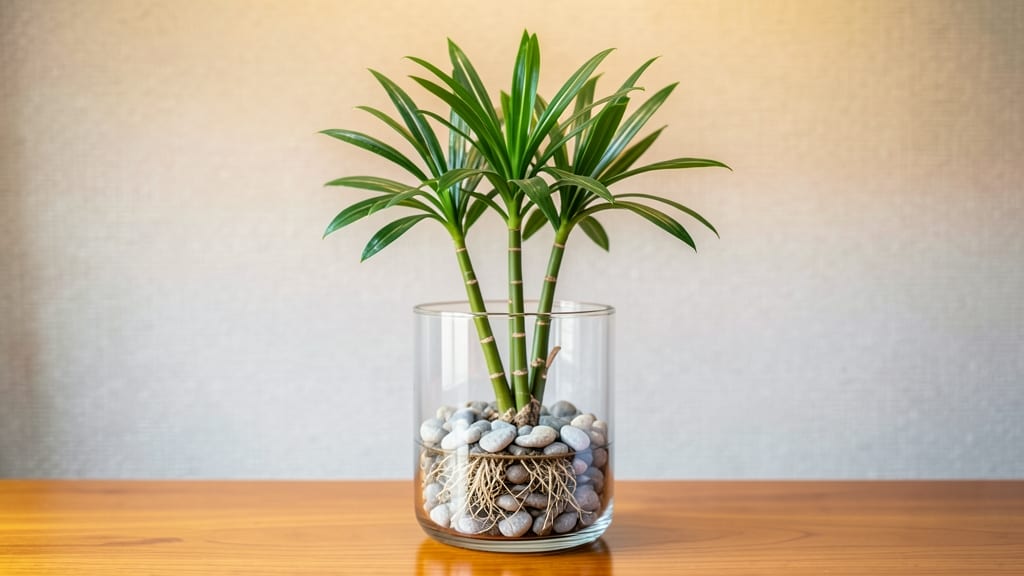
Pruning the Japanese bamboo tree isn’t just about keeping it tidy—it’s the secret to controlling its spread while encouraging vibrant green canes that grow stronger every year.
I’ve battled runaway bamboo in my yard, and these techniques finally gave me the balance I wanted: lush vertical growth without the horizontal takeover. The best part? You can prune year-round, adapting to seasonal growth patterns instead of waiting for one ideal time.
You’ll need sharp pruners, gloves, and a clear day to work—no special tools beyond what you already have. The key is timing: remove old canes in late winter before new shoots emerge, and trim back overgrowth in summer to redirect energy.
For aggressive spreaders like Phyllostachys aureosulcata, I’ve found that cutting rhizomes at the soil line in early spring stops expansion dead in its tracks. Most gardeners overlook this step, but it’s what makes the difference between a manageable plant and a jungle.
What you’ll end up with is a bamboo grove that stays contained, with fresh shoots emerging every spring and canes that grow taller and straighter each season. The foliage stays dense, the color remains rich, and you’ll actually enjoy looking at it instead of dreading its spread.
Plus, the pruned material makes great mulch or compost—no waste, just benefits. Ready to transform that wild patch into something beautiful and manageable?
Works for all Phyllostachys species, from dwarf varieties to towering giants, and adapts to different climates. Whether you’re in the humid South or the dry West, the principles stay the same—just adjust watering and mulching to your local conditions. Let’s get those canes under control!
📚 In This Guide
- What you need
- Instructions
- Tips and common mistakes
- Wrapping up and next steps
What you need
- ● Pruning shears: Bypass pruners (sharp, clean blades) for small branches (1/4"–3/8" cutting capacity).
- ● Loppers: For thicker stems (up to 1.5" diameter).
- ● Pruning saw: Heavy-duty bow or folding saw for thick bamboo culms (2"+ diameter).
- ● Gloves: Heavy-duty work gloves (cut-resistant for safety).
- ● Disinfectant: 70% isopropyl alcohol or copper-based fungicide (to sterilize tools).
- ● Rake or broom: For clearing debris post-pruning.
- ● Pruning sealant: Tree wound dressing (for large cuts to prevent disease).
- ● Measuring tape: To track culm height/growth (helpful for clumping vs. running bamboo).
- ● Ladder or step stool: For tall bamboo (ensure stability!).
- ● Compost bin: To repurpose pruned culms as mulch.
- ● Safety goggles: Protect eyes from debris (especially when sawing).
Year-round Japanese bamboo tree pruning: shape and growth guide
Japanese bamboo thrives with regular pruning—here's how to keep it healthy and well-shaped throughout all seasons.
Prune New Growth in Early Spring
Start your pruning routine in late winter or early spring, just as new shoots begin to emerge. This is the best time to shape your bamboo while it's still dormant but ready to grow. Look for any dead or damaged canes—these will be brittle and brown, often breaking easily when bent. Remove these first, cutting them at the base with clean, sharp pruners.
Next, focus on the overall shape. Japanese bamboo responds well to selective pruning, so avoid cutting more than one-third of the total growth at once. This ensures the plant maintains its vigor. Use your pruners to trim back any canes that are growing in unwanted directions, cutting just above a node (the joint where leaves or branches grow). This encourages new growth in the right direction.
Maintain Shape Through Summer
During the summer months, your bamboo will grow rapidly, and regular maintenance is key. Every 4-6 weeks, inspect the plant for canes that are crowding or growing too close together. These can compete for nutrients and weaken the plant. Use your pruners to trim back any canes that are touching or overlapping, cutting them at the base. This not only improves airflow but also reduces the risk of disease.
Watch for any canes that are growing too tall or leggy. These can be pruned back by one-third of their height to encourage bushier growth. Always make clean cuts at a 45-degree angle just above a node. Avoid leaving stubs, as these can rot and invite pests. If you notice any yellowing or wilting leaves, this could be a sign of overwatering or poor drainage—adjust your care routine accordingly.
Light Pruning in Fall
As fall approaches, your bamboo’s growth will naturally slow down. This is the time for light pruning to tidy up the plant and prepare it for winter. Remove any dead, diseased, or weak canes first, as these can harbor pests or diseases that may overwinter. Next, trim back any canes that are growing in directions you don’t want, cutting them at the base.
Focus on thinning out the center of the plant to allow light and air to reach the inner canes. This prevents the bamboo from becoming too dense, which can lead to weak growth. Avoid heavy pruning at this stage—your goal is to clean up rather than reshape. If your bamboo is in a colder climate, consider wrapping the base with burlap or mulching heavily to protect it from frost.
Winter Dormancy Care
Winter is the time for minimal intervention, but a few checks will keep your bamboo healthy. Remove any dead or broken canes that may have been damaged by frost or heavy snow. If you notice any signs of winter dieback, such as blackened or shriveled canes, prune these back to healthy growth. Avoid pruning healthy canes unless absolutely necessary, as this can stress the plant during dormancy.
This is also a great time to assess your bamboo’s overall health. Look for signs of pests, such as holes or sawdust-like frass, which could indicate borers. If you spot any issues, address them promptly with appropriate treatments. Keep an eye on the soil moisture—while bamboo is drought-tolerant, it still needs consistent watering during dry spells, even in winter. Mulch around the base to retain moisture and insulate the roots.
Tips & tricks for perfect Japanese bamboo tree pruning
Keeping your Japanese bamboo looking its best takes a little strategy—here’s how to avoid common mistakes and get professional results every season.
Timing Matters: In Step 1, when pruning new growth in early spring, focus on removing only the dead or damaged canes first. These are easy to spot—they’ll be brown and brittle. Once you’ve cleared those out, you can safely trim back up to one-third of the total growth. This careful approach prevents over-stressing the plant, which could weaken its overall health. I’ve learned this the hard way after accidentally pruning too much in one session and watching my bamboo struggle to recover.
Seasonal Adjustments: During summer maintenance (every 4-6 weeks), pay special attention to the angle of your cuts. A 45-degree angle just above a node encourages new growth in the right direction. If you’re unsure where the nodes are, look for the little bumps along the cane where leaves or branches grow. Also, avoid leaving stubs—these can trap moisture and lead to rot. In Step 3 during fall, remember that thinning the center of the plant is more important than reshaping at this stage. This ensures light and air can reach all parts of the bamboo.
Tool Preparation: Before you start pruning, make sure your tools are sharp and clean. Dull pruners can crush the canes instead of making clean cuts, which stresses the plant. After each use, wipe them down with rubbing alcohol to prevent the spread of disease. I keep a small bottle of alcohol in my gardening toolkit for this exact purpose—it’s a small habit that makes a big difference in keeping your bamboo healthy.
Winter Care Insight: In Step 4, when assessing your bamboo’s health during winter, don’t overlook the soil moisture. Even though bamboo is drought-tolerant, it still needs consistent watering during dry spells. Mulching around the base with straw or wood chips helps retain moisture and insulate the roots. This is especially important in colder climates where frost can damage the plant. I’ve seen bamboo recover from winter dieback when given this extra care, so it’s worth the effort.
Pro Tips for Japanese Bamboo Tree
- Keeping your Japanese bamboo looking its best takes a little strategy—here’s how to avoid common mistakes and get professional results every season.
- Timing Matters: In Step 1, when pruning new growth in early spring, focus on removing only the dead or damaged canes first.
- Seasonal Adjustments: During summer maintenance (every 4-6 weeks), pay special attention to the angle of your cuts.
Frequently asked questions
about Japanese bamboo tree pruning—because even the most patient gardener needs a little clarity!When is the best time to prune Japanese bamboo?
Prune Japanese bamboo in late winter or early spring (before new shoots appear) for best results. Avoid heavy pruning in summer or fall, as this can stress the plant. Light trimming to shape can happen year-round, but major cuts should wait for dormancy season.
How do I tell if I’m pruning too much?
If you see yellowing leaves, stunted growth, or fewer new shoots after pruning, you’ve likely cut too aggressively. Japanese bamboo is resilient, but never remove more than 1/3 of the foliage in a single session. Focus on thinning dense areas rather than shearing uniformly.
Can I prune Japanese bamboo in winter?
Yes, but only lightly—avoid heavy cuts when the plant is dormant (Dec–Feb in most climates). Winter pruning is best for removing dead or damaged canes. Wait until late winter (Feb–March) for major shaping to encourage vigorous spring growth.
What’s the difference between pruning and thinning Japanese bamboo?
Pruning
= Shaping (cutting back overgrowth, removing dead canes). Thinning = Strategic removal (eliminating crowded culms to improve airflow). For Japanese bamboo, thinning is key—aim to reduce density by 20–30% annually to prevent disease and overcrowding.
My bamboo keeps growing back after pruning—what’s going on?
Japanese bamboo (especially running types like Phyllostachys) regrows from rhizomes (underground stems). To control regrowth, dig up and remove rhizomes beyond your desired boundary. For clumping bamboo, prune at the base in early spring to limit spread.
Pro Tip:
Use sterilized pruners (rubbing alcohol or bleach wipe) to prevent spreading fungal diseases like bamboo rust. And always sharpen your tools—dull blades crush stems, inviting pests and disease.
Wrapping up and next steps
Pruning your Japanese bamboo tree year-round isn’t just about aesthetics—it’s a lifeline for its health and growth! 🌿 By mastering the right techniques, timing, and tools, you’ll keep your bamboo thriving while shaping it into a stunning focal point.
Whether you’re trimming runners, thinning out culms, or controlling clumping growth, consistency is key.
Ready to take the next step? Start small—pick one season to practice, then expand your skills. Before you know it, your bamboo will be the envy of the neighborhood! Grab your pruners and get growing! 🌱