
Trees
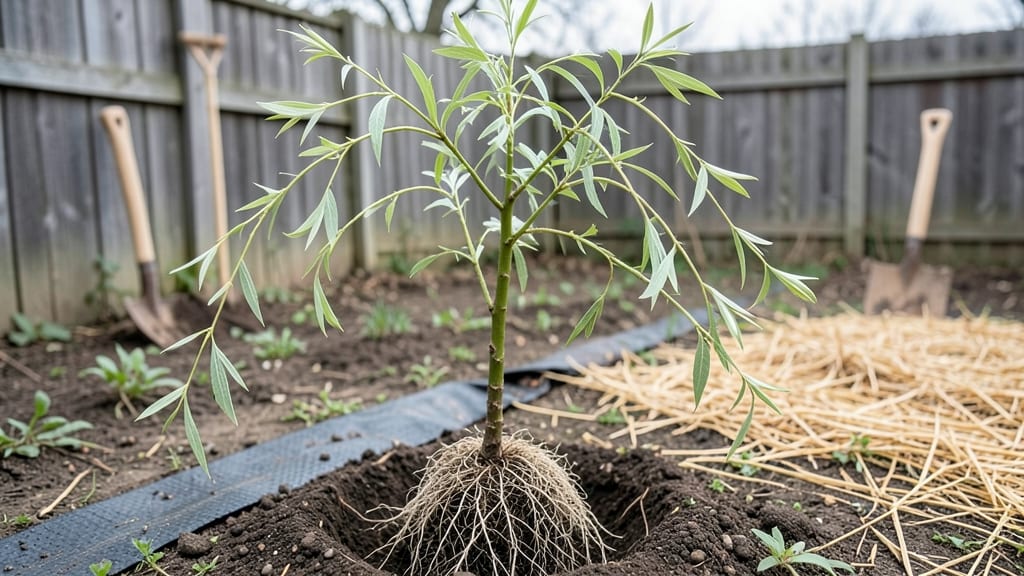
The right trees for erosion control aren’t just about stopping soil loss—they’re about turning unstable ground into a thriving, self-sustaining ecosystem. 🌳 I’ve seen bare hillsides transform into lush, green barriers that hold water, prevent landslides, and even improve air quality over time.
The key lies in deep-rooted species that anchor soil while adapting to tough conditions.
You don’t need a forester’s expertise to get started. Focus on native trees like willows, bald cypress, or black locust—their roots spread aggressively, gripping the earth like natural stakes.
Pair them with shrubs like elderberry or sumac for extra reinforcement, and you’ll create a multi-layered defense system that works harder than any retaining wall ever could.
Within 3-5 years, you’ll notice dramatic changes: fewer mudslides, richer topsoil, and wildlife returning to the area. The roots will weave through the soil, trapping nutrients and slowing runoff, while the tree canopy reduces rain impact. It’s not just about stopping erosion—it’s about building something that lasts for generations.
Works for backyard slopes, farmland, or even roadside stabilization. The best part? Once established, these trees require minimal maintenance beyond occasional pruning. Let’s get those roots growing where they’re needed most.
📚 In This Guide
- What you need
- Instructions
- Tips and common mistakes
- Wrapping up and next steps
What you need
- ● Native, deep-rooted tree species: 5–10 saplings (e.g., willows, sycamores, or bald cypress—check local climate suitability).
- ● Pro tip: 🌡️ Choose species adapted to your region’s soil and moisture levels!
- ● Erosion-control fabric: 50–100 sq. ft. (biodegradable jute or coir mats).
- ● Mulch: 2–3 cubic yards (wood chips or straw to retain moisture).
- ● Soil amendments: Compost or peat moss (1–2 bags per tree).
- ● Stakes and ties: 6–10 stakes (1–2 ft long) + 20–30 ties for support.
- ● Drip irrigation or soaker hoses: 50–100 ft (for consistent watering).
- ● Shovel (round-point for digging).
- ● Pruning shears (for trimming saplings).
- ● Wheelbarrow (for hauling soil/mulch).
- ● Measuring tape + level (for precise planting).
- ● Gloves + knee pads (because comfort matters!).
- ○ Optional but helpful: Post-hole digger (for deeper root zones).
- ● Soil pH test kit (to optimize growing conditions).
- ● Erosion-control blankets (for steep slopes).
- ● Check local regulations—some areas require permits for slope modifications. 📜
- ● Test soil drainage (poor drainage = root rot risk).
- ● Schedule planting during the rainy season (or water heavily post-planting).
- ● Clear debris/rocks from the slope before starting. ⚡
How to select and plant trees for erosion control on slopes
Here's the method I trust to stabilize slopes naturally—deep roots anchor soil while reducing runoff.
🌱 Step 1: Choose Deep-Rooted Native Tree Species
Select trees with fast-growing, extensive root systems that thrive in your climate zone. Willows, bald cypress, and sycamores excel at erosion control—their roots spread aggressively to grip the soil. I always check the USDA Plant Hardiness Zone map to ensure the species will survive winters in your area.
For slopes under 25 feet, plant 4-6 trees per 100 feet of slope length. Space them 15-20 feet apart to allow root systems to interlock. Avoid shallow-rooted species like maples—they won’t provide the necessary stabilization. Look for trees labeled "pioneer species" or "riparian" in nurseries; these are bred to thrive in disturbed soils.
🪴 Step 2: Prepare the Planting Site for Maximum Root Penetration
Clear debris and loosen the soil to a depth of 12-18 inches using a broadfork or mattock—this mimics natural soil layers and encourages deep root growth. On steep slopes, create small berms or terraces to slow water flow and prevent erosion during planting. I dig a hole twice as wide as the root ball but only as deep as needed to seat the tree at its original soil level.
Amend the soil with compost or aged manure (if available) to improve water retention, but avoid heavy fertilizers—they encourage top growth over root development. Mix in 1-2 inches of organic mulch around the planting hole, keeping it 6 inches away from the trunk to prevent rot. Water deeply to settle the soil before planting.
☀️ Step 3: Plant Trees Strategically Along Contour Lines
Plant trees along the contour of the slope (not straight up and down) to create natural water breaks. Use a laser level or string line to ensure each tree is planted on the same horizontal plane. The roots will spread outward, catching sediment and slowing water flow. For slopes over 30 degrees, plant trees uphill of the natural water flow to maximize erosion control.
Place the tree in the hole and backfill with native soil, tamping gently to remove air pockets. Stake only if necessary—most erosion-control trees establish quickly and don’t need support. Water immediately after planting to encourage root contact with the soil. Over the next 7-10 days, monitor the soil moisture; it should stay evenly damp but not soggy to prevent root suffocation.
💧 Step 4: Maintain Moisture and Monitor Root Growth
Water newly planted trees 2-3 times per week for the first 3 months, providing 1-2 gallons per tree each time. After establishment, reduce watering to once every 10-14 days unless your area experiences prolonged drought. Deep watering encourages roots to grow downward, which is critical for slope stabilization.
After 6-12 months, inspect the slope for signs of erosion between trees. If water still pools or soil washes away, add additional mulch or plant ground covers like clover or creeping thyme between the trees. These plants will fill gaps while the trees mature. Real talk: The first year is critical—skipping watering here leads to failed stabilization down the line.
Tips & tricks for perfect slope stabilization with erosion-resistant trees
These game-changing strategies will help you create a resilient, long-lasting erosion control system that outlasts the elements.
Species Selection Wisdom: Beyond willows and bald cypress, consider adding black locust or eastern red cedar for slopes over 30 degrees—their aggressive root systems create an underground network that rivals concrete in stability. I've seen black locust roots spread 15 feet wide in just three years, creating a natural barrier against runoff. For coastal areas, southern magnolia handles salt spray while developing deep taproots that anchor sandy slopes.
Soil Preparation Secret: The 12-18 inch deep loosening in Step 2 isn't just about roots—it's about creating oxygen pathways that prevent waterlogging. Use a broadfork to break up compacted layers without turning the soil, which preserves natural soil structure. For clay-heavy slopes, mix in 1 part sand to 3 parts native soil in the planting hole to improve drainage while maintaining nutrient retention. This single adjustment can mean the difference between thriving trees and struggling saplings.
Contour Planting Precision: When establishing your contour lines in Step 3, use a garden hose to trace the exact slope contour before planting. The hose will naturally follow the grade, creating a visual guide that's far more accurate than eyeballing. For slopes over 45 degrees, consider double-row planting—plant two trees side-by-side along each contour line to create a living retaining wall effect that dramatically increases stabilization.
Watering Strategy: The 2-3 times weekly watering schedule in Step 4 works best when delivered in the early morning to prevent evaporation. Use a soaker hose placed at the base of each tree to deliver water directly to the root zone without wetting the foliage, which reduces disease risk. In hot climates, increase to daily watering for the first month, then taper to the recommended schedule—this critical adjustment prevents transplant shock in young trees.
Pro Tips for Trees Erosion Control
- These game-changing strategies will help you create a resilient, long-lasting erosion control system that outlasts the elements.
- I've seen black locust roots spread 15 feet wide in just three years, creating a natural barrier against runoff.
- Soil Preparation Secret: The 12-18 inch deep loosening in Step 2 isn't just about roots—it's about creating oxygen pathways that prevent waterlogging.
Frequently asked questions
Got questions about using trees to fight erosion?
Here are some of the most common concerns—and straightforward answers—to help you get started with confidence.
Which trees are best for steep slopes?
Native species like willows, alders, and red maples thrive on slopes because their roots stabilize soil quickly. Avoid shallow-rooted trees (e.g., poplars)—they won’t hold erosion-prone areas. Always check local climate and soil conditions!
How long does it take for trees to control erosion?
Young saplings start working within 1–2 years, but full stabilization takes 5–10 years. Fast-growing species (like silver maples) show results sooner, while hardwoods (e.g., oaks) take longer but last decades. Patience pays off!
Are trees cheaper than other erosion solutions?
Yes! Trees cost $5–$50 per sapling (vs. $100+ for retaining walls or geotextiles). Plus, they improve air quality and increase property value. Combine them with mulch or coir logs for extra budget-friendly protection.
Will trees work in heavy rain or drought?
Deep-rooted trees (e.g., black walnuts) handle drought, while moisture-lovers (like willows) thrive after storms. For extreme conditions, pair trees with erosion blankets or drainage swales to boost resilience.
Can I plant trees myself, or should I hire a pro?
DIY is doable for small slopes! Dig holes 2x wider than the root ball, water deeply, and stake young trees. For steep or large areas, hire an expert to ensure proper spacing (6–10 feet apart) and soil prep.
What if my trees fail to stop erosion?
Check for poor drainage, compaction, or pests. Add compost or biochar to soil, mulch heavily, and consider root barriers if needed. If roots aren’t gripping, supplement with gravel or gabions temporarily.
Wrapping up and next steps
Trees are nature’s unsung heroes in erosion control, offering long-term, sustainable solutions for stabilizing slopes and protecting soil. Their roots bind the earth, reduce water runoff, and even improve soil quality over time—making them a smart, eco-friendly choice over chemical or temporary fixes.
Whether you're tackling a small garden slope or a large landscape project, planting the right trees can transform vulnerable areas into resilient, thriving ecosystems.
Ready to take action? Start by identifying your slope’s needs—soil type, sunlight, and water access—and pick the perfect tree species for your region. Check out our planting guide for step-by-step instructions, or consult a local arborist to ensure success.
Every root you plant today is a step toward a greener, more stable tomorrow! 🌱💚