
Trees
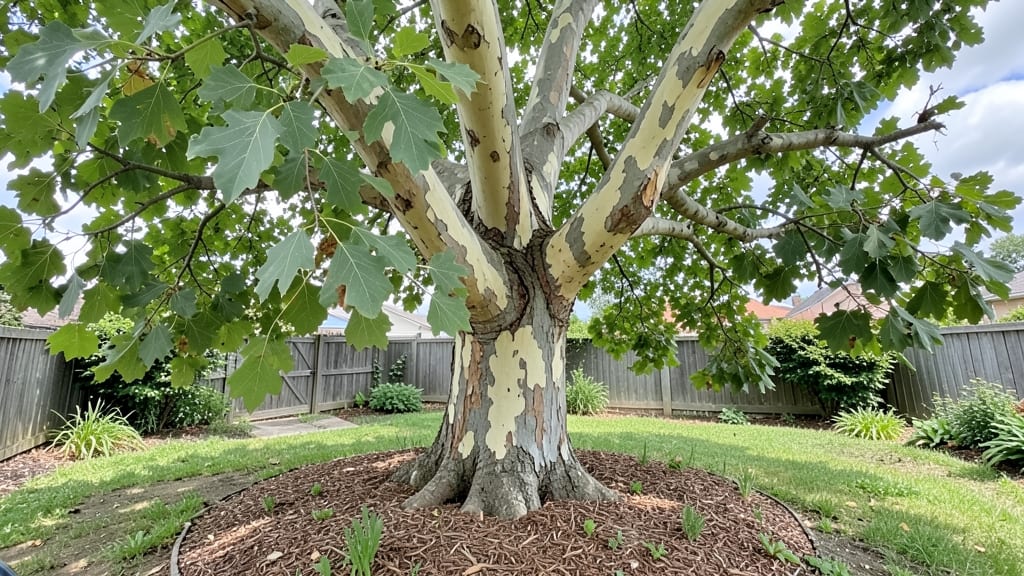
Planting sycamore trees in the Pacific Northwest gives you a low-maintenance giant that thrives where other trees struggle. 🌳 The moment you see those distinctive mottled bark trunks emerge, you’ll know you’ve made the right choice—these trees grow faster than you’d expect while handling our region’s damp winters and mild summers with ease.
Here’s the secret: sycamores love well-draining soil and full sun, but they’re forgiving if your yard isn’t perfect. They adapt to clay-heavy ground and even tolerate urban pollution—ideal for city lots or rural properties alike. Just avoid waterlogged spots, and you’re golden.
By year three, you’ll watch 70-foot giants emerge with minimal effort—just occasional pruning to shape them and mulch to keep roots happy. The shade they provide in summer and the dramatic winter silhouettes make them a standout investment for any landscape.
Whether you’re planting the native Platanus occidentalis or the hardier London Plane, these trees reward patience with stunning year-round interest. Let’s get yours growing strong!
📚 In This Guide
- What you need
- Instructions
- Tips and common mistakes
- Wrapping up and next steps
What you need
- ● Sycamore tree: Choose between: Seeds (if starting from scratch—note: slow germination, ~1-2 years)
- ● 1- to 3-year-old sapling (fastest option for established growth)
- ● Transplant (mature tree, requires professional help)
- ● Planting site: Sunlight: Full sun to partial shade (6+ hours/day)
- ● Space: Minimum 40–60 feet apart (sycamores grow wide!)
- ● Soil: Well-draining, slightly acidic to neutral (pH 6.0–7.5)
- ● Tools: Shovel or digging spade (12–18 inches wide)
- ● Garden fork (for loosening soil)
- ● Wheelbarrow or bucket (for amendments)
- ● Pruning shears (bypass type, sterilized)
- ● Mulch (3–4 inches of wood chips or bark)
- ● Soil test kit (to check pH/nutrients)
- ● Compost or slow-release fertilizer (balanced 10-10-10)
- ● Tree stake & ties (for young saplings in windy areas)
- ● Drip irrigation system (for consistent moisture)
- ● Tree guard (to protect from animals/deer)
Instructions for planting sycamore trees in the Pacific Northwest
Here's how to establish these majestic trees with confidence—minimal fuss, maximum impact.
🌱 Step 1: Select the Perfect Planting Site
Sycamores thrive in full sun to partial shade, but in the Pacific Northwest's wetter climates, they appreciate morning sun and afternoon shade to prevent leaf scorch. Choose a spot with at least 6 feet of clearance in all directions—these trees grow 50-80 feet tall and need room to develop their iconic, spreading canopies. Soil drainage is critical: sycamores hate soggy roots, so avoid low-lying areas where water pools after heavy rain.
Test your soil by digging a 12-inch hole—if water sits above 6 inches after 24 hours, amend the site with 2-3 inches of compost or create a raised mound. The tree's natural habitat along riverbanks gives you a clue: sycamores love moist but well-draining soil. In clay-heavy PNW soils, mix in sand or gravel to improve aeration before planting.
🪴 Step 2: Prepare the Hole and Plant with Care
Dig a hole twice as wide as the tree's root ball but no deeper—planting too deep suffocates roots and causes stress. The top of the root ball should sit 1-2 inches above ground level to prevent settling. Gently loosen the root ball's edges with your hands (or a knife for stubborn roots) to encourage outward growth. This prevents the "root-bound" shock that kills many newly planted trees.
Place the tree in the hole and backfill with the native soil you removed, tamping lightly every 4 inches to eliminate air pockets. Avoid compacting too firmly—you want roots to spread easily. Create a 2-inch-high berm around the hole's edge to direct water toward the roots during irrigation. Water deeply (10-15 gallons) immediately after planting to settle the soil and eliminate air gaps.
☀️ Step 3: Mulch and Protect the Newly Planted Tree
Spread 3-4 inches of wood chips or shredded bark mulch in a 3-foot diameter circle around the base, keeping it 6 inches away from the trunk to prevent rot. Sycamores benefit from consistent moisture during their first year, so mulch helps retain soil moisture while suppressing weeds. In the Pacific Northwest's damp climate, mulch also protects roots from temperature fluctuations—critical during our cool, wet winters.
Install a tree guard or wire cage (4-5 feet tall) to shield the trunk from deer, rabbits, and curious pets. Sycamores grow slowly when young, and browsing animals can girdle the bark fatally. Water deeply once weekly during the first growing season, aiming for 1-2 inches of water per week. You'll know you're doing it right when the soil feels moist 2 inches below the surface—never soggy, never dry.
✂️ Step 4: Prune Strategically for Long-Term Health
Wait 12 months before pruning to let the tree establish its root system. When you do prune, remove dead, diseased, or crossing branches in late winter or early spring before new growth begins. Sycamores develop exfoliating bark as they mature—this is normal, but remove any large, hanging bark strips that could tear and expose the trunk to pests. Use clean, sharp pruners and make cuts just outside the branch collar to promote fast healing.
Focus on structural integrity rather than shaping. Sycamores have a natural, picturesque form, and heavy pruning can stress the tree. If you notice suckers (shoots growing from the base), remove them promptly—they divert energy from the main trunk. In the Pacific Northwest, where fungal diseases like anthracnose are common, sterilize your tools with rubbing alcohol between cuts to prevent spreading spores.
Tips & tricks for planting sycamore trees in the Pacific Northwest
Here's what nobody tells you about planting sycamores that'll make all the difference in your tree's long-term success.
The Soil Test Secret: That 24-hour soil drainage test in Step 1 is non-negotiable. I learned this the hard way after watching two saplings struggle in compacted clay soil. For clay-heavy PNW sites, mix in equal parts sand and compost—this creates the perfect riverbank-like drainage sycamores crave. Pro tip: Test your amended soil again after mixing to confirm water drains properly.
Root Ball Liberation: When loosening the root ball edges in Step 2, don't just scratch the surface—work your fingers or knife all the way around to the very edges. I once planted a sycamore without fully loosening the roots, and it took three years to catch up to properly planted trees. The goal is to encourage roots to spread outward immediately rather than circling the root ball.
Mulch Depth Matters: Those 3-4 inches of mulch in Step 3 aren't just for looks—they create a thermal blanket for roots. In our wet winters, mulch prevents temperature swings that can stress young trees. I recommend double-checking mulch depth annually and adding more if it compresses below 3 inches over time. Keep that 6-inch clearance from the trunk sacred—it prevents rot and pest issues.
Winter Watering Strategy: Sycamores in the PNW need consistent moisture, but winter watering requires special attention. During our rainy season, check soil moisture every 2-3 weeks rather than weekly. The goal is to maintain that 2-inch soil moisture without creating soggy conditions. In particularly dry winters, supplement with deep watering every 3-4 weeks—your tree will thank you when spring growth begins.
Pro Tips for Sycamore Trees
- Here's what nobody tells you about planting sycamores that'll make all the difference in your tree's long-term success.
- The Soil Test Secret: That 24-hour soil drainage test in Step 1 is non-negotiable.
- Root Ball Liberation: When loosening the root ball edges in Step 2, don't just scratch the surface—work your fingers or knife all the way around to the very edges.
Frequently asked questions
Got questions about growing sycamore trees in the Pacific Northwest? You’re not alone! Here are some of the most common queries—plus straightforward answers to help you cultivate these stunning giants with confidence.
How fast do sycamore trees grow in the PNW?
Sycamores are fast growers—expect 3–5 feet per year under ideal conditions (moist, well-drained soil and full sun). In the Pacific Northwest’s mild climate, they’ll thrive even quicker than in warmer regions. Just be prepared for their massive size: mature trees can reach 80+ feet tall!
Are sycamores invasive in the PNW?
While sycamores aren’t highly invasive, they can spread via seeds and root suckers. In the PNW’s wetter climates, they may outcompete native species in some areas. To keep them in check, prune aggressively in early spring and monitor seedling growth. Always check local regulations before planting!
Can sycamores handle PNW winters?
Sycamores are hardy to USDA Zone 4, making them perfect for the PNW’s cold snaps. Their peeling bark insulates the trunk, and their deep roots resist frost heave. Just avoid planting in waterlogged spots—drainage is key to winter survival.
What’s the best alternative if I want a fast-growing, low-maintenance tree?
If sycamores seem too large, consider these PNW-friendly alternatives:
- Douglas fir – Fast-growing, evergreen, and drought-tolerant.
- Bigleaf maple – Stunning fall color with moderate size.
- Redwood – Slow but iconic, with minimal care needs.
Why are my sycamore leaves turning yellow or falling early?
Yellowing leaves often signal overwatering or nutrient deficiency (like iron or nitrogen). Check soil moisture—sycamores prefer consistently moist but well-drained soil. Early leaf drop could also mean root stress or pests (like sycamore lace bugs). Test soil pH (ideal: 6.0–7.5) and fertilize lightly in spring if needed.
Wrapping up and next steps
From their striking bark to their minimal care requirements, sycamore trees are a fantastic addition to the Pacific Northwest landscape. Whether you’re drawn to their dramatic height or their resilience, these trees offer beauty with ease—just give them space, sunlight, and occasional watering.
Ready to transform your yard? Start by selecting the perfect spot and watch your sycamore thrive for decades to come!
🌱 Pro tip: Share your progress with fellow gardeners or local tree-loving communities—inspiration spreads like roots!