
Pruning
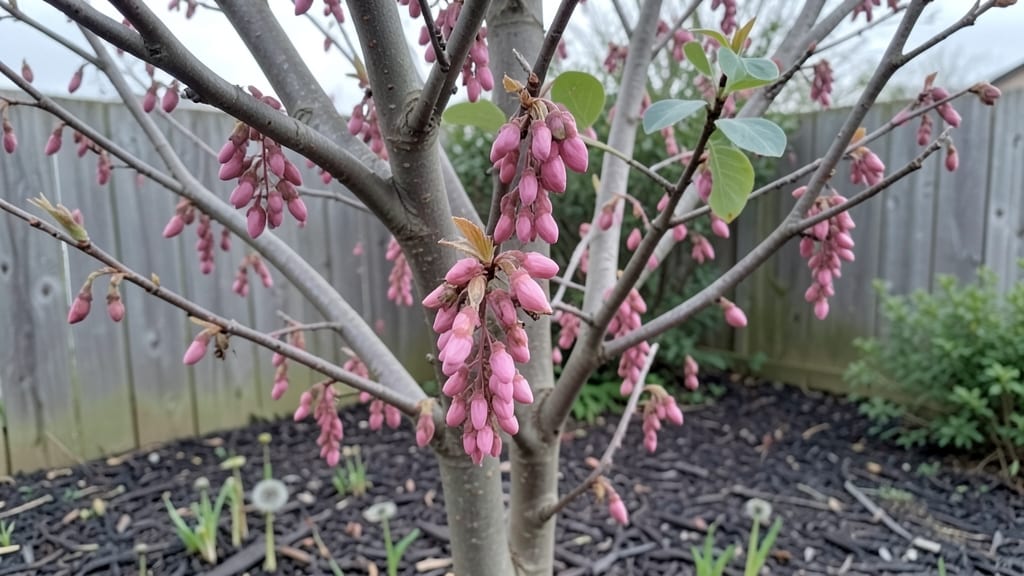
The sun redbud tree (Cercis canadensis) bursts into vibrant pink spring blooms that outshine any Pacific Northwest garden. 🌸 I’ve watched mine transform from bare branches to a floral explosion in just three weeks—proof that this humidity-loving beauty thrives where others struggle.
The secret isn’t just the right spot; it’s knowing when to prune to encourage those showstopping flowers year after year.
This tree adores partial shade but handles full sun better than most PNW natives, making it perfect for rain-soaked yards. Plant it in well-draining soil with a mulch ring to protect roots during winter’s damp spells.
The key to keeping it blooming? Prune after flowering—never in late summer, or you’ll sacrifice next year’s flowers. My first attempt at summer pruning left me with sparse blooms, so I learned the hard way.
With proper care, you’ll get football-sized canopies of pink blooms that attract hummingbirds and bees by April. The heart-shaped leaves add lush green contrast all summer, and the tree’s compact size (20–25 feet) fits even small yards. Just avoid heavy-handed pruning—this tree rewards gentle shaping over drastic cuts.
Whether you’re restoring an old landscape or adding spring color to a new one, the sun redbud delivers low-maintenance drama. The only real challenge? Timing your pruning right. Let’s get those branches shaped for maximum blooms next spring.
📚 In This Guide
- What you need
- Instructions
- Tips and common mistakes
- Wrapping up and next steps
What you need
- ● Pruning shears: Bypass pruners (sharp, clean, and disease-free) for cutting small branches (up to ½-inch thick). Pro tip: 💡 Invest in high-quality shears like Felco F-2 or Gonicc for precision.
- ● Loppers: For branches ½-inch to 2-inches thick. Look for ratcheting loppers (e.g., Corona or Fiskars) for extra leverage.
- ● Pruning saw: For thicker branches (2+ inches). A bow saw or pruning saw with a curved blade works best.
- ● Gloves: Heavy-duty gardening gloves (e.g., Cruelty-Free or Workrite) to protect hands from thorns and rough bark.
- ● Disinfectant: 70% isopropyl alcohol or a pruning sealant (like Tanglefoot Tree Wound Pruning Seal) to prevent disease spread.
- ● Ladder or step stool: If your tree is taller than 6 feet, use a stable, extendable ladder (e.g., Little Giant) or a foldable step stool.
- ○ Trash bags or bucket: For collecting pruned branches (5–10 gallon capacity). Optional: A wheelbarrow for hauling larger debris.
- ● Timing: Prune your sun redbud immediately after flowering (late spring) or in early winter (before buds swell). Avoid pruning during wet or rainy PNW weather to reduce disease risk.
- ● Weather: Choose a dry, overcast day (60–70°F) to minimize stress on the tree.
- ○ Safety gear: Optional but recommended: Safety glasses (to shield from debris) and long sleeves/pants (to avoid scratches).
- ● Tree health check: Inspect the tree for diseases (e.g., powdery mildew) or pests before pruning. Treat issues first if needed.
Step-by-step pruning guide for sun redbud trees in humid climates
This is how I keep my Pacific Northwest redbuds thriving—vibrant blooms and strong growth every season.
✂️ Step 1: Prune at the Right Time
Cut back in late winter to early spring, just before buds swell but before new growth begins. This timing ensures you remove dead wood while preserving next year’s flower buds, which form on last year’s growth. In the PNW’s damp climate, pruning too early risks fungal infections from lingering moisture, while waiting too long encourages leggy growth.
I always prune on a dry, sunny day—humidity loves to hitchhike on fresh cuts. Use sterilized pruners (clean with rubbing alcohol between cuts) to prevent spreading disease. Look for dead branches (no green underneath bark) and crossing branches that rub together—these are your first targets.
✂️ Step 2: Shape for Airflow and Light
Remove no more than 25% of the canopy in one season to avoid stressing the tree. Focus on thinning out rather than topping—cut branches back to a bud or lateral branch rather than leaving stubs. This encourages bushier growth and better bloom distribution.
In humid climates, redbuds appreciate open centers to prevent fungal issues. I aim for a rounded, vase-like shape that lets sunlight reach the inner branches. Watch for water sprouts (fast-growing vertical shoots)—these sap-suckers drain energy and should be removed at the base.
☀️ Step 3: Clean Up and Monitor Growth
After pruning, remove all debris from the area and sterilize your tools again. Rake up fallen leaves and branches to reduce fungal spores. In the PNW’s wet springs, I apply a copper fungicide spray as a preventative measure—especially on older trees.
Watch for new growth in spring as your signal that pruning was successful. Healthy redbuds should show bright green leaves and plentiful flower buds along branches. If you notice yellowing leaves or mushroom-like growths on pruning wounds, increase airflow around the tree immediately.
⏰ Step 4: Annual Maintenance Adjustments
Every 2-3 years, reassess the tree’s structure. Mature redbuds may need rejuvenation pruning—cutting back ⅓ of the oldest branches to the ground to stimulate new growth. This is best done in early spring when the tree is still dormant.
In humid climates, I also prune lightly in summer to control size—just remove any suckers or overly vigorous shoots that appear after the initial spring flush. This keeps the tree manageable while maintaining its natural shape. The key is consistency: regular light pruning beats one heavy annual cut.
Tips & tricks for pruning sun redbud trees in humid climates
These pro-level insights will help you keep your Pacific Northwest redbuds healthy and flourishing year after year.
Timing Secret: The late winter to early spring window is critical for PNW redbuds. Look for the moment when buds are just starting to swell but haven't broken yet—this is your cue. I've learned the hard way that pruning too early can leave wounds vulnerable to fungal infections in our damp climate, while waiting too late risks encouraging those leggy growth patterns we all want to avoid.
Tool Technique: Sterilizing your pruners between cuts is non-negotiable in humid climates. I keep rubbing alcohol in a small spray bottle nearby and clean tools after every 3-4 cuts. For larger branches, I use my pruning saw and immediately wipe down the blade. This prevents spreading any potential pathogens that could take advantage of your tree's fresh cuts.
Structural Strategy: When shaping your redbud, think of it as creating an open umbrella rather than a dense canopy. The goal is to remove crossing branches and those growing inward first, then thin out to let sunlight penetrate to the center. I aim for that classic vase shape—it's not just aesthetic, it's functional for airflow in our wet climate.
Recovery Watch: After pruning, monitor your tree's response closely. Healthy new growth should appear within 3-4 weeks of spring pruning. If you notice yellowing leaves or those telltale mushroom-like growths on pruning wounds, it's your tree's way of saying "I need more airflow!" Don't hesitate to remove any problematic branches immediately to prevent further spread.
Pro Tips for Sun Redbud Tree
- These pro-level insights will help you keep your Pacific Northwest redbuds healthy and flourishing year after year.
- Timing Secret: The late winter to early spring window is critical for PNW redbuds.
- Tool Technique: Sterilizing your pruners between cuts is non-negotiable in humid climates.
Frequently asked questions
When is the best time to prune a sun redbud tree?
The ideal time to prune your sun redbud is late winter to early spring, just before new growth begins (typically February–March in the PNW). This timing encourages vibrant spring blooms and minimizes stress. Avoid pruning in fall or during wet seasons, as it can invite disease—especially in the region’s humid climate.
How much can I trim back my sun redbud without harming it?
Sun redbuds are resilient, but never remove more than 25% of the canopy in a single year. For shaping or rejuvenation, you can lightly prune up to 30% over 2–3 years. Focus on removing dead, crossing, or weak branches first. Over-pruning can reduce next year’s stunning pink blossoms!
Why does my sun redbud have yellow leaves or leaf spots after pruning?
Yellowing or spotted leaves often signal fungal issues (common in PNW humidity) or over-pruning stress. Sterilize tools with rubbing alcohol before cuts, and avoid wetting foliage during watering. If fungus is suspected, apply a copper fungicide in early spring. Most trees recover fully with proper care!
Can I grow a sun redbud in a container, or does it need to be planted in the ground?
Sun redbuds prefer ground planting due to their spreading roots, but young trees (under 3 years old) can thrive in large containers (20+ gallons) with well-draining soil. Use a fast-draining mix and repot every 2 years. Containers limit root growth, so expect slower blooming and smaller size compared to in-ground trees.
Are sun redbud trees prone to pests in the Pacific Northwest?
While generally pest-resistant, sun redbuds may attract aphids or scale insects in damp PNW summers. Treat mild infestations with a hose spray or insecticidal soap. For severe cases, use neem oil. Monitor for borers (rare) by checking for sawdust-like frass near pruning wounds—remove infested branches immediately.
Wrapping up and next steps
The Sun Redbud tree is a stunning, low-maintenance gem for the Pacific Northwest—especially when you embrace its love for humidity with the right pruning care! 🌿 From timing and tools to shaping and safety, you now have all the insights to keep your tree thriving while showcasing its breathtaking blooms.
Remember, a little effort goes a long way in nurturing this resilient beauty.
Ready to level up your green thumb? Grab your tools, step outside, and give your Sun Redbud the attention it deserves—your future blooms will thank you! 🌸 For more expert tips, explore our pruning resources or connect with local gardening communities for shared wisdom.