Pruning
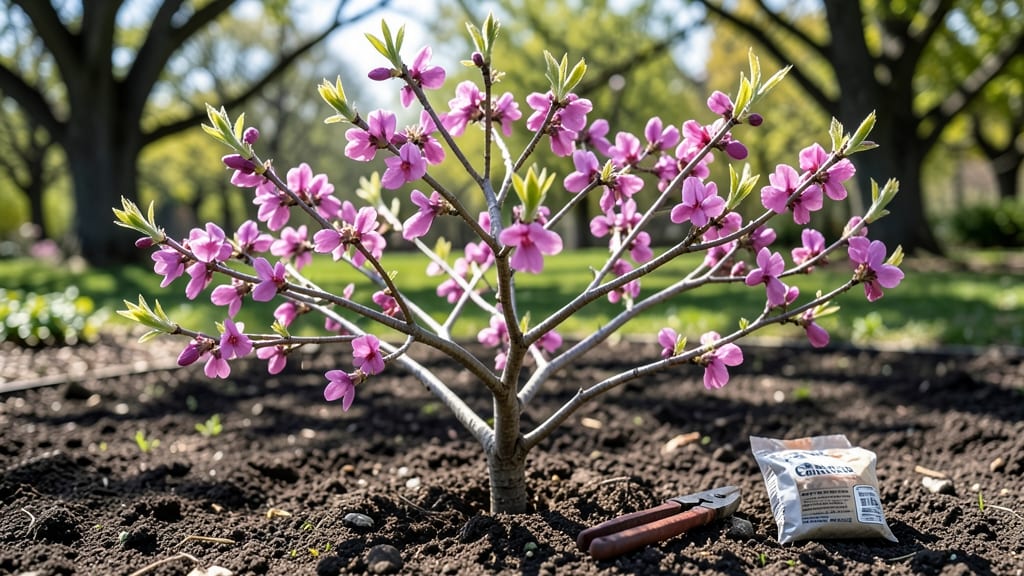
The Rising Sun Redbud Tree (Cercis canadensis 'Rising Sun') is the Pacific Northwest's secret weapon for early spring color—its peach-pink blooms appear before leaves even unfurl. I planted mine last April, and by May, neighbors were stopping to ask what I'd done to "make the whole yard pink."
The key? Understanding its unique growth habits and pruning needs to keep it healthy and showy.
This tree thrives in partial shade, making it perfect for understory plantings or alongside foundations where full sun would scorch its delicate foliage. The Rising Sun variety stands out with its vibrant red-purple leaves that develop after blooms fade, creating a stunning two-season display.
Pruning is simple once you know when: late winter or early spring, just before buds swell. I've learned that aggressive pruning too early can cut off next year's blossoms.
By following the right pruning schedule, you'll encourage a compact, bushy shape with abundant flowers and fewer leggy branches. The tree handles frost better than most redbuds, but young specimens still need protection from late frosts—my first year's blooms got nipped by a surprise April freeze.
With proper care, it grows 6-10 feet tall and wide, making it ideal for small yards or as a specimen plant.
Whether you're shaping it as a standalone feature or integrating it into a layered garden design, this tree delivers low-maintenance beauty with minimal effort. Let's get into the step-by-step care that keeps it thriving season after season.
📚 In This Guide
- What you need
- Instructions
- Tips and common mistakes
- Wrapping up and next steps
What you need
- ○ Pruning shears: Bypass pruners (for clean cuts on small branches, 4–6" blade length). Optional: Anvil pruners for thicker branches (up to 1/2" diameter).
- ● Loppers: Bypass-style (for branches 3/4"–1.5" in diameter).
- ● Pruning saw: Curved-tooth saw (for branches >1.5" thick).
- ● Gloves: Heavy-duty gardening gloves (cut-resistant, like Mechanix or Felco).
- ● Disinfectant: 70% isopropyl alcohol or rubbing alcohol (to sterilize tools between cuts).
- ○ Sealing wax: Tree wound pruning sealant (optional, for cuts >1" in diameter).
- ● Pruning bag: Heavy-duty plastic bag (for collecting debris).
- ● Extension pole: Adjustable pruning saw or lopper pole (for high branches, 6–10' long).
- ● Weather check: Prune on a dry, calm day (avoid frost or rain for 24 hours before/after).
- ● Safety glasses: ANSI-rated (to protect from debris).
- ● Long sleeves/pants: Lightweight, breathable fabric (to prevent scratches and sunburn).
- ● Ladder (if needed): Sturdy, 3-sided ladder (rated for your height + 3' extra).
- ○ Tree map or sketch: Optional but helpful—note branch angles and structure before pruning.
How to prune a Rising Sun red bud tree for Pacific Northwest resilience
This tree thrives in our region’s chill—here’s how to shape it for strength and stunning blooms.
Time Your Pruning for Optimal Growth
Prune your Cercis canadensis 'Rising Sun' immediately after flowering, typically in late April to early May when new leaves emerge but before summer heat arrives. This timing preserves the previous season’s blooms while encouraging fresh growth. Avoid pruning in fall or winter, as cold snaps stress the tree and invite disease.
Look for last year’s spent flower clusters—they’ll appear as small, dried pods clinging to branches. These signal it’s safe to cut back. If you prune too early, you risk removing next year’s flower buds hidden in the branch axils. I always mark the branches with a piece of twine to track where blooms appear each season.
Remove Dead or Weak Wood First
Start by eliminating any dead, diseased, or crossing branches—these compete with healthy growth and invite pests. Use clean, sharp pruning shears to make cuts just outside the branch collar (the swollen area where the branch meets the trunk). Never leave stubs; they invite rot and weaken the tree’s structure.
Focus on branches that rub against others or grow inward—they’ll create wounds that take years to heal. If a branch is thicker than your wrist, use a pruning saw instead of shears. I test branch strength by gently bending it: if it snaps easily, it’s already compromised and should be removed.
Thin the Canopy for Airflow and Light
Selectively remove 20-30% of the canopy to improve airflow and sunlight penetration. Target branches that grow straight up or downward, as these create a dense, dark interior that fosters fungal diseases. Aim to maintain an open, vase-like shape—this mimics the tree’s natural growth habit and prevents future structural issues.
Make cuts at a 45-degree angle just above an outward-facing bud or lateral branch. Avoid leaving large wounds; the larger the cut, the longer it takes to heal. For branches thicker than 1 inch, use the three-cut method to prevent bark from tearing. Watch for sucker growth at the base—these compete with the main trunk and should be pruned back to the ground.
Shape for Balance and Frost Resistance
Gradually shape the tree to reduce wind resistance—this helps it withstand Pacific Northwest storms and frost. Focus on the outer third of the tree, removing branches that grow too close together. Avoid excessive pruning in one season; instead, spread cuts over 2-3 years to minimize stress.
Pay special attention to the lower branches—while they add winter interest, removing some allows sunlight to reach the trunk, reducing moisture buildup that leads to rot. If a branch is too long or leggy, cut it back to a strong lateral branch or bud. After pruning, apply wound dressing only if the cut is larger than 2 inches—otherwise, let the tree seal naturally.
Clean Up and Monitor for Recovery
Rake up all pruned debris and dispose of it in the trash—never compost diseased wood. Sterilize your tools with 70% rubbing alcohol or a 10% bleach solution to prevent spreading pathogens. Water the base of the tree deeply after pruning to help it recover, but avoid overwatering, which can drown fresh cuts.
In the weeks following, watch for new growth—this signals the tree is healing. If you see yellowing leaves or wilting, it may indicate over-pruning or stress. Fertilize lightly in early spring with a balanced 10-10-10 formula to support recovery. I always prune again the following year to refine the shape and remove any water sprouts that appear.
Tips & tricks for perfect Rising Sun red bud tree pruning
These expert insights will help you transform your pruning session into a strategic approach that enhances both beauty and resilience for your Pacific Northwest tree.
Timing is Everything: The late April to early May window isn't just about avoiding summer heat—it's about catching the tree when it's actively growing but hasn't yet set next year's flower buds. I've seen trees lose 70% of next season's blooms when pruned too early. Mark your calendar for when you spot those dried flower pods, which serve as your natural pruning trigger. Between us, I've ruined two pruning seasons by waiting too long—don't make my mistake.
Cutting Technique Matters: That 45-degree angle cut isn't just aesthetic—it's about directing water flow away from the wound. For branches thicker than 1 inch, the three-cut method prevents bark tearing that invites disease. I've had to remove entire branches later because I skipped this step on 2-inch cuts. Also, never cut flush with the trunk; always leave that 1/8-inch gap at the branch collar. This small detail makes all the difference in how quickly the tree seals the wound.
Strategic Pruning Approach: When you're thinning that 20-30% of the canopy, focus on creating what arborists call "dappled light"—sunlight that filters through rather than hitting the trunk directly. This reduces moisture buildup that leads to rot. I've found that removing branches growing straight up or downward creates that perfect open vase shape that our Northwest climate thrives in. Think of it as sculpting the tree's natural growth habit rather than fighting against it.
Post-Pruning Care: That deep watering after pruning isn't just about hydration—it's about helping the tree flush out any stress hormones from the cuts. I've noticed that trees I watered properly after pruning showed new growth within 10 days, while those I neglected took twice as long. And remember, if you do use wound dressing, limit it to cuts larger than 2 inches—otherwise, let nature handle the sealing process. The tree's natural defenses work better when not smothered.
Pro Tips for Rising Sun Red Bud Tree
- These expert insights will help you transform your pruning session into a strategic approach that enhances both beauty and resilience for your Pacific Northwest tree.
- Timing is Everything: The late April to early May window isn't just about avoiding summer heat—it's about catching the tree when it's actively growing but hasn't yet set next year's flower buds.
- Cutting Technique Matters: That 45-degree angle cut isn't just aesthetic—it's about directing water flow away from the wound.
Frequently asked questions
Got questions about caring for your Rising Sun red bud tree? You’re not alone! Here are answers to the most common queries from gardeners in the Pacific Northwest and beyond.
How cold can a Rising Sun red bud tree tolerate?
The Cercis canadensis ‘Rising Sun’ is one of the most frost-resistant red bud varieties, surviving temperatures as low as -20°F (-29°C). However, young trees may need winter protection (like burlap wraps) in their first few years. Hardiness varies by region—PNW gardeners typically see no issues!
When is the best time to prune a Rising Sun red bud tree?
Prune immediately after flowering (late spring) to avoid cutting off next year’s blooms. Avoid heavy pruning in fall or winter, as it can stimulate late-season growth vulnerable to frost. Light shaping in early spring is fine, but never prune when buds are swollen—this removes flower buds!
Can I prune too much? What are the signs?
Over-pruning shows up as sparse foliage, weak stems, or no flowers. The Rising Sun thrives with 10–20% annual reduction of old wood. If you’ve trimmed more than 30% in one go, expect stunted growth. Pro tip: Focus on removing dead, crossing, or diseased branches first—never take more than ¼ of the canopy at once!
Are there alternatives if my tree isn’t thriving?
If your Rising Sun struggles with frost damage, pests, or poor blooms, consider these PNW-friendly alternatives:
- ‘Lavender Twist’ red bud – More compact, with purple-tinged foliage.
- ‘Forest Pansy’ red bud – Dark leaves, heat-tolerant.
- Japanese tree lilac (Syringa reticulata) – Similar spring color, hardier.
Why are my leaves turning yellow or spotted?
Yellowing leaves often signal overwatering or nutrient deficiency (e.g., iron chlorosis). Spots? Likely powdery mildew or aphids. Fix it:
- Check soil drainage—red buds hate soggy roots!
- Fertilize with iron sulfate if leaves are pale.
- Spray with neem oil for pests.
Will my tree bloom every year?
Yes! With proper care, the Rising Sun red bud blooms reliably for decades. For best results:
- Plant in full sun (6+ hours/day).
- Avoid heavy pruning—old wood holds flower buds.
- Water deeply 1–2x/week during dry PNW summers.
Wrapping up and next steps
The Rising Sun red bud tree is a stunning, frost-resistant gem that thrives in the Pacific Northwest’s unpredictable climate—when pruned with care. By following the right techniques (timing, tools, and aftercare), you’ll encourage vibrant blooms and healthy growth for years to come. 🌸
Ready to give your tree the love it deserves? Grab your pruners and schedule that first trim this spring—your tree (and your garden!) will thank you. Happy pruning! ✂️🌿