Pruning
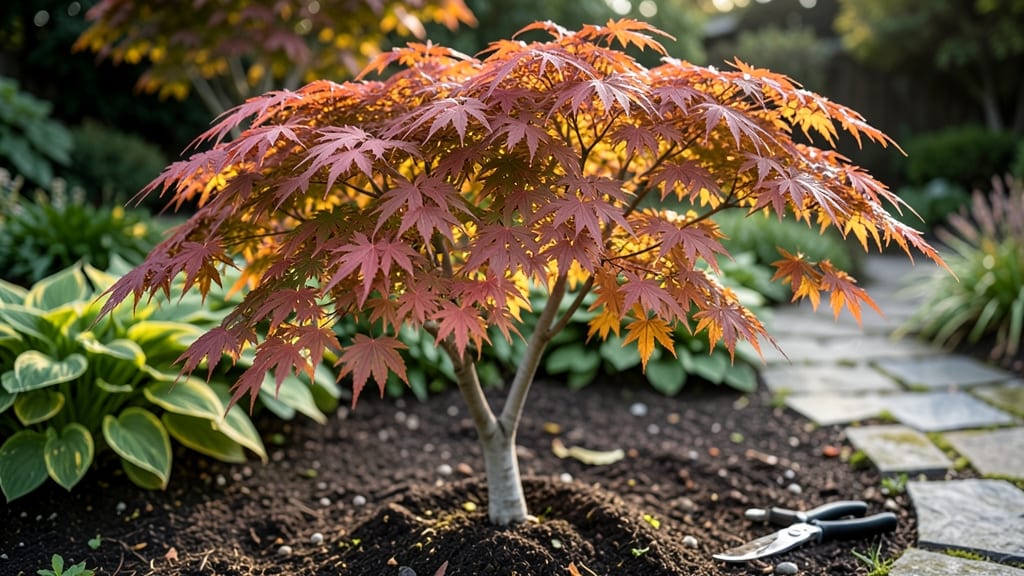
The rising sun turns this eastern tree, the Eastern Redbud (Cercis canadensis), into a Pacific Northwest spectacle—its lavender-pink blooms erupting like fireworks against bare branches in early spring. 🌸 I’ve watched mine transform a dull winter corner into a riot of color, proving that even our frost-prone climate can’t dim its charm.
This tree isn’t just pretty; it’s the backbone of sunlit borders, anchoring perennial beds with its graceful form and seasonal interest.
What makes it special? The frost-defying nature of its blooms—unlike many spring flowers, Redbuds burst into color before the last frost, giving pollinators an early buffet.
Pair it with sun-loving companions like serviceberry or Russian olive for a layered effect, or let it stand alone as a statement piece near patios where you’ll catch its scent on warm mornings. The key? Pruning in late winter to shape its natural vase-like form while encouraging dense foliage.
By summer, you’ll have a tree that’s both practical and poetic—its heart-shaped leaves casting dappled shade, its bark developing rich textures as it matures. The Pacific Northwest’s mild summers let it thrive without fuss, and its fall foliage adds a subtle golden hue before winter.
This isn’t just a tree; it’s a year-round garden anchor, tying together seasons with effortless elegance.
For best results, plant it where morning sun warms its bark (critical for early blooms) and afternoon shade protects it from our dry summers. Combine it with drought-tolerant perennials like catmint or sedum at its base, and you’ve got a low-maintenance, high-impact design that turns heads—literally. Let’s get yours growing!
📚 In This Guide
- What you need
- Instructions
- Tips and common mistakes
- Wrapping up and next steps
What you need
- ● Bypass Pruners: Sharp, high-quality bypass pruners (e.g., Felco F-2 or Corona Tools) for clean cuts on small to medium branches (1/4"–1" diameter). Quantity: 1 pair.
- ● Loppers: Heavy-duty loppers (e.g., Fiskars X27) for thicker branches (1"–2" diameter). Quantity: 1 pair.
- ● Pruning Saw: A curved-tooth pruning saw (e.g., Bahco or Felco) for branches over 2" in diameter. Quantity: 1.
- ○ Extension Pole: A 3–6 ft telescoping pruning saw or pole saw for high branches. Optional but handy!
- ● Gloves: Heavy-duty gardening gloves (e.g., Mechanix or Dr. McGregor) to protect hands from thorns and rough bark.
- ● Safety Gear: Safety goggles and ear protection (if using a chainsaw for large branches).
- ● Disinfectant: 70% isopropyl alcohol or a pruning sealant (e.g., Tanglefoot Tree Wound Pruning Sealer) to sterilize tools between cuts and prevent disease.
- ● Clean Rags or Paper Towels: For wiping tools and branches before/after pruning.
- ● Trash Bags: Heavy-duty yard waste bags (30–50 gallon) for debris removal. Quantity: 2–3.
- ○ Ladder (if needed): A stable, extendable ladder (e.g., 24–32 ft) rated for your tree’s height. Optional: Safety harness for high branches!
- ● Marking Twine or Flags: Colored twine or stakes to tag branches for removal (helpful for large trees).
- ● Weather Check: Prune on a dry, calm day (avoid rain or wind). Ideal temps: 40–70°F (4–21°C).
- ● Tree Health Assessment: Inspect the tree for disease, pests, or dead branches before starting. Pro tip: 💡 Snap a branch—if it’s brittle and dry, it’s dead!
- ● Local Regulations: Check if your area requires a permit for large branch removal (common in urban zones).
- ● Safety Briefing: Review tree pruning safety guidelines (e.g., avoid over-reaching, use 3-point contact on ladders).
Step-by-step pruning guide for Rising Sun Eastern Redbud trees
Here’s how to maintain your Pacific Northwest Rising Sun Eastern Redbud’s health and beauty through precise, seasonal pruning.
🌿 Step 1: Assess the Tree’s Structure in Late Winter
Start pruning in late winter or early spring, just before buds swell but before new growth begins. This timing ensures you remove dead wood while avoiding the risk of frost damage to fresh cuts. Look for three main branches forming the tree’s natural vase shape—these should be evenly spaced and sturdy. If any limbs grow inward or cross others, they’ll compete for sunlight and weaken the tree.
Use sharp, clean pruning shears to make 45-degree cuts just above a bud or lateral branch. Avoid leaving stubs, which invite disease. I always start by removing dead, diseased, or broken branches first—these are easy to spot as they’re brown, brittle, or devoid of leaves. Mark these with a small flag if unsure, then revisit after a few days to confirm.
✂️ Step 2: Thin and Shape for Airflow and Light
Next, focus on thinning the canopy to improve airflow and sunlight penetration. Aim to remove no more than 25% of the tree’s foliage in one season to avoid stress. Target branches that rub against each other or grow straight upward—these create weak points and block light from reaching inner leaves. Cut these back to a lateral bud or branch, always making your cut just outside the branch collar.
For the Rising Sun variety, which blooms early, avoid heavy pruning in its first few years. The tree’s signature pink spring blossoms form on old wood, so prune lightly to preserve flower production. If you must shape, prioritize outer branches to maintain the tree’s natural silhouette. Use loppers for thicker branches over ½ inch in diameter, and always sterilize tools with rubbing alcohol between cuts to prevent bacterial spread.
☀️ Step 3: Maintain Through the Growing Season
After the initial pruning, monitor the tree throughout the growing season for suckers (shoots growing from the base) or water sprouts (fast-growing vertical shoots). Remove these promptly with hand pruners, as they divert energy from the tree’s main structure. Water sprouts, in particular, are common in young Redbuds and should be cut back to a lateral bud or branch to encourage bushier growth.
In summer, if you notice any branches growing too vigorously or disrupting the tree’s balance, prune them back by one-third to encourage denser foliage. Avoid heavy summer pruning, as it can stimulate tender new growth that’s vulnerable to late-season frosts. Instead, focus on light maintenance—removing only what’s necessary to keep the tree’s form open and airy.
⏰ Step 4: Prepare for Winter with Light Cleanup
As winter approaches, conduct a final inspection to remove any dead or diseased branches that may have appeared during the year. These can harbor pests or pathogens that survive the cold. Prune these out before the first hard frost, but avoid heavy cuts that could stimulate late-season growth. The goal is to leave the tree clean and ready to withstand Pacific Northwest winters.
Mulch the base of the tree with 2-3 inches of organic mulch, keeping it 6 inches away from the trunk to prevent rot. This helps regulate soil temperature and retains moisture. In the PNW’s wet climate, ensure the mulch isn’t too thick—excess moisture can suffocate roots. Water deeply but infrequently in late fall to encourage deep root growth before dormancy.
Tips & tricks for perfectly pruning Rising Sun Eastern Redbud trees
Mastering the art of pruning your Rising Sun Eastern Redbud ensures it thrives in the Pacific Northwest's challenging climate. These essential tips will help you maintain its health and beauty while preserving those stunning pink spring blooms.
Timing is Everything: The late winter to early spring window—just before buds swell—is critical. This timing allows you to remove dead wood without risking frost damage to fresh cuts. I've learned the hard way that pruning too early can expose tender new growth to late frosts, while waiting too long means you'll be cutting into this year's flower buds. Mark your calendar for that precise moment when buds are still dormant but swelling is imminent. This is the sweet spot for maximum benefit with minimal stress to the tree.
Precision Cutting Technique: Always make your cuts at a 45-degree angle just above a bud or lateral branch, and never leave stubs. I use a sharp pruning saw for thicker branches and sterilize my tools between cuts with rubbing alcohol to prevent disease spread. For branches over ½ inch in diameter, I make the initial cut slightly away from the trunk to avoid tearing the bark. This technique promotes faster healing and reduces the risk of infection, which is especially important in the damp PNW climate.
Seasonal Maintenance Strategy: Summer pruning should focus on light maintenance—removing only what's necessary to maintain airflow and shape. I've found that pruning back vigorous branches by one-third encourages denser foliage without stimulating tender new growth vulnerable to late-season frosts. During the growing season, keep an eye out for suckers and water sprouts, which can divert energy from your tree's main structure. These should be removed promptly with hand pruners to maintain the tree's natural silhouette and health.
Winter Preparation Insight: The final inspection before winter is crucial for long-term health. Remove any dead or diseased branches that may have appeared during the year, but avoid heavy cuts that could stimulate late-season growth. I always mulch with 2-3 inches of organic material, keeping it 6 inches away from the trunk to prevent rot. In our wet climate, proper mulching helps regulate soil temperature and retain moisture without suffocating the roots. This winter preparation ensures your tree is ready to withstand our challenging winters while setting it up for spectacular spring blooms.
Pro Tips for Rising Sun Eastern Tree
- Mastering the art of pruning your Rising Sun Eastern Redbud ensures it thrives in the Pacific Northwest's challenging...
- Timing is Everything: The late winter to early spring window—just before buds swell—is critical. This timing allows y...
- Precision Cutting Technique: Always make your cuts at a 45-degree angle just above a bud or lateral branch, and never...
Frequently asked questions
about pruning the Rising Sun Eastern Tree in the Pacific Northwest’s frost-prone climate. Got questions? We’ve got answers!When is the best time to prune my Rising Sun Eastern Tree?
The ideal time is late winter or early spring (February–March), just before new growth begins. This timing helps avoid frost damage while encouraging healthy spring blooms. Avoid pruning in fall, as wounds may not heal before winter’s chill.
How do I protect my tree from frost damage after pruning?
Prune on mild, frost-free days and avoid heavy cuts in late fall/winter. Apply a light mulch layer (2–3 inches) around the base to insulate roots. For young trees, consider tree wraps or frost cloth if extreme cold is forecasted.
Can I prune my Rising Sun Eastern Tree in summer?
Yes, but lightly—focus on removing dead or diseased branches. Heavy summer pruning can stress the tree, making it more vulnerable to frost. If you must prune, do so early morning or late evening to reduce heat stress on fresh cuts.
What if my tree’s branches are already frost-damaged?
Wait until spring to assess damage. Prune only dead or brown branches—healthy green tissue beneath may still recover. Avoid over-pruning; the tree’s energy is better spent healing than regrowing.
Are there alternatives to traditional pruning for frost-prone areas?
Yes! Try selective thinning to improve airflow (reducing frost pockets) or crown lifting to lower the tree’s center of gravity. For severe frost zones, consider microclimate adjustments, like planting near a south-facing wall to trap heat.
Wrapping up and next steps
The Rising Sun Eastern Tree thrives in the Pacific Northwest’s chilly climate when pruned with care and precision—just like we’ve outlined! Remember, the key lies in timing, technique, and tools, ensuring your tree stays healthy, vibrant, and resilient against frost. 🌿✨
Now that you’re armed with knowledge, roll up your sleeves and give your tree the love it deserves! Start by scheduling your next pruning session—whether it’s a light trim in late winter or a full overhaul in early spring. Happy pruning! 🌱💪