
Trees
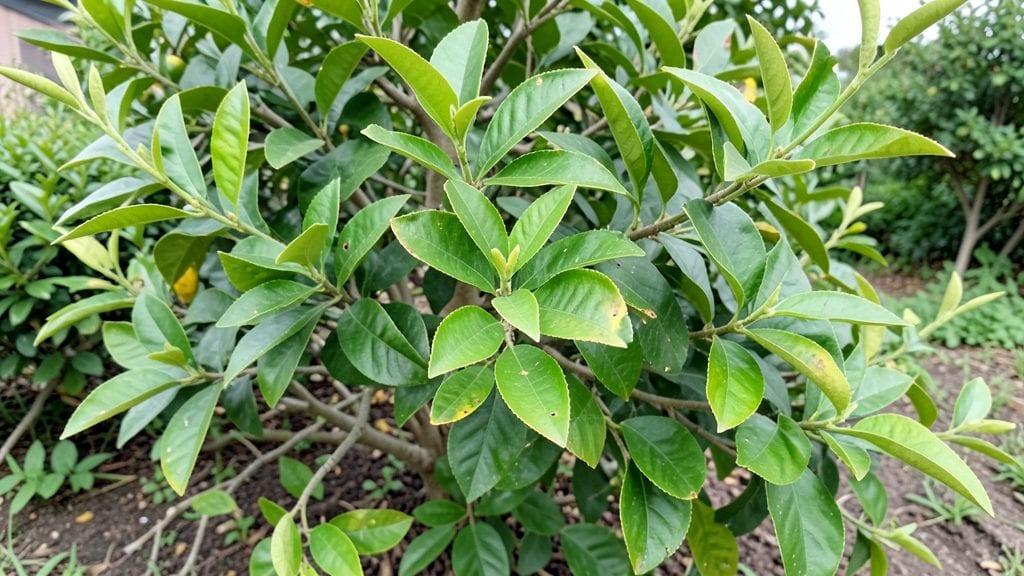
My sitaphal tree leaves—those broad, leathery greens—hold more than just ornamental value. 🌿 They’re packed with compounds that fight inflammation, stabilize blood sugar, and even support wound healing, but only if you harvest and store them right.
The moment I learned their true potential, I stopped treating them as afterthoughts and started protecting them like the medicinal goldmine they are.
Yellowing leaves? That’s usually a sign of overwatering or iron deficiency, while wilting often means your tree’s thirsty or battling mites hiding on the undersides. I’ve battled fruit flies and anthracnose too—neither is fun, but organic neem oil sprays and proper spacing can keep them at bay.
The key is acting fast when you spot the first signs of trouble, before the whole canopy turns into a stress signal.
📚 In This Guide
- What you need
- Instructions
- Tips and common mistakes
- Wrapping up and next steps
What you need
- ● Fresh Sitaphal tree leaves: Harvest at least 10-15 healthy, mature leaves (preferably from organic trees to avoid pesticides). Aim for bright green, firm leaves without blemishes.
- ● Sharp pruning shears or scissors: A sterilized pair to avoid damaging the tree or spreading disease.
- ● Clean, breathable cloth or paper towels: For gently wiping leaves to remove dirt or sap.
- ● Air-tight container or paper bags: For storing fresh or dried leaves (choose glass jars or cotton bags to prevent moisture buildup).
- ● Drying rack or mesh screen: A well-ventilated area (like a shaded porch or dehydrator) to dry leaves evenly.
- ○ Labeling tags or masking tape: To mark containers with the harvest date (optional but helpful for tracking freshness).
- ● Mortar and pestle: For crushing dried leaves into a fine powder for teas or pastes.
- ● Food-grade essential oil extractor (if applicable): For those interested in extracting Sitaphal’s aromatic oils (requires additional research).
- ● Digital scale: To measure 0.5–1 gram of dried leaves for precise medicinal dosages.
- ● Herbal tea infuser or fine-mesh strainer: For brewing leaves into soothing teas.
How to harvest and use sitaphal tree leaves for medicinal benefits
Here's my go-to method for harvesting and preparing sitaphal leaves—simple, effective, and perfect for home remedies.
🌿 Step 1: Identify Mature Leaves for Harvesting
Choose only healthy, fully mature leaves from the sitaphal tree (Sitophala acuta or Annona squamosa). Look for leaves that are deep green, free of spots or yellowing, and about 4-6 inches long. The best time to harvest is in the early morning when the leaves are hydrated and packed with nutrients.
Gently twist or cut the leaves from the stem using clean, sharp pruning shears to avoid damaging the plant. Avoid harvesting more than one-third of the leaves at a time to ensure the tree remains healthy and continues producing leaves for future use. I like to harvest leaves from the lower branches first, as they tend to be larger and more mature.
🌿 Step 2: Wash and Prepare the Leaves
Once harvested, rinse the leaves thoroughly under cool running water to remove any dirt, insects, or debris. Use your fingers to gently clean the undersides of the leaves, where pests often hide. Pat them dry with a clean towel or let them air-dry completely before proceeding.
For fresh use, you can chop the leaves finely with a sharp knife or blend them into a paste. If you're drying the leaves for later use, spread them out on a clean, dry surface or hang them in a well-ventilated area away from direct sunlight. Drying takes about 3-5 days, depending on humidity levels. Once fully dry, store the leaves in an airtight container in a cool, dark place.
🌿 Step 3: Process Leaves for Medicinal Use
For a simple leaf poultice, crush the fresh or dried leaves into a paste using a mortar and pestle. Apply the paste directly to skin irritations, minor wounds, or insect bites to soothe and promote healing. Sitaphal leaves are known for their anti-inflammatory and antibacterial properties, making them excellent for treating skin conditions.
To make a medicinal tea, steep 2-3 fresh or 1-2 dried leaves in 1 cup of boiling water for 5-10 minutes. Strain the liquid and drink it warm to support digestion or relieve mild respiratory discomfort. I usually prepare this tea in the morning for its refreshing and health-boosting properties.
⏰ Step 4: Store Processed Leaves for Future Use
If you’ve made a paste or tea from fresh leaves and have leftover material, store it in a small glass jar in the refrigerator for up to 3-5 days. For longer storage, freeze the paste in an ice cube tray and transfer it to a freezer bag once solid. This preserves the leaves' medicinal properties for up to 3 months.
Dried leaves can be ground into a fine powder using a spice grinder or mortar and pestle. Store the powder in an airtight container away from light and moisture. This powder can be used in teas, tonics, or even added to homemade skincare products. Label your containers with the date to keep track of freshness—powdered leaves retain their potency for about 6 months.
🌱 Step 5: Integrate Sitaphal Leaves Into Your Routine
Incorporate sitaphal leaves into your wellness routine by using them in your daily tea or applying them topically as needed. For example, I like to add a pinch of the dried leaf powder to my morning smoothie for an extra nutrient boost. You can also infuse the leaves into oils or butters for homemade salves and balms.
Remember, consistency is key. Regular use of sitaphal leaves can help maintain skin health, support digestion, and even boost your immune system. Start with small amounts to gauge your body’s response, and always consult a healthcare provider if you have any underlying health conditions or concerns.
Tips & tricks for perfect sitaphal leaf preparation
These simple yet powerful tips will help you maximize the benefits of sitaphal leaves while avoiding common pitfalls.
Timing is Everything: When making tea in Step 3, those 5-10 minutes of steeping are crucial. For maximum potency, use the full 10 minutes—this allows the leaves to fully infuse their anti-inflammatory compounds. If you prefer a milder taste, reduce to 5 minutes, but you'll sacrifice some of the medicinal benefits. The leaves should float gently in the water by the end of steeping time.
Storage Wisdom: For fresh leaves, I've found that storing them in a single layer on a paper towel-lined plate in the fridge extends their freshness by 2-3 extra days compared to stacking them. When drying leaves in Step 2, avoid direct sunlight—it can degrade some of the beneficial compounds. Instead, use indirect light or a food dehydrator set to 95°F for more consistent results.
Processing Tip: When creating your poultice in Step 3, add a tiny pinch of honey (about ¼ teaspoon) to the leaf paste. This not only enhances the healing properties but also makes application more comfortable on sensitive skin. The honey also helps preserve the paste for 1 extra day in the fridge.
Visual Cues for Freshness: Before using dried leaves, check for freshness by holding a pinch between your fingers. Fresh dried leaves should crumble easily but not turn to powder immediately. If they turn to dust at the slightest touch, they've lost most of their potency. For powdered leaves, they should retain their green color—brown or gray powder indicates oxidation and reduced effectiveness.
Pro Tips for Sitaphal Tree Leaves
- These simple yet powerful tips will help you maximize the benefits of sitaphal leaves while avoiding common pitfalls.
- Timing is Everything: When making tea in Step 3, those 5-10 minutes of steeping are crucial.
- Storage Wisdom: For fresh leaves, I've found that storing them in a single layer on a paper towel-lined plate in the fridge extends their freshness by 2-3 extra days compared to stacking them.
Frequently asked questions
Got questions about sitaphal tree leaves? You’re not alone! Here are some of the most common queries—and their answers—to help you navigate their benefits, harvesting, and uses like a pro.
Can I eat sitaphal leaves raw?
While sitaphal (customer apple) leaves are safe to use in teas, soups, or cooked dishes, they’re not typically eaten raw. Raw leaves can be slightly bitter or astringent. Always cook or steep them first to unlock their full flavor and medicinal benefits.
When is the best time to harvest sitaphal leaves?
The ideal time to harvest sitaphal leaves is during the monsoon season (June–September) or early morning after dew has dried. Young, tender leaves are richer in nutrients. Avoid harvesting after heavy pesticide use—always opt for organic or homegrown trees!
Are sitaphal leaves safe for daily consumption?
Yes, but in moderation! Sitaphal leaves are generally safe for daily use, thanks to their antioxidants and anti-inflammatory properties. Start with 1–2 teaspoons of dried leaves per cup of water and monitor your body’s response. If you have diabetes or take medications, consult a doctor first.
What can I substitute if I can’t find sitaphal leaves?
If you’re missing sitaphal leaves, try these alternatives:
- Amla (Indian gooseberry) leaves – Similar detoxifying properties.
- Neem leaves – Antibacterial and immune-boosting (use sparingly).
- Spinach or kale – For general greens in cooking (nutritional profile differs).
- Green tea leaves – For antioxidant-rich teas (milder effects).
What should I do if I experience side effects after using sitaphal leaves?
Side effects like nausea, dizziness, or skin irritation are rare but possible, especially with overconsumption. If they occur:
- Stop using immediately.
- Drink plenty of water.
- Consult a healthcare provider if symptoms persist.
Patch-test leaves topically (if using for skin) to check for allergies. When in doubt, start small!
Wrapping up and next steps
The Sitaphal tree leaves are a true gift from nature, packed with medicinal benefits and easy-to-follow harvesting techniques.
Whether you’re exploring natural remedies or simply curious about Ayurvedic wisdom, these leaves offer a simple yet powerful way to support wellness. Why not take the next step? Start by growing a Sitaphal tree in your garden or sourcing fresh leaves from a trusted supplier—your health (and future tea blends!) will thank you.
🌿 Pro Tip: Keep a small batch of dried leaves on hand for quick remedies—just like grandma used to!