
Trees
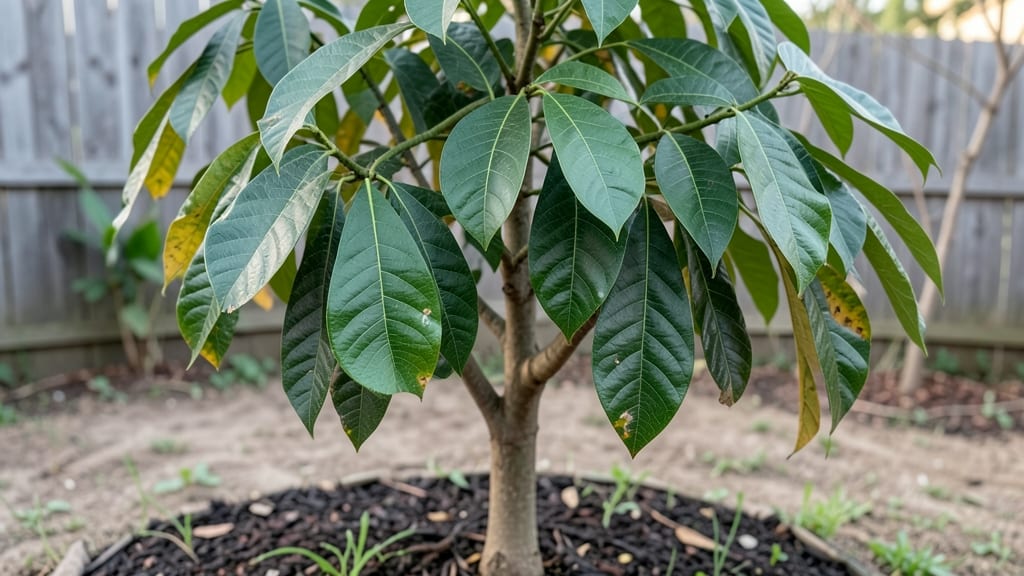
Mango tree leaves aren’t just decorative—they’re packed with medicinal benefits and easy to harvest when you know how. 🌿 I’ve used them for everything from soothing skin irritations to brewing healing teas, and the process is simpler than you’d think.
The key? Picking the right leaves at the right time and storing them properly so their properties stay potent.
Start by choosing healthy, mature leaves—look for vibrant green ones without spots or holes, which signal pests or disease. Harvest them in the morning after the dew dries but before the midday heat sets in.
Once you’ve gathered them, dry them in a shady, well-ventilated spot for about 3-5 days, flipping them occasionally to ensure even drying. This preserves their medicinal compounds for teas, poultices, or even homemade remedies.
📚 In This Guide
- What you need
- Instructions
- Tips and common mistakes
- Wrapping up and next steps
What you need
- ● Mature mango tree (Mangifera indica) – Ensure it’s healthy, at least 3–5 years old, and free of pests or diseases. 🌱
- ● Pruning shears or sharp knife – For cleanly harvesting leaves without damaging the tree. (Avoid dull tools—they can tear leaves and invite infections!)
- ○ Gloves (optional but recommended) – Protects hands from sap (which can cause skin irritation in some people) and thorns.
- ● Large bowl or basket – To collect freshly harvested leaves without crushing them.
- ● Paper bags or breathable cloth sacks – For storing leaves to maintain freshness.
- ● Labeling tags & marker – If storing leaves for later use (e.g., for tea or medicinal preparations).
- ○ Water spray bottle (optional) – Helps rinse off dust or debris before use.
- ● Identify the tree correctly – Double-check it’s a mango tree (not a lookalike like the horseradish tree) to avoid toxicity risks. 🚫
- ● Avoid pesticides/herbicides – If the tree has been treated, wait until residues wash off (rain helps!).
- ● Harvest in the morning – Leaves are freshest and most potent after dew dries but before the heat of the day.
- ● Check for allergies – If using leaves topically or internally, do a patch test first!
Instructions for harvesting and using mango tree leaves
Here's how to gather and prepare these powerful leaves the easy way—no special tools required.
🌿 Step 1: Identify and Select Healthy Leaves
Look for young, tender leaves that are deep green and free of spots or yellowing. These contain the highest concentration of beneficial compounds. I always check the undersides for tiny red mites or webbing—those leaves need to go. The best time to harvest is in the morning after dew has dried, when the leaves are fully hydrated and at peak potency.
Gently twist the leaf stem until it snaps cleanly from the branch. Avoid tearing the leaf, which can damage the delicate veins and reduce medicinal value. You'll know you've done it right when the stem pulls away with a clean break and the leaf remains intact. For a standard-sized mango tree, you can harvest about 10-12 leaves per session without harming the plant.
🌱 Step 2: Clean and Prepare the Leaves
Rinse each leaf under cool running water to remove dust, sap, or any hidden pests. Pat them dry with a clean kitchen towel or paper towel—never let them sit wet, as this encourages mold growth. I like to spread them out on a flat surface for 5-10 minutes to air-dry completely before handling further.
For immediate use, you can chop the leaves fresh. Use a sharp knife or clean scissors to slice them into ¼-inch strips for teas or small pieces for poultices. If you're storing them, lay the dried leaves in a single layer on a baking sheet and let them dry in a warm, shaded spot for 2-3 days, flipping them once daily. Once completely dry and crisp, store them in an airtight container away from direct sunlight.
💧 Step 3: Choose Your Application Method
For tea, steep 3-4 fresh or 1-2 dried leaves in 8 ounces of boiling water for 5-10 minutes. The longer they steep, the stronger and more bitter the tea becomes. Strain and drink 1-2 times daily for general wellness or as a digestive aid. You'll notice a slightly sweet, earthy flavor with a hint of tartness—this is normal and indicates the leaves are potent.
For topical use, crush 4-5 fresh leaves into a paste and apply directly to skin irritations, insect bites, or minor wounds. The leaves release a soothing compound that helps reduce inflammation. Cover with a clean bandage if treating a wound, and reapply 2-3 times daily until the issue improves. Always do a patch test first—some people experience mild sensitivity.
☀️ Step 4: Store for Future Use
Keep dried leaves in a glass jar with a tight-sealing lid in a cool, dark place. Properly stored, they'll retain their medicinal properties for up to 6 months. I label my jars with the date and harvest batch to track freshness. If you notice the leaves losing their vibrant green color or developing a musty smell, it's time to replace them.
For long-term storage, you can also grind dried leaves into a fine powder using a clean coffee grinder or mortar and pestle. Store the powder in small portions to avoid repeated exposure to air. This powder can be mixed into coconut oil for a medicinal oil or added to smoothies for a nutrient boost. Just remember—start with small amounts to gauge your body's response.
Tips & tricks for perfect mango tree leaves preparation
Harvesting and using mango tree leaves is simpler than you think—these tricks will help you get the most out of every leaf.
Leaf Selection Secret: In Step 1, focus on the youngest leaves near the top of the tree—they're the most tender and potent. Look for leaves that are about 3-4 inches long with smooth edges and no visible damage. Older leaves tend to be tougher and less effective, so skip those. I've learned that harvesting from the outer branches gives me the freshest leaves without stressing the tree.
Cleaning Technique: When rinsing leaves in Step 2, use lukewarm water instead of hot to preserve their delicate compounds. After patting them dry, I like to gently shake each leaf over a clean towel to remove any remaining moisture—this prevents mold growth during storage. The 5-10 minute air-drying period is crucial; don't rush this step even if you're eager to use them.
Storage Wisdom: For long-term storage in Step 4, I recommend using amber glass jars instead of clear ones—they protect the leaves from light degradation. If you notice any condensation inside the jar after sealing, leave it open for 10 minutes to prevent mold. The 6-month shelf life assumes proper storage, but I've found leaves stored in a cool pantry (around 65°F) last even longer.
Application Tip: When making tea in Step 3, start with 3 minutes of steeping time to gauge strength—you can always steep longer if needed. For topical use, I crush the leaves with a mortar and pestle until they release their juices, then mix with a tiny bit of aloe vera gel to enhance absorption (optional but helpful). Always do that patch test—some people's skin reacts differently to the compounds in these leaves.
Pro Tips for Mango Tree Leaves
- Harvesting and using mango tree leaves is simpler than you think—these tricks will help you get the most out of every leaf.
- Leaf Selection Secret: In Step 1, focus on the youngest leaves near the top of the tree—they're the most tender and potent.
- Cleaning Technique: When rinsing leaves in Step 2, use lukewarm water instead of hot to preserve their delicate compounds.
Frequently asked questions
Got questions about mango tree leaves?
You’re not alone! Here are some of the most common queries—and their simple, practical answers—to help you make the most of these versatile leaves.
When is the best time to harvest mango tree leaves?
The ideal time is before the mango fruit ripens, usually in spring or early summer. Young, tender leaves are more potent for medicinal uses, while mature leaves work well for culinary purposes. Avoid harvesting during heavy pesticide seasons for safety.
Can mango tree leaves be used fresh or do they need to be dried?
Both! Fresh leaves are great for poultices or teas (just steep 3–4 leaves in hot water for 10 mins). For long-term use, dry them in shade or a dehydrator—crush dried leaves for powders or store them in airtight containers for up to 6 months.
Are there any side effects or precautions when using mango leaves?
Generally safe, but moderation is key. Large doses may cause mild stomach upset or allergic reactions (rare). Avoid if you’re pregnant, breastfeeding, or on blood thinners. Always do a patch test for topical use to check for sensitivity.
How can I substitute mango leaves in recipes if I can’t find them?
If you’re missing the earthy, slightly tangy flavor, try:
- Kaffir lime leaves (similar aroma, milder taste)
- Pandan leaves (fragrant, works in desserts)
- Spinach or collard greens (for a mild, green base in soups)
Why are my mango tree leaves turning yellow or brown?
Yellowing (chlorosis) often signals nutrient deficiency (iron/zinc) or overwatering. Brown edges? It could be underwatering, pests, or fungal issues. Check soil moisture, inspect leaves for mites, and fertilize with a citrus-specific blend if needed.
Wrapping up and next steps
Mango tree leaves are a true natural treasure—packed with medicinal benefits and easy to harvest! From soothing skin irritations to aiding digestion, these leaves offer a simple, eco-friendly way to boost wellness.
Whether you’re a gardener or a wellness enthusiast, their versatility makes them a must-have in your DIY health toolkit.
Ready to put their power to work? Start small: try a soothing leaf poultice or brew a healing tea today! 🌿 With just a few leaves from your backyard (or a local tree), you’re one step closer to harnessing nature’s pharmacy—naturally and effortlessly.