
Pruning
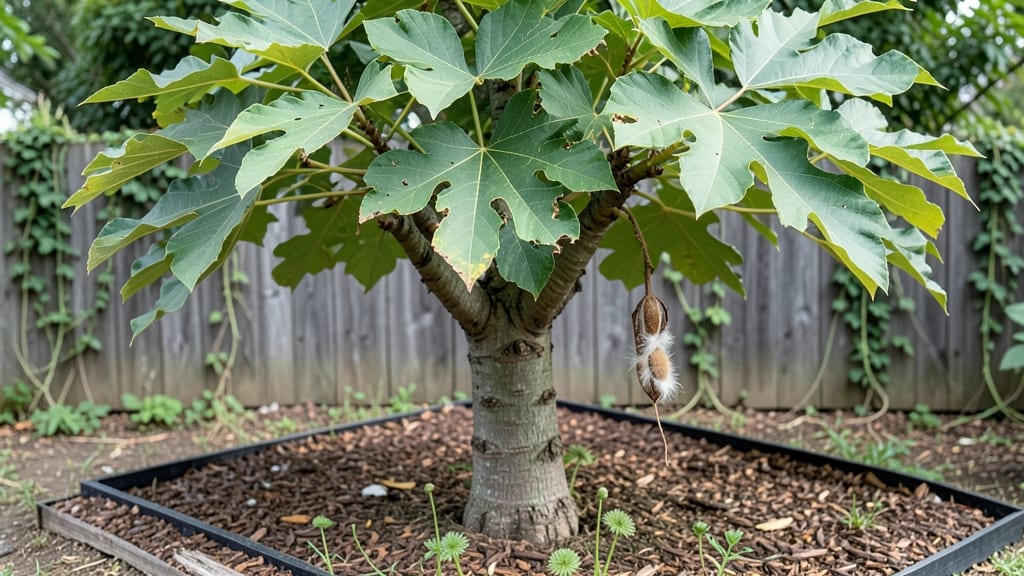
The silk floss tree’s cotton-candy fruit is the Pacific Northwest’s secret hummingbird magnet—and it’s edible too. 🌿 I planted mine three years ago after spotting it at a local nursery, and now the tree’s fluffy seed pods draw birds while the young fruit tastes like a sweet, citrusy surprise.
The key to growing this tropical beauty in cooler climates? Mimicking its native humidity and sheltering it from harsh winds.
You’ll need a spot with morning sun and afternoon shade, well-draining soil mixed with compost, and regular watering—especially in summer. The tree thrives in USDA zones 9-11, but container growing works for zones 8 and cooler if you bring it indoors during winter.
Patience is key: it can take 3-5 years before the tree produces fruit, but once it does, the harvest is worth the wait.
When ripe, the fruit’s soft, cottony interior tastes like a mix of sweet potato and citrus—great for jams, teas, or fresh snacking. The floss itself is edible too, though it’s more of a garnish than a main ingredient.
Just be prepared for a messy harvest: the pods explode when mature, scattering fluff everywhere. Wear gloves and harvest early in the morning to avoid the floss cloud.
Watch for scale insects on young trees and keep the soil consistently moist but not soggy. In colder zones, overwintering indoors with a grow light prevents dieback. With the right care, your silk floss tree will become the star of your garden—and the hummingbirds’ favorite stopover.
📚 In This Guide
- What you need
- Instructions
- Tips and common mistakes
- Wrapping up and next steps
What you need
- ● Pruning shears: Bypass pruners (for cuts up to ½ inch thick) – 1 pair (ensure they’re sharp and clean!).
- ● Loppers: For thicker branches (½–2 inches) – 1 pair (look for ergonomic handles for comfort).
- ● Pruning saw: For branches over 2 inches in diameter – 1 handheld or folding saw (avoid rust; carbon steel blades last longer).
- ● Disinfectant: 70% isopropyl alcohol or a blank">pruning sealant (to prevent disease spread) – small bottle.
- ● Gloves: Heavy-duty gardening gloves (to protect from thorns and sap) – 1 pair (nitrile-coated for grip).
- ● Ladder or step stool: For high branches (extendable or sturdy) – 1 unit (safety first—check stability!).
- ● Trash bags: Heavy-duty for debris – 2–3 large bags (or a wheelbarrow if you’re ambitious!).
- ● Hand pruners: For precision trimming of small branches – 1 pair (great for detail work!).
- ● Extension pole saw: For hard-to-reach branches without a ladder – 1 unit (saves your back!).
- ● Marking twine or spray paint: To tag branches for future reference – small roll.
- ● First-aid kit: Bandages and antiseptic wipes (just in case!) – mini kit.
- ● Notebook: To jot down pruning notes or sketch your tree’s structure – 1 small notebook.
- ● ✅ Timing: Prune in late winter or early spring (before new growth starts) or immediately after fruiting (summer).
- ● ✅ Weather: Choose a dry, calm day (no rain for 24 hours before/after pruning).
- ● ✅ Safety gear: Wear closed-toe shoes and eye protection (sap and debris can fly!).
- ● ✅ Tree knowledge: Familiarize yourself with the silk floss tree’s blank">growth habits (e.g., avoid over-pruning—these trees thrive with open canopies).
How to grow and harvest edible silk floss tree fruit in the Pacific Northwest
This isn't just a pretty tree—it feeds hummingbirds and produces edible fruit. Here's how to cultivate it successfully.
🌱 Step 1: Choose the Right Location and Planting Time
The silk floss tree thrives in the Pacific Northwest's mild climate but needs the right spot. Pick a location with partial shade—morning sun and afternoon shade works best—since full sun can scorch its delicate leaves. The tree handles USDA Zones 7-9, making it perfect for PNW gardens.
Plant in early spring or fall when temperatures are mild. The soil should be well-draining but moist, so amend heavy clay with 2-3 inches of compost before planting. Dig a hole twice as wide as the root ball but only as deep—planting too deep can suffocate the roots.
☀️ Step 2: Prepare the Soil and Plant the Tree
Silk floss trees prefer slightly acidic to neutral soil with a pH between 6.0 and 7.0. Test your soil and adjust with sulfur or lime if needed. Mix the top 6 inches of soil with 1 part compost to improve fertility and drainage.
Place the tree in the hole so the top of the root ball sits 1 inch above ground level. Backfill with native soil, pressing gently to remove air pockets. Water deeply to settle the soil around the roots. Mulch with 2-3 inches of wood chips, keeping it 6 inches away from the trunk to prevent rot.
💧 Step 3: Water and Fertilize for Healthy Growth
Water newly planted trees once a week for the first 6 months, providing 1-2 gallons per week depending on rainfall. After establishment, the tree tolerates drought but produces better fruit with consistent moisture. You'll know it's getting enough water when the soil feels damp 2-3 inches down.
Fertilize in early spring with a balanced 10-10-10 fertilizer, applying ½ cup per inch of trunk diameter. Avoid high-nitrogen fertilizers—they encourage leafy growth at the expense of fruit. Spread fertilizer evenly in a circle around the drip line, then water deeply to help it absorb.
✂️ Step 4: Prune and Maintain for Fruit Production
Prune in late winter or early spring before new growth begins. Remove dead, diseased, or crossing branches first. Then, thin the canopy to improve airflow and sunlight penetration. Aim to keep the tree open and airy—this encourages more fruit production and reduces pest issues.
Watch for white, fluffy seed pods in summer, which are the tree's signature feature. These aren't the fruit you eat, but they attract hummingbirds and other pollinators. The actual edible fruit appears as small, red or orange berries in late summer or fall. Harvest them when fully colored but still firm for the best flavor.
🍓 Step 5: Harvest and Enjoy the Edible Fruit
Pick the berries by hand when they're ripe—usually between August and October in the Pacific Northwest. Gently twist them off the branches or use pruning shears for clusters. The fruit is small but packed with flavor, often described as a mix of tart and sweet, similar to a cross between a cranberry and a raspberry.
Use the berries fresh in salads, sauces, or as a garnish. They also freeze well for later use—simply spread them on a tray to freeze solid, then transfer to a bag. Store in the freezer for up to 6 months. The tree will continue producing fruit for years with proper care, making it a rewarding addition to any PNW garden.
Tips & tricks for perfect silk floss tree fruit cultivation
These simple strategies will help you maximize fruit production and keep your silk floss tree thriving in the Pacific Northwest.
Location Secret: While partial shade is ideal, I've found that adding a bit of afternoon shade using a sheer fabric screen can be a game-changer if your yard only gets morning sun. The delicate leaves can get sunburned, and this extra protection pays off with healthier growth and better fruit set. Also, avoid planting near large trees that will compete for nutrients and water.
Soil Prep Strategy: Before mixing compost into the top 6 inches of soil, I recommend adding a handful of worm castings to the planting hole. The beneficial microbes in worm castings help establish a strong root system right from the start. For heavy clay soils, consider adding some coarse sand to improve drainage without compromising moisture retention.
Watering Wisdom: The "damp 2-3 inches down" test is perfect, but here's what I do: I insert a screwdriver into the soil at the base of the tree. If it slides in easily, it's too wet. If it meets resistance, it's time to water. This method gives you a more precise reading than just feeling the soil. Also, water deeply in the morning to prevent fungal issues that can develop from evening moisture.
Pruning Pro Tip: When thinning the canopy in Step 4, look for branches that grow inward or cross each other—these are the first to remove. But here's what nobody tells you: Cut just outside the branch collar (the swollen area where the branch meets the trunk) to prevent damage to the tree's healing mechanism. I also prune on a dry day to reduce the risk of spreading any fungal spores that might be present.
Pro Tips for Silk Floss Tree Fruit Edible
- These simple strategies will help you maximize fruit production and keep your silk floss tree thriving in the Pacific Northwest.
- Location Secret: While partial shade is ideal, I've found that adding a bit of afternoon shade using a sheer fabric screen can be a game-changer if your yard only gets morning sun.
- Soil Prep Strategy: Before mixing compost into the top 6 inches of soil, I recommend adding a handful of worm castings to the planting hole.
Frequently asked questions
Got questions about the edible fruit of the silk floss tree (Ceiba pentandra)? Whether you're curious about harvesting, safety, or alternatives, we’ve got you covered. Here are some of the most common queries from gardeners and foragers in the Pacific Northwest:
Is silk floss tree fruit actually safe to eat?
The fruit pods of the silk floss tree are technically edible when fully ripe, but they’re not a common food source. The seeds inside are toxic if consumed raw, so only the fleshy pulp (when soft and yellow) is safe in small amounts. Always cook or ferment it to reduce risk. Locals often compare the taste to squash or cucumber—mild and slightly sweet!
When is the best time to harvest the fruit?
Harvest silk floss tree fruit in late summer to early fall (August–October in the PNW) when the pods turn yellow and soften. Avoid green or hard pods—they’re underripe and bitter. Look for pods that yield slightly when pressed; this indicates peak ripeness. Pro tip: Harvest early in the morning for the best flavor!
What can I do with silk floss tree fruit if I don’t want to eat it?
If you’re not keen on eating it, don’t toss the pods! Here are a few creative uses:
- Composting: Chop ripe pods into your compost bin—they break down easily.
- Natural dye: The yellow pulp can create a soft dye for fabrics (great for eco-friendly projects!).
- Wildlife feed: Leave some on the tree to attract birds and hummingbirds (they love the seeds!).
- Art/crafts: The floss fibers can be used for stuffing or textile projects (though they’re delicate).
What should I do if I accidentally eat unripe silk floss tree fruit?
If you’ve consumed unripe or hard pods, monitor for symptoms like nausea, vomiting, or stomach cramps. While the seeds are the main concern, the raw pulp can also cause mild digestive upset. If symptoms persist, contact Poison Control or a healthcare provider. Prevention tip: Always confirm ripeness by pressing the pod—it should feel soft like a ripe avocado.
Are there non-toxic alternatives to silk floss tree fruit in the PNW?
If you’re looking for edible alternatives that thrive in the Pacific Northwest, consider these local options:
Plant
Edible Part
Season
Pacific Dogwood (Cornus nuttallii)
Berries (cooked)
Fall
Oregon Grape (Mahonia aquifolium)
Berries (raw or cooked)
Late summer
Blackberry (Rubus spp.)
Fruit (ripe)
Summer–Fall
Salal (Gaultheria shallon)
Berries (raw or baked)
Summer–Fall
These plants are non-toxic and widely available in the PNW—perfect for foraging or landscaping!
Wrapping up and next steps
The silk floss tree isn’t just a stunning ornamental—it’s a functional gem for Pacific Northwest gardens, offering edible fruit and a hummingbird magnet all in one! 🌿 With its low-maintenance care and versatile uses (from pruning to harvesting), it’s a win-win for both your landscape and your palate.
Ready to plant one? Start by sourcing a sapling, choosing the right spot, and planning your first pruning session—your garden (and hummingbirds!) will thank you.