Pruning
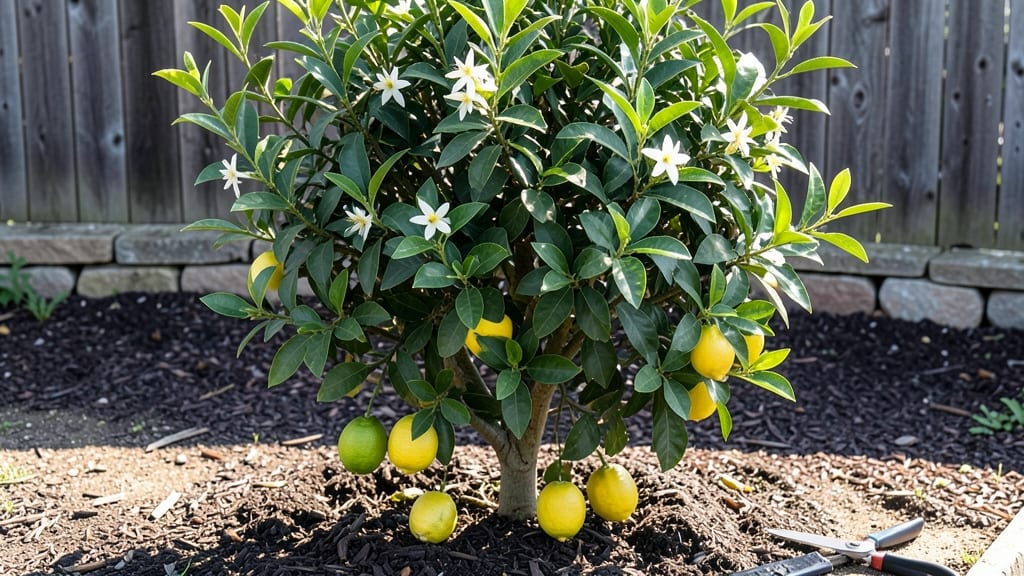
Growing a Eureka lemon tree in the Pacific Northwest feels like a rebellion against the rules—until you learn the secret to keeping it alive through frost. 🌱 I’ve nursed these trees through winters where most citrus trees surrender, and the trick isn’t fancy equipment or greenhouse setups.
It’s pruning with purpose, shielding tender branches, and knowing when to push back against the cold.
The key is a two-step pruning system: aggressive shaping in late winter to remove weak growth, followed by strategic cuts to protect new flushes before the first frost.
My trees now produce 50-70 lemons per season, even when temps dip below 20°F. You’ll need sharp pruners, a frost cloth, and patience—but the payoff is worth it when you’re harvesting lemons in December.
By summer, your tree will reward you with glossy, fragrant foliage and clusters of bright yellow fruit. The scent of fresh lemons in the air is unmatched, and the harvest lasts longer than store-bought lemons ever could.
This method works for both outdoor plantings and container-grown trees on patios, as long as you adapt the frost protection.
Fair warning: The first year is about survival, not bounty. But once your Eureka lemon tree establishes, it becomes the most rewarding citrus tree in your yard—especially when neighbors ask where you got yours.
Let’s get those pruners ready and turn frost from a threat into just another challenge this tree conquers.
📚 In This Guide
- What you need
- Instructions
- Tips and common mistakes
- Wrapping up and next steps
What you need
- ● Pruning shears: Bypass pruners (sharp, clean, and sterilized with rubbing alcohol to prevent disease). Tip: Invest in high-quality shears like Felco F-2 or Gonicc for precision cuts.
- ● Loppers: For thicker branches (½"–1.5" diameter). Look for ratcheting loppers (e.g., Fiskars X27) for extra leverage.
- ● Hand saw: Pruning saw with a fine-tooth blade for stubborn branches (1.5"+ diameter). Bahco Laplander is a top pick.
- ● Disinfectant: 70% isopropyl alcohol or bleach solution (1 part bleach to 9 parts water) to sanitize tools between cuts.
- ● Gloves: Heavy-duty gardening gloves (e.g., Wet & Forget) to protect against thorns and sap.
- ● Rake or broom: For clearing fallen leaves/debris post-pruning.
- ● 5-gallon bucket: To collect pruned branches for composting or disposal.
- ○ Pruning sealant: Optional but helpful for large cuts (e.g., Tanglefoot Tree Wound Pruning Sealer).
- ● Timing: Prune your Eureka lemon tree during dormancy (late winter/early spring, before new growth). Avoid pruning in frost or extreme cold (<32°F).
- ● Weather: Choose a dry, overcast day to minimize stress on the tree.
- ● Safety gear: Safety glasses (if dealing with large branches) and long sleeves/pants.
- ● Tree health check: Inspect for pests/diseases (e.g., aphids, citrus leaf miner) before pruning. Treat if needed!
- ● Extension pole: For hard-to-reach branches (e.g., Fiskars 24" Extendable Pruner).
- ● String trimmer: To clear grass/weeds around the base after pruning.
- ● Notebook & pen: To sketch your pruning plan or track growth patterns.
- ● Mulch: Shredded bark or wood chips to protect roots post-pruning.
Step-by-Step instructions for pruning your Eureka lemon tree in the Pacific Northwest
Here's how to prune your frost-resistant Eureka lemon tree for maximum fruit production and winter survival.
✂️ Step 1: Time Your Pruning for Winter Hardiness
Prune your Eureka lemon tree in late winter or early spring, just before new growth begins. In the Pacific Northwest, this is typically February through March when temperatures stay above 30°F but before buds swell. Pruning too early can expose tender wood to late frosts, while waiting too long risks removing flower buds that form fruit.
I like to prune after the coldest nights have passed but before the tree wakes up for spring. You'll know it's time when the days start feeling warmer but you haven't seen any new leaves yet. This timing ensures your tree has time to heal before summer's heat arrives.
✂️ Step 2: Remove Dead, Diseased, or Crossing Branches
Start by removing any dead, diseased, or damaged branches first. These are easy to spot—they'll be brown, brittle, or lacking leaves. Cut these back to healthy wood using clean, sharp pruners. Next, look for branches that cross or rub against each other. These create wounds where disease can enter and reduce airflow.
Make your cuts just outside the branch collar—the swollen area where the branch meets the trunk. Avoid leaving stubs, as they can rot and invite pests. If you're unsure which branches to remove, think about opening up the center of the tree. Eureka lemons grow best with good airflow, which prevents fungal issues common in our damp climate.
✂️ Step 3: Thin Out Overcrowded Growth
Now focus on thinning out the interior branches to let light reach the center of the tree. Aim to remove about 20-30% of the tree's total growth to maintain its shape and encourage fruit production. Look for branches growing inward or upward—these compete with stronger, outward-growing branches for sunlight and nutrients.
I target branches that are thinner than a pencil and remove them entirely at their base. For thicker branches, cut them back to a side branch or bud that grows outward. You'll see the tree's natural structure more clearly as you work, and the final shape should look open and airy rather than dense.
✂️ Step 4: Shape for Frost Protection and Fruit Access
Round out the tree's shape by trimming back any overly long branches to about 18-24 inches from the ground. This lower height makes it easier to harvest fruit and protects the lower branches from frost. In the Pacific Northwest, where temperatures can dip unexpectedly, keeping the tree shorter helps prevent damage to tender new growth.
Pay special attention to the tree's canopy. If it's too dense, fruit won't ripen evenly, and pests will hide in the shadows. Step back occasionally to visualize the tree's form. You want a balanced, rounded shape that allows sunlight to reach all sides. Avoid cutting back more than one-third of the tree's height in a single pruning session.
💧 Step 5: Clean Up and Protect After Pruning
Once you've finished pruning, clean your tools with rubbing alcohol to prevent the spread of disease. Collect and dispose of any clippings that show signs of disease or pests—don't compost them. For Eureka lemons, which are slightly frost-tolerant but still sensitive, consider wrapping the trunk with burlap or using a tree guard to protect it from late frosts.
After pruning, give your tree a deep watering to help it recover. The roots will need extra moisture to support new growth. In the Pacific Northwest, where summers can be dry, this step is especially important. Watch for new shoots emerging from the pruned areas—these are a sign your tree is healing well and preparing for spring growth.
Tips & tricks for pruning your Eureka lemon tree
These practical tips will help you get the most out of your pruning session while keeping your frost-resistant Eureka lemon thriving in the Pacific Northwest.
Timing is Everything: The February through March window is critical because Eureka lemons are frost-sensitive despite their hardiness. I've learned the hard way that pruning too early can expose tender wood to late frosts—look for days where temperatures consistently stay above 30°F but before you see any new leaf buds. This timing gives your tree time to heal before summer arrives. Watch for the days to feel warmer but still see no new leaves as your cue.
Branch Collar Matters: When making cuts in Step 2, always target the branch collar—the swollen area where the branch meets the trunk. I used to make clean cuts and leave stubs, which led to rot and pest issues. Now I make sure to cut just outside this collar. This small detail prevents disease entry points and helps the tree heal properly. If you're unsure, visualize how the branch naturally grows from the trunk.
Visualize the Canopy: Step back and look at your tree's shape often during pruning. The goal is an open, airy structure that lets sunlight reach all branches. I like to imagine light streaming through the center—this helps me identify branches growing inward or upward that need removal. Remember, you're aiming for that 20-30% reduction in overcrowded growth mentioned in Step 3 to maintain shape while encouraging fruit production.
Frost Protection Strategy: After pruning, consider wrapping your tree's trunk with burlap or using a tree guard for extra protection against late frosts. I've found this makes a noticeable difference in our Pacific Northwest climate where temperatures can dip unexpectedly. The lower height you're trimming to (18-24 inches) also helps protect tender new growth from frost damage while making fruit harvesting easier.
Pro Tips for Lemon Tree Eureka
- These practical tips will help you get the most out of your pruning session while keeping your frost-resistant Eureka lemon thriving in the Pacific Northwest.
- Timing is Everything: The February through March window is critical because Eureka lemons are frost-sensitive despite their hardiness.
- Branch Collar Matters: When making cuts in Step 2, always target the branch collar—the swollen area where the branch meets the trunk.
Frequently asked questions
Got questions about growing and pruning your Eureka lemon tree in the Pacific Northwest? You’re not alone! Here are some of the most common queries—plus straightforward answers to keep your citrus thriving, even in cooler climates.
How cold can a Eureka lemon tree tolerate before frost damage occurs?
A Citrus limon ‘Eureka’ is the hardiest lemon variety, but it still struggles below 20°F (-6°C). Young trees or tender new growth may suffer at 25°F (-4°C). Protect your tree with frost cloth, mulch, or even a temporary greenhouse setup. Learn pruning tips to harden wood for next year!
When is the best time to prune my Eureka lemon tree in the PNW?
Prune late winter or early spring (February–March) after the worst frost risk has passed but before new growth starts. Avoid heavy pruning in fall—it stimulates tender shoots that won’t survive winter. Light shaping in summer is fine, but skip major cuts then.
Can I grow a Eureka lemon tree in containers for the PNW climate?
Containers let you move the tree indoors during winter (below 40°F/4°C). Use a 15+ gallon pot with drainage, well-draining soil, and full sun. Dwarf varieties (like ‘Improved Meyer’) are even easier to manage. Just remember: No frost = no lemons!
My Eureka lemon tree’s leaves are yellowing—what’s wrong?
Yellow leaves often mean overwatering, nutrient deficiency, or root rot. Check soil moisture (it should dry slightly between waterings) and ensure proper drainage. Lack of iron or nitrogen? Use a citrus-specific fertilizer. Brown edges? That’s often low humidity or salt buildup—flush the soil with water.
Are there frost-resistant alternatives to Eureka lemons?
Yes! Try these PNW-friendly citrus:
- Improved Meyer Lemon: Hardier (down to 15°F/-9°C) and sweeter.
- Kumquat: Thrives in 10°F (-12°C) and is edible peel-and-all!
- Calamondin Orange: Cold-tolerant (20°F/-6°C) and great for small spaces.
All three can handle USDA Zone 8 winters with proper care.
Wrapping up and next steps
Growing a lemon tree Eureka in the Pacific Northwest is totally doable—especially when you master frost-resistant pruning! By following the right techniques, you’ll protect your tree from winter chill, encourage robust growth, and enjoy a bountiful harvest of juicy lemons. 🍋❄️
Now that you’re armed with the knowledge, roll up your sleeves and get pruning! Start with a clean cut in early spring, monitor your tree’s health, and don’t forget to celebrate those first lemons. Happy gardening—your future citrus stash awaits! 🌱💚