
Trees
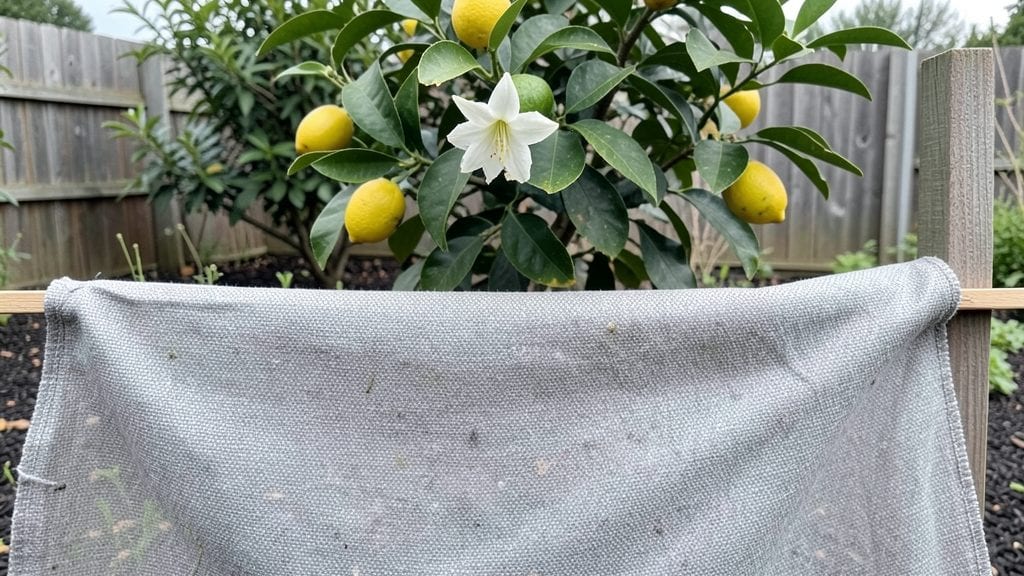
Citrus trees need shade cloth when summer sun turns their leaves into crispy lace. 🌿 I learned this the hard way when my Meyer lemon tree looked like it had been left in a sauna—until I draped 30% shade cloth over it.
Within weeks, the new growth stayed vibrant, and the fruit didn’t develop those unsightly brown patches.
The right shade cloth makes all the difference. You’ll want a lightweight, UV-stabilized fabric that lets in just enough light for photosynthesis while blocking the harshest rays.
A 30-50% shade range works best for most citrus varieties, depending on your climate—hotter areas lean toward 50%, while milder zones can start with 30%. Installation is simple: wrap it loosely around the tree or drape it overhead like a canopy, securing it with stakes or clips.
What you’ll notice first is healthier foliage—deep green, glossy leaves instead of scorched edges. Over time, this translates to better fruit set and sweeter, more uniform harvests. The cloth also deters some pests by making the tree less stressed, though it won’t replace proper pest management.
Plus, it extends the growing season by protecting young trees from intense afternoon sun.
Seasonal adjustments matter: remove the cloth in cooler months or use a retractable system for flexibility. For container-grown citrus, lightweight mesh works well, while larger trees benefit from larger, freestanding frames. Start small—one tree at a time—and watch how your harvest transforms.
📚 In This Guide
- What you need
- Instructions
- Tips and common mistakes
- Wrapping up and next steps
What you need
- ● Shade cloth: Choose a 30-50% shade cloth (50% for hot climates, 30% for milder areas). Measure the area to cover—typically 10’x10’ or larger, depending on your tree’s canopy size. Pro tip: 💡 Opt for UV-stabilized fabric to prevent degradation.
- ● T-posts or stakes: 4-6 stakes (6 ft tall) for securing the cloth. Use galvanized steel for durability.
- ● Bungee cords or zip ties: 10-15 pieces (1/2” width) to attach cloth to stakes.
- ● Measuring tape: For precise cloth sizing and stake placement.
- ● Scissors or utility knife: To trim cloth to size.
- ● Adjustable shade cloth frames: For easy height/angle changes as your tree grows.
- ● Reflective mulch: To reduce heat absorption around the tree base.
- ● Drip irrigation kit: To keep roots hydrated under the shade.
- ● Windbreaks: If your area is breezy, add mesh panels to prevent flapping.
How to install shade cloth for citrus trees safely
Here's the straightforward method I use to protect citrus trees from harsh afternoon sun—without stunting growth.
🪴 Step 1: Measure and Select the Right Shade Cloth
Citrus trees need 30-50% shade cloth for sunburn protection, depending on your climate. Measure the area you want to cover, including the tree's height and any branches that extend outward. I like to add 12-18 inches of extra fabric on all sides to ensure full coverage, even as the tree grows. For a 4-foot tall tree, you’ll need at least a 6x8-foot piece of cloth.
Check the shade rating—30% blocks 30% of sunlight, while 50% blocks 50%. In hot, desert climates, I go with 50% for young trees, while 30% works well in coastal areas with mild afternoons. Avoid cheap plastic netting; it traps too much heat and can damage leaves.
💧 Step 2: Install Support Frames for Even Coverage
Use T-posts or sturdy stakes to create a frame around the tree, about 2 feet outside the canopy. Drive them into the ground at 18-inch intervals along the perimeter. For larger trees, add cross-braces between posts to prevent sagging. I like to use galvanized metal tubing for durability—it won’t rust like wood over time.
Attach the shade cloth to the frame using clips or bungee cords, starting at the top and working downward. Leave 6-8 inches of slack at the bottom to allow for airflow and easy removal during cooler months. If your tree is near a fence, secure the cloth to the fence with zip ties to keep it taut and prevent flapping in the wind.
☀️ Step 3: Position for Maximum Sun Protection
Install the shade cloth on the south or west side of the tree, where the sun is strongest in the afternoon. If your tree is in a full-sun location, you may need coverage on three sides—just avoid blocking all sunlight, which weakens the tree. For young citrus trees, I often use a partial cover that shields the most vulnerable branches while allowing some direct light for photosynthesis.
Check the fit after installation—gaps let in too much sun, while a snug fit can restrict growth. Adjust the cloth as the tree grows, adding more fabric or raising the frame if needed. If you notice leaves turning yellow or crispy on the edges, the shade cloth isn’t blocking enough light—consider a denser rating.
✂️ Step 4: Maintain and Adjust Seasonally
Remove the shade cloth in late fall or early winter when temperatures drop below 50°F. Citrus trees need some winter sun to harden off for spring growth. I mark the installation date on a calendar so I don’t forget—leaving it on too long can lead to weak, leggy growth. Before reinstalling in spring, inspect the cloth for tears or fading and replace it if it’s worn out.
Clean the cloth annually with a mild soap and water solution to remove dust and debris that can block airflow. Store it in a dry place if you remove it for the season. If your tree outgrows the current setup, expand the frame gradually—don’t rush, or you’ll end up with gaps that defeat the purpose.
Tips & tricks for perfect citrus tree shade cloth installation
Here's what I've learned after protecting my own citrus trees from sunburn—these tricks make all the difference between a healthy harvest and struggling plants.
The Shade Cloth Rating Game: In Step 1, remember that the percentage rating isn't just about shade—it's about balance. That 30% cloth blocks 30% of sunlight but still allows plenty for photosynthesis. For young trees in desert climates, I've found that 50% works better than 30% because the intense sun can actually cook the leaves. The key is to start with the right rating for your specific microclimate.
Frame Stability Secret: When building your support frame in Step 2, don't just eyeball the 2-foot spacing outside the canopy. Use a tape measure to ensure consistent spacing—uneven frames create gaps where sun sneaks through. For windy areas, I add diagonal cross-braces between every other post to prevent flapping that can tear the cloth. Galvanized metal tubing is worth the investment because it won't warp like wood or rust like cheap alternatives.
Positioning Matters More Than You Think: In Step 3, resist the urge to cover the entire tree—especially on the north side where sun exposure is minimal. I've seen gardeners completely wrap trees, which actually stresses them by blocking necessary light. For most citrus trees, focusing on the south or west sides gives perfect protection without weakening growth. If your tree is in full sun, three sides is ideal, but always leave some direct light for photosynthesis.
Seasonal Timing is Critical: That 50°F threshold in Step 4 isn't just arbitrary—it's when citrus trees naturally enter their winter dormancy. Removing the shade cloth too early can expose tender new growth to frost damage. I mark the installation date on my calendar with a bright sticker so I don't forget. Pro tip: If you live in a mild winter zone where temperatures rarely drop below 50°F, you might need to leave the shade cloth on year-round for young trees.
Pro Tips for Shade Cloth For Citrus Trees
- Here's what I've learned after protecting my own citrus trees from sunburn—these tricks make all the difference between a healthy harvest and struggling plants.
- The Shade Cloth Rating Game: In Step 1, remember that the percentage rating isn't just about shade—it's about balance.
- Frame Stability Secret: When building your support frame in Step 2, don't just eyeball the 2-foot spacing outside the canopy.
Frequently asked questions
Got questions about using shade cloth for your citrus trees?
You’re not alone! Here are some of the most common concerns—and practical answers—to help you protect your harvest like a pro.
What shade cloth density (percentage) works best for citrus trees?
For citrus trees, 30-50% shade cloth is ideal—especially in hot climates. 30% offers light filtering for young trees or mild sun, while 50% is better for intense heat or sun-scorched regions. Avoid 70%+, as it can stunt growth by blocking too much light.
When is the best time to install shade cloth?
Install shade cloth in early spring (before peak sun) or late summer (if your region has brutal summer heat). For tropical zones, year-round use may be needed. Pro tip: Secure it loosely to allow airflow and remove it during cooler months if possible.
Can I use shade cloth instead of pruning for sunburn prevention?
Shade cloth is a great supplement but shouldn’t replace pruning. Use it to protect young trees, thin branches, or fruit while pruning opens the canopy for better airflow. Combine both for the best results!
Will shade cloth work in rainy or humid climates?
Yes! Shade cloth reduces evaporation and fungal risks in humid areas. Opt for UV-stabilized, breathable fabric (like polyester) to prevent mold. Just ensure proper spacing to avoid trapping moisture against the tree.
How do I fix yellowing leaves or stunted growth after using shade cloth?
Yellowing leaves often mean too much shade or poor airflow. Troubleshoot: Adjust cloth height (higher = less shade), trim dense foliage, or reduce density. If growth slows, gradually remove cloth to let the tree acclimate to more sunlight.
Is shade cloth a one-time cost, or do I need to replace it often?
High-quality shade cloth lasts 3-5 years if UV-treated. Check for fraying or fading annually. Replace if it loses elasticity or lets too much light through. Investing in durable cloth saves money long-term!
Wrapping up and next steps
Protecting your citrus trees with shade cloth isn’t just smart—it’s a game-changer for a thriving harvest! 🌿 By shielding your trees from harsh sun, you’re safeguarding their health, boosting fruit quality, and setting yourself up for a bountiful yield.
Whether you’re a seasoned gardener or just starting out, this simple step can make all the difference.
Ready to give your citrus trees the care they deserve? Start by choosing the right shade cloth, measuring your trees, and installing it with confidence. Your future harvest—and happy, sunburn-free trees—will thank you!