
Pruning
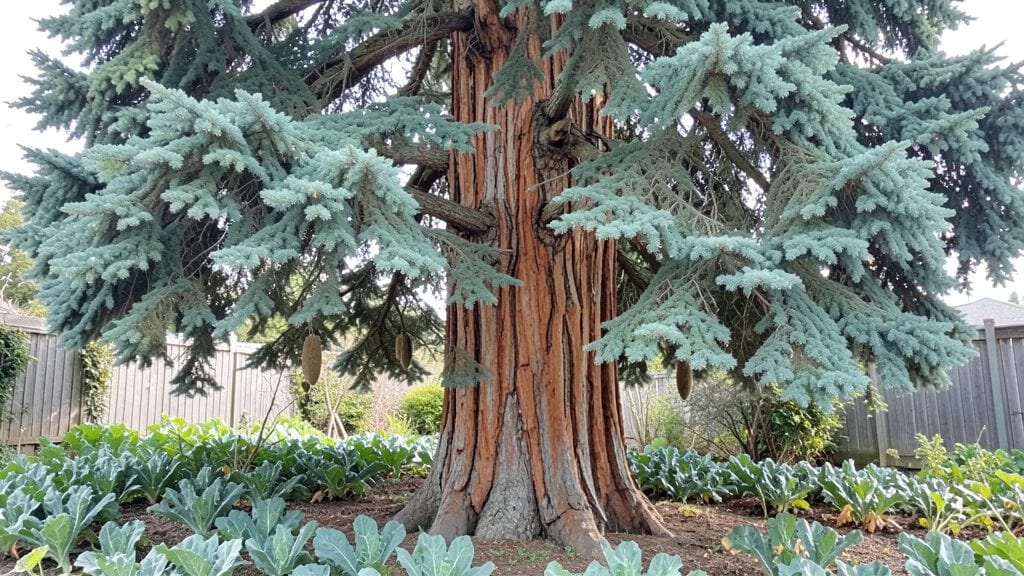
The Sequoia giganteum tree isn't just a backyard plant—it's a living monument that grows with patience and precision. 🌲 I planted mine five years ago and still marvel at how its deep green needles create a canopy that feels like stepping into a California forest.
The key to managing its size lies in strategic pruning, which keeps it healthy while respecting its natural majesty.
This giant thrives in cooler climates, needing well-draining soil and full sun to reach its full potential. Most people assume it's high-maintenance, but the truth is simpler: water deeply once established, protect young trees from deer, and prune only to remove dead branches or shape its growth.
The slow growth rate means you won't need to prune often—just every few years to maintain its grandeur.
What you'll end up with is a tree that grows taller than your house, with bark so thick it resists fire and pests. The needles stay vibrant year-round, and the shade it provides becomes a cool retreat in summer.
Pruning isn't about controlling it—it's about guiding its natural beauty while keeping it safe for your landscape.
Perfect for large properties, parks, or anyone who wants a legacy tree. The challenge is worth it when you realize you're nurturing a living piece of history. Let's get started with the basics that make all the difference.
📚 In This Guide
- What you need
- Instructions
- Tips and common mistakes
- Wrapping up and next steps
What you need
- ● Pruning shears: Bypass pruners (for smaller branches, ¼"–¾" in diameter). 2 pairs recommended.
- ● Loppers: Heavy-duty bypass loppers (for branches ¾"–2" in diameter). 1–2 pairs required.
- ● Pruning saw: Curved-tooth pruning saw (for branches 2"–4" in diameter). 1–2 saws needed.
- ○ Pole saw: Extendable saw (for high branches, 10–20 ft reach). 1 optional but highly recommended.
- ● Ladder or lift: Sturdy 20–30 ft extension ladder or hydraulic lift for safety. Critical for large trees!
- ● Gloves: Heavy-duty, cut-resistant gloves (e.g., mechanics’ or pruning gloves). 2 pairs for comfort.
- ● Safety gear: Goggles, ear protection, and long sleeves/pants (for branch debris). Non-negotiable!
- ● Disinfectant: 70% isopropyl alcohol or pruning sealant (to prevent disease spread). Small bottle or spray.
- ● Heavy-duty trash bags: For collecting debris (minimum 3–5 large bags).
- ● Rope or zip ties: For securing branches during pruning (50 ft of rope).
- ● Tree wound dressing: Pruning paste (for large cuts, though not always necessary for sequoias).
- ● Chainsaw (with safety gear): For very large branches (>4" diameter). Only for experienced users!
- ● Tree climbing gear: Harness and spikes (if climbing is required). Advanced skill level needed.
- ● Weather check: Prune on a dry, calm day (avoid wind or rain).
Instructions for pruning a Sequoia Giganteum tree
Pruning these majestic giants isn't about trimming back—it's about guiding their natural shape while keeping them healthy.
🌿 Step 1: Assess the Tree's Structure and Health
Start by examining your Sequoia Giganteum from all sides, looking for dead, diseased, or crossing branches. These trees grow slowly, so you'll have plenty of time to make careful cuts. Focus on removing branches that are rubbing against each other—they create wounds that invite pests and rot.
Use a pair of sharp pruning shears or a saw (depending on branch size) to inspect the bark. Healthy bark is thick and smooth, while damaged areas will look cracked or discolored. Mark these branches with flagging tape or a spray paint marker—you'll want to remove them first. Remember, Sequoias are resilient, so don't over-prune. Aim to remove no more than 10-15% of the tree's foliage in a single session.
✂️ Step 2: Remove Dead and Diseased Branches
Begin with the easiest cuts: dead or diseased branches. These are often brittle and snap easily when bent. If a branch feels soft or spongy when touched, it's likely diseased and should be removed immediately. Use clean, sharp tools to make cuts just outside the branch collar—the swollen area where the branch meets the trunk.
For larger branches, use a pruning saw to make a clean cut. Avoid tearing the bark as you cut—this creates larger wounds that take longer to heal. Once removed, dispose of diseased branches promptly to prevent spreading spores to other parts of the tree. This step is critical for maintaining the tree's overall health and preventing future issues.
☀️ Step 3: Thin Out the Canopy for Better Light Penetration
Sequoia Giganteum trees thrive when their canopy receives even light distribution. Look for areas where branches are too dense, blocking sunlight from reaching the inner foliage. Focus on removing branches that grow inward or downward—they compete with others for light and nutrients. You'll know you're doing it right when you can see light filtering through the canopy more easily.
When thinning, prioritize branches that are less than half the diameter of the trunk at their base. These are easier to remove and less likely to cause significant stress to the tree. Step back frequently to assess your progress—you want to create an open, airy structure that allows sunlight to reach the lower branches. This encourages even growth and reduces the risk of fungal diseases.
🪴 Step 4: Shape the Tree for Aesthetic and Practical Reasons
While Sequoia Giganteum trees are naturally stunning, you can guide their shape to fit your landscape better. Focus on removing branches that grow too close to structures, sidewalks, or power lines. These branches pose safety risks and can become hazards during storms. Use a pole saw or extendable pruners to reach higher branches safely.
For shaping, make small, gradual adjustments rather than drastic changes. Sequoias respond well to gentle guidance, so avoid heavy-handed pruning that could alter their natural form. If you're unsure about a cut, wait a season and reassess. The goal is to enhance the tree's beauty while maintaining its structural integrity. Think of this step as a conversation with the tree—you're not forcing it into a shape, but rather refining its natural elegance.
⏰ Step 5: Clean Up and Monitor the Tree's Recovery
After pruning, clean up all debris from the ground around the tree. This includes small branches, leaves, and sawdust. Leaving debris behind can attract pests and fungi, which may infect the tree through fresh cuts. Use a tarp to collect larger pieces and dispose of them in a sealed bag.
Monitor the tree closely in the weeks following pruning. Healthy new growth should appear within 4-6 weeks, signaling that the tree is recovering well. If you notice any unusual wilting, discoloration, or sap oozing from cuts, address it promptly. Sequoias are tough, but even they need care after major pruning. Water the base of the tree deeply if your area experiences dry spells, especially during the growing season.
Tips & tricks for pruning a Sequoia Giganteum tree
Pruning these ancient giants requires patience and precision—here's how to make every cut count without harming your tree.
The Right Tools Make All the Difference: Invest in high-quality pruning tools that are sharp and clean. Dull blades tear bark, creating larger wounds that take years to heal. I recommend a bypass pruner for smaller branches and a pruning saw with a curved blade for larger cuts—it gives you more control and reduces bark damage. Always clean your tools with rubbing alcohol between cuts to prevent spreading disease.
Timing is Everything: The best time to prune your Sequoia Giganteum is during late winter or early spring, just before new growth begins. This timing allows the tree to heal quickly during its active growing season. Avoid pruning during drought or extreme heat, as these conditions stress the tree and slow recovery. If you must prune outside this window, do so on a cool, cloudy day to minimize stress.
Cut Technique Matters More Than You Think: When making cuts, always remove branches just outside the branch collar—the swollen area where the branch meets the trunk. This ensures the tree can seal the wound properly. For larger branches, make a second cut further out if needed, but never cut flush with the trunk. The branch collar acts like a natural bandage, helping the tree heal faster and preventing decay.
Monitor for Signs of Stress: After pruning, watch for signs of stress like excessive sap flow, wilting needles, or discolored foliage. While some sap is normal, a sudden gush could indicate the tree is struggling. If you notice these signs, reduce watering slightly and avoid any additional pruning until the tree shows signs of recovery—usually within those 4-6 weeks mentioned in the instructions. Healthy new growth is your best indicator that everything's on track.
Pro Tips for Sequoia Giganteum Tree
- Pruning these ancient giants requires patience and precision—here's how to make every cut count without harming your tree.
- The Right Tools Make All the Difference: Invest in high-quality pruning tools that are sharp and clean.
- Timing is Everything: The best time to prune your Sequoia Giganteum is during late winter or early spring, just before new growth begins.
Frequently asked questions
Got questions about pruning your Sequoia giganteum (giant sequoia) tree? You’re not alone! These majestic giants require special care, and understanding the basics can make all the difference. Below, we’ve answered the most common questions to help you navigate pruning like a pro.
How often should I prune my giant sequoia tree?
Prune your Sequoia giganteum every 3–5 years to maintain health and shape. Focus on removing dead, diseased, or crossing branches annually. Avoid heavy pruning—these trees grow slowly, and over-pruning can stress them. Think of it as a light touch to encourage natural growth.
What’s the best time of year to prune?
The ideal window is late winter to early spring (February–March), just before new growth begins. This timing minimizes stress and reduces pest/disease risks. Avoid pruning in summer or fall, as the tree is more vulnerable to infection and drought during these periods.
Can I prune a giant sequoia in dry or hot conditions?
No—never prune during drought or extreme heat. Open wounds take longer to heal in dry conditions, increasing the risk of infection or pest infestation. If your area is experiencing dry spells, wait until after a good rain or water the tree thoroughly 2–3 days before pruning to support recovery.
What tools do I need for large branches?
For branches over 3–4 inches thick, use a pole saw or chainsaw with a sharp blade. Always wear gloves, safety goggles, and ear protection. For smaller branches, loppers or pruning shears work well. Never use dull tools—they tear bark and invite disease.
How do I know if I’ve pruned too much?
Watch for yellowing needles, stunted growth, or excessive sap oozing—these are red flags. Giant sequoias are resilient, but removing more than 15–20% of the canopy in one session can weaken the tree. If you’re unsure, consult an arborist for a tailored plan.
Wrapping up and next steps
The Sequoia giganteum isn’t just a tree—it’s a living monument that thrives with thoughtful care, especially through strategic pruning. By mastering the right techniques, timing, and tools, you can ensure these majestic giants stay healthy, safe, and stunning for generations.
Now that you’re armed with the knowledge, roll up your sleeves and get pruning! Start small with a single branch or section, and watch as your efforts transform both the tree and your green space.
Pro tip: 🌱 Document your progress with photos—it’s incredibly rewarding to see the growth over time!