
Pruning
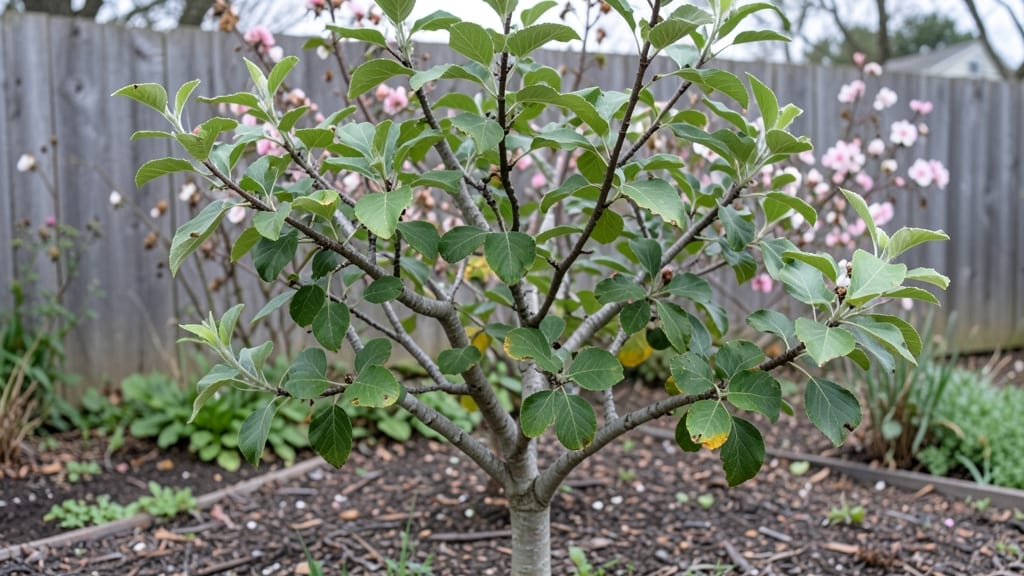
Your dwarf Golden Delicious apple tree thrives in the Pacific Northwest’s cool, damp climate—if you prune it right. 🌳 I’ve watched mine go from scraggly to productive in just three seasons, and the key was understanding how to shape it for both health and fruit.
The secret isn’t aggressive cuts but strategic ones that encourage strong branches and open airflow.
This tree loves partial sun and well-draining soil, but its real magic happens in winter when you prune. Focus on removing dead wood, crossing branches, and thinning out crowded spots to let light reach the center.
My first mistake? Over-pruning in spring—now I wait until late winter when the tree’s dormant, and the cuts heal faster. You’ll see new growth within weeks, and by summer, you’ll have bushels of sweet, crisp apples.
The payoff is real: a 5-foot tree that fits small yards or containers yet produces as much as a full-size tree. Golden Delicious apples ripen late, perfect for fall harvests, and the tree’s disease resistance means fewer sprays.
Plus, the flavor—sweet with a hint of tart—is worth every pruning session. Here’s how to keep yours thriving year-round.
Whether you’re a beginner or seasoned gardener, this method works. The Pacific Northwest’s wet winters mean extra care for fungal issues, but with the right cuts, your tree will reward you with decades of fruit. Let’s get started—your first harvest is closer than you think.
📚 In This Guide
- What you need
- Instructions
- Tips and common mistakes
- Wrapping up and next steps
What you need
- ● Pruning shears: Bypass pruners (sharp, clean, and sterilized with rubbing alcohol to prevent disease). Recommended: Felco F-2 or similar (for branches up to ½ inch thick).
- ● Loppers: For thicker branches (½–1½ inches thick). Look for ratchet-style loppers for easier cutting.
- ● Hand saw: Pruning saw with a curved blade for branches over 1½ inches thick.
- ● Gloves: Heavy-duty gardening gloves (cut-resistant for safety).
- ● Disinfectant: 70% isopropyl alcohol or a 10% bleach solution (for sterilizing tools between cuts).
- ○ Pruning sealant (optional but helpful): Tree wound pruning paste (to prevent disease entry on larger cuts).
- ● 5-gallon bucket: For collecting pruned branches and debris.
- ● Ladder or step stool: If your tree is taller than 6 feet (ensure it’s stable and non-slip).
- ● Notebook & pencil: To jot down notes on cuts or future pruning plans.
- ● Extension pole pruners: For hard-to-reach branches (great for taller trees!).
- ● Tree pruning spray: A fungicide spray (like copper-based) to protect against Pacific Northwest fungi like Venturia.
- ● Marking twine or flags: To tag branches for removal (helpful for complex pruning).
- ● Compost bin: For repurposing pruned branches into mulch or compost.
- ● Safety glasses: To shield eyes from debris.
- ● Know your tree’s age and growth stage—dwarf Golden Delicious trees (4–6 feet at maturity) need lighter pruning than mature trees.
- ● Check the weather forecast: Prune on a dry, overcast day (avoid rainy or windy conditions in the PNW!).
- ● Review your pruning goals: Are you shaping, thinning, or encouraging fruit production? (Pro tip: 💡 Golden Delicious thrives with open-center pruning!)
Step-by-Step pruning guide for your dwarf Golden Delicious apple tree
Here’s the method I’ve used for years to keep my Pacific Northwest dwarf Golden Delicious thriving.
🌱 Step 1: Prune During Dormancy for Best Results
Wait until late winter or early spring, just before buds swell but before leaves emerge. This timing ensures you’re not removing next year’s growth potential. In the PNW, aim for February to March—the colder months give you a clear window before the tree wakes up.
I always start by removing any dead, diseased, or crossing branches first. These are easy to spot—they’re brown, brittle, or growing inward where they’ll rub against other branches. Use sharp pruning shears to make clean cuts at a 45-degree angle, just outside the branch collar where it meets the trunk.
✂️ Step 2: Open the Tree’s Center for Airflow
Golden Delicious trees naturally grow dense, so I focus on thinning out branches to let sunlight and air reach the center. Look for branches that grow straight up or inward—these block light and create a humid environment where fungal diseases love to hide. Remove about 20-30% of the tree’s total branches, prioritizing the thickest, most crowded ones.
Make your cuts just above an outward-facing bud or branch. This encourages new growth to spread outward, creating a more open, productive structure. If you’re unsure which way a bud faces, look for the tiny bump on the side of the branch—this is where the new shoot will emerge.
☀️ Step 3: Shape for Sunlight and Fruit Production
Golden Delicious thrives with plenty of sunlight, so I shape the tree into a modified central leader form. This means keeping one strong central trunk with evenly spaced branches growing outward at a 45-60 degree angle. If a branch grows too vertically, it’ll compete with the leader for dominance and weaken the tree.
For dwarf varieties, I keep the height under 6 feet to make harvesting easier. Trim back any branches that grow taller than this, cutting them back to a lateral branch or bud. This keeps the tree manageable while maximizing fruit production. In the PNW’s mild climate, you’ll see new growth within 4-6 weeks after pruning.
💧 Step 4: Clean Up and Protect the Tree
After pruning, rake up all the clippings and dispose of them in the trash—not the compost pile. Apple tree prunings can harbor fungal spores, and composting them risks spreading disease back to your tree. I also sterilize my pruning tools with rubbing alcohol to prevent cross-contamination between cuts.
Apply a fresh layer of mulch around the base of the tree, keeping it 2-3 inches thick and 6 inches away from the trunk. This helps retain moisture and regulate soil temperature, which is especially important in the PNW’s wet winters and cool summers. Water deeply after pruning to help the tree recover.
Tips & tricks for perfect dwarf Golden Delicious pruning
A few simple tricks will help you prune like a pro and keep your Pacific Northwest dwarf Golden Delicious thriving for years.
Timing is Everything: In Step 1, I can't emphasize enough how critical that February to March window is. If you prune too early, you risk removing flower buds that haven't formed yet. If you wait too long, the tree starts actively growing and will bleed sap excessively. In the PNW's unpredictable weather, I always check for bud swell—when you see tiny green buds but no leaves, that's your cue.
Branch Angle Matters: When shaping in Step 3, pay close attention to those 45-60 degree angles. Branches growing too vertically (like straight up) will compete with your central leader and weaken the tree. I use a small protractor tool to check angles—it's worth the investment for a perfect shape. For dwarf varieties, maintaining this angle keeps the tree compact while maximizing fruit production.
Disease Prevention: After pruning in Step 4, I discovered the hard way that composting apple prunings spreads fungal diseases. Now I always bag and trash the clippings immediately. For extra protection, I spray my tools with rubbing alcohol between cuts—this prevents cross-contamination that could introduce diseases like apple scab or powdery mildew.
Mulch Like a Pro: The 2-3 inch layer of mulch in Step 4 isn't just decorative—it's crucial for moisture retention in our wet winters. I use wood chips because they break down slowly and improve soil structure over time. Just remember to keep it 6 inches away from the trunk to prevent rot. In our cool summers, this mulch layer helps maintain even soil temperatures for healthy root growth.
Pro Tips for Dwarf Golden Delicious Apple Tree
- A few simple tricks will help you prune like a pro and keep your Pacific Northwest dwarf Golden Delicious thriving for years.
- Timing is Everything: In Step 1, I can't emphasize enough how critical that February to March window is.
- Branch Angle Matters: When shaping in Step 3, pay close attention to those 45-60 degree angles.
Frequently asked questions
Got questions about keeping your dwarf Golden Delicious apple tree thriving in the Pacific Northwest? You’re not alone! Here are answers to the most common concerns—from pruning to pests and everything in between.
How often should I prune my dwarf Golden Delicious apple tree?
Prune your dwarf Golden Delicious twice a year: late winter (before buds swell) for structural shaping and summer (after harvest) to remove suckers and dead wood. In the PNW’s mild climate, avoid heavy pruning in fall—it can stress the tree before winter. Focus on 30-40% of the canopy per year to maintain health.
Can a dwarf Golden Delicious survive PNW winters without extra protection?
Yes! Dwarf Golden Delicious trees are hardy to USDA Zone 5-8, making them well-suited for the PNW. However, young trees or those in microclimates with harsh winds may benefit from a light burlap wrap or mulch around the base. Avoid heavy mulch piles—keep it 3-4 inches deep to prevent rot.
What pests should I watch for, and how do I treat them?
The PNW’s damp climate can attract aphids, codling moths, and apple maggots. Start with neem oil or insecticidal soap for soft-bodied pests. For codling moths, use pheromone traps in late spring. If fruit shows signs of maggots, remove infested apples immediately and consider organic sprays like kaolin clay as a preventive barrier.
Why aren’t my dwarf Golden Delicious apples sweet like store-bought ones?
Golden Delicious trees need full sun (6+ hours/day) and consistent watering to develop optimal sweetness. PNW’s cooler summers can slow ripening—harvest when the fruit easily detaches from the tree and has a golden-yellow hue. For extra sweetness, thin fruit early (leave 6-8 inches between apples) to reduce competition for sugars.
Can I grow a dwarf Golden Delicious in a container, or does it need in-ground planting?
Yes! Dwarf varieties thrive in large containers (15+ gallons) with well-draining soil and regular watering. Use a tree-specific potting mix and repot every 2-3 years to refresh nutrients. Place containers in full sun and move them indoors (or to a garage) if night temps drop below 20°F. Just ensure the pot has drainage holes to prevent root rot.
Wrapping up and next steps
Growing a dwarf Golden Delicious apple tree in the Pacific Northwest is a rewarding journey—one that combines patience, precision, and a little love for your orchard! 🌿 With the right pruning techniques, you’ll ensure a thriving tree that yields sweet, flavorful fruit year after year.
Whether you’re a seasoned gardener or just starting, the key is consistency and confidence.
Ready to take the next step? Start small—pick one pruning task this season, like shaping your tree or removing dead branches, and build from there.
Before you know it, your dwarf Golden Delicious will be bursting with apples, and you’ll be the proud host of backyard harvests for years to come! 🍏✨