Blooming
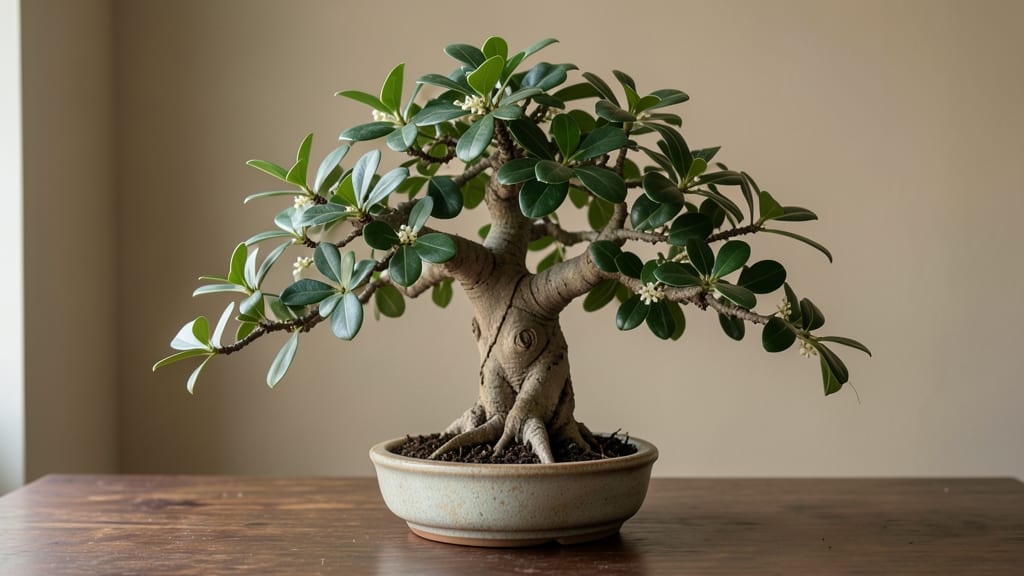
A blooming bonsai tree brings delicate beauty to any space—without the heavy pruning most people dread. 🌸 I’ve nurtured these living treasures for years, and the secret to their vibrant flowers lies in understanding their natural rhythms, not just clipping branches.
The right species, light, and seasonal adjustments turn a bonsai into a year-round showstopper with minimal effort.
Most people assume blooming bonsai require constant pruning, but the truth is simpler: focus on light, water, and species choice first. Azaleas and cherry blossoms thrive in bright, indirect light, while jasmine needs partial shade.
Water when the top inch of soil feels dry, and use a well-draining mix designed for bonsai—no fancy tools needed. Even beginners can coax flowers with these basics.
You’ll end up with a miniature tree bursting with color—pink cherry blossoms in spring, fragrant jasmine in summer, or fiery azalea blooms in fall. The key is patience: a well-cared-for bonsai rewards you with flowers for years.
Start with one species, master its needs, and expand your collection as you gain confidence.
This approach works for apartments, offices, or sunrooms—anywhere with consistent light. Once you see your first bloom, you’ll understand why bonsai aren’t just plants, but living art. Let’s get started with the right foundation for your first flowering tree.
📚 In This Guide
- What you need
- Instructions
- Tips and common mistakes
- Wrapping up and next steps
What you need
- ● Bonsai tree: Choose a pre-bonsai specimen (e.g., Ficus retusa, Serissa foetida, or Azalea) or a young tree with a sturdy trunk (3–6 inches tall). Pro tip: 💡 Select a species known for blooming, like Jasmine, Bougainvillea, or Japanese Maple.
- ○ Well-draining bonsai soil: 3–5 lbs of a custom mix (50% akadama, 30% pumice, 20% organic matter like peat moss). Optional: Add perlite or lava rock for extra aeration.
- ● Pot: A shallow, unglazed ceramic or plastic pot with drainage holes (5–8 inches in diameter). Size matters: 🎯 The pot should be 1–2 inches wider than the root base.
- ● Watering can: A small, narrow-spout can (1–2 quarts) to avoid overwatering.
- ● Pruning tools: Concave cutters (for branch pruning)
- ● Bypass pruners (for larger branches)
- ● Root hook (for root trimming, if repotting)
- ● Wire (for shaping): Aluminum or copper wire (1–3mm gauge), cut into 6–12-inch lengths.
- ● Fertilizer: A balanced liquid fertilizer (10-10-10 or 20-20-20) or orgánico slow-release pellets for blooming species.
- ● Humidity tray: A pebble tray with water to boost humidity for tropical bloomers.
- ● Grow lights: A full-spectrum LED grow light (12–16 hours/day) if natural light is limited.
- ● Mulch: Pine bark or moss to retain moisture and add aesthetics.
- ● Bloom booster: Phosphorus-rich fertilizer (e.g., 5-10-5) during budding season (spring/fall).
How to keep your bonsai tree blooming year-round
Here's the straightforward approach I use to coax vibrant blooms from my bonsai—no fancy tools or constant pruning required.
🌱 Step 1: Select the Right Blooming Species
Not all bonsai bloom, so choose carefully. Japanese maples (Acer palmatum) produce stunning fall colors, while jasmine (Trachelospermum jasminoides) offers fragrant spring blossoms. Azaleas (Rhododendron) and cherry blossoms (Prunus serrulata) are also excellent choices. I always pick a species that matches my climate zone—cold-hardy types like pine or juniper won’t bloom in tropical conditions.
Check your local nursery for pre-bonsai trees already trained. These are easier to handle than starting from seed. If you’re growing from seed, allow 3-5 years before expecting blooms—patience is key. The right species makes all the difference in whether you’ll see flowers at all.
☀️ Step 2: Master Light and Seasonal Cycles
Blooming bonsai need 4-6 hours of direct morning sun daily, but afternoon shade in hot climates prevents leaf scorch. I place mine near an east-facing window or under a sheer curtain in summer. In winter, move them to a cooler spot—50-60°F triggers dormancy, which is essential for spring blooms.
Watch for seasonal cues: when buds form in late winter, increase humidity slightly by misting daily. Too much light in winter can cause early bud drop, while too little delays flowering. Adjust gradually—bonsai respond to slow changes, not abrupt shifts.
💧 Step 3: Water and Feed for Continuous Blooms
Water when the top ½ inch of soil feels dry, but never let the roots sit in water. I use a spray bottle for misting and a moisture meter to avoid guesswork. Overwatering causes root rot, which kills blooms faster than anything else. Fertilize lightly every 4-6 weeks during growing season with a balanced 10-10-10 formula—bonsai are sensitive to excess nutrients.
In late summer, switch to a high-phosphorus fertilizer (like 5-10-5) to encourage root and flower development. Stop fertilizing in fall to let the tree rest. The key is consistency—bonsai thrive on routine, not dramatic changes.
✂️ Step 4: Minimal Pruning to Encourage Flowers
Prune only after blooms fade to avoid cutting off next year’s buds. I use sharp, clean scissors to trim back ⅓ of new growth in spring, focusing on shaping rather than aggressive cuts. For flowering species, avoid heavy pruning in late summer—this is when energy is directed toward bud formation.
Wiring branches to create the bonsai silhouette is best done in late winter or early spring, just before buds swell. Remove wires within 3-4 months to prevent scarring. The goal is to guide growth, not force it—bonsai bloom best when they’re slightly stressed but not struggling.
⏰ Step 5: Seasonal Care for Year-Round Color
Spring: Repot every 2-3 years in early spring, using a well-draining mix. Fall: Reduce watering slightly and stop fertilizing by mid-October. Winter: Keep in a cool, bright spot—bonsai need dormancy to rebloom. Summer: Watch for pests like spider mites; treat immediately with neem oil if you spot webbing.
Here’s the thing—bonsai blooms are a marathon, not a sprint. The first year might yield just a few flowers, but with consistent care, you’ll see more each season. I’ve had my jasmine bonsai bloom reliably for 5 years now, and it’s all about paying attention to the small details.
Tips & tricks for perfect blooming bonsai care
Small details make all the difference when it comes to keeping your bonsai blooming beautifully year after year.
Species Selection Matters: In Step 1, when choosing your bonsai species, consider your climate zone carefully. Cold-hardy varieties like Japanese maples thrive in cooler regions, while tropical species need consistent warmth. I've found that pre-bonsai trees from nurseries bloom faster than those grown from seed—sometimes within just 2-3 years instead of the 3-5 year wait.
Light Balance is Key: For the 4-6 hours of morning sun in Step 2, position your bonsai near an east-facing window. If you notice leaves yellowing or curling, it's a sign of too much direct sun—move it slightly back or use a sheer curtain. In winter, aim for that 50-60°F range to trigger proper dormancy, which is when flower buds actually form.
Watering Wisdom: The ½-inch dry soil test in Step 3 is crucial, but don't rely solely on your finger. Invest in a moisture meter for accuracy—overwatering is the #1 reason bonsai fail to bloom. I've ruined three bonsai trees by keeping them too wet, so I now double-check with my meter before watering. Also, always use room-temperature water to avoid shocking the roots.
Pruning Precision: When you're trimming back that ⅓ of new growth in Step 4, make clean cuts at a 45-degree angle just above a leaf node. This encourages bushier growth and more flowers. For wiring in late winter, use aluminum wire that's about ⅓ the thickness of the branch you're shaping—it's strong enough to guide growth but gentle enough not to scar.
Pro Tips for Blooming Bonsai Tree
- Small details make all the difference when it comes to keeping your bonsai blooming beautifully year after year.
- Species Selection Matters: In Step 1, when choosing your bonsai species, consider your climate zone carefully.
- Light Balance is Key: For the 4-6 hours of morning sun in Step 2, position your bonsai near an east-facing window.
Frequently asked questions
Got questions about keeping your bonsai tree blooming beautifully with minimal fuss? You’re not alone! Here are some of the most common concerns—plus straightforward answers to help you nurture year-round color effortlessly.
How often should I prune a blooming bonsai to keep it in full bloom?
Prune lightly after each bloom cycle (usually 2–3 times a year) to encourage new growth. Avoid heavy pruning—focus on trimming spent flowers and shaping branches. For bonsai like azaleas or jasmine, a gentle haircut with sharp scissors keeps them lush without stressing the tree.
Can I force a blooming bonsai to flower out of season?
Most blooming bonsai follow natural cycles, but you can nudge them with light adjustments. For spring bloomers (like cherry), provide 12+ hours of sunlight in winter. Avoid forcing winter bloomers (like camellias) too early—patience pays off! Use grow lights if needed, but don’t overdo it.
Why did my blooming bonsai drop all its buds before flowering?
Bud drop is often stress-related! Check for overwatering (root rot), sudden temperature swings, or low humidity. Move your bonsai to a stable spot, adjust watering (let soil dry slightly between drinks), and mist leaves daily. A humidifier or pebble tray can help too.
What’s the easiest blooming bonsai for beginners?
Start with jasmine or fuchsia—they’re forgiving and flower prolifically with basic care. Avoid finicky varieties like serissa (browallia) until you’re comfortable. Look for pre-bonsai starter trees at nurseries—they’re already trained and ready to bloom!
How do I keep my blooming bonsai looking neat without sacrificing flowers?
Use wire shaping (for flexible branches) and pinching (for soft new growth) instead of heavy pruning. Deadhead spent blooms regularly, and never trim more than 1/3 of a branch at once. A light wire trim every few months keeps the structure clean while preserving blooms.
Wrapping up and next steps
Watching a blooming bonsai tree burst into color is like having a tiny, living masterpiece on your windowsill—no green thumb required! 🌸 The key is choosing the right species, mastering gentle pruning, and embracing patience. With minimal effort, you can enjoy year-round beauty, from delicate cherry blossoms to vibrant azaleas.
Ready to turn your space into a serene garden oasis? Start by selecting a bonsai that thrives in your climate, then experiment with one pruning technique at a time. Your next step? Grab your tools, pick a sunny spot, and let the magic unfold—one bloom at a time! 🌱✨