
Pruning
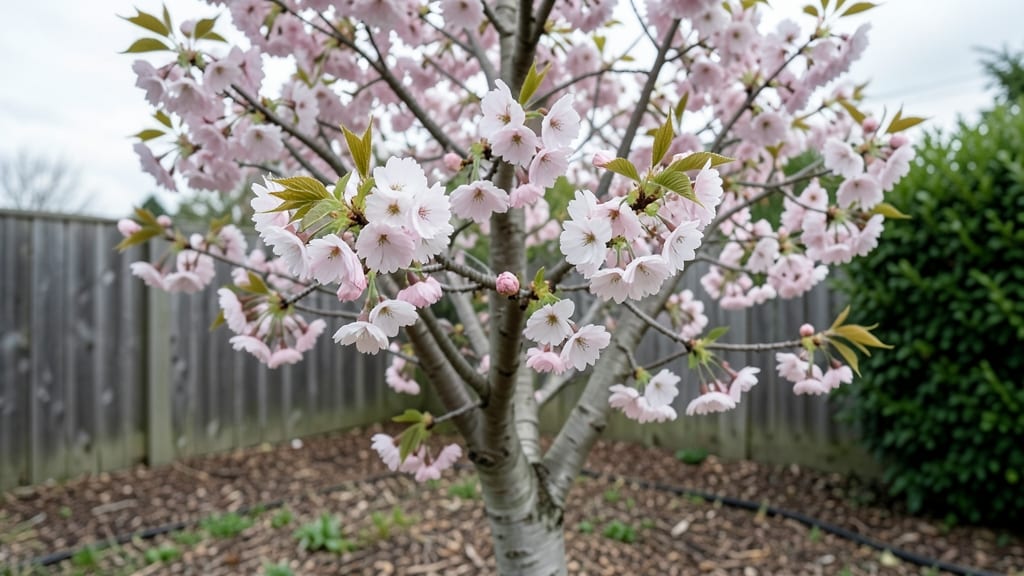
Caring for a sakura tree in the Pacific Northwest means mastering frost-resistant pruning that keeps those iconic blossoms coming back year after year. 🌸 I’ve watched my tree survive our damp winters only to burst into color by spring—and the secret isn’t just timing, but understanding how cold snaps shape its growth.
The right cuts in late winter prevent weak branches while preserving the tree’s natural shape, even when temperatures dip below freezing.
Start with the basics: a well-draining soil mix, 6+ hours of sunlight daily, and deep watering every 7–10 days once established. Young saplings need shelter from harsh winds, while mature trees benefit from a light mulch layer to insulate roots.
The pruning itself is simpler than it looks—focus on removing dead wood and thinning crowded branches to let light penetrate. This isn’t just about aesthetics; it’s about keeping the tree healthy enough to handle our region’s unpredictable frosts.
By summer, you’ll see the payoff: vibrant pink or white blooms that turn the neighborhood into a postcard, and a canopy that stays strong through decades. The key is consistency—prune at the same time each year, fertilize in early spring, and watch for signs of stress like yellowing leaves.
Even in our rainy climate, sakura trees thrive when given the right care, and the reward is worth every minute spent.
Whether you’re a beginner or a seasoned gardener, this approach works for both young trees and established giants. The Pacific Northwest’s climate demands patience, but the results—those breathtaking spring displays—make it all worthwhile. Let’s get your sakura ready for another stunning season.
📚 In This Guide
- What you need
- Instructions
- Tips and common mistakes
- Wrapping up and next steps
What you need
- ● Pruning shears: Bypass pruners (for branches one pair (e.g., Felco F-2 or similar).
- ● Loppers: For branches ½–2 inches thick – one pair (e.g., Corona or Fiskars).
- ● Pruning saw: For thicker branches (2+ inches) – one handheld or folding saw (e.g., Bahco or Fiskars).
- ● Ladder: Extendable or sturdy step ladder (height depends on tree size) – 1.
- ● Disinfectant: 70% isopropyl alcohol or bleach solution (1 part bleach to 9 parts water) – small spray bottle.
- ● Gloves: Heavy-duty work gloves (cut-resistant) – 1 pair.
- ● Safety goggles: To protect against debris – 1 pair.
- ● Heavy-duty trash bags: For collecting pruned branches – 2–3 bags.
- ● Pruning sealant: For larger cuts (e.g., Tanglefoot Tree Wound Pruning Seal) – small tube.
- ● Marking spray: Fluorescent paint or tape to mark branches for removal – small bottle.
- ● Extension pole: For high branches (e.g., telescoping pruner) – 1.
- ● Tree wound dressing: (Controversial but useful for some) – small container.
- ● First-aid kit: For minor cuts or scrapes – basic kit.
Instructions for pruning Pacific Northwest frost-resistant sakura trees
Here's my battle-tested approach to pruning sakura trees for maximum bloom and winter hardiness.
✂️ Step 1: Time Pruning for Late Winter Dormancy
Prune your sakura tree between late February and early March when the tree is fully dormant but before buds begin to swell. This timing ensures you remove dead wood while preserving next season's flower buds, which form on old wood. I always wait until after the worst winter storms have passed—frozen branches are brittle and snap unpredictably.
Use sharp, clean pruning shears to make cuts at a 45-degree angle just above a bud or branch collar. Never leave stubs—this invites disease and weakens the tree. If you're dealing with larger branches over ½ inch thick, use a pruning saw instead. Remember, sakura trees bloom on last year's growth, so avoid heavy pruning that removes too many flower buds.
🌿 Step 2: Remove Dead, Diseased, or Crossing Branches
Start by identifying and removing any dead, diseased, or damaged branches—these are your first priority. Look for branches that are brown, brittle, or lack leaves. Next, remove any branches that cross or rub against each other, as these create wounds that can invite pests and diseases. I like to step back every few cuts to visualize the tree's natural shape.
For crossing branches, remove the smaller of the two or the one growing inward. If both are equally sized, remove the one that's less desirable for the tree's overall form. Thin out the canopy by removing branches that grow straight up—these compete with the main structure for sunlight and nutrients. Aim to improve airflow throughout the tree, which reduces humidity-related fungal issues.
☀️ Step 3: Shape for Light Penetration and Airflow
Sakura trees benefit from an open, vase-like shape that allows sunlight to reach the interior branches. Focus on removing branches that grow too close together or block light from penetrating the center. Start pruning from the bottom and work your way up—this helps maintain a balanced, naturally tapered silhouette. I typically remove no more than 20-25% of the tree's foliage in a single session.
Pay special attention to branches that grow directly outward from the trunk. These often create a dense, unbalanced look. Instead, encourage a more open structure by selectively pruning branches that grow at wider angles. Use hand pruners for smaller branches and a pruning saw for anything thicker than ¾ inch. Always make cuts just outside the branch collar to promote faster healing.
⏰ Step 4: Post-Pruning Care for Winter Recovery
After pruning, apply a wound dressing to larger cuts over ½ inch in diameter to protect against frost and pests. I use a high-quality tree sealant to prevent moisture loss and reduce the risk of infection. Water the tree deeply to help it recover from the stress of pruning—this is especially important if the winter was particularly dry.
Monitor the tree closely in the weeks following pruning. If you notice any signs of stress, such as wilting leaves or unusual discoloration, adjust your watering schedule or provide temporary shade if needed. Avoid fertilizing immediately after pruning—wait until new growth appears in early spring. This gives the tree time to recover and establish new roots before competing with nutrient demands.
Tips & tricks for perfect sakura tree pruning
A few key insights that'll make your Pacific Northwest sakura pruning session both effective and stress-free.
Timing is Everything: The late February to early March window is critical because sakura trees bloom on old wood. If you prune too early, you risk removing next year's flower buds before they form. I've learned this the hard way after accidentally pruning too soon and ending up with sparse blooms. Watch for bud swell—this is your cue that the window is closing. The worst winter storms often pass by early March, so plan accordingly.
The 20-25% Rule: Never remove more than 20-25% of the foliage in a single session—this maintains the tree's energy balance. I once pruned a young sakura too aggressively and it took three years to recover its full bloom potential. Start with just the dead, crossing, or inward-growing branches, then reassess. Remember, sakura trees have a natural vase shape—work with that rather than against it.
Branch Collar Matters: Always make cuts just outside the branch collar, not flush with the trunk. This preserves the tree's natural healing response and prevents disease entry points. I've seen too many pruning mistakes where people leave stubs or cut into the collar, creating perfect entry points for fungal infections. Use a sharp pruning saw for branches over ¾ inch thick—dull tools crush the wood and create more damage.
Post-Pruning Recovery: After pruning, give your tree a deep watering to help it recover from the stress. I've found that trees pruned in dry winter conditions need extra attention. Monitor for signs of stress like wilting leaves or unusual discoloration in the weeks following pruning. Wait until you see new growth in early spring before fertilizing—this gives the tree time to establish new roots without competing nutrient demands.
Pro Tips for Sakura Tree Care
- A few key insights that'll make your Pacific Northwest sakura pruning session both effective and stress-free.
- Timing is Everything: The late February to early March window is critical because sakura trees bloom on old wood.
- The 20-25% Rule: Never remove more than 20-25% of the foliage in a single session—this maintains the tree's energy balance.
Frequently asked questions
Got questions about keeping your sakura tree thriving in the Pacific Northwest’s chilly climate? Here are some of the most common concerns—and expert answers—to help you prune with confidence!
When is the best time to prune a sakura tree in PNW winters?
Prune your sakura tree late winter to early spring (February–March) before buds swell but after the coldest months. This timing avoids frost damage to fresh cuts and encourages vibrant spring blooms. Never prune in fall—it weakens the tree before winter.
Can sakura trees survive PNW freezes? How do I protect them?
Most frost-resistant varieties (like Prunus serrulata ‘Kanzan’) tolerate temps down to 10°F, but young trees or rare cultivars may need help. Wrap the trunk with burlap or use tree guards to shield against cold winds. Mulch heavily (3–4 inches) around the base to insulate roots.
How much can I trim a mature sakura tree without harming it?
Aim to remove no more than 25% of the canopy per year. Focus on:
- Dead, crossing, or weakly attached branches ( cut at the branch collar).
- Suckers or water sprouts growing from the trunk or roots.
- Overcrowded branches to improve airflow (critical for fungal prevention).
Heavy pruning (like topping) stresses sakura trees—avoid it unless rejuvenating an overgrown specimen.
What if my sakura tree isn’t blooming? Is it dying?
Not necessarily! Blooms can fade due to:
- Age: Young trees (under 5 years) or old trees may skip blooms.
- Improper pruning: Cutting back flower buds (which form on last year’s wood) reduces blooms.
- Nutrient deficiency: Test soil for phosphorus (key for flowers) and amend with bone meal.
- Stress: Drought, pests, or disease can delay blooms.
If the tree is otherwise healthy (green leaves, new growth), it’s likely just resting!
How do I prevent pests like aphids or borers in PNW sakura trees?
PNW sakura trees are pest-resistant, but aphids or borers can strike. Try these preventive steps:
- Encourage beneficial insects (ladybugs, lacewings) with neem oil sprays.
- Keep the tree healthy: Prune for airflow, water deeply (1–2 inches/week), and fertilize with balanced NPK (10-10-10).
- Inspect for sawdust-like frass (borer sign) or sticky honeydew (aphids). Treat early with soapy water or kaolin clay.
For severe infestations, consult a certified arborist.
Wrapping up and next steps
Caring for your sakura tree in the Pacific Northwest doesn’t have to be intimidating—just follow these frost-resistant pruning tips to keep it thriving year after year! 🌸 From timing your cuts to protecting it from winter chill, you’re now equipped with the know-how to foster healthy blooms and strong growth. Take that next step: grab your pruners, mark your calendar for late winter, and give your tree the love it deserves!
Your sakura’s beauty is worth the effort—happy pruning! 🌿