Pruning
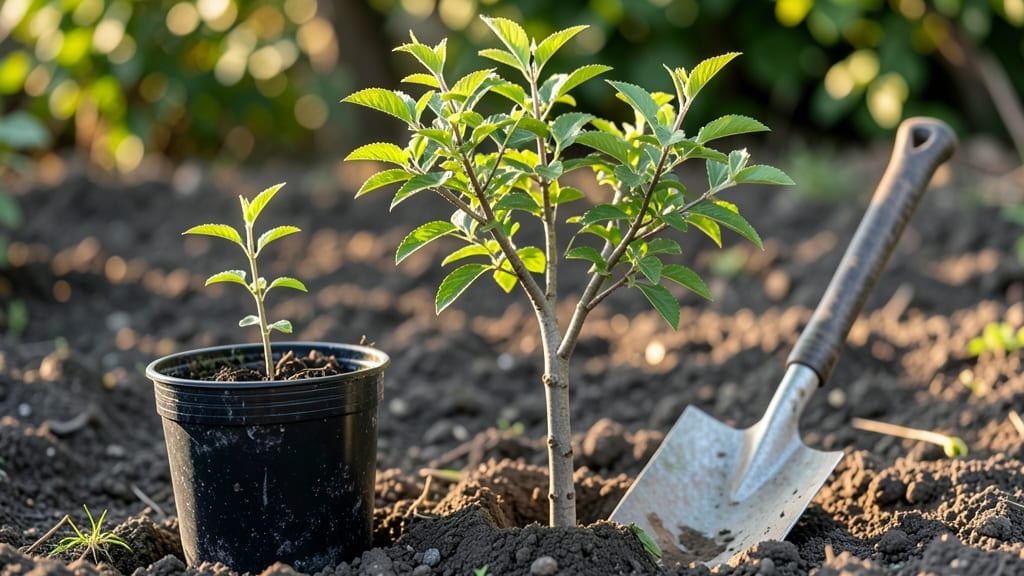
Here are the best peach tree planting tips—five simple steps that’ll help your tree survive frost, and trust me, I’ve learned which ones really count. My first attempt nearly died in its first winter because I ignored soil drainage, and now I make sure every tree gets the perfect home.
The secret isn’t just the tree itself but the conditions you create around it: well-draining soil, the right spot, and a little extra care in those first critical weeks.
You’ll need a frost-hardy variety suited to your zone, a shovel, mulch, and a watering can—no fancy tools required.
The real work happens in the first 30 minutes of planting: digging the hole twice as wide as the root ball, loosening the roots gently, and setting the tree at the same depth it grew in the nursery.
Too deep, and the roots suffocate; too shallow, and the tree topples in wind. I’ve buried trees too deep twice, and both struggled for years.
What you’ll end up with is a sturdy young tree that pushes out bright green leaves by spring and sets fruit within 2-3 years. The key is consistent watering—deep and infrequent—so the roots grow strong, plus a 3-inch layer of mulch to protect roots from temperature swings.
Even in cold climates, these trees reward patience with juicy, sun-ripened peaches that taste nothing like store-bought.
This method works for backyard orchards, small homesteads, or even large containers—just adjust the soil mix for pots. The same principles apply whether you’re planting in Zone 5 or Zone 8, so you can skip the guesswork. Let’s get that tree in the ground the right way.
📚 In This Guide
- What you need
- Instructions
- Tips and common mistakes
- Wrapping up and next steps
What you need
- ● Peach tree: Choose a frost-resistant variety (e.g., 'Reliance,' 'Redhaven,' or 'Elberta')—either a 1-2 year old bare-root sapling or a container-grown tree (3-5 gallons).
- ● Shovel: A round-point shovel (16-18 inches wide) for digging the planting hole.
- ● Garden trowel: For precision when backfilling soil or adjusting roots.
- ● Pruning shears: Bypass pruners (sharp, clean, and sterilized) for trimming damaged roots or branches.
- ● Mulch: 3-4 inches of organic mulch (wood chips, straw, or pine bark) to retain moisture and regulate soil temperature.
- ● Well-draining soil: A mix of topsoil and compost (50/50 ratio) if your native soil is heavy clay or sandy.
- ● Fertilizer: Balanced, slow-release fertilizer (10-10-10 or 8-3-9) with micronutrients (follow package rates).
- ● Watering can or hose: With a gentle spray nozzle for post-planting hydration.
- ○ Staking supplies (optional but recommended for young trees): 2-3 wooden stakes (4-6 feet tall).
- ● Soft tree tie straps (not wire!) to secure the tree without damaging the trunk.
- ● Soil test kit: To check pH (ideal: 6.0-6.5) and nutrient levels before planting.
- ● Root stimulator: A mycorrhizal inoculant or seaweed-based rooting hormone to boost early growth.
- ● Tree guard: A plastic or metal tree collar to protect the trunk from rodents or lawnmowers.
- ● Drip irrigation system: For consistent moisture during the first year (especially in hot climates).
- ● Frost cloth: Lightweight frost protection fabric for young trees in late spring/early fall.
Step-by-step peach tree planting for frost-resistant success
Planting a peach tree is simpler than you think—here’s how to set it up for years of fruit.
Choose the Right Location and Planting Time
Peach trees thrive in full sun—pick a spot with at least 6-8 hours of direct sunlight daily. They also need well-draining soil with a pH between 6.0 and 7.0. Avoid low-lying areas where cold air pools, as frost can damage young trees.
Plant in early spring, about 4-6 weeks before your last frost date. This gives roots time to establish before summer heat arrives. If you’re in a colder zone, late fall planting is risky—roots won’t harden off properly before winter. Check your local frost dates to time it just right.
Dig the Hole and Prepare the Root Ball
Dig a hole twice as wide as the root ball but no deeper. Peach trees hate having their roots buried too deep, which can suffocate them. Loosen the soil at the bottom of the hole with a shovel or your hands to encourage root spread.
If your tree arrives with a root-bound ball, gently tease the roots apart at the edges before placing it in the hole. This helps them establish faster. Mix the native soil with compost (about 1 part compost to 3 parts soil) to improve drainage and fertility. Avoid heavy amendments like manure, which can burn young roots.
Position and Backfill the Tree
Place the tree in the hole so the graft union (the bump where the top and rootstock meet) sits 2-3 inches above soil level. Over time, the soil will settle, so don’t bury it too deep. Fill the hole halfway with soil, then water deeply to remove air pockets.
Once watered, finish backfilling with the remaining soil mix. Press gently around the base to eliminate gaps but don’t compact it. Create a small berm of soil around the edges to direct water toward the roots. Mulch with 2-3 inches of wood chips, keeping it 6 inches away from the trunk to prevent rot.
Water Deeply and Stake for Support
Water the tree deeply right after planting—about 10-15 gallons—to help roots settle into the soil. Young peach trees have shallow roots and need consistent moisture. After the initial watering, keep the soil evenly moist but not soggy for the first 2-3 months. You’ll know it’s right when the top 2 inches of soil feel damp but not wet.
If your tree is taller than 6 feet, install a stake on the side opposite the prevailing wind. Tie the trunk loosely with a soft tree tie (not wire or plastic) to prevent damage as it grows. Avoid over-tightening—you should be able to slip a finger between the tie and the trunk. Remove the stake after 1-2 years when the tree is sturdy enough to stand alone.
Prune and Protect for the First Year
Prune the tree lightly at planting to remove any broken or crossing branches. Focus on opening the center so sunlight and air reach the inner branches. Avoid heavy pruning—peach trees produce fruit on spurs, and aggressive cuts can reduce next year’s harvest.
In frost-prone areas, wrap the trunk with tree wrap or burlap in late fall to protect it from sunscald (cracking caused by winter sun on bare bark). Water deeply before the first hard frost to help roots withstand cold. Mulch again in winter to insulate the soil and keep roots from freezing. With these steps, your peach tree will grow strong and resilient for years.
Tips & tricks for perfect peach tree planting
Getting your peach tree off to the right start makes all the difference for frost resistance and fruit production down the road.
Location is Everything: When selecting your planting spot, walk through the area at different times of day to confirm you truly get 6-8 hours of direct sunlight. Morning sun is especially important—it helps dry dew quickly, reducing fungal risks. Also, avoid planting near large shrubs or trees that will cast shade as they grow. I once planted a peach tree too close to a mature maple, and it took years to recover from the shade competition.
Soil Prep Secret: Before mixing your compost with native soil (the 1 part compost to 3 parts soil ratio), test your soil's drainage by digging a hole and filling it with water. If it drains in less than an hour, your soil is good to go. If it takes longer, amend with more sand or perlite. I learned this the hard way after my first tree struggled in heavy clay soil—now I always check drainage first.
Graft Union Placement: That 2-3 inches above soil level for the graft union is non-negotiable. Over time, the soil will settle, but you want to start with this elevation to prevent the graft from being buried. If you're unsure, mark the graft union with a piece of tape before planting as a visual guide. This simple step prevents future issues with rootstock dominance.
Watering Wisdom: After planting, that 10-15 gallons of deep watering is crucial, but don't stop there. Set up a drip irrigation system or soaker hose right away to deliver 1-2 inches of water per week during the first growing season. Young trees can't compete with weeds for moisture, so consistent watering prevents stress that makes them vulnerable to frost damage.
Pro Tips for Peach Tree Planting Tips
- Getting your peach tree off to the right start makes all the difference for frost resistance and fruit production down the road.
- Location is Everything: When selecting your planting spot, walk through the area at different times of day to confirm you truly get 6-8 hours of direct sunlight.
- Soil Prep Secret: Before mixing your compost with native soil (the 1 part compost to 3 parts soil ratio), test your soil's drainage by digging a hole and filling it with water.
Frequently asked questions
Got questions about planting peach trees? You’re not alone! Here are answers to the most common concerns—from timing to troubleshooting—to help you grow a thriving orchard with confidence.
What’s the best time of year to plant a peach tree?
Plant your peach tree in early spring (just before buds swell) or late fall (6-8 weeks before the first frost). Avoid planting in summer heat or freezing winter—roots need time to establish without stress. For frost-prone areas, spring planting gives trees a head start before cold snaps hit.
Can I plant a peach tree in a container, or does it need ground space?
Peach trees thrive in the ground with room to spread (12–15 feet wide). However, dwarf varieties (like ‘Bonanza’ or ‘Redhaven’) can work in large containers (at least 15–20 gallons) if you’re short on space. Just ensure the pot has drainage holes and replant every 3–4 years to refresh soil.
How do I protect my peach tree from pests like borers or aphids?
Prevent pests with healthy soil (rich in compost) and proper pruning to improve airflow. For borers, wrap the trunk with burlap or tree guard in early spring. Spray neem oil or insecticidal soap on aphids during blooming season. Monitor leaves regularly—early action stops infestations fast!
Will my peach tree survive heavy frost? How can I protect it?
Most peach trees tolerate light frost (20–28°F), but young trees or late blooms need help. Mulch heavily (3–4 inches of straw or wood chips) around the base, and wrap the trunk with burlap or frost cloth in winter. Avoid overhead watering before frost—wet leaves freeze and damage branches. For extreme cold (<15°F), use tree blankets.
Do peach trees need a pollinator, or can I grow just one?
Peach trees are self-pollinating, so one tree can produce fruit! However, planting two varieties nearby (like ‘Elberta’ and ‘Redhaven’) boosts yield and fruit quality. If space is tight, choose a self-fertile cultivar like ‘Sanguinole’ or ‘Contender’—they’re reliable for small gardens.
Wrapping up and next steps
Planting a peach tree is a rewarding journey that leads to sweet, juicy rewards—if you follow the right steps! 🌱 From choosing frost-resistant varieties to giving your tree the perfect home, every detail matters. With the right soil, spacing, and care, you’ll set the stage for years of bountiful harvests.
Now that you’re armed with these peach tree planting tips, it’s time to roll up your sleeves and get growing! Start by marking your planting spot, then dig, amend, and plant with confidence. Your future peach pies are waiting! 🍑🎉