
Pruning
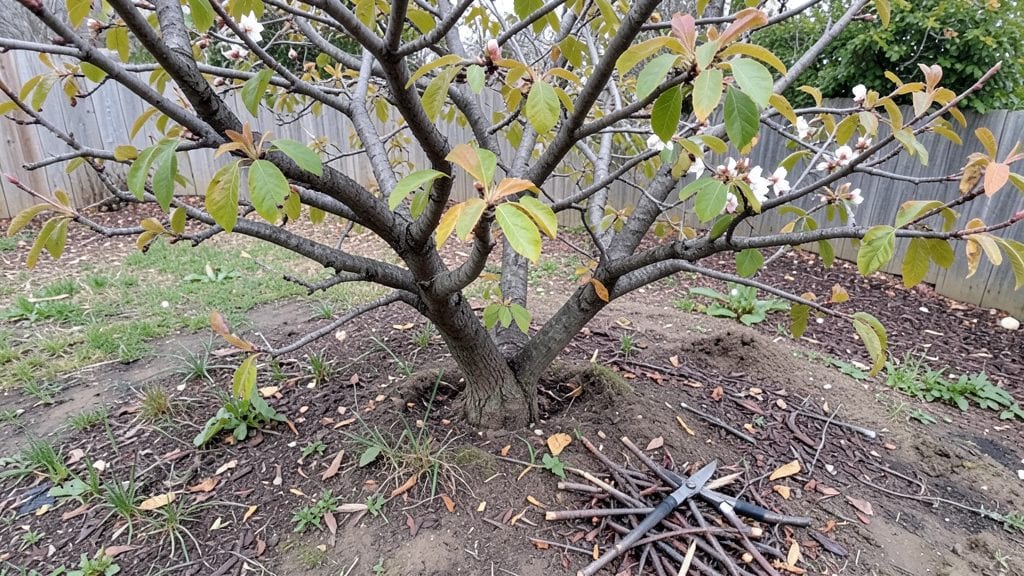
Pruning your peach tree in Texas isn’t just about shaping—it’s about surviving our brutal summers and mild winters without losing your harvest. 🌵 I’ve watched too many trees struggle from overzealous pruning in the heat or missed deadlines, so I’m sharing the exact Texas-tested method that keeps my trees thriving year after year.
The key is timing: prune in late winter or early spring before buds swell, but never after blooms appear—Texas’s sudden freezes or heat waves can shock a tree if you’re late.
You’ll need sharp bypass pruners, a saw for thicker branches, and rubbing alcohol to sterilize cuts. This isn’t guesswork; it’s a 3-step process that prevents disease and boosts fruit production.
By summer, you’ll see the difference: stronger branches, fewer pests, and a tree that focuses energy on fruit instead of repairing damage. The secret? Pruning to an open center and removing suckers early—both critical in Texas’s heat. I’ll show you how to spot the right cuts without overdoing it.
This works for both young trees and mature ones, whether you’re in the Hill Country or East Texas. Let’s get those branches in shape before the next heatwave hits.
📚 In This Guide
- What you need
- Instructions
- Tips and common mistakes
- Wrapping up and next steps
What you need
- ● Pruning shears – Bypass or anvil type, sharp and sanitized (for small branches, ¼"–¾" diameter). 1 pair.
- ● Loppers – Bypass type, 6"–8" cutting capacity (for branches ¾"–2" diameter). 1 pair.
- ● Pruning saw – Curved or folding blade, for branches 2"–4" diameter. 1 saw.
- ○ Extension pole saw – Optional but handy for high branches (10–15 ft reach). 1 unit.
- ● Gloves – Heavy-duty, cut-resistant (protects from thorns and sap). 1 pair.
- ● Safety glasses – ANSI-rated (sap and debris protection). 1 pair.
- ● Rubbing alcohol (70%+) – For sterilizing tools between cuts. Small bottle.
- ○ Pruning sealant – Optional (for large cuts >2" diameter). 1 small tube.
- ○ Disposable pruning bags – Optional (for collecting debris). 1–2 bags.
- ● Early morning or late afternoon – Prune when temps are below 85°F to reduce stress on the tree.
- ● Dry conditions – Avoid pruning after rain to prevent disease spread.
- ● Dormant season – Best time: Late winter (Feb–early March) in Texas, before buds swell.
Step-by-Step instructions for pruning a peach tree in Texas
Here’s how I prune peach trees to thrive in Texas’s brutal heat while keeping fruit production strong.
✂️ Step 1: Prune in Late Winter Before Bud Break
Timing is everything in Texas—wait until mid-February to early March when the tree is still dormant but just before buds swell. This prevents stress from late frosts and gives wounds time to heal before summer’s heat arrives. I always check the forecast for the next week; if freezing temps are predicted, delay pruning until after the last frost date.
Start by removing dead, diseased, or crossing branches first. These are easy to spot—they’re brown, brittle, or growing inward. Use sharp bypass pruners to make clean cuts just outside the branch collar (the swollen area where the branch meets the trunk). Never leave stubs; they invite rot and pests. For larger branches over ½ inch thick, switch to a pruning saw and seal the cuts with pruning sealant to protect against Texas’s fungal pressure.
🌿 Step 2: Open the Canopy for Airflow and Sunlight
Peach trees in Texas suffer from heat stress and fungal diseases like brown rot if the canopy stays too dense. My goal is to create a vase-shaped tree with an open center. Start by thinning out suckers (shoots growing from the base or roots) and water sprouts (vertical shoots from the trunk). These compete for resources and weaken the tree.
Next, remove weak, spindly branches—they’ll never bear fruit and just shade the interior. Aim to keep 5-7 main scaffold branches evenly spaced around the trunk. If a branch is growing too close to another, cut the smaller one at its origin. You’ll know you’ve done it right when sunlight can reach the inner branches and air circulates freely through the tree.
☀️ Step 3: Shape for Summer Heat Resilience
Texas summers demand strategic shaping to reduce heat stress. Focus on raising the lower branches to 3-4 feet off the ground—this prevents scorch from reflected sunlight and makes harvesting easier. Cut back any branches that drag on the ground or rub against each other. For overlapping branches, remove the weaker one entirely, not just the crossing part.
Pay special attention to fruit-bearing branches. Shorten last year’s fruit spurs by ⅓ to encourage new growth and smaller, sweeter peaches. Avoid heavy pruning on young trees—just light shaping is enough. Mature trees can handle 15-20% of their canopy removed in one session, but never take more than 25% or you risk shock.
💧 Step 4: Clean Up and Monitor for Heat Stress
After pruning, sterilize your tools with rubbing alcohol to prevent spreading disease. Rake up and dispose of all clippings—never compost them if your tree has signs of brown rot or bacterial spot. These diseases thrive in Texas’s humidity and can reinfect the tree.
Water the base deeply right after pruning to help the tree recover. Mulch with 2-3 inches of organic mulch (like wood chips) to retain moisture and regulate soil temperature. Watch for wilting or yellowing leaves in the first few weeks—this is normal as the tree adjusts. If leaves curl or drop prematurely, the pruning was too aggressive. Adjust next year’s cuts accordingly.
⏰ Step 5: Schedule Summer Maintenance Pruning
Texas’s heat means peach trees need two pruning sessions a year. After the initial late-winter prune, do a light summer cleanup in June or July to remove sucker growth, dead wood, and any branches damaged by hail or wind. Never prune heavily in summer—it stresses the tree when it’s already fighting heat.
Focus on thinning fruit if needed—overloaded branches can snap under Texas’s heavy peaches. Remove 1-2 peaches per cluster, leaving the largest, healthiest ones. This ensures the remaining fruit grows bigger and sweeter. Keep an eye out for aphids or scale insects, which love Texas’s heat. A strong blast of water can dislodge them before they take hold.
Tips & tricks for pruning peach trees in Texas
Texas heat turns pruning into an art of balance—too much stress and your tree wilts, too little and it chokes on its own shade. Here’s how to get it just right.
Timing is Everything: The mid-February to early March window in Step 1 isn’t just arbitrary—it’s about catching the tree between dormancy and bud break. If you prune too early, you risk late frost damage; too late, and you stress the tree before summer. I check my local ag extension forecast for the last frost date and mark my calendar. Pro tip: If your tree has signs of brown rot, delay pruning until you’ve treated the infection first—Texas humidity makes this disease spread like wildfire.
The Branch Collar Rule: When making cuts in Step 1, never trim flush with the trunk—always cut just outside the branch collar (that swollen area where the branch meets the trunk). This is where the tree’s healing tissues live. I’ve seen too many pruning jobs leave ugly stubs that rot over summer. For branches over ½ inch thick, use a pruning saw and follow up with pruning sealant—this prevents fungal entry points in our humid climate.
Canopy Shape Matters: That vase shape in Step 2 isn’t just aesthetic—it’s survival strategy. Inner branches need sunlight to ripen fruit properly, and airflow prevents fungal diseases. I test my work by shining a flashlight through the center of the tree. If light hits the trunk, you’ve got good airflow. For mature trees, never remove more than 20-25% of the canopy at once—Texas summers are brutal enough without adding pruning shock.
Summer Pruning Secrets: That light June/July cleanup in Step 5 is crucial for heat resilience. Focus on removing only water sprouts and dead wood—never heavy pruning. I’ve seen trees nearly collapse after aggressive summer cuts during heatwaves. For fruit thinning, remove 1-2 peaches per cluster, always leaving the largest ones. This might seem counterintuitive, but it forces the tree to put energy into fewer, sweeter fruits rather than struggling with too many small ones.
Pro Tips for Peach Tree Pruning Texas
- Texas heat turns pruning into an art of balance—too much stress and your tree wilts, too little and it chokes on its own shade.
- Timing is Everything: The mid-February to early March window in Step 1 isn’t just arbitrary—it’s about catching the tree between dormancy and bud break.
- The Branch Collar Rule: When making cuts in Step 1, never trim flush with the trunk—always cut just outside the branch collar (that swollen area where the branch meets the trunk).
Frequently asked questions
Got questions about pruning your peach tree in Texas?
Here are answers to the most common concerns—from timing to tools—to help you keep your tree thriving in the Lone Star State’s heat!
When is the best time to prune a peach tree in Texas?
Prune your peach tree late winter to early spring (January–February) before buds swell but after cold snaps pass. Avoid pruning in summer—Texas heat stresses fresh cuts. Light shaping can happen post-harvest (July–August), but keep it minimal to avoid disease risks.
Can I prune a peach tree in summer, or will it die?
Peach trees can handle light summer pruning (e.g., removing dead wood or crossing branches), but avoid heavy cuts. Summer pruning increases disease risk (like bacterial leaf spot) and stresses the tree in Texas’s intense heat. Stick to winter/early spring for major pruning—your tree will thank you!
What if my peach tree has no leaves after pruning?
Don’t panic! Peach trees often drop leaves after heavy pruning (especially in spring) as they redirect energy. If no buds appear by late spring, check for:
- Frost damage (common in Texas’ unpredictable winters).
- Pests (aphids, scale) or disease (like peach leaf curl).
- Underwatering (Texas heat dries soil fast).
Do I need special tools to prune a peach tree in Texas?
Basic tools suffice, but Texas’s thorny peach varieties (like Elberta) demand gloves and sharp pruners. Use:
- Bypass pruners (for clean cuts under ½” thick).
- Loppers (for thicker branches).
- Disinfectant (rubbing alcohol on tools between cuts to prevent disease).
- Heavy-duty gloves (thorns + Texas sun = ouch!).
My peach tree keeps dying back—what’s wrong?
Texas peach trees often struggle with:
- Heat stress: Provide afternoon shade (especially for young trees).
- Root rot: Overwatering in heavy clay soil (common in East Texas) suffocates roots. Let soil dry between waterings.
- Peach tree borers: Look for sawdust-like frass near the trunk. Treat with beneficial nematodes or Bt spray.
- Fungal diseases (e.g., brown rot): Prune only when tools are clean and avoid wetting foliage when watering.
Wrapping up and next steps
Pruning your peach tree in Texas isn’t just about trimming—it’s about preparing for the heat, boosting fruit production, and keeping your tree thriving through the long, hot seasons. By following the right techniques, timing, and tools, you’ll ensure a healthier tree, sweeter peaches, and fewer headaches down the road. 🌞
Now that you’re armed with the knowledge, grab those pruners and get started! If you’re still unsure, consider consulting a local arborist or joining a Texas gardening group for hands-on guidance. Happy pruning—your future peach harvest will thank you! 🍑✨