
Pruning
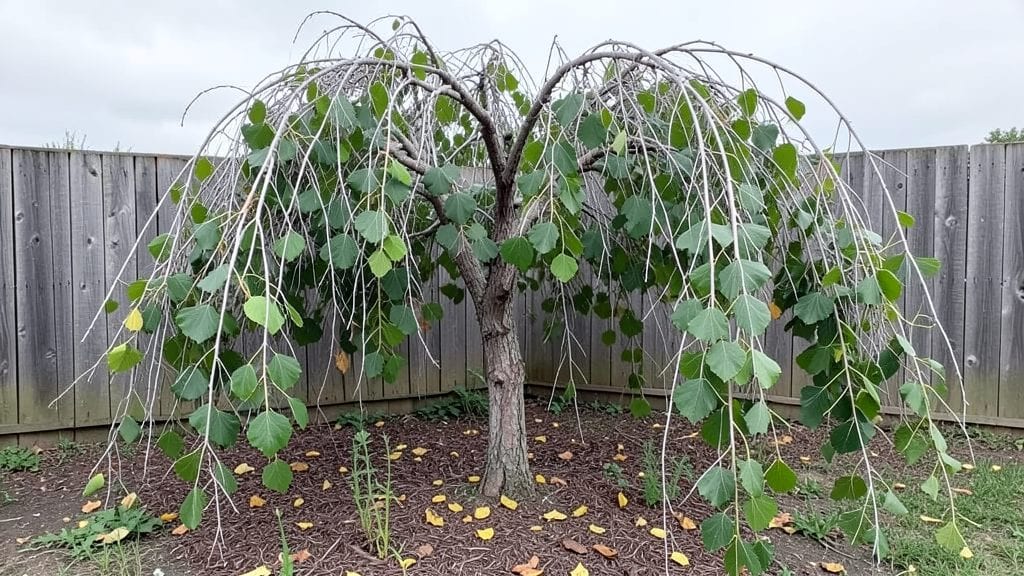
The weeping white mulberry tree (Morus alba 'Pendula') transforms any yard into a graceful, shade-producing masterpiece with minimal effort. I planted mine five years ago, and now it drapes elegantly over my patio—no fuss, just lush foliage year-round.
The secret lies in smart pruning, which keeps it dense, healthy, and free of those messy berries that attract birds.
This tree thrives in full sun to partial shade and tolerates almost any soil, though well-draining loam produces the most dramatic growth. Water deeply once a week during the first year, then let nature take over—it’s shockingly drought-tolerant once established.
The real magic happens when you prune: a few strategic cuts in spring and late winter encourage that signature weeping habit while preventing tangled branches.
By summer, you’ll have a tree so full it blocks summer sun beautifully, with silvery-white bark adding winter interest. The leaves stay vibrant longer than most trees, and the minimal pruning required means you’ll spend more time admiring it than working on it.
Even urban yards can accommodate this beauty—just give it space to stretch its arms.
Advanced gardeners can experiment with shaping it into a formal espalier, while beginners will love how forgiving it is. No special tools needed—just sharp pruners and a little patience. Let’s get yours looking like a showstopper with almost no effort.
📚 In This Guide
- What you need
- Instructions
- Tips and common mistakes
- Wrapping up and next steps
What you need
- ● Pruning shears: Bypass pruners (sharp, clean, and disinfected—think of them as your tree’s tiny surgeon’s tools!). Quantity: 1 pair (or 2 if you have a large tree).
- ● Loppers: For thicker branches (½”–2” diameter). Quantity: 1 pair (extendable loppers save your back!).
- ● Pruning saw: For branches thicker than 2”. Specs: Curved blade for cleaner cuts. Quantity: 1.
- ● Gloves: Heavy-duty, cut-resistant gloves to protect your hands from thorns and sap. Quantity: 1 pair.
- ● Disinfectant: 70% isopropyl alcohol or a tree-pruning spray to sterilize tools between cuts (prevents disease spread!).
- ● Rubbing alcohol or bleach solution: 1:10 bleach-water mix for deep cleaning tools post-pruning.
- ○ Pruning sealant (optional): For sealing large cuts (½”+ diameter) to prevent disease. Example: Tree wound dressing.
- ● Ladder or step stool: If your tree is taller than 6–8 feet. Safety tip: Use a stable, non-slip ladder!
- ● Trash bags or compost bin: For collecting pruned branches (check local regulations—some areas ban burning mulberry debris!).
- ● Notebook & pen: To jot down notes on cuts, growth patterns, or seasonal reminders.
- ● Know your tree: Confirm it’s a Morus alba ‘Pendula’ (weeping white mulberry) by checking its drooping branches and white bark.
- ● Timing: Prune in late winter/early spring (before buds swell) or summer (after fruiting). Avoid heavy pruning in fall.
- ● Weather check: Choose a dry, overcast day to minimize stress on the tree.
- ● Safety first: Wear long sleeves/pants and closed-toe shoes—mulberry thorns are no joke!
- ● Tool sharpening: Hone your shears and saws before you start (dull tools tear bark, causing damage).
- ● 💡 Label your tools: Use a permanent marker to tag shears/loppers for quick identification (e.g., “Spring Pruning” or “Summer Trim”).
- ● 🔥 Work in layers: Start with dead/diseased branches, then thin out crowded growth, and finally shape the canopy.
- ● 🌡️ Hydrate your tools: Wipe blades with a damp cloth between cuts to reduce friction and heat buildup.
Step-by-Step year-round pruning for weeping white mulberry trees
This method keeps your tree thriving with minimal effort while maintaining its graceful weeping habit.
✂️ Step 1: Late Winter Dormant Pruning (February-March)
Start by removing any dead, diseased, or crossing branches with clean, sharp pruning shears. Focus on eliminating branches that grow upward or inward to maintain the tree's natural weeping form. I always begin with the lowest branches first, working my way upward to avoid disturbing the tree's structure unnecessarily.
Cut just outside the branch collar—the swollen area where the branch meets the trunk—to promote faster healing. Remove no more than 25% of the tree's canopy during this pruning session. You'll notice new growth buds forming along the branches, signaling the tree is ready for spring's new foliage.
☀️ Step 2: Light Summer Pruning (June-July)
In mid-summer, inspect your tree for any branches that have grown too long or are obstructing sunlight from reaching the lower canopy. These branches often appear leggy or overly dense. Prune them back to a lateral bud or side branch to encourage bushier growth and maintain an open, airy structure.
This is also the time to remove any suckers or water sprouts—those fast-growing, vertical shoots that appear along the trunk or branches. These compete with the tree for nutrients and disrupt its graceful form. Make your cuts at a 45-degree angle just above an outward-facing bud to direct future growth outward.
🌿 Step 3: Fall Cleanup (October-November)
As leaves begin to fall, perform a final pruning to remove any dead or diseased branches that may have developed over the summer. This prevents potential winter damage and keeps your tree looking tidy. Focus on thinning out the canopy to allow light penetration to the lower branches, which is crucial for maintaining the tree's weeping habit.
Remove any branches that are rubbing against each other, as these can create wounds that invite pests and diseases. Cut back to the branch collar, ensuring the cut is smooth and clean. You'll see the tree's natural structure become more defined as you remove these obstructive branches.
⏰ Step 4: Minimal Winter Adjustments (December-January)
If you notice any storm-damaged branches during winter, remove them immediately to prevent further damage. Winter is also a good time to assess the tree's overall shape and make any minor adjustments needed to maintain its weeping form. Avoid heavy pruning during this period, as the tree is dormant and less capable of recovering from significant stress.
Keep an eye out for any branches that have grown too close to power lines or structures. These should be pruned back as soon as safe conditions allow, typically in early spring when the tree begins to show signs of new growth. This ensures your tree remains both beautiful and safe throughout the year.
Tips & tricks for perfect weeping white mulberry tree pruning
Mastering the art of pruning your weeping white mulberry tree transforms it from a simple landscape feature into a stunning architectural focal point. Here's what I've learned after years of working with these graceful trees.
Seasonal Timing Matters: The four-season schedule in the instructions isn't arbitrary—each season serves a specific purpose. Late winter dormant pruning (Step 1) removes winter-damaged branches while the tree is dormant, preventing disease spread. Summer pruning (Step 2) focuses on shaping and redirecting growth when the tree is actively growing. Fall cleanup (Step 3) prepares the tree for winter by removing potential pest habitats, and winter adjustments (Step 4) are minimal to avoid stressing the dormant tree.
Tool Selection is Critical: Never use dull pruning shears—they tear rather than cleanly cut, creating larger wounds that take longer to heal. Invest in high-quality bypass pruning shears for branches under ½ inch thick and loppers for thicker branches. For larger branches, use a pruning saw with a fine-toothed blade to make clean cuts. Always sterilize your tools between cuts with rubbing alcohol to prevent spreading disease between branches.
Branch Collar Awareness: The branch collar—the swollen area where a branch meets the trunk—is your guide for proper cutting technique. Cutting just outside this collar (as mentioned in Steps 1 and 3) promotes faster healing by preserving the tree's natural protective tissues. Avoid flush cuts that remove the collar entirely, as these create larger wounds that can invite pests and diseases. This technique is especially important for weeping mulberries, which have delicate branch structures.
Visual Growth Assessment: When evaluating branches during summer pruning (Step 2), look for these visual cues: leggy branches that grow straight up are candidates for pruning back to lateral buds, while branches growing toward the center of the tree should be removed entirely. For suckers and water sprouts, identify the outward-facing bud before making your 45-degree angle cut—this directs future growth away from the trunk and maintains the tree's graceful weeping form.
Pro Tips for Weeping White Mulberry Tree
- Mastering the art of pruning your weeping white mulberry tree transforms it from a simple landscape feature into a stunning architectural focal point.
- Seasonal Timing Matters: The four-season schedule in the instructions isn't arbitrary—each season serves a specific purpose.
- Tool Selection is Critical: Never use dull pruning shears—they tear rather than cleanly cut, creating larger wounds that take longer to heal.
Frequently asked questions
Got questions about keeping your weeping white mulberry tree thriving with minimal fuss? Here are some of the most common concerns—and their answers!
When is the best time to prune a weeping white mulberry tree?
Prune your weeping white mulberry in late winter or early spring (before buds swell) for the best results. This timing encourages vigorous new growth while avoiding sap loss. Light shaping can also be done in summer, but avoid heavy pruning then—it stresses the tree.
How much can I trim without harming the tree?
Never remove more than 25% of the tree’s canopy in one session. Weeping varieties are delicate—focus on dead, crossing, or overcrowded branches first. For dramatic shaping, spread pruning over 2–3 years to avoid shock. Pro tip: Use sharp tools to make clean cuts just above outward-facing buds!
Why are my leaves turning yellow or dropping after pruning?
Yellowing or leaf drop is often normal if pruned correctly, but excessive trimming or poor timing can stress the tree. Check for pests (like spider mites) or fungal issues too. If the problem persists, reduce pruning intensity and ensure the tree gets full sun and consistent water.
Can I prune a weeping white mulberry in fall or winter?
Fall pruning is risky—it can stimulate late growth vulnerable to frost damage. Winter pruning (before bud break) is safer, but avoid heavy cuts in extreme cold. If you must prune in fall, limit it to removing deadwood only and seal larger cuts with pruning sealant.
Are there low-maintenance alternatives to weeping white mulberry?
Yes! If you want low-maintenance, weeping varieties, consider:
All three thrive with minimal pruning compared to mulberry’s sap-prone branches.
Wrapping up and next steps
The weeping white mulberry tree is a stunning, low-maintenance addition to any landscape—when pruned with care. By following seasonal techniques, you’ll encourage vibrant growth, prevent pests, and keep its graceful branches in perfect shape. Your efforts will pay off with lush foliage year-round! 🌿
Ready to transform your tree into a thriving centerpiece? Start small: pick one season to refine your skills, then expand your routine. With patience and practice, your weeping white mulberry will become the envy of the neighborhood! 🌟