
Pruning
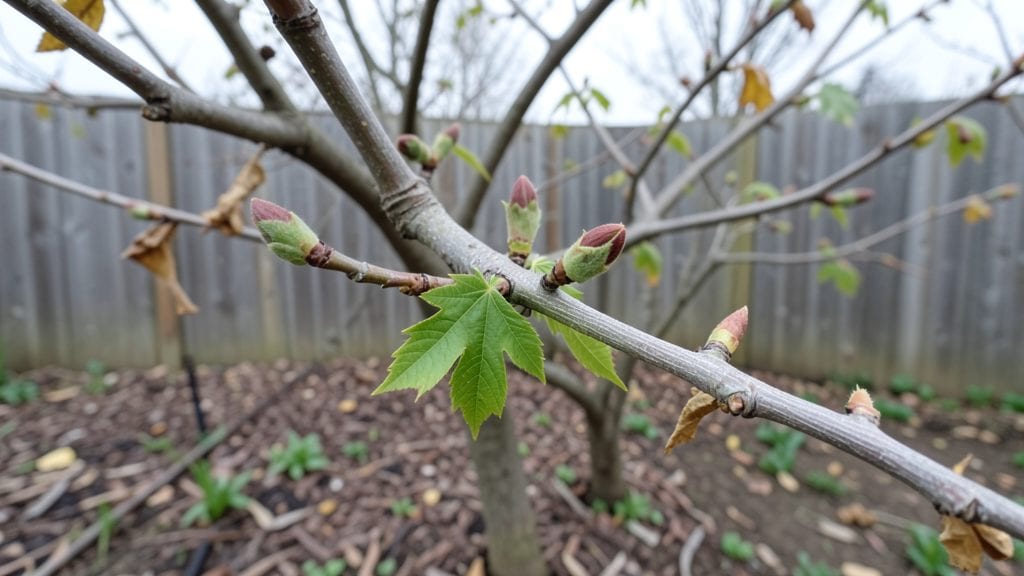
Those tiny maple tree spring buds are the secret to a tree that thrives all year—if you know how to spot them and when to act. 🌱 I’ve watched my sugar maple go from bare branches to vibrant foliage in just six weeks, and it all starts with understanding these little powerhouses.
They’re the tree’s promise of new growth, and pruning them at the right time makes the difference between a scraggly mess and a lush, productive canopy.
Healthy buds look plump and reddish-brown, clustered along last year’s growth. If they’re shriveled, brown, or covered in black mold, your tree might be struggling with disease or pests.
The best time to prune is late winter or early spring, right after the buds swell but before they burst—usually between February and March in most climates. This timing ensures you’re not removing next year’s growth and gives the tree time to heal before summer’s heat.
When done right, your pruning will encourage stronger branches, more vibrant fall colors, and even better sap flow if you’re tapping for syrup. You’ll see fresh green leaves emerging within 4-6 weeks of proper pruning, and the tree will look fuller by midsummer.
The key is to cut just outside the bud, at a slight angle, to avoid damaging the new growth.
Watch for late frosts—if buds are already swelling when a freeze hits, cover them with burlap or frost cloth to protect tender tissue.
And if you’re unsure whether those buds are healthy, scratch a small section of bark near them: green underneath means life, while dry or blackened bark signals trouble. Small adjustments now mean a stronger tree for decades.
📚 In This Guide
- What you need
- Instructions
- Tips and common mistakes
- Wrapping up and next steps
What you need
- ● Pruning shears: Bypass pruners (sharp, clean, and disinfected with rubbing alcohol; 1 pair).
- ● Loppers: For thicker branches (16–24" cutting capacity; 1 pair).
- ● Pruning saw: For branches >1" in diameter (fine-toothed, folding for safety; 1).
- ● Ladder: Sturdy, extendable (height based on tree; non-slip feet recommended).
- ● Gloves: Heavy-duty, cut-resistant (e.g., mechanics’ gloves; 1 pair).
- ● Disinfectant: 1-part bleach to 9 parts water (for sterilizing tools between cuts).
- ● Tarp or drop cloth: To collect debris (1–2, depending on tree size).
- ○ Pruning sealant: Optional but helpful for large cuts (>2" diameter; 1 small tube).
- ● Weather check: Prune on a dry, calm day (avoid frost or rain within 24 hours).
- ● Safety glasses: To protect eyes from debris (1 pair).
- ● Long sleeves/pants: Wear protective clothing to avoid scratches.
- ● First-aid kit: For minor cuts or scrapes (1 small kit).
- ● Tree identification: Confirm it’s a maple tree (consult local nursery or use a plant ID app if unsure).
How to prune maple tree spring buds for strong year-round growth
Here's the straightforward approach I've used for healthy maple trees—no guesswork, just clear steps.
✂️ Step 1: Time Your Pruning for Maximum Growth
Prune maple trees during late winter to early spring, right before buds swell but before new growth begins. This timing ensures you remove dead wood while stimulating fresh growth. Look for tight, plump buds—they should feel firm when gently pressed. If you see sap bleeding from cuts, you've pruned too late.
Use a sharp bypass pruner for branches under ½ inch thick, and a pruning saw for larger limbs. Clean your tools with rubbing alcohol between cuts to prevent disease spread. I always prune on a dry day—wet branches snap easily and create ragged wounds.
✂️ Step 2: Remove Dead, Diseased, or Crossing Branches First
Start by eliminating dead branches—they snap when bent and have no green tissue inside. Next, cut out diseased wood (look for discolored bark, oozing sap, or fungal growth). Remove any branches that cross or rub against others, as these create wounds that invite pests.
Make cuts just outside the branch collar (the swollen area where the branch meets the trunk). Never leave stubs—this slows healing and invites decay. For large limbs, make a 3-step cut: undercut first, then cut from above, and finally clean up the stub.
✂️ Step 3: Thin the Canopy for Better Airflow and Light
Step back and visualize the tree’s shape—aim for an open center with sunlight reaching the inner branches. Remove upward-growing branches that compete with the leader (main trunk). Cut these at the branch collar, not where they intersect with another branch.
Thin 10-20% of the canopy total—never remove more than that in one season. You'll see new buds forming along remaining branches within weeks. If you over-prune, the tree weakens and may produce fewer leaves or flowers.
☀️ Step 4: Apply Wound Treatment and Monitor Recovery
After pruning, apply tree wound sealant to cuts larger than ½ inch to prevent disease. For smaller cuts, let them heal naturally—sealants aren’t needed. Water the base of the tree deeply to help it recover, especially if spring is dry.
Watch for new bud growth in 4-6 weeks—this confirms the tree is responding well. If you see yellowing leaves or stunted growth, you may have pruned too aggressively. Adjust next year’s cuts accordingly.
Tips & tricks for perfect maple tree pruning
Pruning maple trees might seem intimidating, but these simple tricks will help you achieve professional results without stress.
Timing is Everything: In Step 1, the key is to prune when buds are tight but haven't started swelling yet. This window typically falls around late February to early March in most climates. I always check by gently pressing a bud—if it feels firm and doesn't leave an indent, you're ready. Pruning too early risks removing buds that haven't yet formed, while waiting too long can cause sap bleeding and stress the tree.
Branch Collar Technique: When making cuts in Step 2, focus on preserving the branch collar—the swollen area where the branch meets the trunk. This natural barrier helps the tree heal properly. I've seen too many pruning mistakes where people cut flush with the trunk, creating wounds that take years to heal. For larger branches, that three-step cutting method really pays off—it prevents tearing and gives you cleaner cuts every time.
Canopy Visualization: Step 3 is where many people get stuck. To visualize the open center, imagine looking at the tree from above and drawing an upside-down cone shape. Remove branches that grow straight up or inward—these compete with the main trunk for sunlight and nutrients. I like to step back every few cuts to check my progress. Remember, you're aiming for sunlight to reach all the way to the inner branches, not just the outer canopy.
Recovery Monitoring: After pruning, the 4-6 week recovery period in Step 4 is crucial. I always mark the date on my calendar when I finish pruning so I can track progress. If you see new buds forming along the branches within this timeframe, you've done it right. The tree is essentially telling you it's healthy and ready for the growing season. If you notice yellowing leaves or stunted growth, that's your cue to be more conservative next time.
Pro Tips for Maple Tree Spring Buds
- Pruning maple trees might seem intimidating, but these simple tricks will help you achieve professional results without stress.
- Timing is Everything: In Step 1, the key is to prune when buds are tight but haven't started swelling yet.
- Branch Collar Technique: When making cuts in Step 2, focus on preserving the branch collar—the swollen area where the branch meets the trunk.
Frequently asked questions
Got questions about maple tree spring buds and pruning?
Here’s what you need to know to keep your tree thriving!
When is the best time to prune maple tree buds in spring?
The ideal window is late winter to early spring (before buds swell but after severe cold passes). For sugar maples, aim for February–March in most climates. Avoid pruning during active sap flow (March–April) to prevent excessive bleeding. If you miss this, wait until dormant season (fall) instead.
Can I prune maple tree buds if they’ve already started growing?
Yes, but proceed with caution! Pruning after buds break (when leaves emerge) can stress the tree. If you must, focus on dead, diseased, or crossing branches—avoid heavy cuts. Water the tree afterward to help recovery. Tip: Use sealed pruning paint on cuts larger than 2 inches to prevent decay.
What if my maple tree’s buds aren’t opening in spring?
Bud dormancy can happen due to cold damage, disease, or poor health. Check for:
If pruning feels risky, try these low-stress options:
Sap bleeding is normal in maples (especially sugar maples) but can weaken the tree if excessive. To reduce it:
If buds stay closed for two+ years, consult a certified arborist.
Are there alternatives to pruning maple buds in spring?
Pro tip: Use sharp, sterilized tools to minimize damage!
Why is my maple tree bleeding sap after pruning?
Warning: Heavy bleeding + wilting = possible disease or borer infestation. Act fast if you see oozing, discoloration, or sawdust-like frass.
Wrapping up and next steps
Watching your maple tree’s spring buds burst into life is one of nature’s most rewarding sights! By following this pruning blueprint—timing cuts right, sharpening tools, and prioritizing healthy growth—you’re setting the stage for a thriving tree year-round. 🌱✨
Now that you’re armed with knowledge, grab those shears and get hands-on! Start small, observe your tree’s response, and adjust as you go. Happy pruning leads to happy trees—and who doesn’t love a little green success? 🌳💚