
Trees
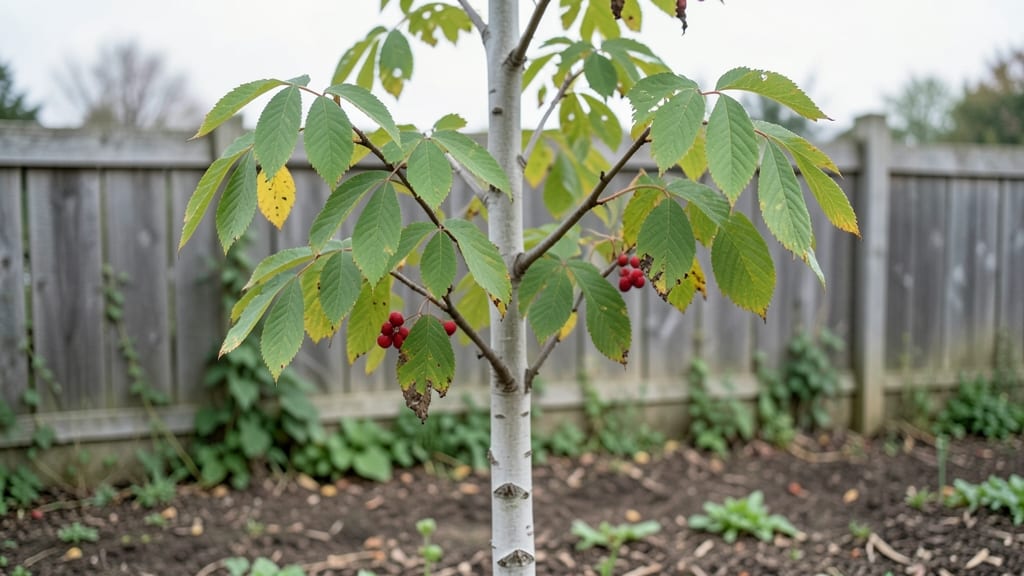
Rowan tree leaves turn your Pacific Northwest garden into a buzzing pollinator magnet—until those telltale spots or yellowing edges ruin the show. 🌿 I’ve watched rowans handle frost like champions, only to see aphids or fungal spots turn their glossy foliage dull.
The good news? Most issues fix with simple care adjustments.
Start by checking leaf undersides for pests—aphids love rowans, but a strong spray of water or neem oil sends them packing. Fungal spots? Prune affected branches in dry weather and avoid overhead watering.
Healthy rowans thrive with well-draining soil and morning sun, so amend heavy clay if leaves yellow or wilt.
📚 In This Guide
- What you need
- Instructions
- Tips and common mistakes
- Wrapping up and next steps
What you need
- ● Fresh or dried rowan tree leaves – Collect 10-20 healthy leaves (fresh) or 5-10 dried leaves (for crafts/tea). Ensure they’re from a non-toxic rowan tree (Sorbus aucuparia or Sorbus occidentalis).
- ● Pruning shears or small scissors – For harvesting leaves safely (blade length: 4-6 inches).
- ○ Gloves (optional but recommended) – Lightweight gardening gloves to protect hands from thorns or sap.
- ● Labeling tags & markers – If preserving leaves for future use (e.g., acid-free tags for herbariums).
- ● Drying tray or screen – For air-drying leaves (e.g., mesh drying rack or parchment paper).
- ○ Herbarium press (optional) – If flattening leaves for crafts (e.g., 10x15-inch press).
- ○ Small mortar & pestle (optional) – For crushing dried leaves into powder (e.g., for natural dyes or remedies).
- ○ Digital scale (optional) – For precise measurements in herbalism (0.1g–100g range).
- ● Basic knowledge of rowan tree identification to avoid mistaking it for toxic look-alikes (e.g., mountain ash).
- ● Access to a rowan tree in your area (common in PNW forests, parks, or gardens).
- ● Permission to harvest from private or protected land (when applicable).
How to grow and care for rowan tree leaves in the Pacific Northwest
This hardy tree thrives in cold climates and attracts pollinators—here’s how to cultivate it successfully.
🌱 Step 1: Choose the Right Location for Planting
Rowan trees love full sun to partial shade, making them perfect for Pacific Northwest gardens where winters can be damp and cool. Pick a spot with at least 6 hours of direct sunlight daily, but they’ll tolerate morning sun and afternoon shade if summers are hot. Avoid low-lying areas where frost lingers—rowans hate soggy roots but handle frost and snow like a champ.
Test the soil by digging a 6-inch hole—if it feels compacted or stays wet for days, amend it with compost or well-rotted manure to improve drainage. The ideal soil is moist but well-draining, and rowans adapt well to sandy, loamy, or slightly acidic soils (pH 5.0–7.0). If your soil is heavy clay, mix in sand or perlite to prevent waterlogging.
☀️ Step 2: Plant Bare-Root or Container-Grown Saplings
Rowan trees grow from bare-root saplings or container-grown plants, both available at nurseries. If planting bare-root, soak the roots in lukewarm water for 1–2 hours before handling—this revives dormant roots and helps them establish faster. For container-grown trees, water them 24 hours before planting to reduce transplant shock.
Dig a hole twice as wide as the root ball but no deeper—rowans dislike having their roots buried too deeply. Gently loosen the roots if they’re circling in the pot, then place the tree in the hole so the top of the root ball sits level with the ground. Backfill with native soil, tamping lightly to remove air pockets. Water deeply to settle the soil and eliminate gaps.
💧 Step 3: Water and Mulch for Frost Resistance
Water newly planted rowans deeply once a week during the first growing season, ensuring the soil stays moist but not soggy. After establishment, they’re drought-tolerant but still appreciate regular watering during dry spells. You’ll know moisture is right when the top 2 inches of soil feel damp—stick your finger in to check.
Apply a 3-inch layer of organic mulch (like wood chips or straw) around the base, keeping it 6 inches away from the trunk to prevent rot. Mulch insulates roots in winter and retains moisture in summer. Replenish mulch annually—this helps rowans withstand temperatures down to -30°F, making them ideal for PNW winters.
✂️ Step 4: Prune for Shape and Pollinator Health
Prune rowans in late winter or early spring before new growth begins. Remove dead, diseased, or crossing branches first—these can harbor pests or block sunlight. Thin out crowded branches to improve airflow, which reduces fungal risks. Rowan trees naturally grow round and bushy, so light pruning keeps them balanced without sacrificing their pollinator-friendly structure.
If you’re growing rowans for their bright red berries (which birds and pollinators adore), avoid heavy pruning—they produce fruit on older wood. Instead, focus on shaping and removing suckers that pop up around the base. Wear gloves when handling branches, as rowan sap can irritate skin.
🌿 Step 5: Monitor for Pests and Seasonal Care
Rowan trees are pest-resistant, but watch for aphids or spider mites in dry summers. Spray infested branches with neem oil or insecticidal soap if you spot sticky residue (aphids) or fine webbing (mites). Healthy rowans rarely need pesticides—strong growth is your best defense against pests.
In fall, rake up fallen leaves and compost them to reduce fungal buildup. Rowan leaves are edible (cook them like spinach!) and attract beneficial insects, but a clean base prevents overwintering pests. Fertilize lightly in early spring with a balanced, slow-release fertilizer (10-10-10) if growth seems slow. Mature rowans rarely need feeding—they’re self-sufficient once established.
Tips & tricks for perfect rowan tree cultivation
These practical insights will help you grow a thriving rowan tree that thrives in Pacific Northwest conditions and supports local pollinators.
Location Intelligence: When selecting your planting spot in Step 1, consider microclimates within your yard. The south or west side of your property typically gets the most sun, but rowans can handle morning shade if afternoons are hot. I've seen rowans grow beautifully under large evergreens where other plants struggle—just ensure they get that crucial 6 hours of sunlight.
Root Revival Technique: For bare-root saplings in Step 2, don't just dip roots in water—give them that full 1-2 hour soak. I've learned this the hard way: rushed planting leads to slower establishment. Pro tip: Trim any damaged roots with clean pruners before planting to encourage new growth from healthy tissue.
Mulch Mastery: That 3-inch layer of mulch in Step 3 isn't just decoration—it's insulation for winter survival. I recommend using cedar chips or straw because they break down slowly and don't compact like other mulches. Keep that mulch ring 6 inches from the trunk to prevent rot, and refresh it every spring before new growth begins.
Pruning Precision: When pruning in Step 4, make cuts just above a bud or branch junction at a 45-degree angle. This encourages better healing and growth. I always prune in late winter when the tree is dormant—you'll notice how much cleaner the cuts look and how quickly new growth appears in spring. Remember, rowans produce fruit on older wood, so avoid heavy pruning if you're growing them for berries.
Pro Tips for Rowan Tree Leaves
- These practical insights will help you grow a thriving rowan tree that thrives in Pacific Northwest conditions and supports local pollinators.
- Location Intelligence: When selecting your planting spot in Step 1, consider microclimates within your yard.
- Root Revival Technique: For bare-root saplings in Step 2, don't just dip roots in water—give them that full 1-2 hour soak.
Frequently asked questions
Got questions about rowan tree leaves? You’re not alone! Here are some of the most common queries—plus straightforward answers to help you make the most of this hardy Pacific Northwest tree.
When is the best time to harvest rowan tree leaves?
Harvest fresh rowan leaves in early spring or late summer when they’re vibrant and free of pests. Avoid autumn if berries are forming, as they can make leaves bitter. For dried leaves, pick them on a sunny day and hang them upside down to preserve their medicinal properties.
Are rowan leaves really frost-resistant? Can they survive winter?
Rowan trees (like Sorbus aucuparia) are extremely cold-hardy—they thrive in zones 3–7 and often retain leaves late into fall. While they may drop some foliage in harsh freezes, they regrow quickly in spring. Their resilience makes them perfect for wildlife-friendly landscapes.
Can I use rowan leaves as a substitute for other ornamental or medicinal plants?
Yes! Rowan leaves add bright color to arrangements and can replace hawthorn or mountain ash in crafts or teas. However, they’re not a direct substitute for edible herbs like bay—always research proper usage. Their bitter, astringent flavor works well in herbal remedies but may be too strong for cooking.
Why do rowan trees attract so many pollinators? How can I encourage more?
Rowan trees host butterflies, bees, and birds thanks to their early spring blooms and dense foliage. To boost pollinator visits, plant rowans near native wildflowers (like Oregon grape or salmonberry) and avoid pesticides. Their clusters of red berries also provide food for birds year-round!
My rowan leaves are yellowing or curling—what’s wrong?
Yellowing leaves often signal overwatering or fungal issues (like powdery mildew). Curling could mean aphids or spider mites. Try these fixes:
If problems persist, test soil pH (rowans prefer slightly acidic to neutral).
Wrapping up and next steps
Rowan tree leaves aren’t just resilient—they’re ecological superstars for the Pacific Northwest! 🌿 Their frost resistance, pollinator appeal, and adaptability make them a standout choice for gardeners and conservationists alike. Whether you’re reviving a struggling landscape or boosting local biodiversity, these leaves offer a low-maintenance, high-reward solution.
Ready to harness their power? Start by planting a rowan tree in your yard or sharing these insights with fellow green thumbs. Every leaf contributes to a healthier ecosystem—let’s grow it together! 🌱