Pruning
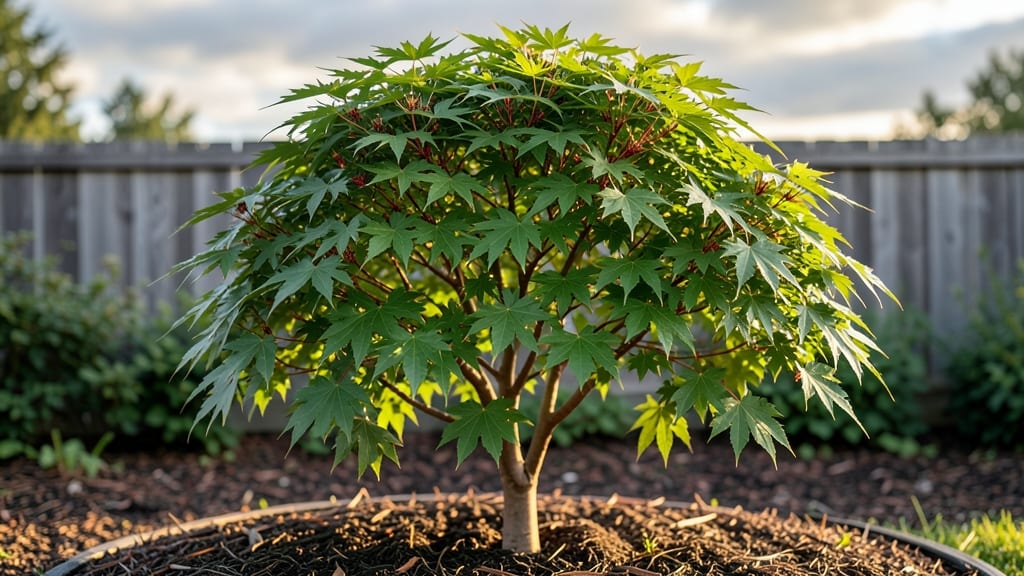
Planting an emerald luster maple tree in the Pacific Northwest means adding a frost-resistant standout that stays vibrant through all four seasons. 🌿 I remember the first time I saw one—its glossy leaves shimmered even in winter, defying the gray Pacific Northwest skies.
This isn’t just another shade tree; it’s a year-round conversation piece with minimal fuss.
The secret to its success lies in the right conditions: well-draining soil, full sun to partial shade, and that signature Pacific Northwest climate where it thrives without babying. You’ll need a spot with at least 6 hours of sunlight daily and soil that drains well—this tree hates soggy roots.
The planting itself takes about 30 minutes, but the payoff is decades of trouble-free growth.
Once established, it’s nearly maintenance-free, though a light pruning in late winter keeps its shape perfect. The leaves stay deep green and glossy even in winter, and the bark develops striking exfoliating patterns as it matures.
No other tree in the region gives you this much beauty with so little effort.
Perfect for urban yards, park plantings, or as a striking focal point in any landscape. The key to long-term health? Plant it right the first time, then step back and admire the show. We’ll cover everything from soil prep to pruning in the steps ahead.
📚 In This Guide
- What you need
- Instructions
- Tips and common mistakes
- Wrapping up and next steps
What you need
- ● Pruning shears: Bypass pruners (sharp, 6–8" blades) for small branches.
- ● Loppers: 18–24" for thicker branches (½–2" diameter).
- ● Pruning saw: 1 for branches >2" in diameter (bow or folding saw).
- ● Gloves: Heavy-duty, cut-resistant (e.g., Felco or Fiskars).
- ● Disinfectant: 70% isopropyl alcohol or bleach solution (1 part bleach : 9 parts water) to sterilize tools.
- ○ Pruning sealant: Optional but helpful for large cuts (e.g., Tanglefoot Tree Wound Pruning Seal).
- ● Ladder or stump: Sturdy, extendable (20–30 ft for tall trees).
- ● Safety gear: Goggles, long sleeves, and closed-toe shoes.
- ● Trash bags: Heavy-duty (10–20 gallons) for debris.
- ● Marking twine or flags: For tagging branches to remove.
- ● Pole pruner: For high branches (12–20 ft reach).
- ● Extension cord/saw: If using a chainsaw for very thick branches.
- ● Tree bag: Mesh bag to collect fallen leaves/debris.
- ● First-aid kit: Just in case of minor scrapes or stings.
- ● Camera: Snap pics of your progress (or mistakes to learn from!).
Step-by-Step guide to planting and caring for an Emerald Luster Maple tree
This stunning tree thrives in the Pacific Northwest's climate—here's how to plant and nurture it for year-round beauty.
🌱 Step 1: Choose the Perfect Planting Site
The Emerald Luster Maple (Acer rufinerve) craves full sun to partial shade—at least 6 hours of direct sunlight daily—but tolerates dappled shade in hotter microclimates. In the Pacific Northwest, a spot with morning sun and afternoon shade works beautifully. Avoid low-lying areas where cold air pools, as this frost-sensitive tree needs good air circulation to prevent winter damage.
Test the soil by digging a 12-inch hole—it should drain well but retain moisture. If your soil is heavy clay, amend with 3-4 inches of organic compost mixed into the top 12 inches of native soil. The tree’s shallow roots appreciate loose, well-aerated soil. I always check for underground utilities or rocks before planting; this tree’s roots spread aggressively and can damage buried pipes or crack pavement over time.
🪴 Step 2: Plant at the Right Time and Depth
Plant your Emerald Luster Maple in early spring or fall, when temperatures are cool but not freezing. Avoid summer heat, which stresses young trees. Dig a hole twice as wide as the root ball but no deeper—the top of the root ball should sit 1-2 inches above ground level to prevent waterlogging. This tree’s roots are sensitive to suffocation, so resist the urge to bury it deeply.
Gently remove the tree from its container and loosen any circling roots with your fingers. Place it in the hole, ensuring the trunk is straight and the roots spread naturally. Backfill with the native soil you removed, tamping lightly every 4-6 inches to eliminate air pockets. Water deeply to settle the soil—you’ll know it’s right when moisture reaches the bottom of the hole and drains within 30 minutes. Mulch with 2-3 inches of wood chips, keeping the mulch 6 inches away from the trunk to prevent rot.
☀️ Step 3: Water Deeply and Establish a Care Routine
Water deeply once a week during the first growing season, providing 10-15 gallons per watering to encourage deep root growth. Check moisture by sticking your finger 3 inches into the soil—if it feels dry, water again. Overwatering is a common mistake; this tree’s roots rot quickly in soggy conditions. In the Pacific Northwest’s rainy climate, you may need to adjust for excessive moisture, especially in winter.
Fertilize lightly in early spring with a balanced, slow-release fertilizer (10-10-10) applied 6 inches from the trunk and watered in. Avoid high-nitrogen fertilizers, which promote leafy growth at the expense of cold hardiness. Prune in late winter or early spring before new growth begins, removing any dead, diseased, or crossing branches. This tree’s natural shape is elegant, so minimal pruning keeps it looking effortless.
⏰ Step 4: Protect Against Winter Conditions
The Emerald Luster Maple is cold-hardy to USDA Zone 5, but young trees benefit from winter protection in the Pacific Northwest’s unpredictable frost. Apply 2-3 inches of mulch around the base in late fall, extending the mulch ring 12 inches wider than the canopy. Wrap the trunk of young trees (under 3 years old) with burlap or tree wrap to prevent sunscald, a common issue when winter sun hits thawing bark.
Watch for ice encasement during heavy storms—tap branches gently to dislodge ice before it causes breakage. In windy areas, consider staking young trees for the first 2-3 winters until their root systems stabilize. This tree’s glossy foliage is stunning year-round, but winter care ensures it survives the region’s occasional late frosts and windbursts.
Tips & tricks for perfect Emerald Luster Maple tree planting
These practical insights will help your Emerald Luster Maple thrive for decades in the Pacific Northwest's challenging climate.
Site Selection Secret: When evaluating sunlight in Step 1, remember that "dappled shade" means filtered light through other trees—not deep shade under dense canopies. I've seen trees struggle when planted under evergreens that block all sunlight during winter months. Test your site in late afternoon during summer to see how sunlight patterns change throughout the day.
Root Care Critical: The 12-inch hole depth mentioned in Step 1 is non-negotiable for this tree's shallow root system. After loosening circling roots in Step 2, I recommend soaking the root ball for 10-15 minutes before planting to ensure they're fully hydrated. This helps reduce transplant shock, especially important in our region's dry summers. The top of the root ball should always remain visible—never bury it completely.
Watering Wisdom: That weekly 10-15 gallon watering in Step 3 might seem excessive, but it's essential for establishing deep roots. Use a rain gauge to measure your area's weekly rainfall—if you get 2+ inches, you can reduce watering frequency. For the first two years, I recommend checking soil moisture at 3 inches depth every 3-4 days during dry spells to ensure consistent moisture without overwatering.
Winter Protection Pro Tip: When applying that 2-3 inches of mulch in Step 4, extend the mulch ring beyond the canopy's edge to protect surface roots from temperature fluctuations. I've found that using shredded cedar mulch (rather than wood chips) provides additional pest deterrence while maintaining moisture. For young trees, consider adding a layer of straw over the mulch during extreme freeze events—this creates an insulating blanket that can make all the difference.
Pro Tips for Emerald Luster Maple Tree
- These practical insights will help your Emerald Luster Maple thrive for decades in the Pacific Northwest's challenging climate.
- Site Selection Secret: When evaluating sunlight in Step 1, remember that "dappled shade" means filtered light through other trees—not deep shade under dense canopies.
- Root Care Critical: The 12-inch hole depth mentioned in Step 1 is non-negotiable for this tree's shallow root system.
Frequently asked questions
Got questions about the stunning Emerald Luster Maple? You're not alone!
Here are answers to the most common queries from gardeners and landscapers in the Pacific Northwest—plus a few pruning pro tips to keep your tree thriving year-round.
How cold can an Emerald Luster Maple handle?
The Emerald Luster Maple is a zone 4-8 hardy beauty, meaning it can survive winters down to -30°F (-34°C) without flinching. Perfect for PNW’s frosty nights! Just ensure it’s planted in well-draining soil to avoid root rot in heavy rains.
When’s the best time to prune for maximum luster?
Prune in late winter or early spring (February–March) before new growth sprouts. This timing preserves the vibrant green foliage and encourages dense, glossy leaves. Avoid heavy pruning in fall—it stresses the tree before winter. Pro tip: Sterilize tools with rubbing alcohol to prevent disease!
Can I grow this tree in a container?
While possible, the Emerald Luster Maple thrives best in ground planting due to its size (20–25 ft tall/wide). If container-grown, use a 50+ gallon pot with drainage holes and repot every 2–3 years. Expect slower growth and less lush foliage compared to in-ground trees.
What pests or diseases should I watch for?
Common issues include:
- Aphids: Spray with water or neem oil to deter these sap-suckers.
- Powdery mildew: Improve airflow by pruning dense branches.
- Verticillium wilt: Remove infected plants immediately to protect others.
For prevention, mulch around the base (but avoid touching the trunk) and water at the soil level—not overhead.
How fast does it grow, and when will I see its signature shine?
Expect 12–24 inches of growth per year under ideal conditions. The glossy, emerald-green leaves (hence the name!) typically emerge fully by mid-spring and retain their vibrancy until frost. Patience pays off—full luster peaks at 5–10 years old!
Bonus Tip: Pruning for Year-Round Appeal
To keep your Emerald Luster Maple looking its best:
- Thin out crossing branches in winter to improve airflow.
- Shape lightly in summer to encourage bushier growth.
- Remove dead/diseased wood immediately—don’t wait!
Remember: Less is more with maples—they’re sensitive to over-pruning!
Wrapping up and next steps
The Emerald Luster Maple is a stunning, frost-resistant gem that brings year-round beauty to the Pacific Northwest—whether you’re admiring its vibrant foliage or its fiery autumn hues.
With the right pruning techniques and care, you can keep this tree thriving for decades, ensuring it remains a standout feature in your landscape. 🌿
Ready to give your Emerald Luster Maple the attention it deserves? Grab your tools, follow the steps you’ve learned, and schedule your first pruning session this spring—your tree will thank you with lush, healthy growth!
For extra confidence, consider consulting a local arborist or joining a gardening forum to share your progress.