
Pruning
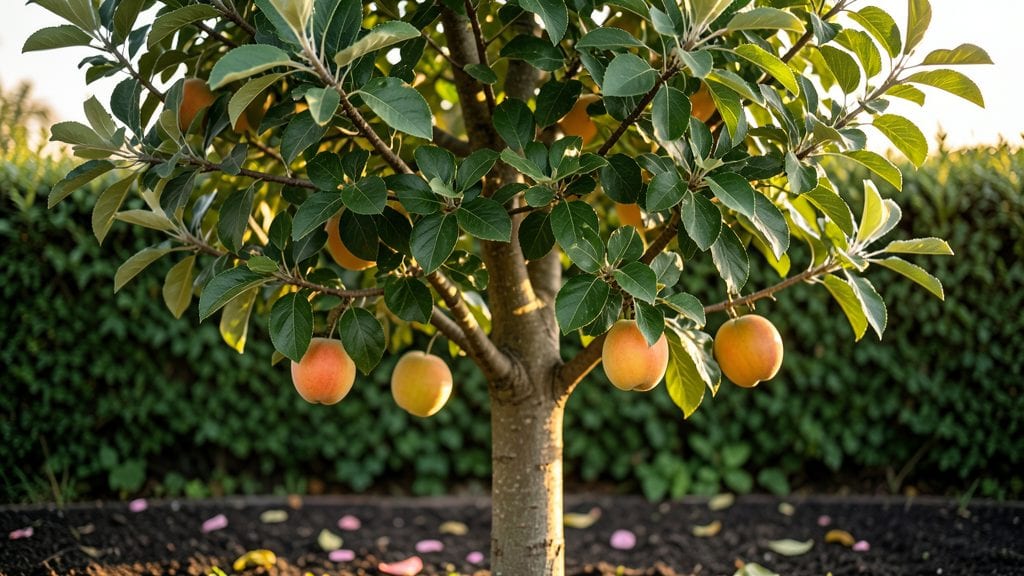
Growing a real nectarine tree in the Pacific Northwest means sweet, juicy fruit with half the fuss of other stone fruits. 🌱 I planted mine last spring, and now it’s thriving—no fancy orchard needed.
The secret? Choosing the right variety and giving it just enough attention to avoid common pitfalls like cracking fruit or powdery mildew.
These trees love the PNW’s mild summers and cool winters, but they need well-draining soil and full sun to reward you with 20-30 pounds of fruit per tree once established.
Start with a 2-3 gallon container sapling (not seed—it’s too slow) and plant in early spring or fall. Water deeply once a week after that, and you’re set.
Pruning in late winter keeps the tree open for airflow, and a light fertilizer in early spring ensures steady growth. By summer, you’ll be harvesting nectarines that taste like sunshine—no pesticides required if you pick them early and keep the birds at bay with netting.
Perfect for small yards or urban lots, nectarine trees need less space than peaches but deliver the same burst of flavor with minimal effort. Here’s how to make yours a success from day one.
📚 In This Guide
- What you need
- Instructions
- Tips and common mistakes
- Wrapping up and next steps
What you need
- ● Nectarine Tree Sapling: Choose a Prunus persica (nectarine) variety hardy to USDA Zones 5-8 (e.g., 'Redhaven,' 'Fantasia,' or 'June Red'). Buy from a local nursery or mail-order supplier.
- ● Well-Draining Soil: 3-5 cubic yards of loamy soil mix (amend with compost or peat moss if your native soil is clay-heavy). Aim for a pH of 6.0–7.0.
- ● Organic Fertilizer: 10-10-10 or balanced fruit-tree fertilizer (5 lbs per tree at planting; 2 lbs annually afterward). Avoid high-nitrogen blends.
- ● Mulch: 2–3 inches of wood chips or straw (keep 6 inches away from the trunk to prevent rot).
- ● Pruning Tools: 1 bypass pruners (for clean cuts on branches <½" thick).
- ● 1 loppers (for branches ½"–2" thick).
- ● 1 pruning saw (for thick branches >2").
- ● 1 disinfectant spray (70% isopropyl alcohol or bleach solution) to sterilize tools between cuts.
- ● Support Stakes: 2–3 4-foot wooden stakes + twist ties or soft tree ties (for young trees in windy PNW areas).
- ● Drip Irrigation System: A soaker hose or micro-sprinklers (1–2 per tree) to deliver consistent moisture.
- ● Fruit Thinning Shears: Small, sharp scissors for removing excess fruit to improve size/quality.
- ● Bird Netting: Lightweight floating row cover (10x10 ft) to protect ripening nectarines from hungry birds.
- ● Soil Moisture Meter: A digital probe to monitor root-zone hydration (critical in PNW’s dry summers).
- ● Tree Guard: Plastic tree wrap (for young trunks to deter gnawing critters).
Step-by-step guide to planting and caring for a nectarine tree in the Pacific Northwest
Here's how I've successfully grown thriving nectarine trees in our rainy, cool climate.
🌱 Step 1: Choose the Right Variety and Planting Site
Select a Pacific Northwest-specific nectarine variety like 'Redhaven' or 'Fantasia'—they handle our cooler summers better than southern varieties. The key is finding a spot with at least 6-8 hours of direct sunlight daily, even if it means choosing a south-facing slope or protected area. I always test the site by observing sunlight patterns for a week before planting.
Nectarines need well-draining soil with a pH between 6.0 and 7.0. If your soil is heavy clay (common in PNW), amend with 2-3 inches of compost mixed into the top 12 inches. Dig a hole twice as wide as the root ball but no deeper—planting too deep suffocates the roots. I like to mound native soil in the center of the hole so the tree sits slightly higher than surrounding ground.
🪴 Step 2: Plant at the Correct Time and Depth
Plant bare-root trees in early spring (March-April) or container-grown trees in late winter before buds swell. Handle bare-root trees carefully—soak the roots in lukewarm water for 1-2 hours before planting to revive them. For container-grown trees, remove the pot and gently loosen any circling roots with your fingers.
Position the tree so the graft union (visible bump near the base) sits 2-3 inches above soil level. This prevents root rot from rising moisture. Backfill with native soil mixed with 1 part compost, tamping gently as you go. Water deeply until soil is saturated 12 inches down—you'll know it's right when water pools briefly at the surface before draining.
☀️ Step 3: Water and Mulch for First-Year Establishment
Newly planted nectarines need 1-2 inches of water weekly during the first growing season, more in summer heat waves. I use drip irrigation set to deliver water slowly at the base—avoid overhead sprinklers that spread disease. Check moisture by sticking your finger 3 inches deep; if dry, water again.
Apply 3-4 inches of wood chip mulch in a 3-foot diameter circle around the tree, keeping mulch 6 inches away from the trunk. This conserves moisture, regulates soil temperature, and prevents weeds. Replenish mulch annually in early spring. The first year is critical—proper watering and mulching gives roots time to establish before fruit production begins.
✂️ Step 4: Prune for Structure and Disease Prevention
Prune new trees annually in late winter (February) before buds swell. Remove any dead, crossing, or inward-growing branches first—these compete for energy. Open the center of the tree to improve airflow, which reduces fungal diseases like brown rot that plague PNW nectarines. Aim for a vase-shaped structure with main branches spaced 12-18 inches apart.
Use clean, sharp pruners and make cuts just outside the branch collar (the swollen area where the branch meets the trunk). Seal larger cuts (>1/2 inch) with pruning sealant to prevent silver leaf disease. Never remove more than 25% of the tree's foliage in one year—nectarines are sensitive to over-pruning. I always sterilize my tools with rubbing alcohol between cuts to prevent bacterial spread.
🌿 Step 5: Fertilize and Protect Through the Growing Season
Apply a balanced 10-10-10 fertilizer in early spring when buds swell, using 1/2 pound per 100 square feet of canopy. Switch to a low-nitrogen, high-phosphorus formula (5-10-10) when flowers appear to support fruit set. I avoid high-nitrogen fertilizers after flowering—they promote leafy growth at the expense of fruit development.
Watch for aphids and peach leaf curl (a fungal disease common in PNW). Treat leaf curl with copper fungicide in late fall or early spring before buds open. For pests, I use neem oil spray weekly during outbreaks. Thin fruit when it's 1 inch in diameter, leaving 6-8 inches between remaining fruits—this prevents overburdening and ensures larger, sweeter nectarines. Harvest when fruit slips easily from the tree and has full color.
Tips & tricks for perfect nectarine tree planting in the Pacific Northwest
These practical tips will help you navigate our unique climate and avoid common pitfalls when growing nectarine trees.
Site Selection Secret: In the Pacific Northwest, microclimates make all the difference. If your yard doesn't get full sun, consider planting near a south-facing wall or fence that absorbs heat during the day. I've had success with trees planted on gentle slopes where cold air naturally drains away. Test potential sites for a full week before planting to confirm they get the required 6-8 hours of direct sunlight.
Soil Prep Strategy: Our heavy clay soils need special attention. Before planting, mix in 2-3 inches of compost into the top 12 inches of soil and consider adding 1 part perlite or coarse sand to improve drainage. The goal is to create a well-aerated root zone that mimics the tree's natural growing conditions. I like to do a simple jar test (fill a jar with soil and water, shake, then measure how long it takes to settle) to check drainage before planting.
Planting Depth Caution: Positioning the graft union 2-3 inches above soil level is critical—this prevents moisture from rising and rotting the graft. I always use a level to ensure the tree sits perfectly straight in the hole. After backfilling, gently tap the soil to eliminate air pockets, then water until moisture reaches 12 inches deep. The soil should feel like a damp sponge, not soggy.
First-Year Watering Hack: Newly planted trees need consistent moisture, but our rainy climate makes this tricky. Install a drip irrigation system set to deliver 1-2 inches weekly—this prevents both underwatering and overwatering. I set a rain gauge nearby to adjust watering when we get more than an inch of rain in a week. The key is keeping the root zone consistently moist without waterlogging.
Pro Tips for Real Nectarine Tree
- These practical tips will help you navigate our unique climate and avoid common pitfalls when growing nectarine trees.
- Site Selection Secret: In the Pacific Northwest, microclimates make all the difference.
- Soil Prep Strategy: Our heavy clay soils need special attention.
Frequently asked questions
Got questions about growing a real nectarine tree in the Pacific Northwest? You’re not alone! Here are answers to the most common concerns—from planting to pruning—so you can enjoy sweet, homegrown nectarines with confidence.
Can I grow a nectarine tree in the Pacific Northwest, or is it too rainy?
While nectarines thrive in Zone 5-9, the Pacific Northwest’s mild summers and cool winters work well for low-chill varieties like ‘Red Gold’ or ‘Fantasy.’ Just plant in a sunny, sheltered spot (like near a south-facing wall) to reduce fungal risks from excess moisture. Drainage is key—avoid soggy soil!
How long does it take for a nectarine tree to bear fruit?
Patience is key! Most nectarine trees take 3–5 years to produce fruit after planting. Dwarf varieties may fruit faster (2–3 years), but regular pruning and proper care speed up the process. Pro tip: Fertilize lightly in early spring to encourage growth!
Do I need to prune my nectarine tree every year, or just when it’s overgrown?
Yearly pruning (late winter/early spring) keeps your tree healthy and productive. Focus on:
- Removing dead or crossing branches
- Thinning out excessive growth for airflow
- Shaping the tree to maximize sunlight for fruit
Why aren’t my nectarines ripening, even though the tree is full of fruit?
Common culprits include insufficient sunlight (6+ hours daily), overwatering, or nutrient deficiencies (like nitrogen or potassium). Check for:
- Yellow leaves? Adjust watering or test soil pH (6.0–7.0 ideal).
- Small, hard fruit? Thin excess fruit to redirect energy to fewer, sweeter nectarines.
- Poor color? Ensure full sun—shade delays ripening.
What’s a low-maintenance alternative if nectarines seem too fussy?
If nectarines feel high-maintenance, try peaches (hardier in PNW) or apricots (drought-tolerant). For zero-fuss fruit, consider:
- Fig trees (thrive in heat, minimal pruning)
- Dwarf apple varieties (like ‘Liberty’)—cold-hardy and productive
- Blueberries (acid-loving, great for containers)
Wrapping up and next steps
Growing a real nectarine tree in the Pacific Northwest isn’t just rewarding—it’s doable with the right care and a little patience! 🌳 From choosing the perfect variety to mastering pruning techniques, you’ve got all the tools to cultivate a thriving orchard.
The key? Consistency, proper timing, and a dash of enthusiasm.
Now that you’re equipped with knowledge, why not take the next step? Start small—plant a single tree or share your newfound expertise with fellow gardeners. Your future harvest of juicy, sun-ripened nectarines is waiting!