
Pruning
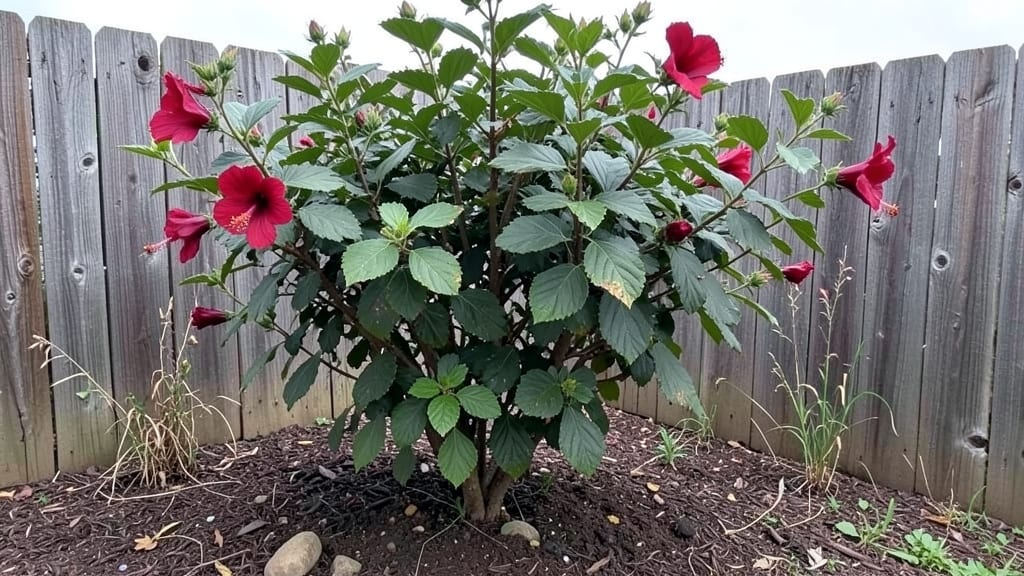
The red Tree Rose of Sharon thrives in the Pacific Northwest’s damp winters and mild summers—no other shrub delivers that bold, late-summer crimson show with so little fuss. 🌿 I’ve grown mine for five years, and it’s become the star of my backyard, blooming reliably even after heavy rains.
The key isn’t just planting it right; it’s knowing when to prune to keep those branches sturdy and the flowers coming back bigger every year.
This hardy hibiscus handles everything from clay soil to rocky slopes, but it rewards you most when you give it a sunny spot and a little seasonal care. Spring planting lets roots establish before summer heat, while fall planting gives it time to settle before winter rains.
Once established, it’s drought-tolerant but still loves a deep watering every two weeks during dry spells—just don’t let it sit in soggy soil.
By pruning at the right times—lightly after blooming and more aggressively in late winter—you’ll encourage stronger growth and even more dramatic flowers next season.
The first year might feel slow, but by year three, you’ll have a shrub that’s both a privacy screen and a pollinator magnet, with blooms that last from August until frost. Few plants give you that much bang for your buck.
Whether you’re shaping it as a small tree or keeping it as a multi-stemmed shrub, the red Tree Rose of Sharon adapts beautifully. The real secret? Pruning isn’t just about shaping—it’s about timing. Let’s get into the exact schedule that keeps yours thriving year after year.
📚 In This Guide
- What you need
- Instructions
- Tips and common mistakes
- Wrapping up and next steps
What you need
- ● Pruning shears: Bypass pruners (sharp, clean, and sterilized to prevent disease). Look for bypass blades (5-7 inches) for clean cuts.
- ● Loppers: For thicker branches (up to 2 inches in diameter). Choose bypass loppers with long handles (24-36 inches) for leverage.
- ● Pruning saw: For branches too thick for loppers (2+ inches). A curved-tooth pruning saw minimizes tear-out.
- ● Gloves: Heavy-duty gardening gloves (nitrile-coated for grip and protection from thorns).
- ○ Disinfectant: Rubbing alcohol (70%+) or a pruning sealant (optional but recommended for large cuts).
- ● Trash bags or bucket: For collecting pruned branches and debris (5-gallon capacity recommended).
- ● Notebook & pen: To jot down notes on cuts, growth patterns, or future pruning plans.
- ● Extension pole: For hard-to-reach branches (with adjustable pruners attached).
- ● Hand sanitizer: To keep your hands clean while working.
- ● Pruning paint/sealant: For sealing large cuts (>1 inch) to prevent disease.
- ● Knee pads: If you’ll be kneeling or working on the ground.
- ● Safety glasses: To protect your eyes from debris.
Instructions for pruning red Tree Rose of Sharon in the Pacific Northwest
Here's the seasonal pruning routine I swear by for keeping your Rose of Sharon thriving year after year.
✂️ Step 1: Late Winter Cleanup (February-March)
Start your pruning as soon as the last frost date passes in your area—here in the PNW, that's typically late February to early March. Grab your pruners and remove any dead, damaged, or crossing branches first. These are easy to spot—they'll be brown, brittle, or growing inward toward the center of the plant.
I always cut back to a healthy outward-facing bud or branch. This ensures the plant directs energy toward new growth rather than struggling to revive dead wood. Make cuts at a 45-degree angle about ¼ inch above the bud to prevent water from pooling and rotting the stem.
☀️ Step 2: Summer Light Pruning (June-July)
After the initial winter pruning, your Rose of Sharon will burst into growth. In late June or early July, do a lighter pruning to shape the plant and encourage bushier growth. Remove any branches that are growing too close together or crossing—this improves air circulation and reduces disease risk.
Look for branches that are growing straight up rather than outward. These "water sprouts" take energy from the plant without contributing to the flower display. Cut them back to a side branch or bud. You'll see the plant respond within weeks with fuller, more vibrant growth.
✂️ Step 3: Post-Bloom Renewal (August-September)
Once your Rose of Sharon finishes blooming—usually in late summer—it's time for another round of pruning. Cut back about ⅓ of the oldest stems to the ground. This rejuvenates the plant and encourages new growth for next year's blooms.
I like to leave the newer stems alone unless they're damaged. These stems will produce next year's flowers, so you're essentially sacrificing this year's growth for a stronger plant in the future. After pruning, give the plant a light feeding with a balanced fertilizer to support new growth.
⏰ Step 4: Fall Preparation (October-November)
As temperatures drop and the plant enters dormancy, do a final light pruning to remove any dead or diseased branches that might have appeared over the summer. This keeps your plant healthy and ready for winter.
Don't prune too late in the season—stop by mid-November to allow the plant to harden off properly before winter. If you're in a particularly cold microclimate, consider wrapping the base of the plant with burlap or mulching heavily to protect the roots from freezing temperatures.
Tips & tricks for pruning red Tree Rose of Sharon
Pruning your Rose of Sharon might seem intimidating, but these simple tricks will help you keep your plant thriving without the guesswork.
Timing is Everything: The late winter cleanup in February-March is your first chance to set the plant up for success. I've learned the hard way that pruning too early—before the last frost—can expose tender new growth to freezing temperatures. Always wait until you're certain frost is over in your area, and don't be afraid to check your local frost date calendar if you're unsure. This single step makes all the difference in spring recovery.
Cutting Technique Matters: When you make those 45-degree cuts about ¼ inch above the bud in Step 1, here's what I've found works best: Use sharp pruners to make clean cuts, and avoid tearing the bark. I like to sterilize my pruners with rubbing alcohol between cuts to prevent spreading disease. The angle helps water run off the cut rather than pooling, which is crucial for preventing rot in our damp PNW climate.
Seasonal Strategy: The post-bloom renewal in late summer is where you make sacrifices for future rewards. When you cut back about ⅓ of those oldest stems, you're essentially making room for next year's blooms. I think of it like giving your plant a haircut—sacrificing length now for fuller, healthier growth later. This is especially important in our rainy summers when fungal diseases can spread more easily through dense foliage.
Winter Protection: For our colder PNW winters, I've found that wrapping the base with burlap and adding extra mulch can make the difference between a plant that survives and one that thrives. The mulch acts like a blanket, protecting those roots from freezing temperatures. I usually add about 3-4 inches of mulch around the base, but don't pile it against the trunk itself—this can cause rot.
Pro Tips for Red Tree Rose Of Sharon
- Pruning your Rose of Sharon might seem intimidating, but these simple tricks will help you keep your plant thriving without the guesswork.
- Timing is Everything: The late winter cleanup in February-March is your first chance to set the plant up for success.
- Cutting Technique Matters: When you make those 45-degree cuts about ¼ inch above the bud in Step 1, here's what I've found works best: Use sharp pruners to make clean cuts, and avoid tearing the bark.
Frequently asked questions
Got questions about pruning your Red Tree Rose of Sharon? You’re not alone—this stunning Pacific Northwest shrub has a few quirks! Here are answers to the most common queries to keep your plant thriving.
When is the best time to prune my Red Tree Rose of Sharon?
The ideal window is late winter or early spring (before new growth starts), but you can also trim lightly after flowering to shape it. Avoid heavy pruning in fall—it stimulates tender growth that may not survive PNW winters. Pro tip: If you’re unsure, wait until after the last frost!
How hard can I prune my Red Tree Rose of Sharon?
This hardy shrub can handle aggressive pruning—up to one-third of its height—without stress. For rejuvenation, cut back old stems to 6–12 inches from the ground. Just avoid over-pruning in one season; spread it out over 2–3 years for the best results.
Why isn’t my Red Tree Rose of Sharon blooming?
Lack of blooms often stems from overcrowded branches or insufficient sunlight. Thin out dense growth and ensure it gets at least 6 hours of sun daily. Also, prune after flowering to encourage next year’s buds. If it’s still sparse, check for pests or nutrient deficiencies!
Does the Red Tree Rose of Sharon need winter protection in the PNW?
Generally, no—this shrub is zoned for USDA 5–9 and tough enough for PNW winters. However, if you’re in a micro-climate with harsh winds or heavy snow, a light mulch around the base can help. Young plants may benefit from burlap wraps in extreme cold.
Can I prune my Red Tree Rose of Sharon to keep it smaller?
Prune back one-third of the oldest stems annually to control size and encourage bushier growth. For a hedge-like shape, trim new growth regularly during the growing season. Just avoid cutting into woody stems—focus on softer, flexible branches for cleaner cuts.
Wrapping up and next steps
The Red Tree Rose of Sharon is a resilient gem of the Pacific Northwest, thriving with the right care—especially when it comes to pruning! By following this hardy pruning calendar, you’ll keep your shrub lush, blooming, and healthy year after year.
Whether you’re a seasoned gardener or just starting, these tips make maintenance simple and rewarding.
Now that you’re armed with the know-how, grab your pruners and get outside! 🌿 Start with a fresh cut in early spring, and soon you’ll be enjoying vibrant blooms that turn heads in your garden. Happy pruning!