
Landscaping
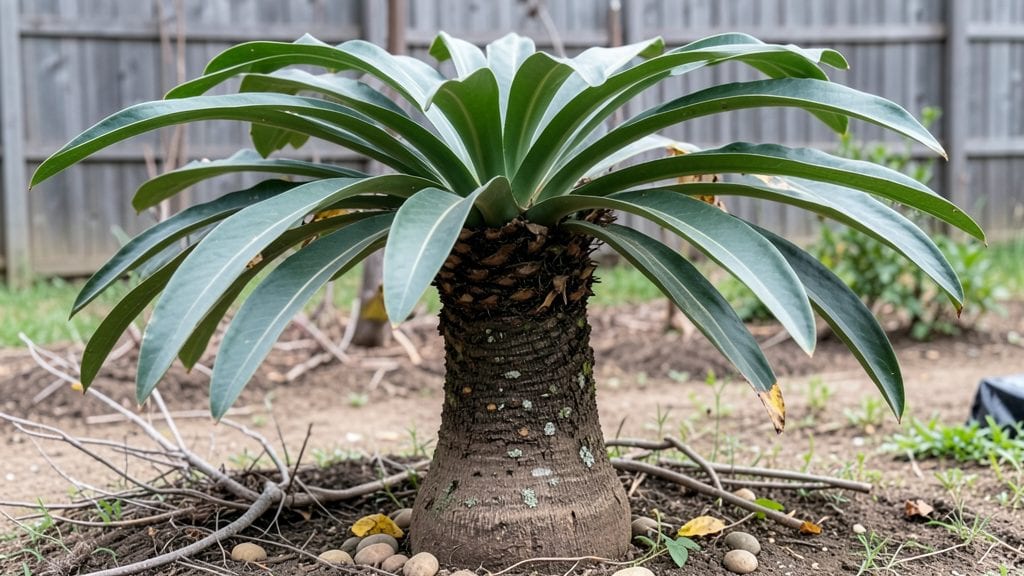
Creating a Tree of Life landscape in the Pacific Northwest turns your yard into a thriving wildlife haven that works year-round. 🌿 The key? Layering native evergreens, drought-tolerant shrubs, and symbolic trees that feed birds, shelter pollinators, and stay lush even in winter's damp chill.
Start with a baobab-inspired focal point—whether a small olive tree, a sculpted stone baobab, or a native arbutus with its peeling bark and red berries. Add pathways of crushed gravel or stepping stones to guide visitors through the layers of plant life while keeping maintenance simple.
The Pacific Northwest’s mild winters mean you can plant almost anytime, but spring and fall give roots the best chance to establish.
By summer, your landscape will buzz with life: hummingbirds sipping from salal berries, bees pollinating Oregon grape flowers, and robins nesting in the dense foliage of a Pacific dogwood.
The symbolic elements—like a carved stone tree of life or a small water feature—tie it all together, creating a space that feels both sacred and alive.
This design works in small courtyards or sprawling backyards, adapting to your space while always delivering that wildlife magnet effect. Ready to transform your outdoor space into a living ecosystem?
📚 In This Guide
- What you need
- Instructions
- Tips and common mistakes
- Wrapping up and next steps
What you need
- ● Native Trees & Shrubs (5-10+ varieties): Douglas Fir (Pseudotsuga menziesii) – 2-3 mature trees
- ● Western Red Cedar (Thuja plicata) – 1-2 large shrubs
- ● Oregon Grape (Mahonia aquifolium) – 3-5 bushes
- ● Salal (Gaultheria shallon) – 5-10 ground cover plants
- ● Sword Fern (Polystichum munitum) – 10+ fronds for texture
- ● Wildlife-Friendly Plants: Salmonberry (Rubus spectabilis) – 2-3 plants
- ● Red Elderberry (Sambucus racemosa) – 1-2 bushes
- ● Yarrow (Achillea millefolium) – 5-10 plants (for pollinators)
- ● Soil & Mulch: Compost (2-3 cubic yards) – for enriching native soil
- ● Wood chips or bark mulch (1-2 bags) – to retain moisture
- ● Water Source: Birdbath or small pond (1-2 gallons capacity)
- ○ Drip irrigation system (optional, for drought-prone areas)
- ● Hand Tools: Pruners (bypass or anvil type)
- ● Garden trowel & spade
- ● Loppers (for larger branches)
- ○ Power Tools (Optional): Chainsaw (for clearing large areas)
- ● Hedge trimmer (for shaping shrubs)
- ● Safety Gear: Work gloves (heavy-duty)
- ● Safety goggles
- ● Knee pads (for comfort)
- ● Prerequisites: Sunlight assessment (partial shade to full sun areas)
- ● Soil test kit (to check pH and nutrients)
- ● Local nursery visit (to source region-specific plants)
Step-by-Step instructions for designing a Tree of life landscape
Transform your Pacific Northwest yard into a thriving wildlife magnet with this layered approach.
🌱 Step 1: Select Native Species for Year-Round Support
Start with Pacific Northwest natives like Oregon grape (Mahonia aquifolium), salal (Gaultheria shallon), and sword fern (Polystichum munitum)—these provide food and shelter year-round. I focus on plants that offer berries, seeds, or evergreen foliage because wildlife depends on them in every season. For example, salal provides winter berries for birds, while vine maple (Acer circinatum) offers early spring flowers.
Layer your selections vertically: tall trees like Douglas fir (Pseudotsuga menziesii) for canopy cover, mid-height shrubs like red elderberry (Sambucus racemosa) for structure, and ground covers like creeping mahonia to fill gaps. This creates a multi-level habitat that attracts everything from hummingbirds to deer. I always include at least one nitrogen-fixing plant, like red alder (Alnus rubra), to improve soil health naturally.
🪴 Step 2: Plan for Wildlife Needs in Each Layer
Design your landscape in four functional layers: canopy, shrub, herbaceous, and ground cover. Each layer serves a purpose—canopy trees provide shade and nesting sites, shrubs offer berries and shelter, herbaceous plants (like yarrow or Oregon iris) attract pollinators, and ground covers (like salal or vanilla leaf) retain moisture and prevent erosion. I sketch a rough layout first, marking where sunlight, moisture, and wind will interact with each plant.
Leave gaps between plants—wildlife needs open spaces for movement. A 10-15 foot diameter clearing in the center of a dense planting invites birds to forage safely. I also include deadwood or snags (standing dead trees) if possible—they’re critical for cavity-nesting birds like owls and woodpeckers. Even a single log propped vertically can serve as a nesting site.
☀️ Step 3: Install with Soil and Water Considerations
Amend your soil with compost and leaf mold (common in the PNW) to improve drainage and fertility—native plants thrive in well-draining, slightly acidic soil (pH 5.0-6.5). I test soil moisture first; if it’s too compacted, I add coarse sand or bark mulch to prevent waterlogging. Plant in early spring or fall when temperatures are mild—this gives roots time to establish before summer heat or winter frost.
Water deeply once a week after planting, focusing on the root zone to encourage deep growth. Native plants are drought-tolerant once established, but young transplants need consistent moisture. I use drip irrigation to avoid wetting foliage, which reduces fungal diseases. Mulch heavily (3-4 inches) with wood chips or leaf litter to retain moisture and suppress weeds—this mimics the forest floor where these plants evolved.
🌿 Step 4: Add Wildlife Enhancements
Incorporate water features like a small pond or birdbath—even a shallow dish filled with fresh water attracts insects, amphibians, and birds. Place it near dense shrubs so wildlife feels protected. I also add rock piles or logs for reptiles and insects, and native wildflowers (like checker mallow or lupine) to support pollinators. Avoid pesticides entirely—neonicotinoids and other chemicals harm the very wildlife you’re trying to attract.
Finally, leave some areas intentionally wild. A patch of native grasses or sedges provides foraging space, while standing deadwood (even a single branch) offers habitat for insects and birds. I often leave last year’s seed heads on plants like goldenrod—they’re a winter food source for goldfinches and other birds. The goal is to create a self-sustaining ecosystem, not a manicured garden.
⏰ Step 5: Maintain for Long-Term Wildlife Benefits
Prune only when necessary—native plants often look "messy" in winter, but that’s when they provide critical shelter. I remove dead or diseased branches in late winter, just before new growth starts. Avoid heavy pruning of berry-producing shrubs like elderberry or salmonberry, as their fruit is a key food source. Instead, I thin out crowded growth to improve air circulation and reduce pests.
Monitor for invasive species like English ivy or blackberry, which outcompete natives. Pull them immediately—even small patches can spread rapidly. I also plant in stages, adding new species every few years to create succession (e.g., early bloomers like trillium followed by later-season sword fern). This ensures year-round interest for both wildlife and gardeners. Within 3-5 years, your landscape will become a self-sustaining wildlife magnet.
Tips & tricks for perfect Tree of life landscapes
Creating a thriving wildlife habitat doesn't require a green thumb—just strategic planning and a few key insights from Pacific Northwest ecosystems.
Layering Strategy: In Step 2, when planning your four functional layers, remember that the canopy layer should account for 30-50% of your planting space. I often use Douglas fir for its dense foliage that provides year-round shelter, while leaving 10-15 foot gaps between clusters creates perfect foraging corridors for birds and small mammals. Think of it like a forest understory—each layer supports different species at different life stages.
Native Plant Pairings: For Step 1, pair your nitrogen-fixing plants like red alder with acid-loving companions. I always combine alder with salal and Oregon grape—the alder improves soil fertility while the others thrive in the resulting acidic conditions. This creates a self-sustaining microclimate that mimics natural PNW ecosystems. The key is understanding which plants have complementary root systems and nutrient needs.
Water Feature Placement: When adding water features in Step 4, position them near dense shrub layers but with clear sightlines to your house. I've found that placing birdbaths at eye level with windows creates the most viewing opportunities while keeping wildlife safe. For ponds, include shallow edges (3-6 inches deep)—this allows frogs and dragonflies to access water while preventing mosquitoes from breeding. The goal is to create a wildlife oasis that's also visible and enjoyable for humans.
Succession Planning: In Step 5, when maintaining your landscape, think about planting in three-year cycles. Start with early bloomers like trillium and salmonberry, then add mid-season plants like Oregon iris, and finish with late-season evergreens like sword fern. This creates continuous food sources throughout the growing season. I keep a planting calendar with bloom times and wildlife needs to ensure no gaps in resources.
Pro Tips for Tree Of Life Landscape
- Creating a thriving wildlife habitat doesn't require a green thumb—just strategic planning and a few key insights from Pacific Northwest ecosystems.
- Layering Strategy: In Step 2, when planning your four functional layers, remember that the canopy layer should account for 30-50% of your planting space.
- Native Plant Pairings: For Step 1, pair your nitrogen-fixing plants like red alder with acid-loving companions.
Frequently asked questions
Got questions about creating or maintaining a Tree of Life landscape in the Pacific Northwest? You’re not alone! Here are some of the most common queries—and their answers—to help you get started or troubleshoot along the way.
What native plants should I prioritize for a Tree of Life landscape?
A Tree of Life landscape thrives on Pacific Northwest natives like Douglas fir, western red cedar, sword fern, salal, and Oregon grape. These plants support wildlife year-round, from birds to pollinators. Avoid invasive species—they disrupt local ecosystems and require constant upkeep. Local nurseries can help you source regionally adapted varieties!
How long does it take to establish a thriving Tree of Life landscape?
Patience is key! The first 1–2 years focus on soil prep and planting young natives. By years 3–5, you’ll see significant growth and wildlife activity, like birds nesting and bees buzzing. Mature landscapes (5+ years) become self-sustaining, with minimal intervention needed. Pro tip: Mulch heavily in the first year to retain moisture and suppress weeds.
Is a Tree of Life landscape budget-friendly long-term?
Upfront costs may seem high (plants, soil amendments, irrigation), but savings kick in fast. Native plants require less water, fertilizer, and pesticides than turf grass. Over 5 years, you’ll likely cut water bills by 50–70% and eliminate costly chemical treatments. DIY installation (volunteer labor, community swaps) can also slash expenses!
How do I attract more wildlife to my landscape?
Beyond plants, water sources (birdbaths, small ponds) and wildlife-friendly structures (bat houses, brush piles) make a huge difference. Leave leaf litter—it’s a buffet for insects and shelter for amphibians! Avoid pesticides, and consider planting in layers (tall trees, shrubs, ground covers) to create diverse habitats. Bonus: Native vine maple and salmonberry are especially irresistible to birds and mammals.
Will a Tree of Life landscape survive Pacific Northwest winters?
Pacific Northwest natives are winter-hardy
—they’ve evolved to handle rain, wind, and frost. Evergreens like western hemlock and Pacific yew provide year-round cover for wildlife, while deciduous trees (like bigleaf maple) offer seasonal food. Mulch 3–4 inches deep in fall to protect roots from freeze-thaw cycles. Snow? No problem! Many plants thrive under a white blanket.
Wrapping up and next steps
The Tree of Life landscape isn’t just a design—it’s a thriving ecosystem that brings the Pacific Northwest’s beauty to your backyard year-round. 🌿 By blending native plants, layered textures, and wildlife-friendly features, you’ve created a haven that supports biodiversity while adding timeless charm.
Whether you’re a gardener, nature lover, or homeowner, this approach proves that stunning landscapes can also be sustainable and alive.
Ready to take the next step? Start small—plant a few native species, add a birdbath, or research local wildlife corridors. Every action, no matter how tiny, helps nurture both your garden and the planet. Happy landscaping! 🌱