
Pruning
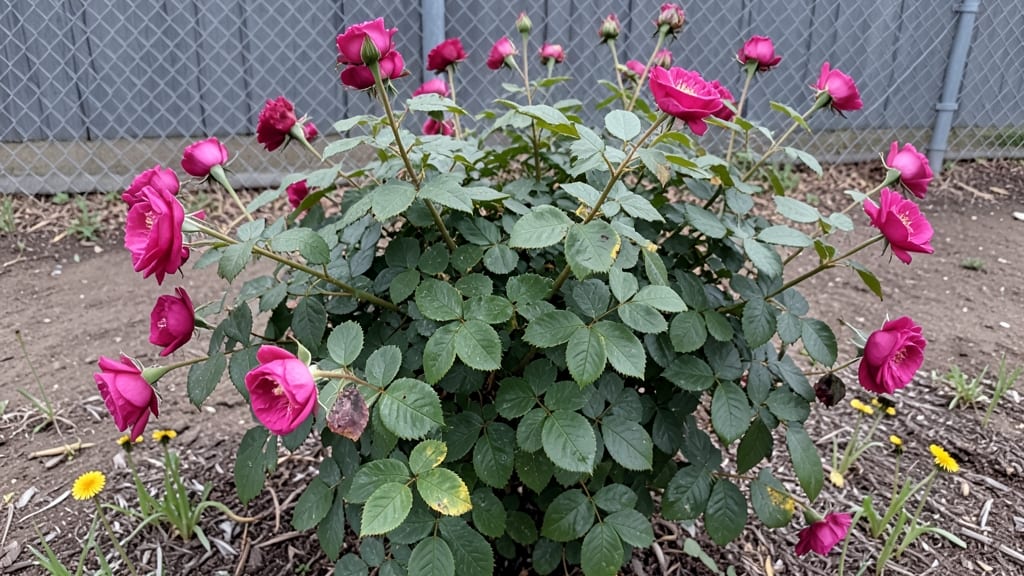
This Sunny Knockout rose tree thrives where other roses falter—my Pacific Northwest yard proves it. 🌿 After years of struggling with finicky roses that wilted in our damp winters, this cold-hardy variety became my go-to, blooming from spring until frost with almost no fuss.
The secret isn’t just its resilience; it’s the pruning calendar that keeps it producing vibrant yellow blooms year after year, even in Zone 8’s unpredictable weather.
You’ll need basic tools—a sharp pair of pruners, a glove, and a clear day—and about 30 minutes twice a year. The real magic happens in late winter and early summer, when you shape the tree to encourage dense growth and prevent disease.
Unlike high-maintenance roses, this variety forgives mistakes, so even beginners can achieve pro-level results without stress. The key is timing: prune too early, and you risk frost damage; too late, and you lose spring blooms.
By following this schedule, you’ll end up with a nearly thornless tree bursting with 100+ blooms per season, its glossy leaves staying disease-free even in rainy climates. Neighbors will ask how I keep my roses looking so effortless—the answer?
This foolproof pruning routine and a little patience. The first year is about establishing structure; after that, maintenance is minimal, and the rewards are instant.
Whether you’re replacing a failed rose bush or adding a low-maintenance centerpiece, this tree adapts to containers, small spaces, and even urban yards. The pruning calendar works for all Pacific Northwest zones, so grab your tools—spring’s the perfect time to get started.
📚 In This Guide
- What you need
- Instructions
- Tips and common mistakes
- Wrapping up and next steps
What you need
- ● Bypass pruners: Sharp, high-quality pruners (e.g., Felco or Fiskars) for clean cuts.
- ● Loppers: For thicker branches (1.5"–2" capacity).
- ● Hand saw: Pruning saw with a fine-tooth blade for stubborn stems.
- ● Disinfectant: 70% isopropyl alcohol or bleach solution (1 part bleach to 9 parts water) to sterilize tools.
- ● Gloves: Heavy-duty gardening gloves (cut-resistant preferred).
- ○ Pruning sealant (optional but helpful): For large cuts (e.g., Tanglefoot Tree Wound Pruning Sealer).
- ● Work boots or sturdy shoes: For stability in wet PNW soil.
- ● Garden kneeler or stool: To reduce strain on your back.
- ● Trash bags or bucket: For collecting pruned debris.
- ● Notebook & pencil: To track pruning dates and notes.
- ● Sun protection: Hat, sunscreen, and long sleeves (PNW sun can be sneaky!).
- ● Know your USDA Hardiness Zone (PNW typically ranges from 6–9).
- ● Confirm your rose’s last frost date (check local almanacs or The Old Farmer’s Almanac).
- ● Check for disease or pests (e.g., black spot, aphids) before pruning.
- ● Have a clear day with temps above 40°F (4°C)—no pruning in frost!
How to prune a Sunny Knockout rose tree in the Pacific Northwest
Here’s the seasonal pruning schedule I’ve perfected for thriving Sunny Knockout roses in our rainy, mild climate.
✂️ Step 1: Late Winter Pruning for Spring Growth
Prune your Sunny Knockout rose tree between mid-February and early March, just as buds begin to swell. This timing ensures you remove dead wood while encouraging vigorous new growth before the rainy season peaks. Start by removing any dead, diseased, or crossing branches—these compete with healthy growth and invite pests.
Cut back last year’s growth by about one-third, targeting branches that are thinner than a pencil. Look for outward-facing buds when making cuts; these will produce stronger canes. I like to make angled cuts just above a bud, about ¼ inch above the growth node, to prevent water from pooling and rotting the stem.
✂️ Step 2: Light Summer Pruning for Airflow and Shape
After the first flush of blooms in June or early July, give your rose tree a second pruning to maintain shape and airflow. Focus on removing spent blooms and any leggy or overcrowded branches. Sunny Knockouts bloom repeatedly, so cutting back after each flush prevents overburdening the plant and encourages more flowers.
Trim back branches that have finished blooming to an outward-facing bud. Avoid heavy pruning in summer—just light shaping keeps the plant balanced. I also remove any suckers (shoots growing from the base or graft union) immediately, as they divert energy from the main structure. This step keeps your tree compact and prevents fungal issues.
✂️ Step 3: Minimal Fall Pruning to Prepare for Winter
In the Pacific Northwest, late October or early November is the time for minimal fall pruning. Focus only on removing any remaining dead wood, diseased branches, or those that grew excessively during the season. Avoid heavy cuts now—your rose needs energy stored in its canes to survive winter.
Leave the structure intact but tidy. Prune just enough to improve airflow and reduce winter moisture buildup. I like to leave some of the older canes intact—they provide insulation for the plant’s center. Mulch around the base with 2-3 inches of organic mulch (like shredded bark) to protect roots from temperature swings.
⏰ Step 4: Post-Winter Inspection and Adjustments
In early February, before bud break, do a final inspection. Check for winter damage—any branches that look blackened or mushy should be pruned back to healthy wood. Sunny Knockouts are cold-hardy, but our wet winters can still cause issues if the plant was overpruned in late fall.
Adjust your pruning based on what you see. If the center looks too dense, thin out a few canes to improve airflow. If branches grew unevenly last year, balance the shape now. This final step ensures your rose enters its next growth cycle strong and healthy—ready to burst into blooms by late spring.
Tips & tricks for perfect Sunny Knockout rose tree pruning
Mastering the art of pruning these cold-resistant roses takes practice, but these insights will help you avoid common mistakes and keep your Sunny Knockout thriving in our Pacific Northwest climate.
Timing is Everything: The mid-February to early March window for Step 1 is critical—this is when buds begin to swell but before our rainy season peaks. I've learned the hard way that pruning too early can stimulate growth that gets damaged by late winter frosts, while waiting too long risks encouraging pests that thrive in dormant wood. Mark your calendar now for next year!
The One-Third Rule: When cutting back last year's growth in Step 1, resist the urge to go heavier. That one-third reduction targets thinner branches while preserving the plant's energy reserves. I've seen gardeners cut back 50% or more, which can leave the plant vulnerable to disease. Think of it as giving your rose a strategic haircut—not a buzz cut!
Bud Awareness: Always look for outward-facing buds when making cuts in Steps 1 and 2. These buds will produce stronger canes that grow away from the center, improving airflow and reducing fungal risks. I use a small magnifying glass to examine buds when in doubt—it's worth the investment for perfect pruning. The ¼-inch clearance above the bud is also crucial; this prevents water from pooling and causing rot.
Seasonal Adjustments: Our Pacific Northwest climate demands flexibility. If you notice winter damage during your early February inspection (Step 4), don't hesitate to extend pruning slightly later into February. The key is to prune before bud break—this timing ensures you're removing damaged wood while still allowing the plant to prepare for spring growth. Just avoid heavy pruning in late fall, as this can stress the plant before winter.
Pro Tips for Sunny Knockout Rose Tree
- Mastering the art of pruning these cold-resistant roses takes practice, but these insights will help you avoid common mistakes and keep your Sunny Knockout thriving in our Pacific Northwest climate.
- Timing is Everything: The mid-February to early March window for Step 1 is critical—this is when buds begin to swell but before our rainy season peaks.
- The One-Third Rule: When cutting back last year's growth in Step 1, resist the urge to go heavier.
Frequently asked questions
When is the best time to prune my Sunny Knockout Rose in the PNW?
The ideal window is late winter to early spring (February–March), after the worst cold snaps but before new growth starts. This timing balances frost protection with fresh spring blooms. Avoid pruning in fall—it encourages tender growth that may not survive winter.
How cold-hardy are Sunny Knockout Roses, and do they need winter prep?
These roses thrive in USDA Zones 4–9, making them perfect for the PNW! Still, young trees (under 3 years) benefit from mulch (3–4 inches) around the base and light burlap wrapping for extra insulation. Established trees usually handle winter fine with just mulch.
Can I prune Sunny Knockout Roses too much? What if I cut them back too hard?
While they’re forgiving, never remove more than ⅓ of the plant in one season. Over-pruning stresses the tree, reducing blooms. Aim for 3–5 strong canes (12–18 inches tall) to encourage bushiness. If you’ve already overdone it, don’t panic—focus on watering deeply and fertilizing lightly this spring.
Why aren’t my Sunny Knockout Roses blooming as much as they should?
Common culprits: under-pruning (old wood needs renewal), poor sunlight (they need at least 6 hours of sun), or nutrient deficiencies. Check for yellow leaves (nitrogen) or weak stems (phosphorus). A balanced rose fertilizer in early spring and summer often revives blooms.
Are there cold-resistant alternatives if Sunny Knockout Roses don’t thrive here?
Yes! Try these PNW-friendly roses:
- ‘Dr. Huey’ – Disease-resistant, repeat bloomer, Zone 4.
- ‘Knock Out® Double’ – Larger blooms, same hardiness.
- ‘The Fairy’ – Miniature but tough, great for containers.
- ‘Iceberg’ – Classic climber, thrives in cool climates.
Wrapping up and next steps
The Sunny Knockout® rose tree is a stunning, low-maintenance addition to your Pacific Northwest garden—especially when you follow its cold-resistant pruning calendar! By understanding when and how to trim, you’ll encourage vibrant blooms, stronger growth, and resilience against winter chill. 🌸
Ready to transform your outdoor space? Grab your pruners, mark your calendar, and get pruning! Start with a light shape-up in early spring, then tackle the big cuts in late winter or early fall. Your rose tree—and your neighbors—will thank you! 🌿✨
Next step: Pick a sunny day, gather your tools, and give your Knockout rose the care it deserves!